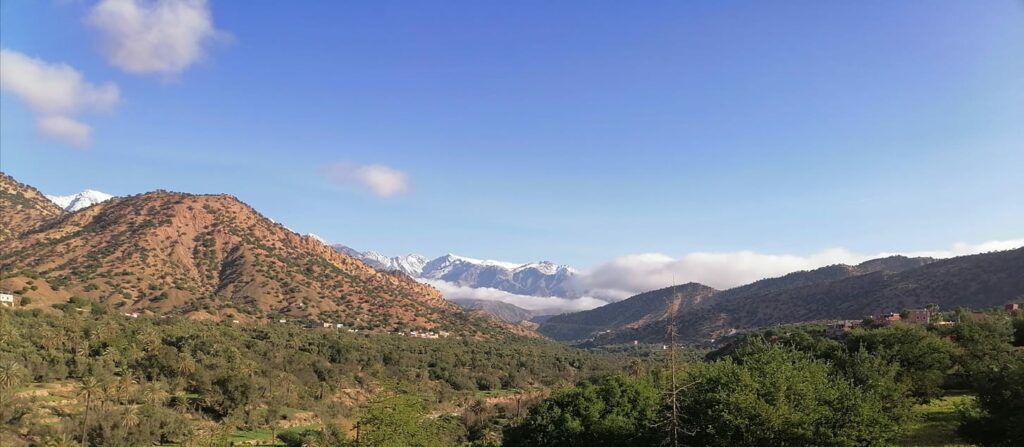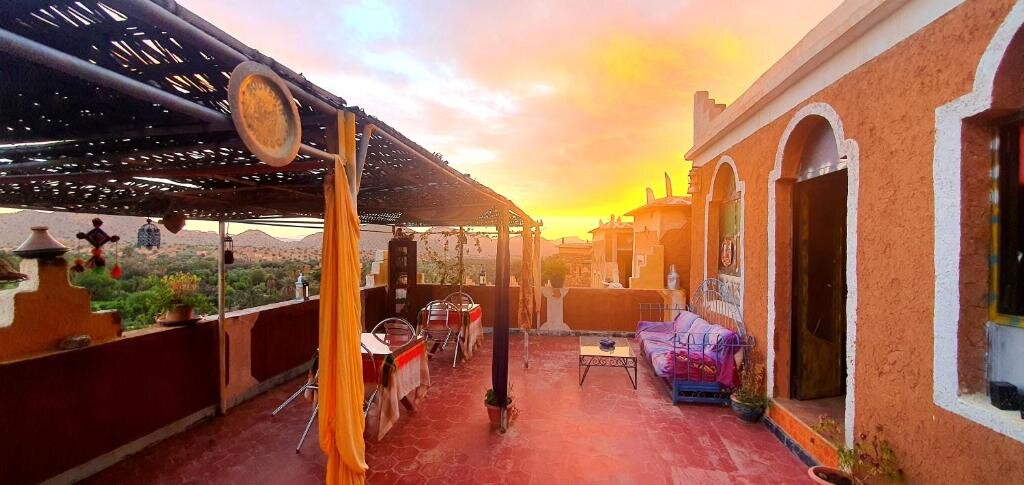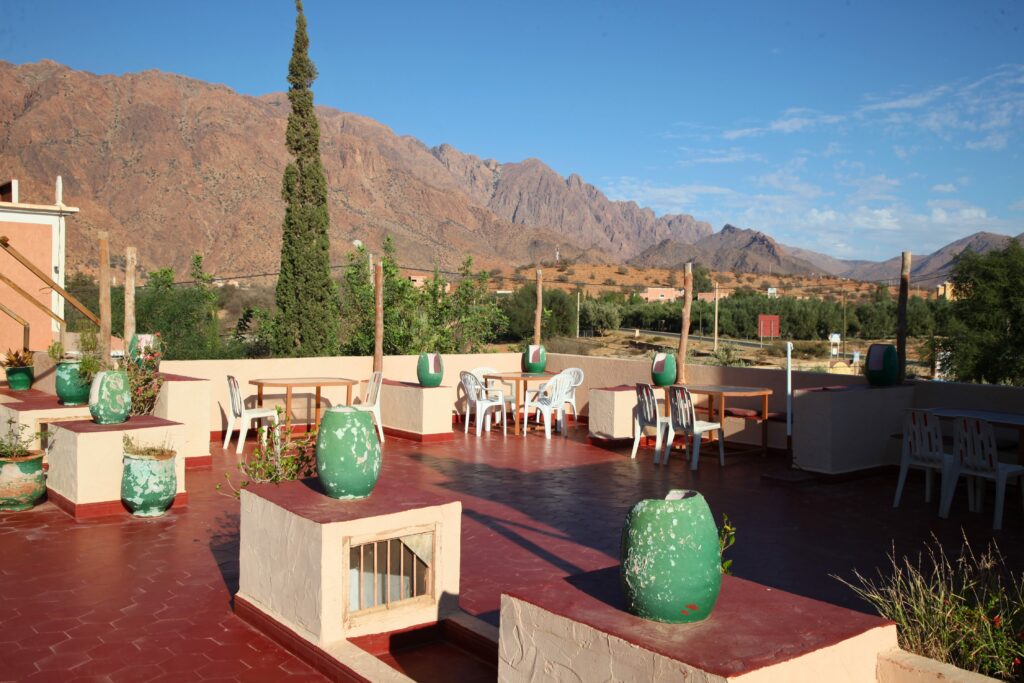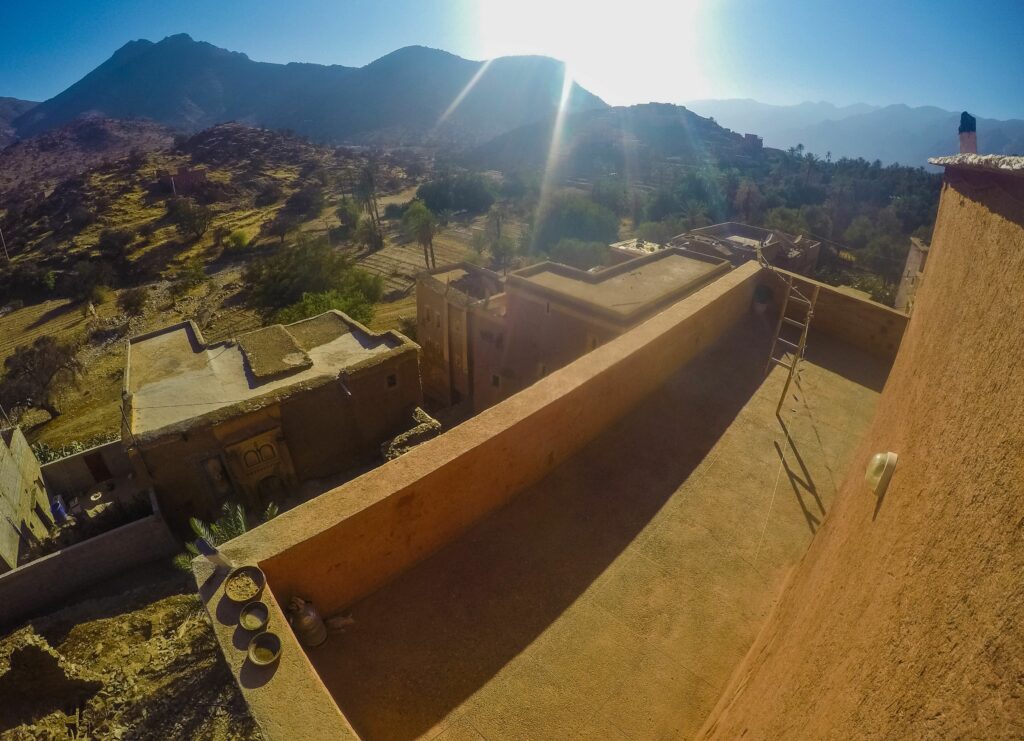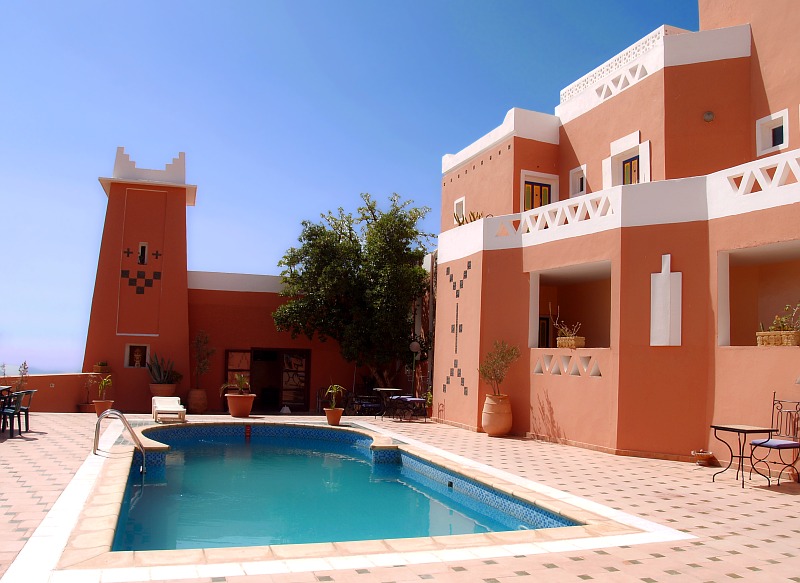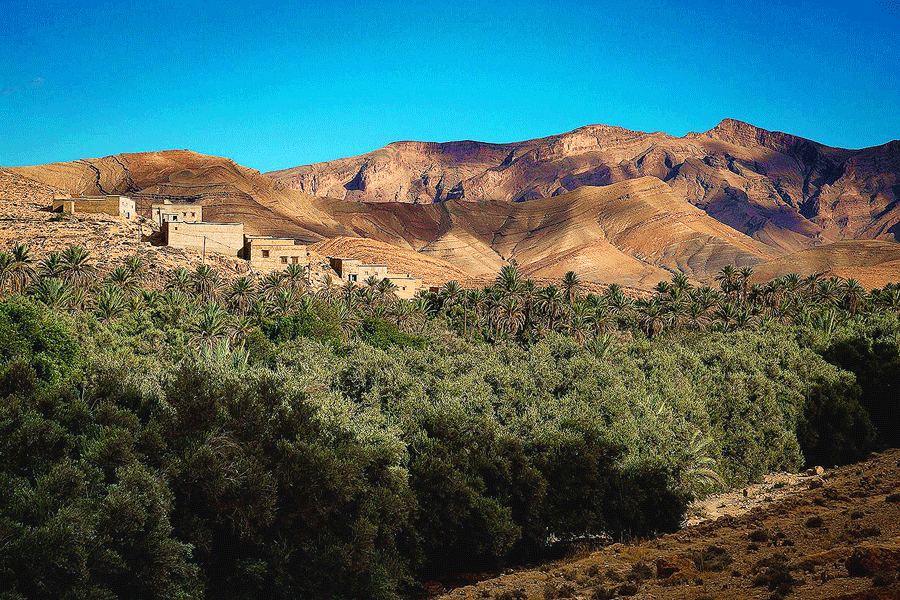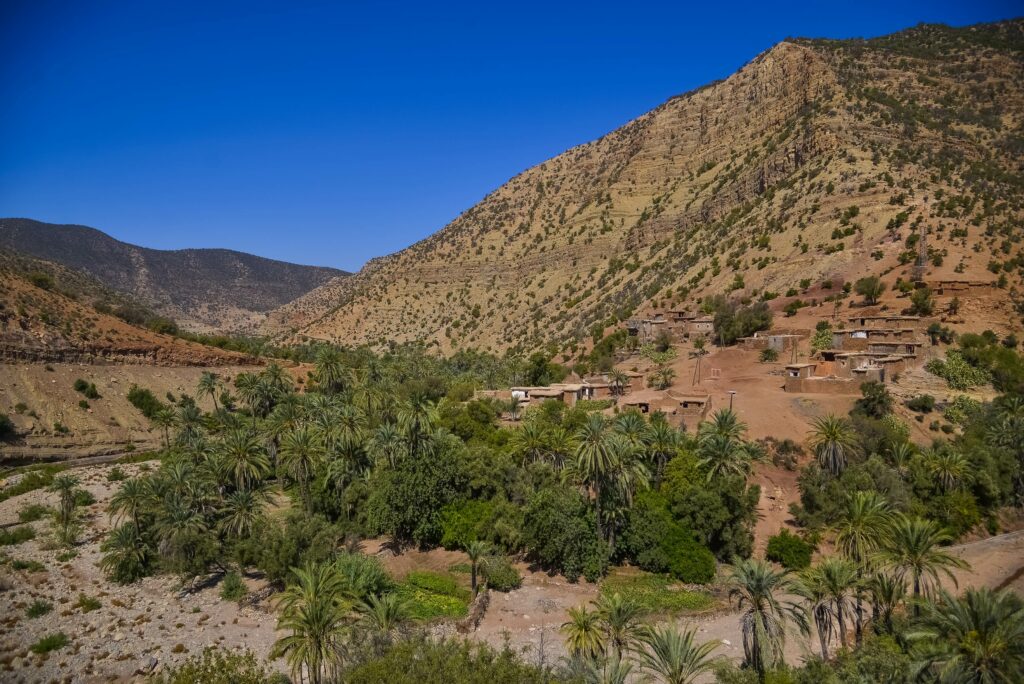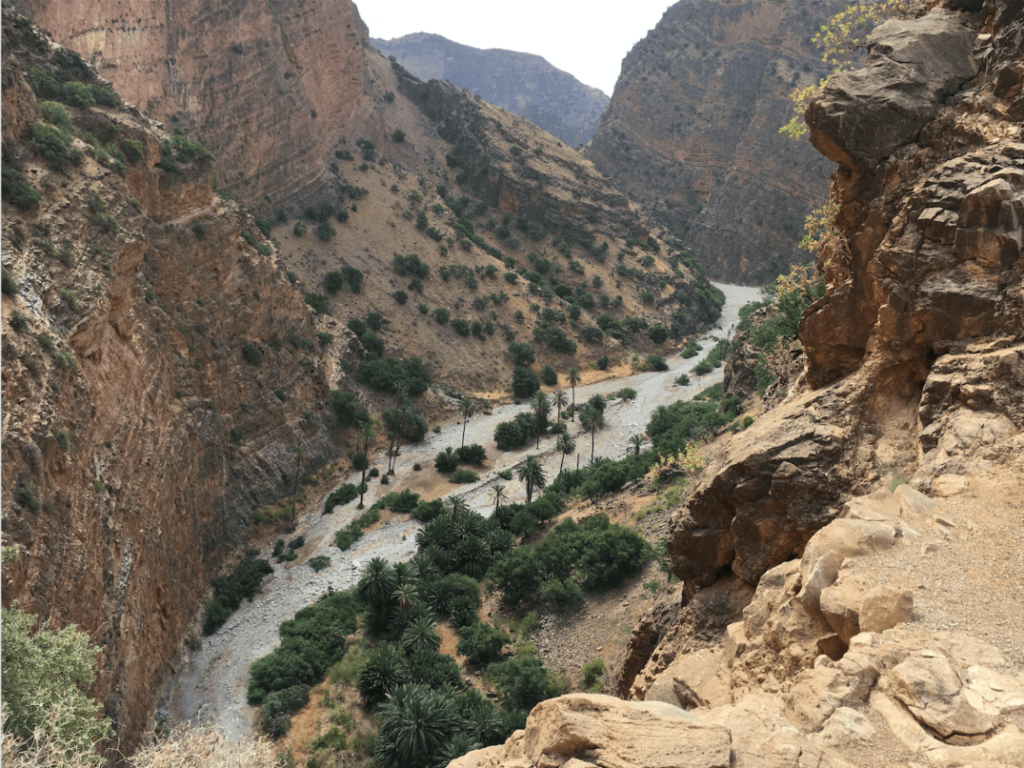

Les Todgha Valley is where the High Atlas Mountains crack open and reveal something extraordinary — a corridor of vertical stone, living water, and ancient human settlement that stops you mid-breath.
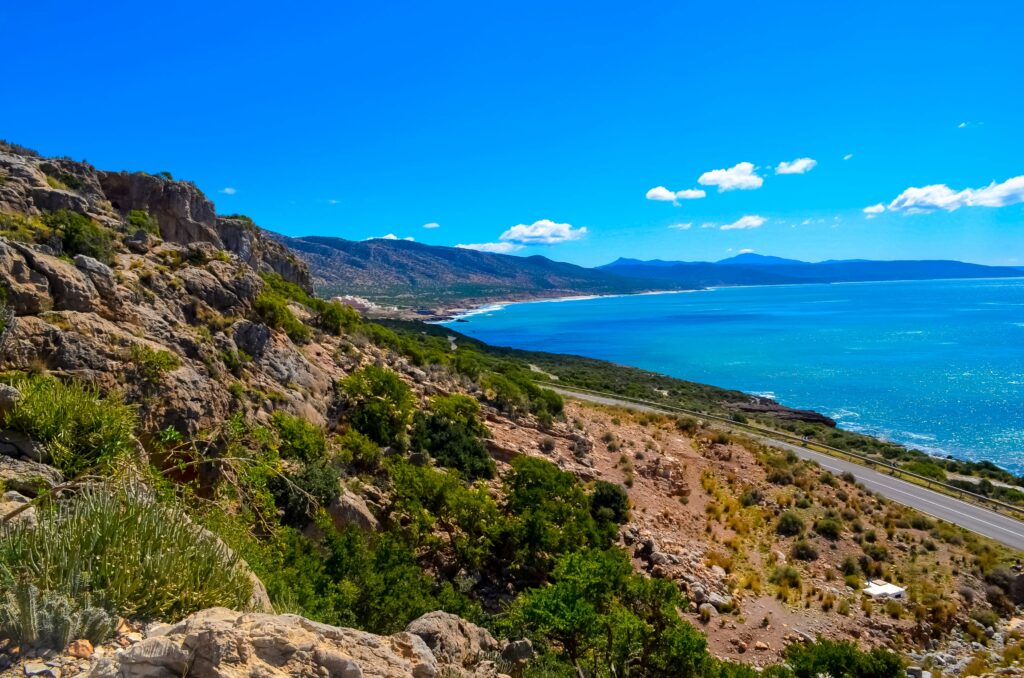
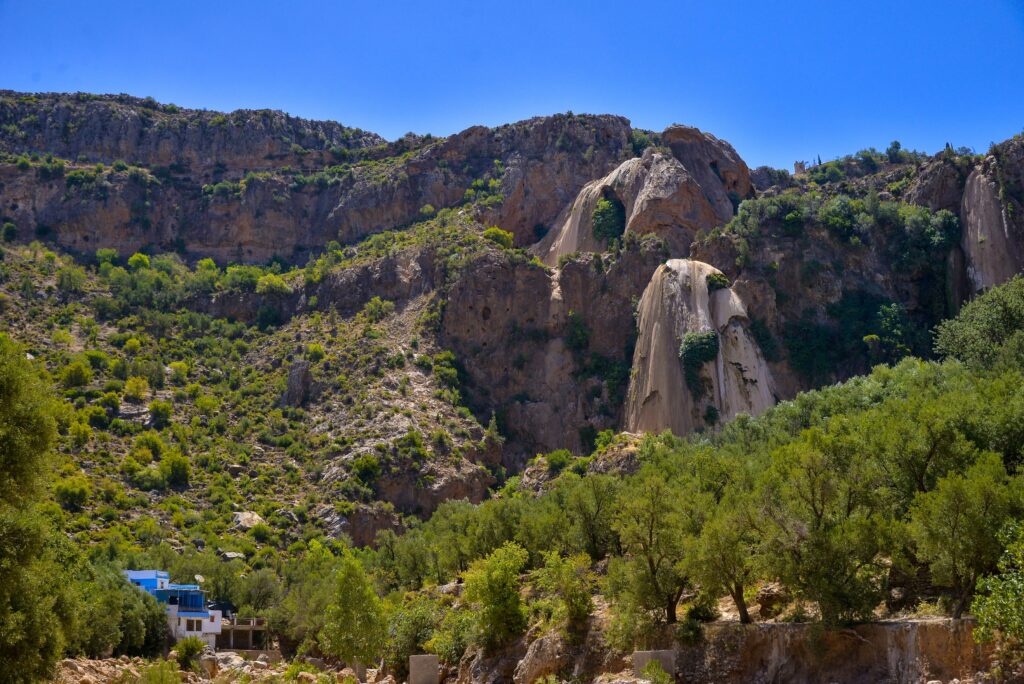
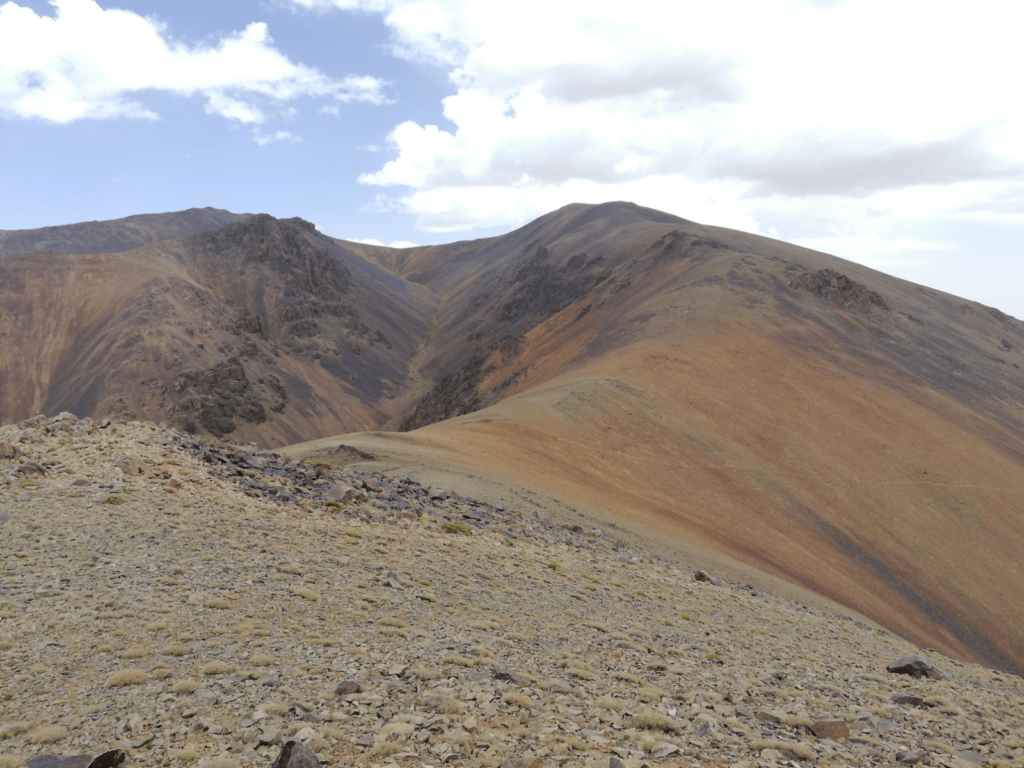
The Todgha Valley sits in the eastern folds of Morocco’s High Atlas Mountains, near the oasis town of Tinghir. Carved over millions of years by the Todgha River, this dramatic canyon system ranks among North Africa’s most spectacular natural wonders.
Locally spelled both Todgha et vos Todra, the valley stretches roughly 40 kilometres through the mountains. Its most celebrated stretch — where the gorge narrows to just 10 metres wide with 300-metre cliffs rising on both sides — rewards every traveller who makes the journey.
Key statistics:
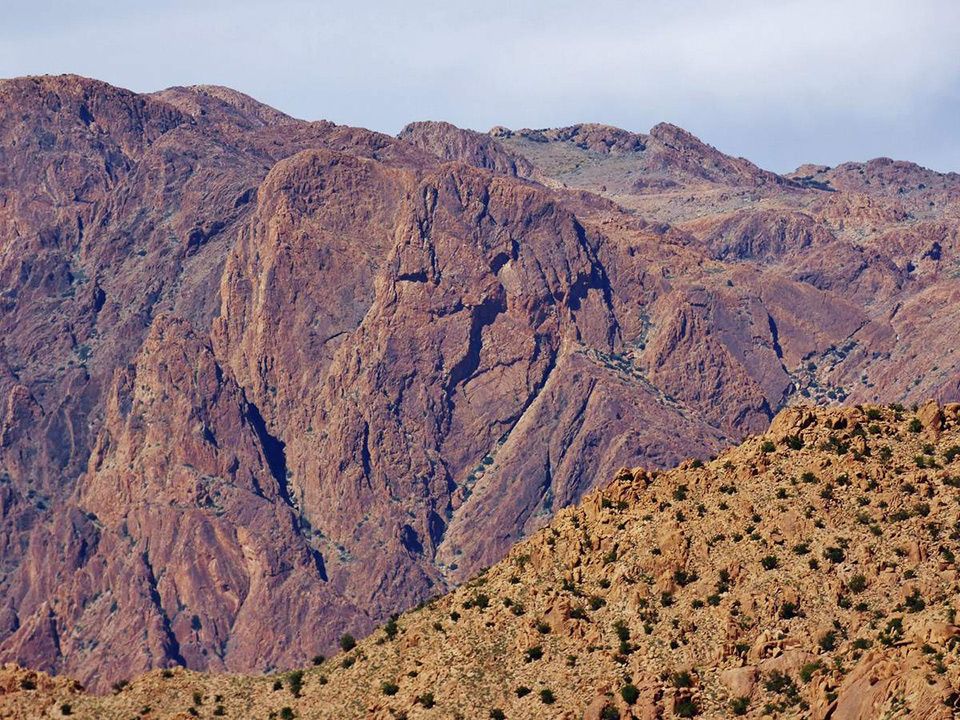
Les Todgha Valley‘s dramatic cliffs began forming during the Late Paleozoic Era, when this region lay submerged beneath a shallow prehistoric sea. The limestone accumulated as marine sediment over hundreds of millions of years.
The Atlas Mountain uplift during the Neogene period pushed these ancient seabed layers skyward. The Todgha River then began its relentless downward work — cutting through soft limestone across millions of years.
Geological fact: Look closely at the cliff walls and you will find marine fossils embedded in the rock — shells, coral imprints, and trilobite traces from a long-vanished ocean.
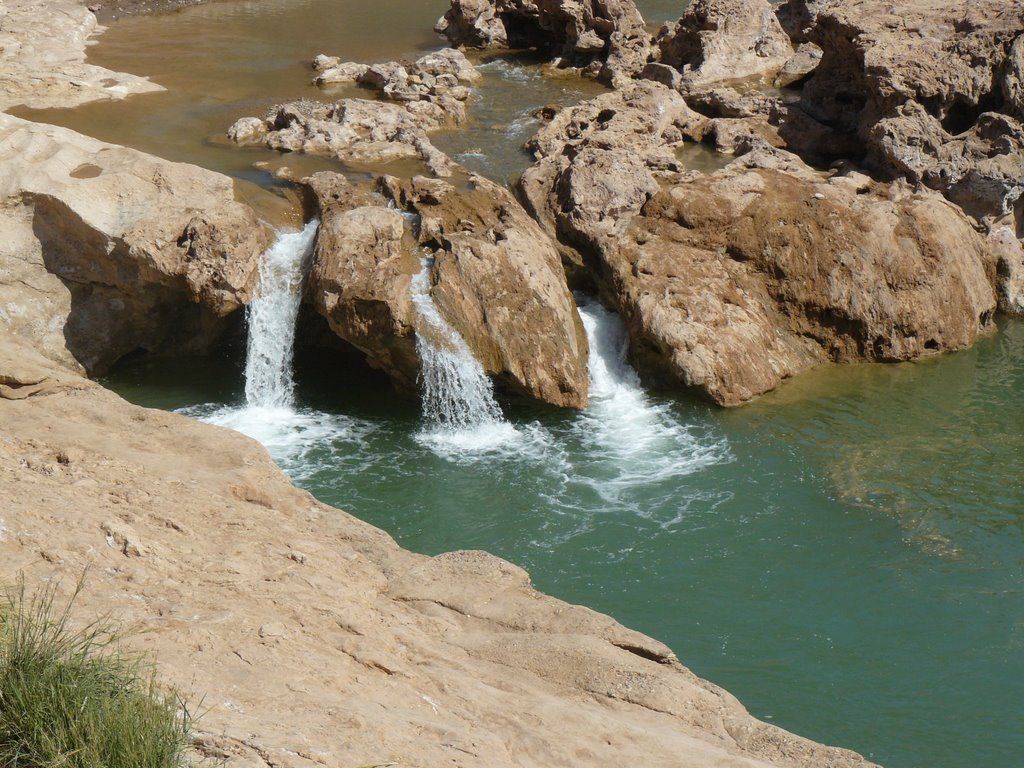
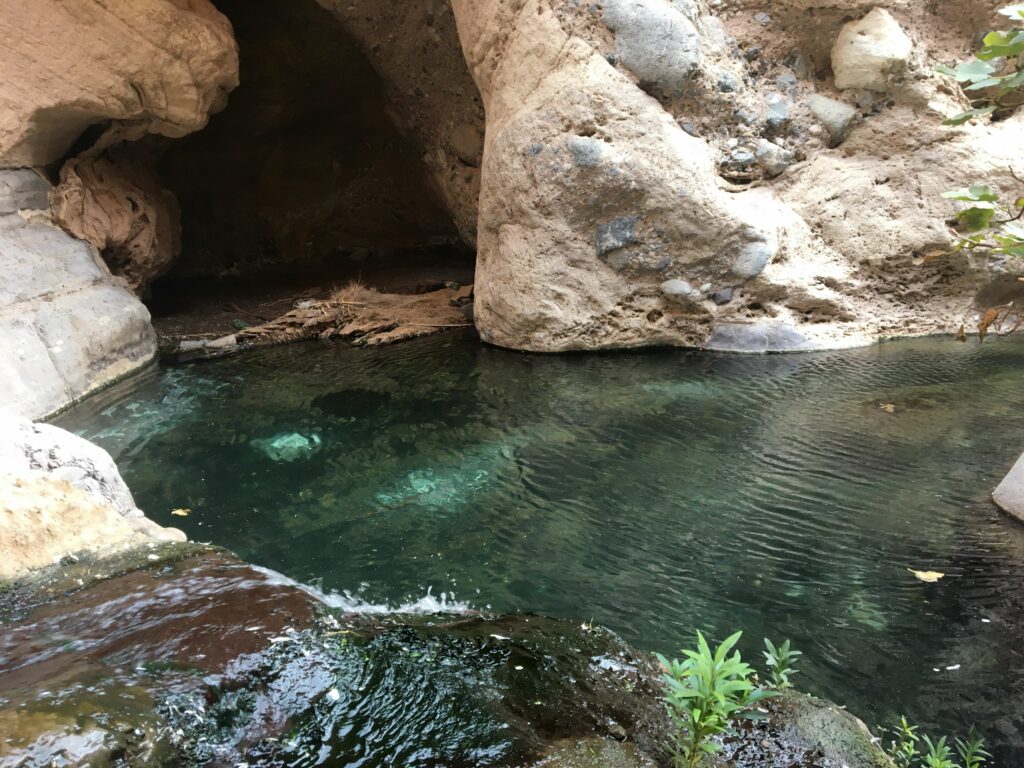
The Todgha River flows year-round through the canyon floor. Spring snowmelt from the High Atlas sends powerful currents rushing through the narrow gorge. Summer reduces it to a crystal-clear shallow stream ideal for wading.
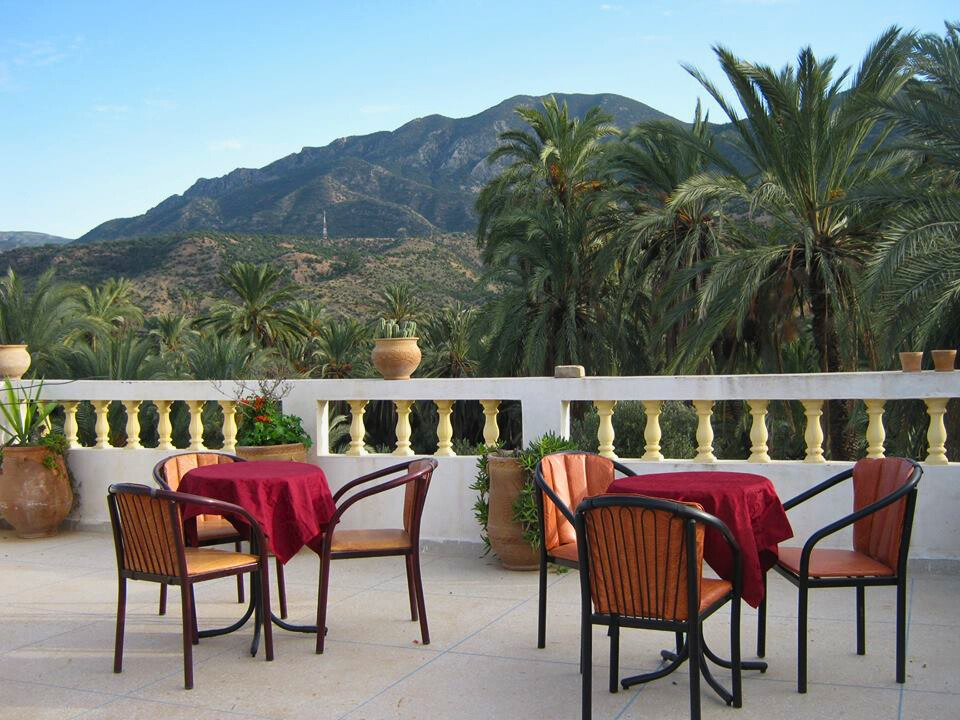
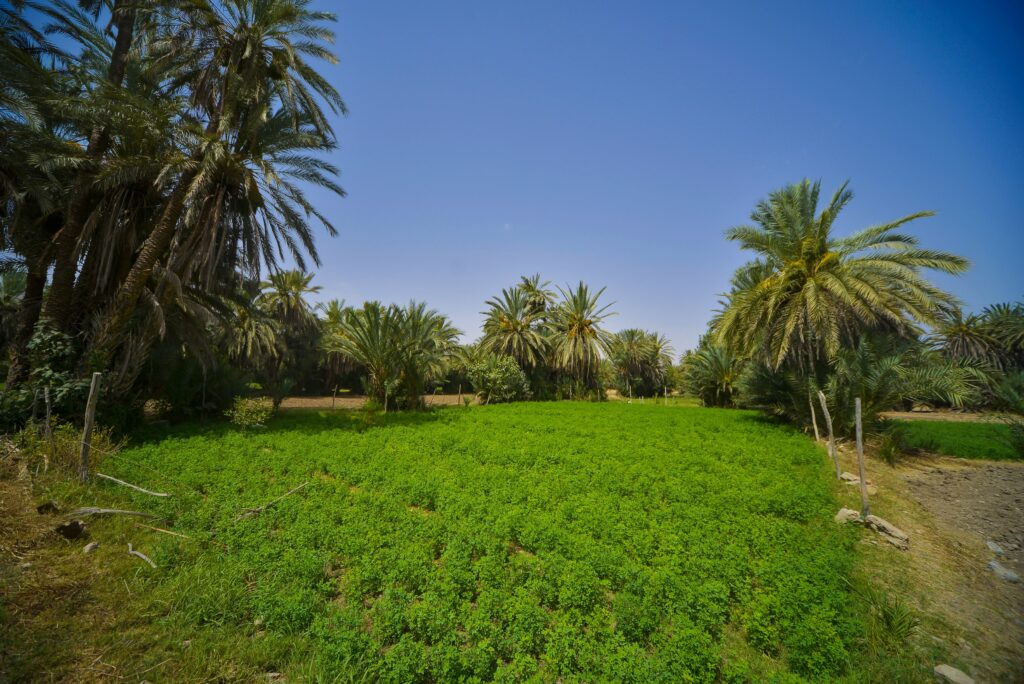
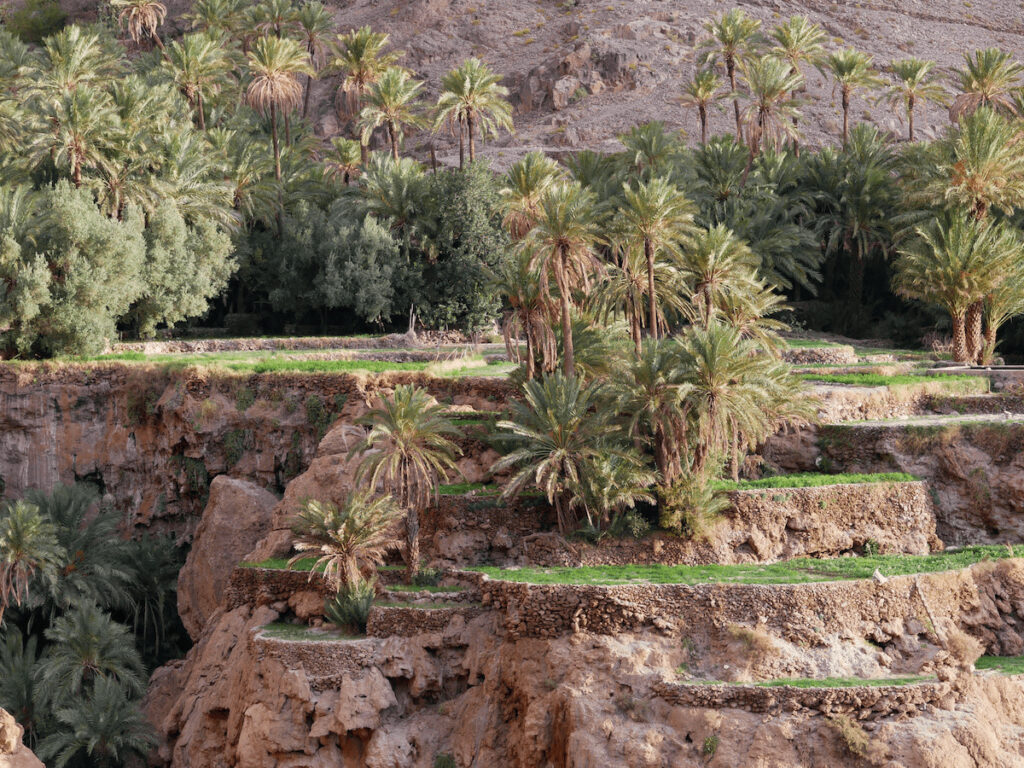
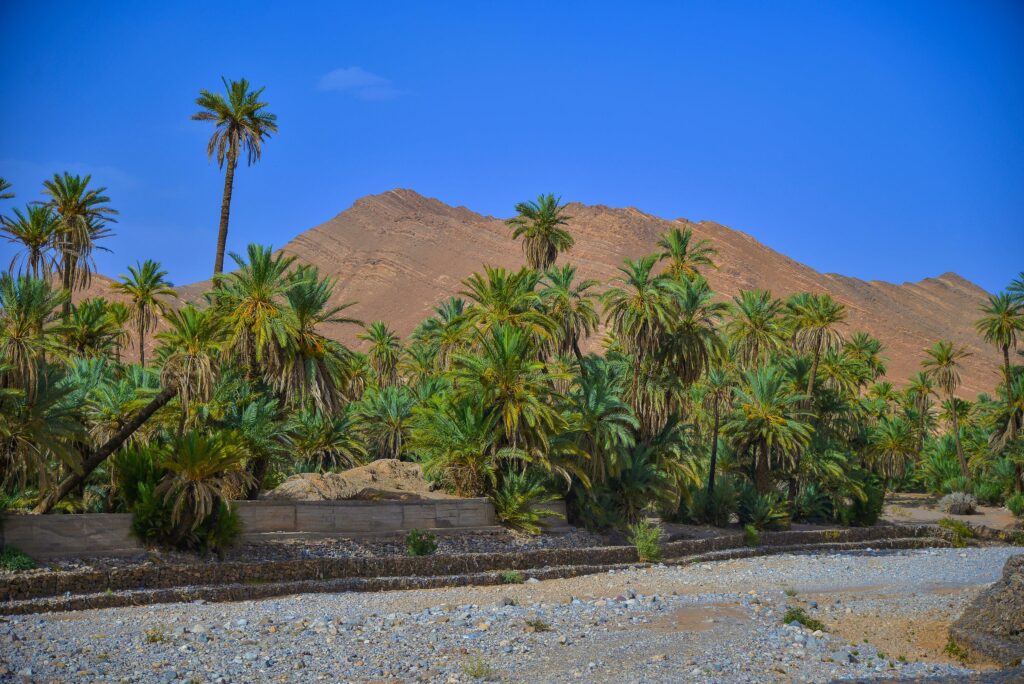
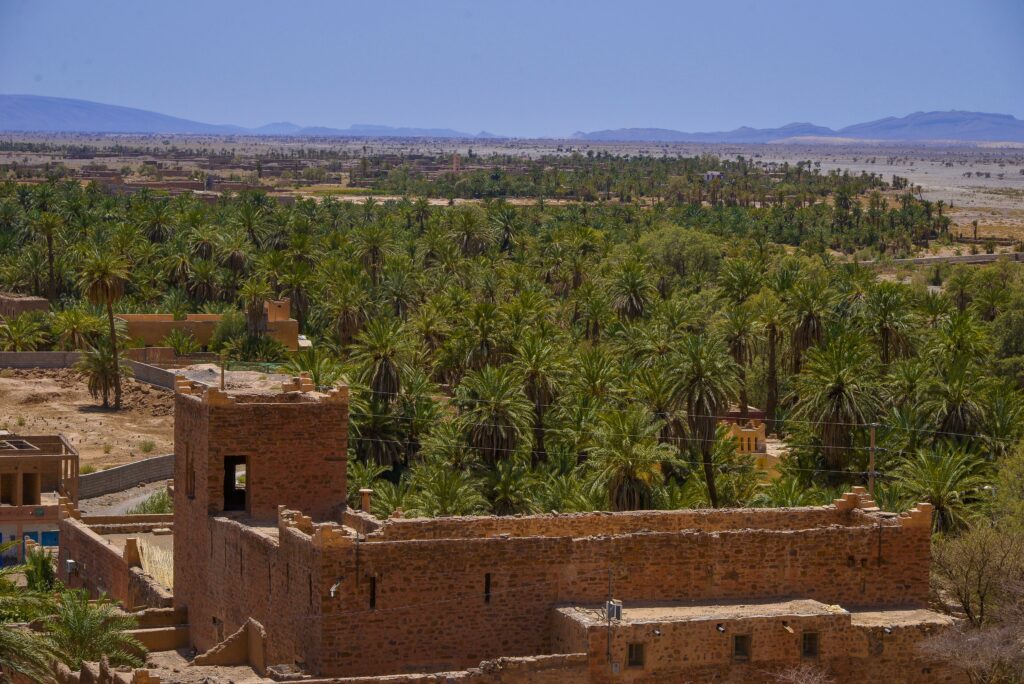
The oasis contrast: Nowhere in Morocco is the contrast between desert and life more dramatic. Step out of the parched canyon and within metres you enter a cool, shaded palmery — date palms, fig trees, almond groves, and wheat fields sustained entirely by the river’s ancient irrigation network.
Over 200,000 date palms line the valley approach to Tinghir, fed by a khettara underground irrigation system that predates recorded history.
External links :
Despite the apparent austerity of the canyon, the Todgha Valley shelters remarkable biodiversity:
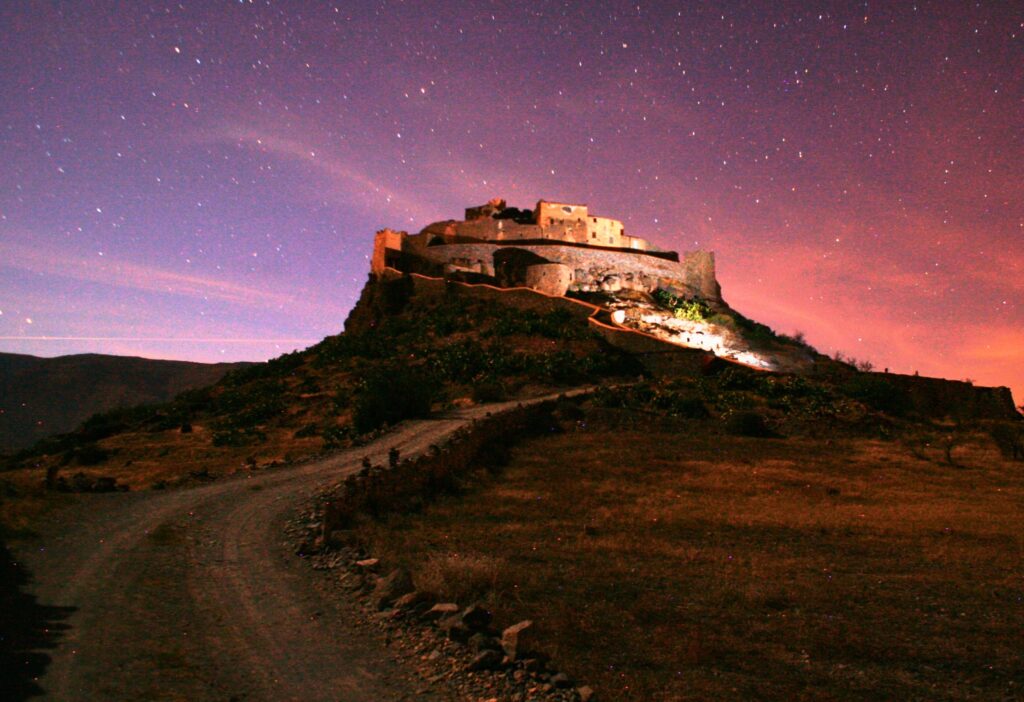
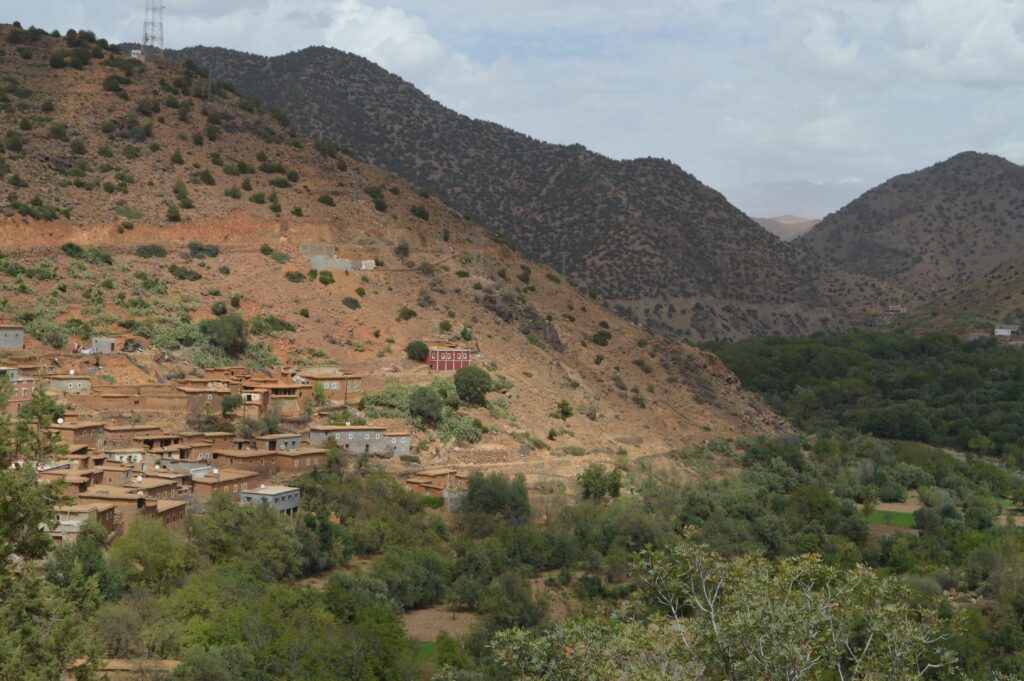
Les Todgha Valley has sustained Amazigh Berber communities for centuries. The valley was historically a stop on trans-Saharan caravan routes. Salt, gold, and spices moved through here between sub-Saharan Africa and Mediterranean markets. Ruins of 17th-century kasbahs still overlook the gorge entrance.
Cultural note: Always ask permission before photographing people. Visiting cooperatives and family guesthouses directly supports local communities.
Internal link: Explore similar rural nature destinations in Morocco
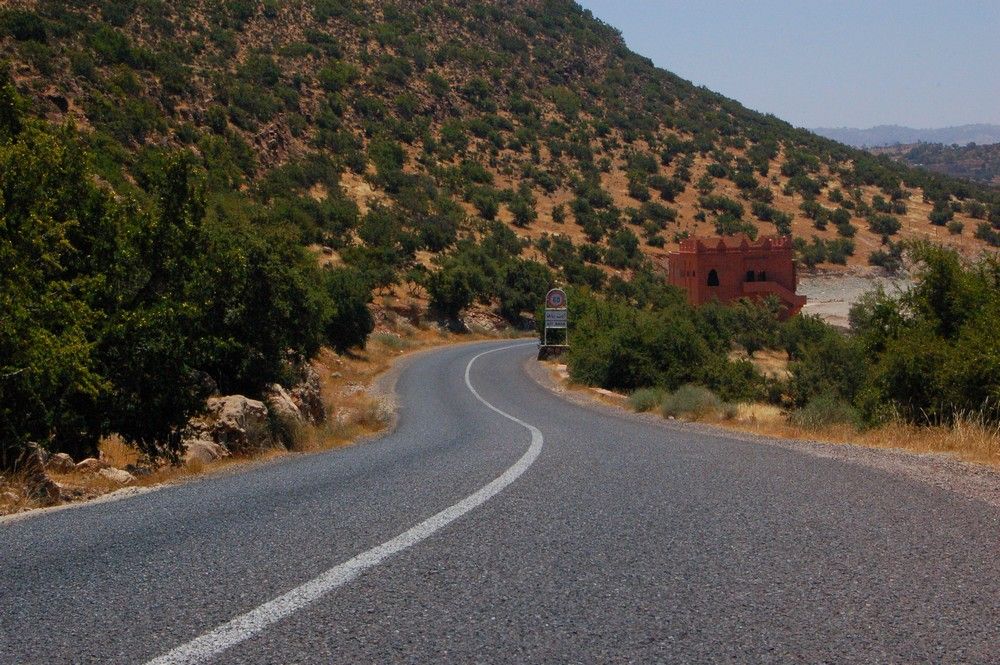
How do I get to the Todgha Valley from Marrakech? Drive south via Ouarzazate on the N9, then east on the N10 through El Kelaa and Boumalne Dades to Tinghir. The gorge entrance is 15 km north of Tinghir. Total drive: approximately 6 hours.
Is the Todgha Valley good for beginner hikers? Yes. The main canyon floor walk is easy and flat. For longer treks into the upper valley, hiring a local Amazigh guide is strongly recommended.
What is the difference between Todgha and Dades Valley? Todgha is narrower with more vertical cliffs — ideal for climbing and dramatic photography. Dades is wider with more varied rock formations including the famous “Monkey Fingers.” Many travellers visit both.
Can I swim in the Todgha River? In summer, the river runs shallow enough for wading near the gorge entrance. Always check for flash flood risk after heavy rain upstream.
Ready to experience the Todgha Valley? Discover authentic nature stays and guided experiences in Morocco’s most spectacular mountain landscapes.
Browse Nature Stays in Rural Morocco
Aucun résultat ne correspond à votre recherche
Aucun résultat ne correspond à votre recherche