
Most travelers never hear about Ajmak Ait Baha. Consequently, one of Morocco’s most profound cultural treasures remains almost invisible to the outside world. Furthermore, while Marrakech fills with tourists, the granite peaks of the Anti-Atlas mountains guard a living art form of extraordinary depth. Specifically, Ajmak is a collective art — a fusion of Amazigh poetry, mountain rhythm, and synchronized human movement. Moreover, it belongs exclusively to the Ait Baha region of Chtouka Ait Baha province. Therefore, understanding Ajmak means stepping into the philosophical heartbeat of Souss-Massa culture. In this post, you will discover why this ancestral tradition deserves UNESCO recognition and your full attention.
Ajmak Ait Baha is a collective art form that merges Amazigh poetry, percussive rhythm, and synchronized movement. Specifically, communities in Chtouka Ait Baha have practiced it for generations. Furthermore, it differs fundamentally from other Souss-Massa folk traditions. Consequently, while Houara Music dazzles with acrobatics and explosive energy, Ajmak moves in the opposite direction. Additionally, it chooses solemnity, depth, and slow spiritual power over spectacle. Moreover, its participants embody tribal endurance rather than individual performance. Therefore, Ajmak represents the philosophical counterpart to the region’s more energetic folk traditions. It is, above all, a conversation between a community and its own history.
The soul of Ajmak Ait Baha lives inside its poetry. Specifically, the central figure of every performance is the L’rayes — the master poet and conductor. Furthermore, the L’rayes does not simply recite verses. Consequently, he orchestrates a sophisticated poetic dialogue known as Tifawin. Moreover, Tifawin involves multiple elders exchanging verses in a structured, elevated discourse. Specifically, topics range from mountain history and social justice to ancestral wisdom and metaphysics. Additionally, these exchanges function as a living oral archive of Anti-Atlas Morocco. Therefore, each performance transmits centuries of Souss-Massa wisdom to the next generation. Furthermore, Tifawin remains one of the purest expressions of Amazigh oral heritage anywhere in Morocco.
The L’rayes carries extraordinary social responsibility. Specifically, he memorizes vast bodies of ancestral verse. Consequently, his poetry reflects the values, struggles, and identity of his tribe. Furthermore, elders choose their words with deep precision during Tifawin exchanges. Additionally, the audience listens with reverence, not merely as spectators but as witnesses. Moreover, some verses directly address community conflicts or call for reconciliation between families. Therefore, Ajmak functions simultaneously as art, tribunal, and spiritual ceremony. Specifically, no other folk tradition in the Anti-Atlas traditions carries this weight of collective meaning.
Ajmak Ait Baha builds its power through two interlocking rhythmic forces. Specifically, the Bendir — a large frame drum with a deep, resonant skin — provides the primary pulse. Furthermore, players strike it with slow, deliberate authority during the opening phase. Consequently, the sound carries across the mountain air with ease. Additionally, the Rch — a perfectly synchronized collective handclapping — acts as the rhythmic heartbeat of the ensemble. Moreover, every participant masters the Rch, creating a human percussion section of remarkable precision. Therefore, the combination of Bendir rhythm and Rch transforms the circle into a single living instrument.
Every Ajmak performance opens with the Asidd. Specifically, this slow, solemn phase eases the community into a meditative spiritual state. Furthermore, the Bendir plays at its most restrained during the Asidd. Consequently, performers and audience members enter a shared zone of deep attention. Additionally, the tempo increases gradually, bar by deliberate bar. Moreover, voices join the rhythm as the Tifawin poetry intensifies. Therefore, what begins as near-silence eventually builds into a powerful, collective rhythmic trance. Specifically, this progression from stillness to ecstasy gives Ajmak its unique emotional architecture. Furthermore, it mirrors the mountain landscape itself — patient, immense, and suddenly overwhelming.
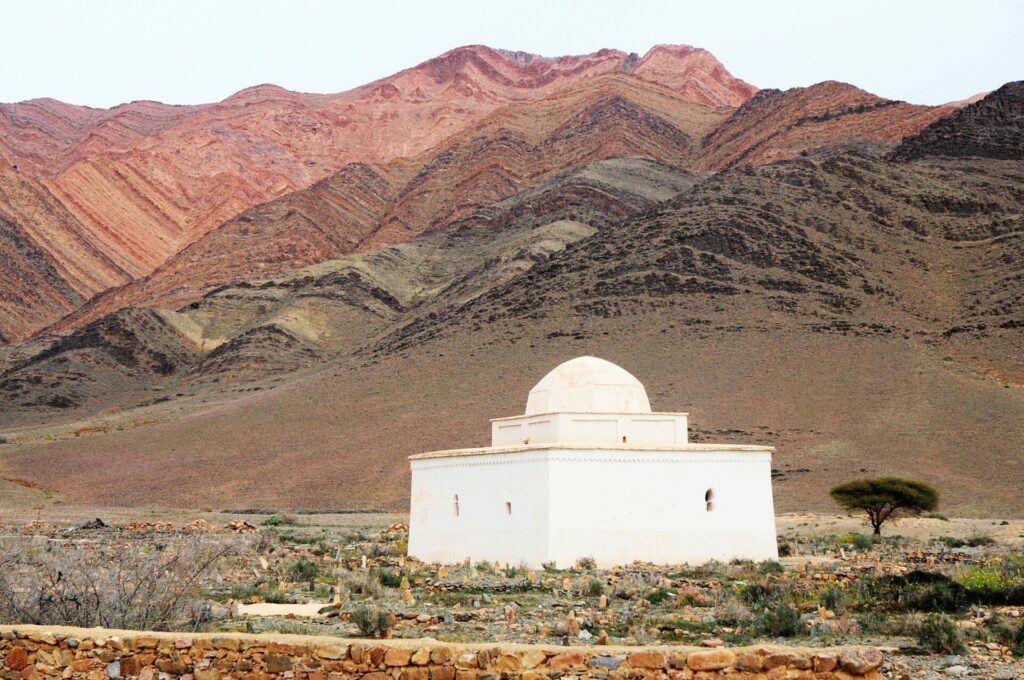
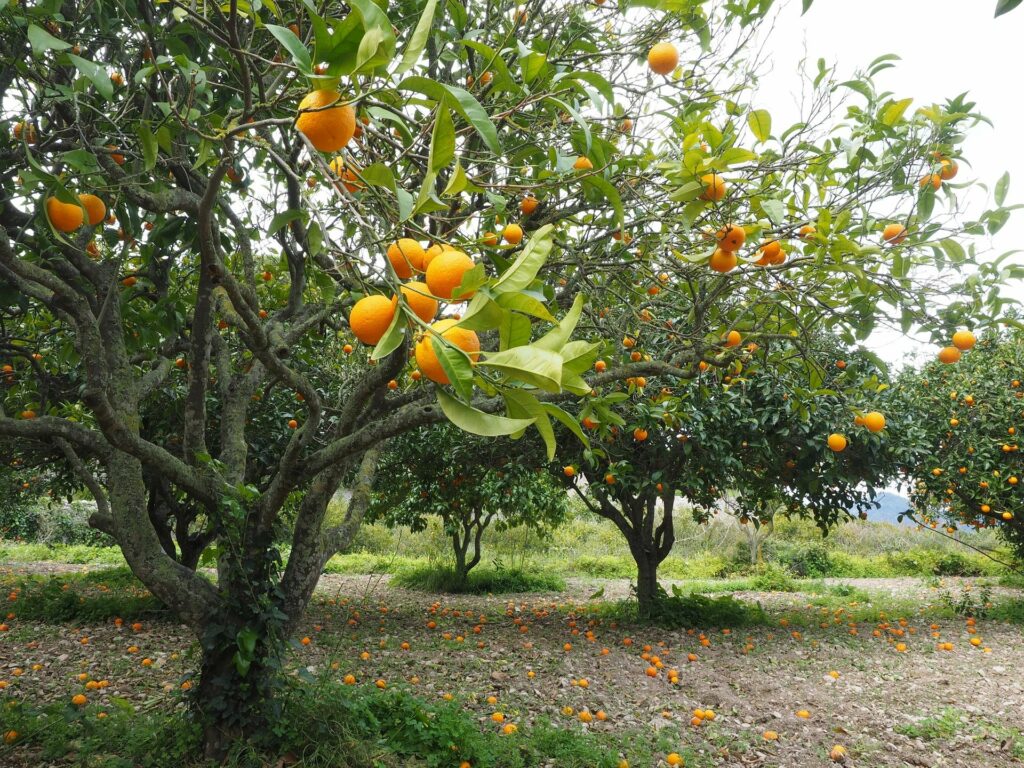
Ajmak Ait Baha does not exist in isolation from its environment. Specifically, the Chtouka Ait Baha province provides the perfect spiritual backdrop. Furthermore, performances take place against a landscape of almond trees, granite peaks, and ancient village squares. Consequently, the rugged Anti-Atlas mountains create a natural amphitheater for the human voice. Moreover, Moussems — annual pilgrimage gatherings — remain the primary context for major Ajmak performances. Additionally, village weddings in the region frequently feature Ajmak as a central cultural ceremony. Therefore, visitors who time their travels to these events witness something extraordinary. Specifically, the landscape and the art form become inseparable. Furthermore, you cannot fully understand one without experiencing the other.
The Moroccan diaspora carries deep emotional bonds with Ajmak. Specifically, second and third-generation Souss communities abroad describe it as the sound of home. Furthermore, cultural researchers increasingly recognize Ajmak as a masterpiece of intangible Moroccan folk heritage. Consequently, there is growing international conversation about its UNESCO candidacy. Moreover, local organizations in Chtouka Ait Baha actively work to document and transmit the tradition. Additionally, young performers now study under master L’rayes poets in structured apprenticeships. Therefore, the future of this Anti-Atlas oral heritage depends on visibility, documentation, and pride. Explore the cultural landscape of Chtouka Ait Baha and plan your immersive visit at Planifiez dès aujourd’hui votre voyage à la découverte de leur univers avec Visit Rural Morocco..
Ajmak Ait Baha stands as one of Morocco’s most sophisticated and endangered cultural treasures. Furthermore, its Tifawin poetry, Bendir rhythm, and the profound Asidd ceremony represent a complete philosophical worldview. Specifically, no other folk tradition in the Souss-Massa region carries this depth of ancestral meaning. Consequently, preserving Ajmak means preserving the intellectual and spiritual identity of the Anti-Atlas. Therefore, whether you are a cultural researcher, a diaspora member reconnecting with roots, or a traveler seeking authentic Morocco — Ajmak demands your attention. Moreover, the mountains of Ait Baha are waiting. Visit Planifiez dès aujourd’hui votre voyage à la découverte de leur univers avec Visit Rural Morocco. and discover when the next Moussem brings this ancient art form to life.
Aucun résultat ne correspond à votre recherche