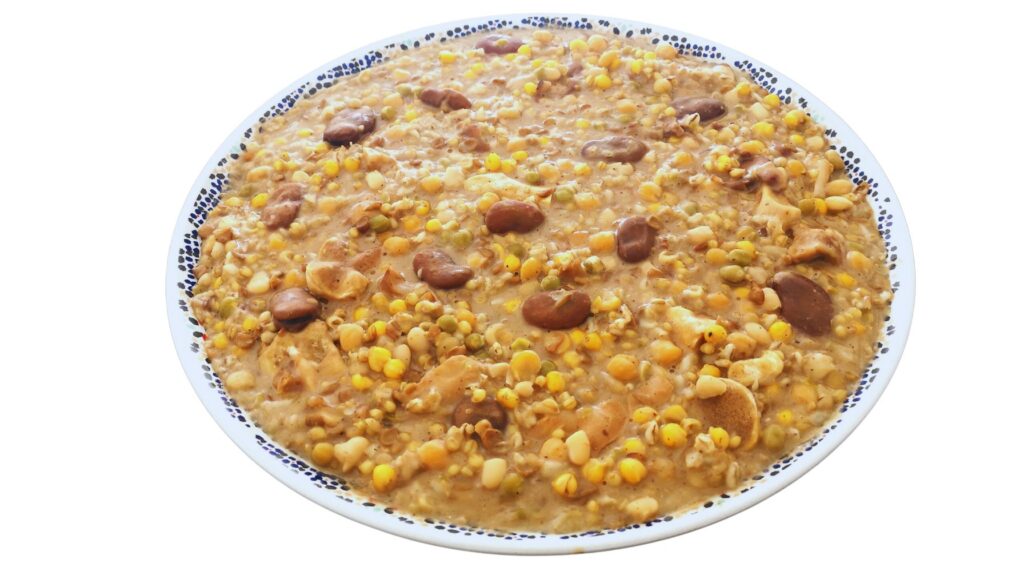

Les Lebsis dish in Morocco is one of the country’s most underrated culinary treasures. Imagine toasted barley flour, golden culinary Argan oil, and wild honey blended into one rich paste. Consequently, every spoonful delivers deep, nutty warmth. Furthermore, Lebsis carries centuries of Amazigh tradition in its flavor. Specifically, this ancient Souss recipe fueled farmers, travelers, and mountain communities for generations. Moreover, it tastes unlike anything else in Moroccan food. In this post, you will discover everything about this extraordinary Souss traditional sweet.
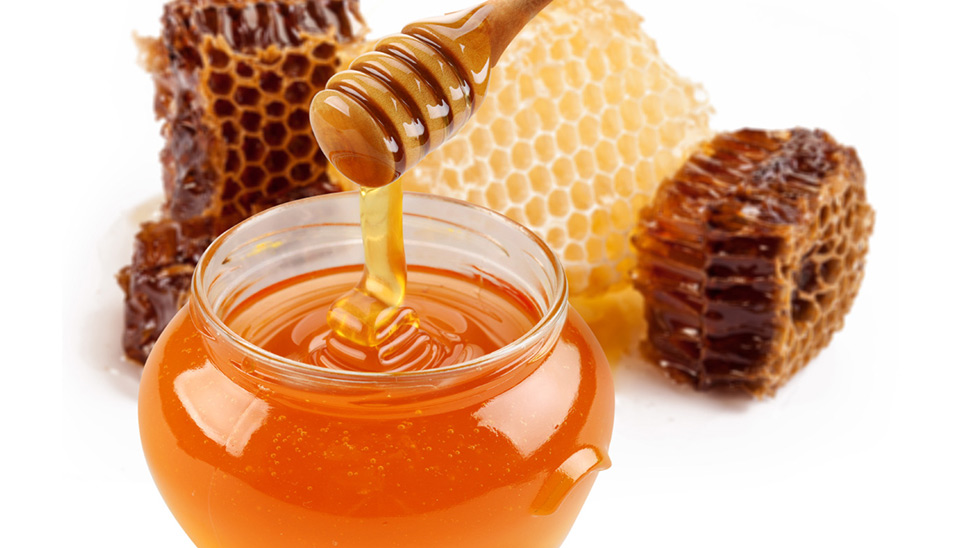
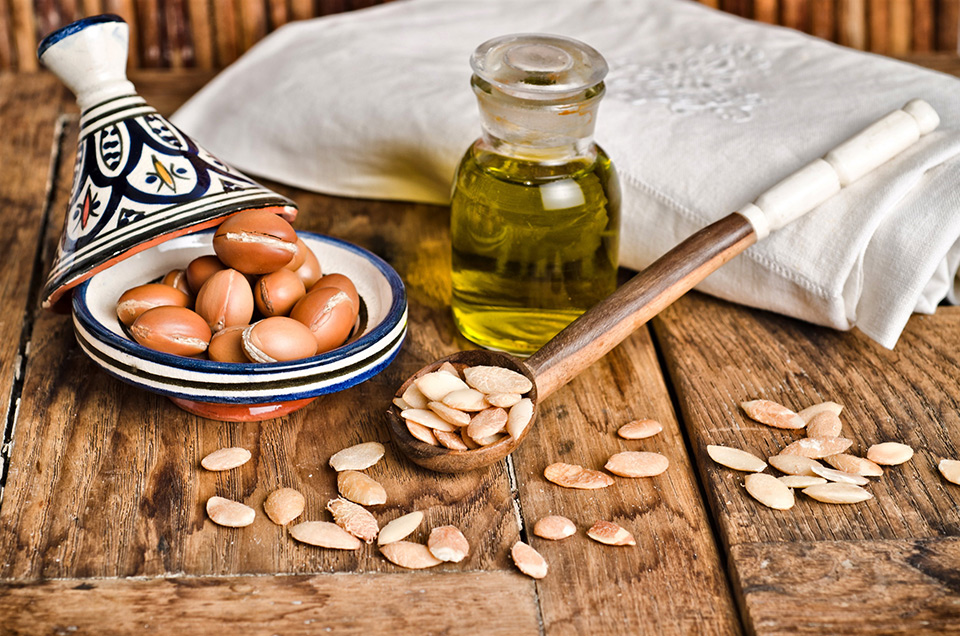
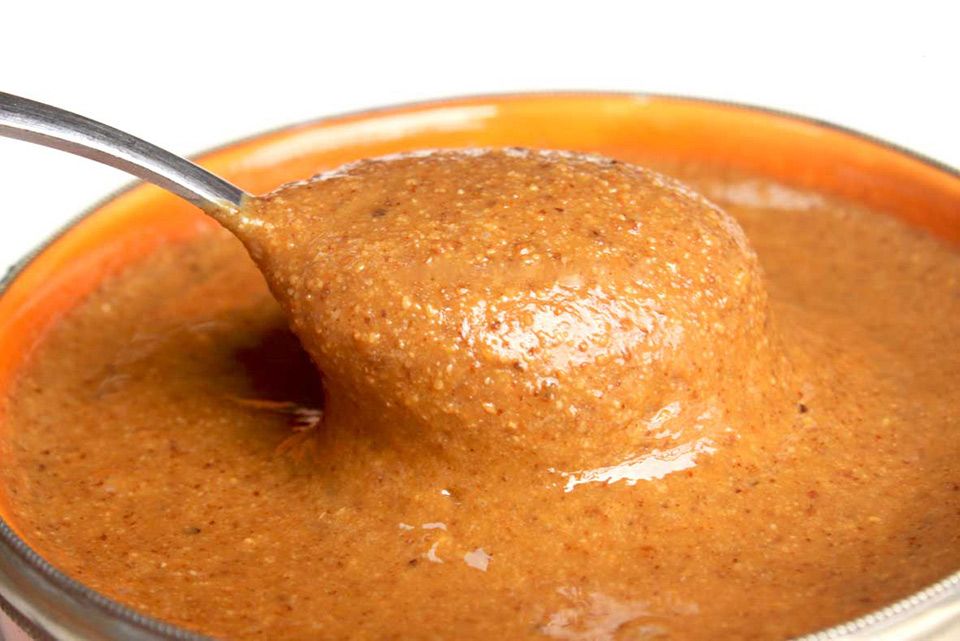
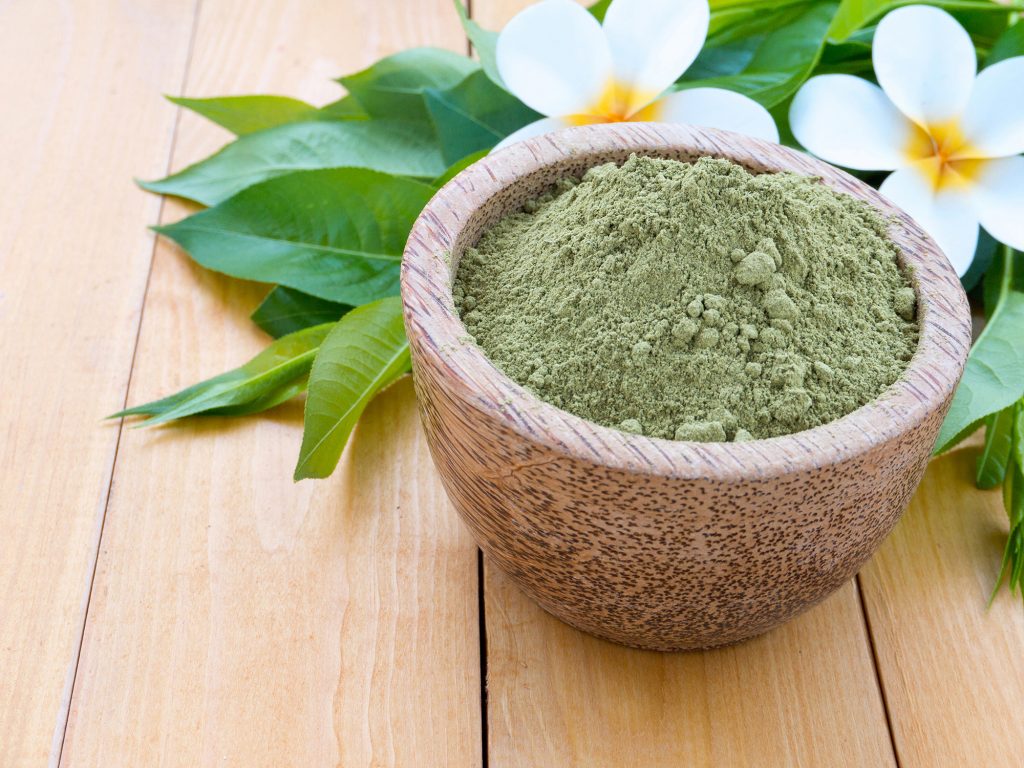
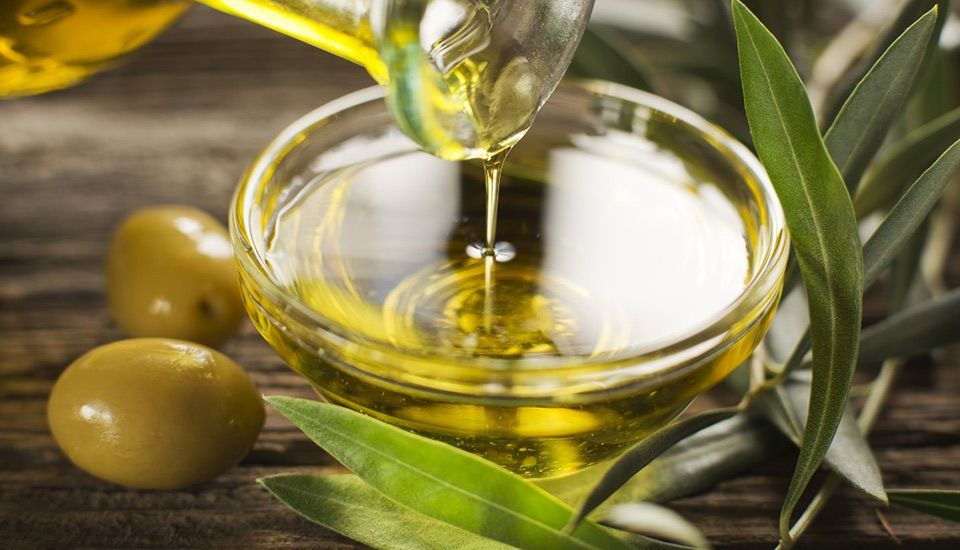
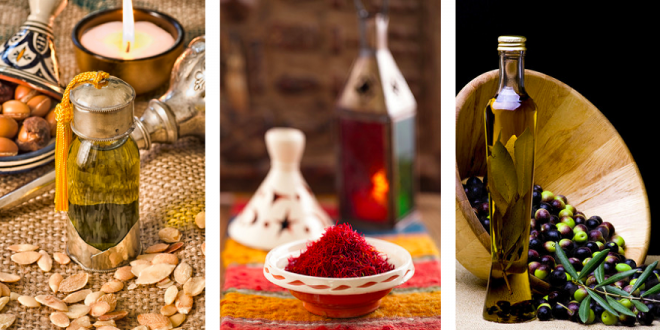
Lebsis (also written Lbesis or Bssisse) is a dense, fragrant paste. Primarily, it combines three core ingredients: roasted barley flour, cold-pressed Argan oil, and natural honey. Additionally, some families add toasted sesame seeds or a pinch of anise. The roasting process gives the barley a deep, smoky nuttiness. Furthermore, Argan oil contributes a distinctive earthy richness. Together, these ingredients create a flavor profile that is bold, sweet, and deeply satisfying. Consequently, food lovers around the world now seek out this remarkable Moroccan energy paste.
The Souss region and the Western High Atlas shaped Lebsis profoundly. Specifically, Amazigh women in these areas have crafted this paste for centuries. Furthermore, the High Atlas mountain communities relied on Lebsis as a high-energy staple. Consequently, shepherds carried small pots of it during long transhumance journeys. In addition, new mothers traditionally received Lebsis during their postpartum recovery period. Indeed, the paste provided essential calories, healthy fats, and natural sugars. Therefore, Lebsis represents far more than food — it embodies Amazigh resilience and feminine wisdom.
Today, the Lebsis dish in Morocco still thrives across Souss-Massa villages. Moreover, local cooperatives of Amazigh women continue to produce it using traditional stone mills. Additionally, the revival of Argan oil globally has renewed international interest in Lebsis. However, authentic village-made Lebsis remains the most prized version. Specifically, the hand-ground barley flour gives it a coarser, more satisfying texture. Furthermore, visiting these communities offers a deeply immersive cultural experience. Explore authentic Souss food culture and rural traditions at Planifiez dès aujourd’hui votre voyage à la découverte de leur univers avec Visit Rural Morocco..
Making the Lebsis dish in Morocco follows a deeply intentional process. First, women roast raw barley grains slowly over a wood fire. Subsequently, they grind the roasted barley into a fine, fragrant flour. Next, they combine the flour with culinary Argan oil and raw honey. Additionally, the ratio of each ingredient reflects the maker’s personal family tradition. Consequently, no two batches of Lebsis taste exactly identical. Furthermore, the quality of the Argan oil defines the paste’s character entirely.
Discover the remarkable health benefits of Argan oil — the liquid gold that powers this recipe.
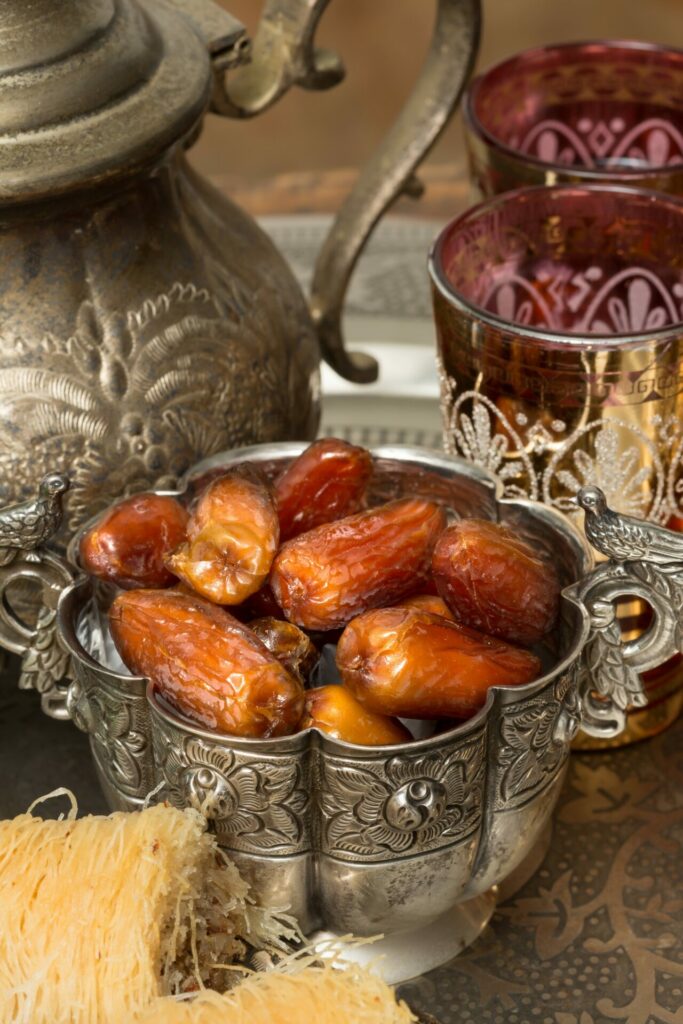
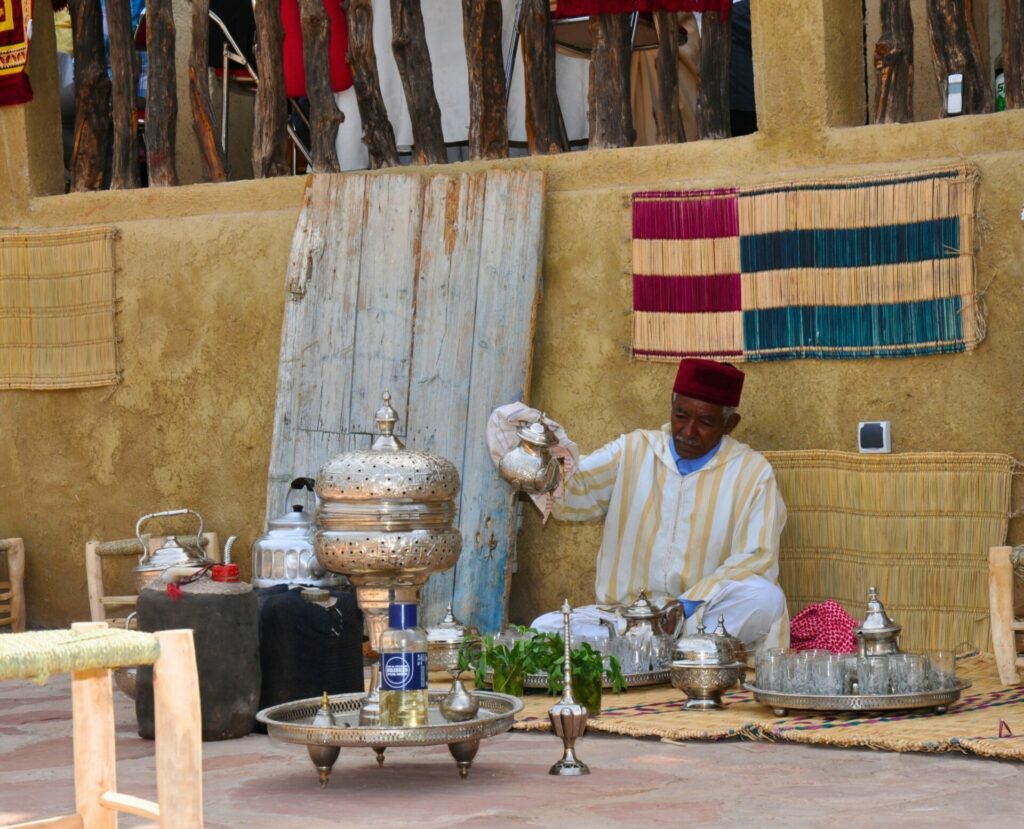
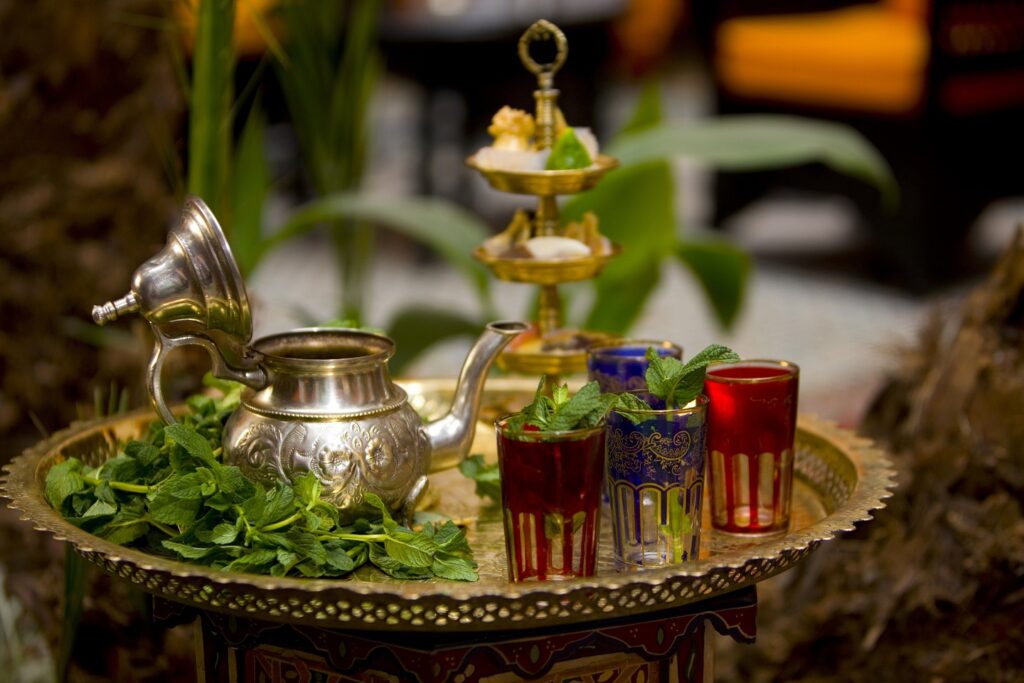
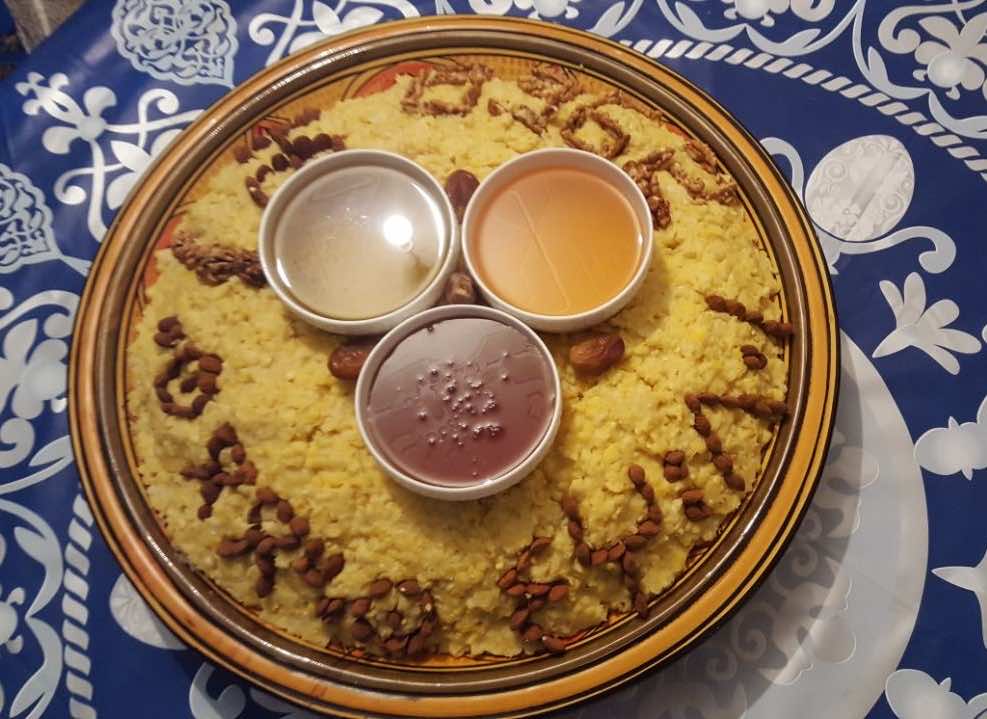
Serving Lebsis is never casual in the Souss. Specifically, hosts present the paste alongside a steaming pot of Moroccan mint tea. Furthermore, guests receive a small spoon and fresh bread for scooping. Consequently, the combination of sweet paste and bitter tea creates a perfect balance. Moreover, sharing Lebsis signals hospitality, trust, and deep respect for guests. Additionally, this ritual mirrors the broader Moroccan tea ceremony in its warmth and intention. Therefore, eating Lebsis is genuinely an act of cultural exchange.
Many visitors compare the Lebsis dish in Morocco to Sellou, another beloved Moroccan sweet paste. Specifically, both dishes use roasted flour, honey, and fat as their base. Furthermore, Sellou often includes almonds, sesame, and anise for added complexity. However, Sellou belongs primarily to northern Moroccan celebration cuisine. Conversely, Lebsis is the everyday food of the Souss — simpler, rawer, and more primal. Additionally, Argan oil replaces butter entirely in Lebsis, giving it a uniquely southern identity. Consequently, Lebsis connects directly to the Amazigh landscape and Argan tree culture. Therefore, while Sellou is festive, Lebsis is soulful.
Fortunately, making Lebsis at home is surprisingly straightforward. Simply combine roasted barley flour, Argan oil, and honey in equal parts. Additionally, adjust the honey level to match your preferred sweetness. Furthermore, store the paste in a sealed jar for up to two weeks. Consequently, you can enjoy Lebsis as a breakfast spread or an afternoon energy boost. Moreover, spreading it on warm flatbread makes for an extraordinary snack. Specifically, pairing it with Moroccan mint tea delivers the most authentic experience.
Seeking out genuine Lebsis means heading south. Specifically, the markets of Taroudant, Tiznit, and Chtouka Aït Baha offer authentic village versions. Furthermore, women’s cooperatives in the region sell Lebsis alongside Argan oil products. Additionally, rural guesthouses across the Souss-Massa frequently serve it at breakfast. Consequently, no trip to this region is complete without tasting this ancient paste. Moreover, buying directly from cooperatives supports local Amazigh women’s livelihoods. Therefore, your Lebsis purchase becomes an act of sustainable tourism.
Les Lebsis dish in Morocco is a masterpiece of simplicity and cultural depth. Furthermore, its three humble ingredients — barley, Argan oil, and honey — produce something extraordinary. Specifically, every spoonful connects you to the Amazigh women, mountain landscapes, and ancient traditions of the Souss. Consequently, this Moroccan energy paste deserves a place on the global food map. Therefore, seek it out, taste it slowly, and share its story. Moreover, if you plan to explore the Souss-Massa region, Planifiez dès aujourd’hui votre voyage à la découverte de leur univers avec Visit Rural Morocco. is your essential starting point.
Aucun résultat ne correspond à votre recherche