


Nestled in the heart of Morocco, Taroudannt is a city that embodies the rich history and cultural heritage of the region. Known as the ‘Granddaughter of Marrakech,’ this walled city is a treasure trove of vibrant colors, enticing aromas, and captivating stories.
As you wander through its ancient walls and explore the bustling medina, you’ll discover a city that is steeped in tradition and full of life. From the stunning architecture to the local cuisine, Taroudant Morocco offers a unique and unforgettable experience for travelers.
Taroudant, often referred to as ‘Little Marrakech,’ is a charming walled city that offers an authentic Moroccan experience without the crowds. Nestled in the Souss Valley, this historic city is surrounded by the majestic Atlas Mountains, making it a picturesque destination for travelers.
Taroudant is a treasure trove of Moroccan culture and history, boasting impressive city walls and ramparts that date back centuries. The city’s tranquil atmosphere, coupled with its rich heritage, makes it an ideal destination for those seeking a genuine Moroccan experience. Unlike Marrakech, Taroudant offers a more relaxed pace, allowing visitors to truly immerse themselves in local traditions.
Taroudant’s nickname, “Little Marrakech,” is attributed to its architectural similarities with the vibrant city of Marrakech. However, Taroudant remains relatively undiscovered, providing a more intimate and peaceful experience for travelers. The city’s historic medina and souks are filled with local artisans, spices, and handicrafts, offering a glimpse into Morocco’s rich cultural tapestry.
Travelers to Taroudant can expect to be enchanted by the city’s unique blend of Arab and Berber influences. From the vibrant markets to the serene countryside, Taroudant offers a diverse range of experiences that cater to all interests. Whether you’re interested in history, culture, or simply enjoying the local cuisine, Taroudant is a must-visit destination on any Morocco travel itinerary.
For those planning a visit, Taroudant provides a comprehensive Taroudant travel guide experience, with its well-preserved historic sites and welcoming locals. As part of Taroudant Morocco tourism, the city is committed to providing visitors with an authentic and memorable experience.
The city walls of Taroudant are not just a relic of the past but a living, breathing part of the city’s identity. These ancient fortifications have witnessed the rise and fall of civilizations, and today, they stand as a testament to the city’s rich history and architectural prowess.
Taroudant’s city walls stretch for six kilometers, offering visitors a unique opportunity to step back in time and explore the city’s historic defenses. The ramparts provide a fascinating glimpse into the city’s past, with their robust construction and strategic design.
The history behind Taroudant’s city walls is as fascinating as it is complex. Built to protect the city from invaders, these walls have been fortified and modified over the centuries.
The construction of Taroudant’s ramparts is a testament to the ingenuity and skill of the craftsmen who built them. Using local materials and traditional techniques, the walls were designed to withstand sieges and attacks.
The city walls of Taroudant are not only an architectural marvel but also hold significant historical value. Efforts have been made to preserve these ancient structures for future generations.
One of the best ways to experience Taroudant’s city walls is by walking or cycling along their length. This allows visitors to appreciate the walls’ grandeur and take in the panoramic views of the surrounding countryside.
The city walls offer numerous photography opportunities, with stunning views of the Souss Valley and the surrounding mountains. Visitors can capture the beauty of the walls themselves, as well as the vibrant life within the city.
Watching the sunset from the city walls is a truly unforgettable experience. The golden light casts a warm glow over the ancient stones, creating a magical atmosphere.
| Activity | Best Time | Tips |
|---|---|---|
| Walking/Cycling Along the Walls | Early Morning or Late Afternoon | Bring water and wear comfortable shoes |
| Photographie | Golden Hour (Sunset) | Use a tripod for stable shots |
| Visiting the Ramparts | A tout moment | Be respectful of local customs and traditions |
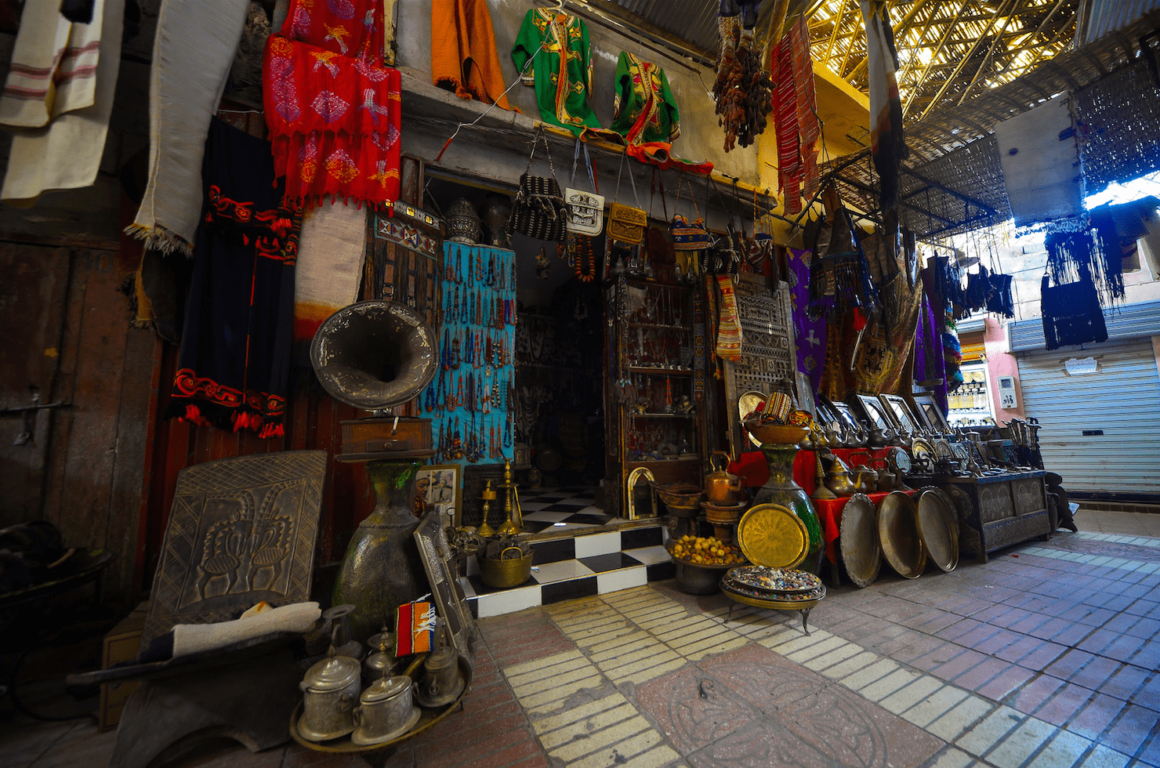
As you step into Taroudant’s medina, you’re immediately immersed in a world of colorful souks and traditional craftsmanship. The medina is the heart of Taroudant, pulsating with life and filled with an array of goods that reflect the rich cultural heritage of Morocco.
Navigating Taroudant’s medina can be a thrilling adventure. The narrow alleys and bustling streets are lined with various souks, each specializing in different goods. Visitors can easily get lost in the maze of alleys, discovering unique treasures along the way.
The Arab Souk in Taroudant is a hub for local commerce and culture. Here, you can find a variety of goods that showcase the craftsmanship of local artisans.
Berber silver jewelry is a highlight of the Arab Souk, with intricate designs that reflect the rich cultural heritage of the Berber people. Visitors can also find other handcrafted treasures, including traditional clothing and accessories.
Argan oil products are another popular item in the Arab Souk. From natural cosmetics to edible argan oil, these products are renowned for their quality and are a great way to take a piece of Morocco back home.
The Arab Souk is also home to numerous local artisans who specialize in traditional handicrafts. Visitors can observe the craftsmanship firsthand and purchase unique, handmade items.
The Berber Souk offers a journey through Moroccan traditions, with a focus on goods that are integral to Berber culture.
Spices and herbs are a significant part of the Berber Souk, offering visitors the opportunity to sample and purchase local culinary delights. From aromatic spices to fragrant herbs, the souk is a sensory experience.
Leather goods and traditional textiles are also prominent in the Berber Souk. Visitors can find beautifully crafted leather items and traditional clothing that reflect the rich textile heritage of Morocco.
Shopping in Taroudant’s souks requires some knowledge of local customs and bargaining etiquette. Here are some tips to make the most of your shopping experience:
Understanding these customs can enhance your shopping experience and lead to more enjoyable interactions with local vendors.
| Souk | Specialty | Notable Items |
|---|---|---|
| Arab Souk | Local commerce and culture | Berber silver jewelry, argan oil products |
| Berber Souk | Les traditions marocaines | Spices, leather goods, traditional textiles |
“The souks of Taroudant are a testament to the city’s rich cultural heritage and its position as a hub of traditional craftsmanship in Morocco.”
A traveler’s account
At the heart of Taroudant lies Place Assarag, a vibrant main square that embodies the spirit of this enchanting Moroccan city. This bustling hub is where locals and visitors alike gather to experience the authentic charm of Taroudant.
Place Assarag serves as the cultural heart of Taroudant, hosting various events and activities that reflect the city’s rich heritage. It’s a place where tradition and modernity blend seamlessly, creating a unique atmosphere that is quintessentially Moroccan.
The square is surrounded by numerous cafes and restaurants that offer a range of dining experiences. Visitors can enjoy traditional Moroccan cuisine, including local specialties and street food, in a lively atmosphere.
One of the quintessential Moroccan experiences is sipping on traditional mint tea at one of the many cafes around Place Assarag. This refreshing beverage is an integral part of Moroccan culture, and enjoying it in the square provides a glimpse into local life.
The area around Place Assarag is renowned for its delicious local cuisine and street food. Visitors can sample a variety of dishes, from traditional tagines to freshly baked bread and pastries.
Place Assarag offers a unique opportunity to witness daily life in Taroudant. From morning markets to afternoon gatherings and evening social activities, the square is always bustling with people.
In the morning, the square comes alive with markets selling fresh produce and local goods. As the day progresses, it becomes a gathering point for locals and visitors to socialize and relax.
As evening falls, Place Assarag takes on a different charm, with cafes and restaurants filling with people enjoying dinner and drinks. It’s a great time to soak up the local atmosphere and enjoy the company of others.
| Time of Day | Expériences | Atmosphere |
|---|---|---|
| Morning | Markets, Shopping | Bustling, Energetic |
| Afternoon | Gatherings, Relaxation | Calm, Social |
| Soirée | Dining, Socializing | Lively, Festive |
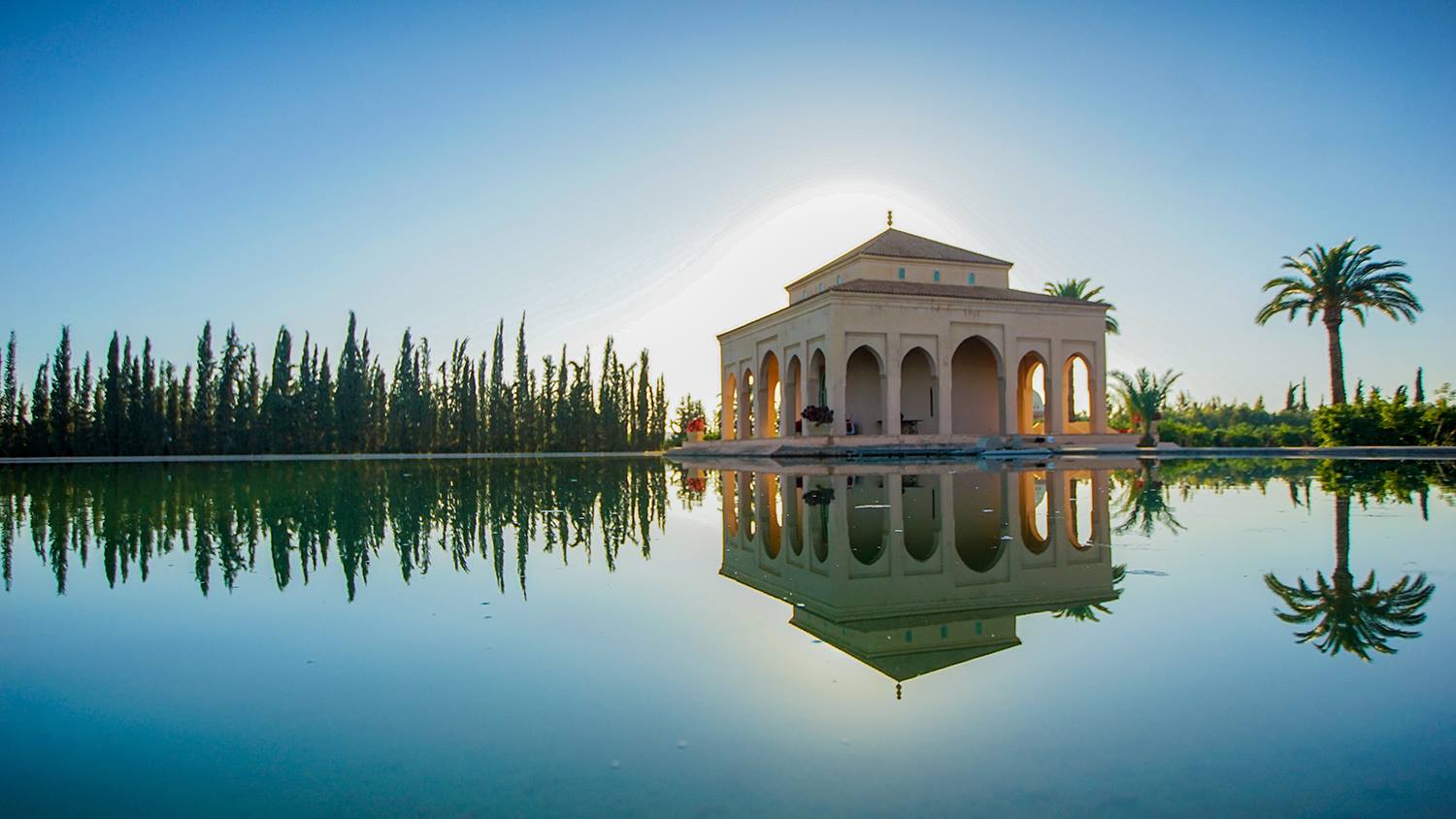
The Claudio Bravo Palace in Taroudant is a significant cultural landmark that showcases the city’s historical depth and artistic flair. This palace, named after the renowned Chilean artist Claudio Bravo, is a masterpiece that blends Moroccan craftsmanship with the artist’s unique style.
Claudio Bravo, a celebrated hyperrealist painter, had a profound connection with Morocco, which inspired much of his work. The palace in Taroudant reflects his love for Moroccan culture and his contribution to the preservation of its heritage. The palace is not only a testament to Bravo’s artistic legacy but also a symbol of the cultural exchange between Morocco and the world.
The architecture of the Claudio Bravo Palace is a stunning representation of Moroccan design, characterized by intricate tile work, carved wood, and beautifully landscaped gardens. The palace’s design is a blend of traditional Moroccan elements with modern touches, creating a unique and captivating aesthetic.
The palace is adorned with exquisite examples of Moroccan craftsmanship, including zellij tile work, intricate plasterwork, and hand-carved cedar wood. These artistic details not only reflect the skill of local artisans but also add to the palace’s grandeur and beauty.
The serene gardens and interior courtyards of the Claudio Bravo Palace provide a tranquil oasis, perfect for relaxation and contemplation. The lush greenery and traditional Moroccan fountains create a soothing ambiance, enhancing the overall experience of visiting the palace.
Beyond the Claudio Bravo Palace, Taroudant is home to numerous other historical sites and buildings that are worth exploring. These include ancient kasbahs, traditional riads, and historic mosques, each offering a glimpse into the city’s rich cultural heritage.
The ancient kasbah structures in and around Taroudant are testaments to the region’s historical significance. These fortified buildings, with their robust architecture and strategic locations, played crucial roles in the region’s defense and governance.
Taroudant’s cultural heritage is also reflected in its Berber architecture, characterized by earth-built structures and traditional designs. The city’s historic quarters are filled with examples of this architecture, which continues to influence local building practices today.
Visitors to Taroudant can experience the ancient craft of leather production in its traditional tanneries. The traditional tanneries of Taroudant are a significant part of the city’s historical and cultural heritage, offering insights into centuries-old leather-making techniques.
The tanneries in Taroudant are a marvel of traditional craftsmanship, where artisans continue to practice methods passed down through generations. Observing the tanners at work provides a unique glimpse into a craft that has remained largely unchanged for centuries.
Les traditional tanning process in Taroudant involves several stages, from preparing the hides to treating them with natural dyes. Understanding this process highlights the skill and craftsmanship involved in producing high-quality leather goods.
The use of natural dyes is a hallmark of Taroudant’s leather production. Artisans use a variety of natural substances, including pomegranate rinds and poppy flowers, to create a range of colors. This traditional method not only produces unique hues but also ensures the leather is of high quality.
The tanneries play a vital role in Taroudant’s local economy, providing employment and supporting local artisans. By visiting the tanneries, tourists contribute to the local economy and help preserve traditional crafts.
When visiting the tanneries, it’s essential to be prepared for the sights and smells associated with leather production. Wearing comfortable shoes and being respectful of the artisans and their work is also recommended.
The best time to visit the tanneries is early in the morning when the artisans are most active. This allows visitors to see the tanning process in action and interact with the craftsmen.
Visitors can purchase authentic leather goods directly from the workshops or local souks. Shopping for leather products not only provides a unique souvenir but also supports local artisans.
| Product | Description | Price Range |
|---|---|---|
| Leather Handbags | Crafted from high-quality leather using traditional techniques | $50-$100 |
| Leather Belts | Durable and stylish, made with natural dyes | $20-$50 |
| Leather Wallets | Compact and functional, ideal for everyday use | $30-$70 |
By engaging with local craftsmen and purchasing their products, visitors can make a positive impact on the local community. Supporting these artisans helps preserve traditional crafts and contributes to the local economy.
To experience the best of Taroudant, it’s crucial to be well-prepared with the right travel information. Whether you’re looking for a relaxing getaway or an adventure-filled trip, understanding the logistics of your visit can make all the difference.
Taroudant is accessible from several major cities in Morocco. For those traveling from afar, understanding the transportation options is key.
Agadir is one of the closest major cities to Taroudant, making it an ideal starting point for a day trip. The drive is approximately 75 kilometers and takes about an hour. Private transfers and guided tours are readily available, offering a convenient way to explore Taroudant without the hassle of driving.
For those based in Marrakech, Taroudant makes for a great excursion. The journey is about 240 kilometers and takes around 4 hours by car. visites guidées are a popular option, as they often include stops at other attractions along the way, enriching the overall experience.
Once in Taroudant, getting around is relatively straightforward. Walking is a great way to explore the city, especially within the Medina. For longer distances or when preferring not to walk, local taxis are available.
Taroudant offers a range of accommodations to suit various budgets and preferences. From traditional riads to budget-friendly hotels, visitors can choose based on their needs.
For an authentic experience, consider staying in a traditional riad or guesthouse. These establishments often feature local architecture and decor, providing a unique insight into Taroudant’s culture.
For those on a tighter budget, there are affordable hotels and guesthouses available. These options provide comfort and convenience without breaking the bank.
Taroudant is renowned for its culinary delights, with a variety of dining options to suit every taste. From traditional Moroccan cuisine to local eateries, there’s something for everyone.
Be sure to try some of the local specialties, such as tagines et vos couscous. Restaurants serving traditional Moroccan cuisine are plentiful, offering a delicious taste of the region’s culinary heritage.
For a more immersive experience, consider joining a food tour or culinary class. These activities provide a chance to learn about local cooking techniques and sample a variety of dishes.
As emphasized by a local chef, “Taroudant’s cuisine is a reflection of its rich history and cultural diversity. Visitors can enjoy a wide range of flavors and dishes that are sure to leave a lasting impression.”
“The culinary experience in Taroudant is not just about the food; it’s about the culture, the people, and the traditions that come together to create a truly unique dining experience.”

Making the most of your Taroudant adventure requires some insider knowledge. With its rich history, vibrant culture, and stunning landscapes, Taroudant is a destination that rewards careful planning and an open mind.
Taroudant’s compact medina makes it easy to explore on foot. Here are some recommended itineraries to help you make the most of your visit:
Understanding the best time to visit Taroudant can significantly enhance your experience. The city enjoys a pleasant climate year-round, but there are seasonal considerations to keep in mind.
Les best time to visit Taroudant is during spring (March to May) and autumn (September to November), when the weather is mild and pleasant. Summers can be hot, while winters are generally mild but can be cool in the mornings and evenings.
Taroudant hosts various cultural events and festivals throughout the year. Planning your visit around these events can add a unique dimension to your experience. Check local calendars for events like the Taroudant Festival, which celebrates traditional music and arts.
Taroudant offers a range of accommodation options to suit different budgets. Eating out is generally affordable, with delicious local cuisine available at reasonable prices. Budget accordingly for souk shopping and any additional activities or tours.
Being mindful of local customs and cultural etiquette can greatly enhance your experience in Taroudant.
Dress modestly, covering your shoulders and knees, especially when visiting mosques or rural areas. Respect local traditions and customs, particularly during meal times and when interacting with locals.
Always ask permission before photographing people, especially in rural areas or during cultural events. Be respectful of private property and any areas where photography may be restricted.
Taroudant is an ideal base for exploring the Souss Valley and surrounding areas.
The Souss Valley offers stunning landscapes, traditional Berber villages, and opportunities for hiking and birdwatching. Consider a day trip to explore the valley’s natural beauty and cultural heritage.
For those interested in nature and adventure, the Atlas Mountains are within easy reach. Take a guided tour to explore the mountains, visit traditional villages, and enjoy breathtaking views.
Taroudant, Morocco’s enchanting walled city, is a must-visit destination for any traveler. With its rich history, vibrant culture, and breathtaking architecture, Taroudant is a perfect blend of traditional and modern Morocco. As outlined in this taroudant morocco guide, the city’s top 5 attractions offer a unique experience that will leave you wanting more.
From the majestic city walls and ancient ramparts to the vibrant Medina and traditional souks, Taroudant is a city that will captivate your senses. Whether you’re looking to explore taroudant on foot or by bike, the city’s compact size and welcoming atmosphere make it an ideal taroudant destination for travelers of all ages.
As you plan your visit to Taroudant, be sure to check out our taroudant tourism guide for insider tips on the best times to visit, where to eat, and how to make the most of your stay. With its warm hospitality and rich cultural heritage, Taroudant is sure to leave a lasting impression on your Moroccan adventure.
Les best time to visit Taroudant is during the spring (March to May) and autumn (September to November) when the weather is mild and pleasant, making it ideal for exploring the city and its surroundings.
To get to Taroudant from Agadir, you can take a bus or a grand taxi. The journey typically takes about an hour, depending on traffic. You can also consider renting a car or booking a private transfer or guided tour.
Taroudant is known for its traditional Moroccan cuisine. Be sure to try local dishes such as tagine, couscous, and pastilla. Don’t forget to sample some of the local street food and fresh produce available in the markets.
Yes, you can visit the traditional tanneries in Taroudant. The tanneries are a significant part of the city’s heritage, and visiting them provides insight into the traditional leather-making process. Be prepared for the strong smells and vibrant colors.
Place Assarag is the main square of Taroudant and serves as the heart of the city’s social and cultural life. It’s a great place to experience local traditions, enjoy traditional Moroccan mint tea, and observe daily life in Taroudant.
Yes, there are guided tours available in Taroudant. These tours can range from half-day city tours to full-day excursions that include nearby attractions. Guided tours can provide valuable insights into the city’s history, culture, and hidden gems.
When visiting Taroudant, it’s advisable to dress modestly, covering your shoulders and knees as a sign of respect for local customs. Comfortable walking shoes are also recommended, as you’ll likely be exploring the city’s medina and souks on foot.
Yes, haggling is a common practice in the souks of Taroudant. Be prepared to negotiate prices, and don’t be afraid to walk away if you’re not satisfied with the price. It’s all part of the local shopping culture.
Taroudant hosts various cultural events and festivals throughout the year, including traditional music and dance performances, and local fairs. The exact dates can vary, so it’s a good idea to check the local calendar before your visit.
You can support local artisans in Taroudant by purchasing their handmade crafts, such as Berber silver jewelry, traditional textiles, and leather goods. Visiting local workshops and tanneries also helps support the local economy.


