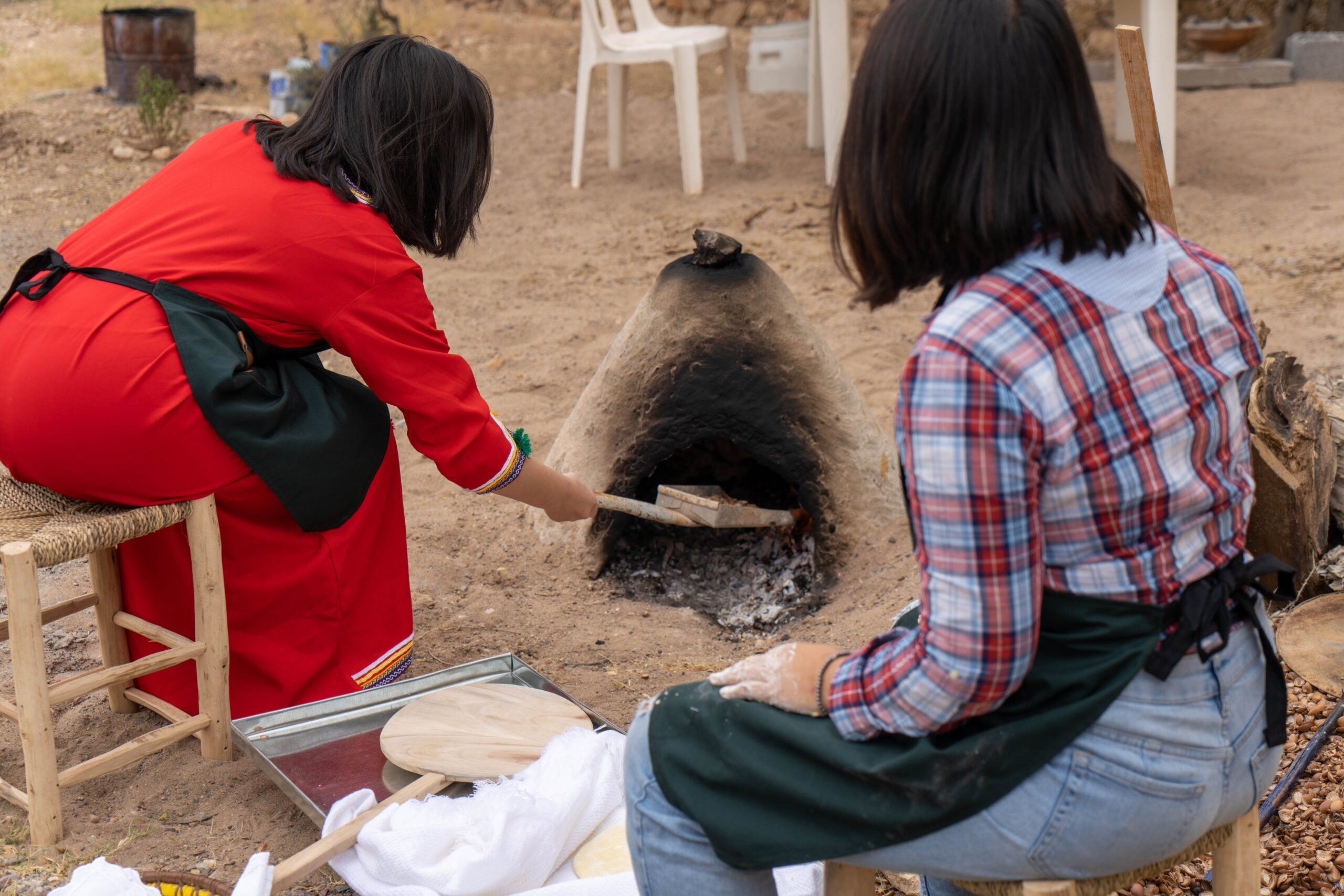
In southern Morocco, bread is more than a staple food. It is part of everyday life, a symbol of hospitality and a tradition passed down through generations. Among the region’s culinary specialities, Tafarnout bread holds a special place. Known for its traditional preparation and connection to Amazigh food culture, it offers a delicious way to discover the heritage of rural Morocco.
For travellers exploring the Souss-Massa region, discovering Tafarnout is also an invitation to experience Moroccan culture beyond the usual tourist attractions.
Tafarnout is a traditional bread associated with the Amazigh communities of southern Morocco, particularly the Souss region. It is valued for its simple ingredients, distinctive texture and traditional cooking methods.
Prepared using basic ingredients such as flour, water, salt and yeast, the dough is shaped by hand before being cooked using traditional techniques. Preparation methods can vary between communities and households, reflecting local customs and available equipment.
The result is a rustic bread that pairs beautifully with a variety of Moroccan dishes. It can be enjoyed with olive oil, amlou, honey or traditional tagines.
More than a local speciality, Tafarnout reflects the close relationship between food, land and community in southern Morocco.
Traditional bread-making has long been an important part of rural Moroccan life. Recipes and techniques are shared between generations, helping preserve culinary knowledge and cultural identity.
In many communities, preparing bread involves more than mixing ingredients and cooking dough. It is a moment connected to family routines, hospitality and the sharing of food.
Tafarnout is part of this living heritage. Its preparation reflects the resourcefulness and practical knowledge developed over generations.
Although modern lifestyles have changed how people prepare and consume bread, traditional methods continue to hold cultural value. They offer a connection to local history and provide a way for younger generations and visitors to discover the food traditions of southern Morocco.
The preparation of Tafarnout begins with a simple dough made from flour, water, salt and, depending on the recipe, yeast. The ingredients are combined and kneaded until the dough reaches the desired consistency.
After resting and rising when the recipe requires it, the dough is shaped by hand. The bread is then cooked using a traditional method suited to the local oven or cooking surface.
The precise techniques can differ from one area to another. This variation is part of what makes traditional Moroccan food so interesting: even familiar ingredients can produce distinctive regional specialities.
Watching the process reveals the importance of experience, timing and touch. From preparing the dough to judging when the bread is ready, each step demonstrates skills developed through practice.
Bread plays an essential role in Moroccan cuisine. It accompanies meals, helps bring people together around the table and is often shared among family and guests.
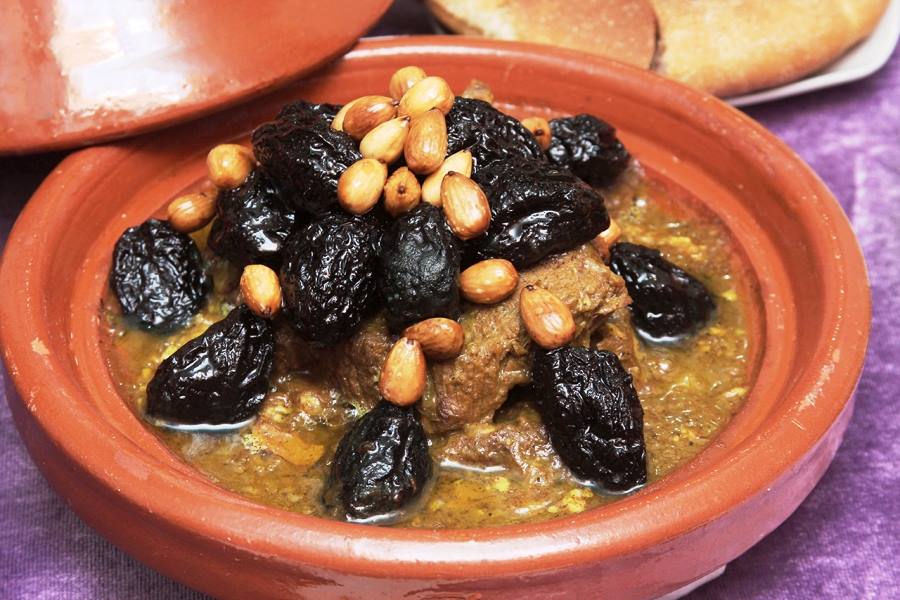
Tafarnout can be served alongside traditional dishes, including tagines, or enjoyed with olive oil, honey and other local products. In the Souss region, it also pairs naturally with amlou, a traditional spread commonly prepared with almonds, argan oil and honey.
These simple combinations highlight the flavours of local ingredients and the importance of sharing food in Moroccan hospitality.
For visitors, tasting Tafarnout is a way to discover regional cuisine through one of its most familiar and meaningful foods.
Tasting a local speciality is one way to discover a destination. Learning how to prepare it offers a deeper connection to its culture.
A traditional Moroccan bread-making workshop allows visitors to take part in the process, from handling the dough to discovering local cooking techniques. It is an opportunity to learn directly from local hosts, ask questions and understand how culinary traditions are maintained in everyday life.
Depending on the experience, visitors may also enjoy Moroccan mint tea and local products as part of the welcome.
These hands-on activities are especially rewarding for travellers interested in food, cultural heritage and encounters with rural communities. They create a more personal experience than simply visiting a restaurant or buying a local speciality.
The Souss-Massa region is an excellent place to explore traditional Amazigh food culture. Around Agadir and the surrounding rural areas, visitors can discover local ingredients, traditional recipes and culinary practices rooted in the region’s heritage.
Taking part in a bread-making experience can be a meaningful addition to a trip through southern Morocco. It offers a glimpse into local life while creating opportunities to meet the people who keep these traditions alive.
Whether you are travelling independently, with family or as part of a group, exploring traditional bread-making is a memorable way to connect with the region.
Tafarnout bread tells a story of simplicity, craftsmanship and cultural continuity. Its ingredients may be humble, but the traditions surrounding its preparation reveal the richness of Moroccan food heritage.
For travellers seeking authentic experiences, discovering how this traditional bread is made offers more than a culinary activity. It is an opportunity to learn, share and appreciate the knowledge that shapes everyday life in southern Morocco.
Explore traditional bread-making experiences in the Souss-Massa region and discover the people, flavours and customs that make rural Morocco unique.
There are no results matching your search