
Taznakht rugs represent one of Morocco’s most treasured artisan traditions. Specifically, they originate from the High Atlas and Anti-Atlas mountain region. Moreover, the Ouaouzguit Amazigh tribe has woven them for generations with remarkable skill. Consequently, each rug carries deep cultural and spiritual meaning. Furthermore, their bold geometric patterns and natural dyes set them apart globally. Taznakht rugs are far more than floor coverings — they are living stories.
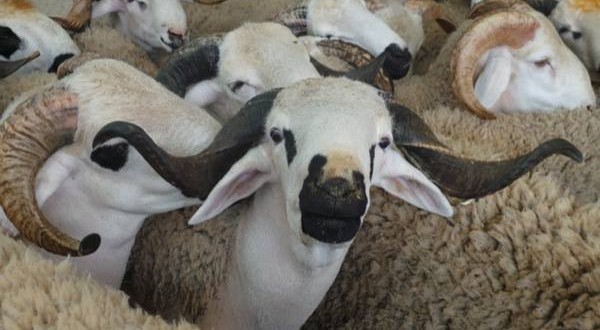
The quality of Taznakht rugs begins with exceptional raw material. Specifically, artisans use wool sourced from the Siroua mountain sheep. Moreover, this high-altitude wool is extraordinarily soft and naturally lustrous. Consequently, finished rugs develop a distinctive silk-like texture over time. Additionally, local women hand-spin the wool using traditional wooden spindles. Furthermore, this process preserves a centuries-old technique that machines cannot replicate. Therefore, every thread carries the touch and intention of its maker. The result is a textile of rare warmth and durability.
For a deeper look at the craft, explore this expert guide to Taznakht rugs.
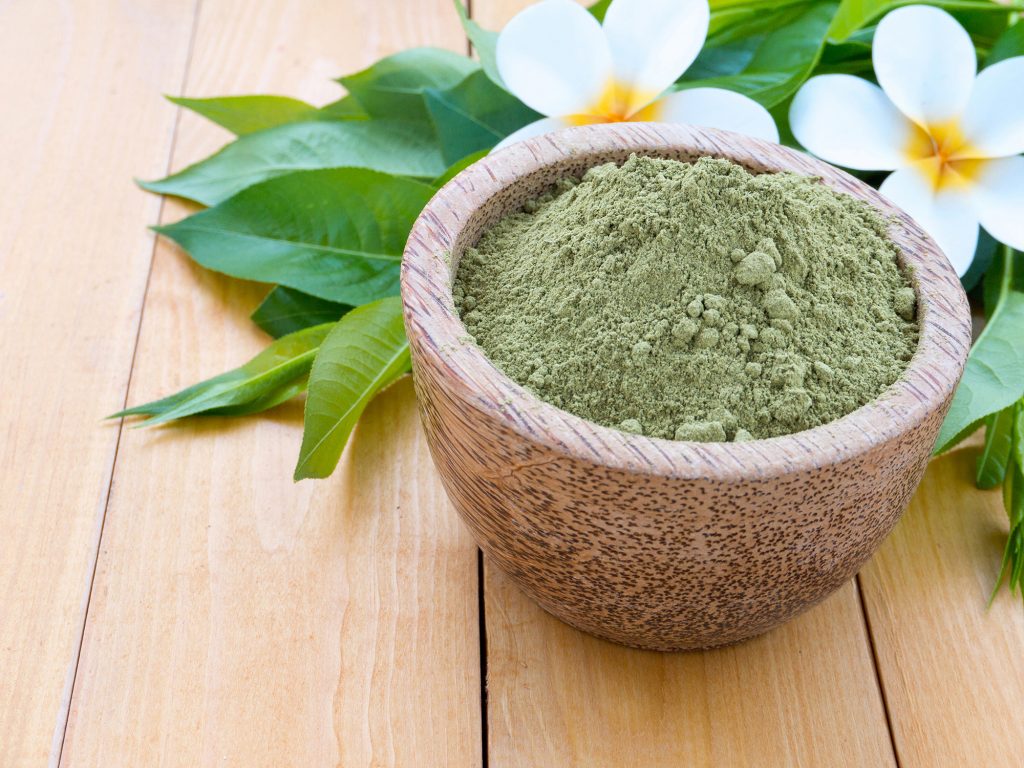
Colour in Taznakht rugs comes entirely from nature. Specifically, weavers use saffron to create rich, luminous golden yellows. Moreover, henna yields warm earthy tones with deep cultural resonance. Additionally, pomegranate rinds produce subtle oranges and antique reds. Consequently, no two rugs ever share an identical palette. Furthermore, the geometric patterns woven into each piece carry Amazigh symbolic meaning. Specifically, diamonds, zigzags, and lozenges represent fertility, protection, and tribal identity. Therefore, every rug functions as both art and ancestral message.
Curious to experience Amazigh craft culture firsthand? Discover authentic rural Morocco here.
Taznakht rugs stand among the world’s most meaningful handmade textiles. Moreover, their Siroua wool, natural saffron dyes, and Amazigh symbolism are genuinely irreplaceable. Consequently, owning one means holding a piece of living Moroccan heritage. Therefore, seek out authentic Taznakht rugs and support the women who weave them. This is craftsmanship worth celebrating — and preserving.
Aucun résultat ne correspond à votre recherche