
Zaouïas and Koranic schools in Morocco have long served as the spiritual and intellectual backbone of the nation, but nowhere is their influence more palpable than in the Souss region and the Western High Atlas. In these rugged landscapes, the “Madrasa At-Tiqa’iya” remains a living institution preserving the unique Amazigh-Islamic identity.
We explore how Souss and High Atlas zaouïas and Koranic schools remain essential, living pillars of Morocco’s rich cultural heritage.
Historically known as “Souss Al-Alima,” the Souss region—specifically Taroudant and Chtouka-Ait Baha is celebrated as Morocco’s premier center of traditional learning. This title is a testament to the density of zaouïas and koranic schools in Morocco found in this southern territory. Since the Saadian era, these institutions have acted as autonomous universities, providing free education, lodging, and spiritual guidance to thousands of students (Tolba).
In the high-altitude villages of the Western High Atlas, the Zaouïa often serves as the only center for social arbitration. These schools were built like fortresses, protecting sacred manuscripts and providing a sanctuary for learning during turbulent historical periods. The connection between the mountain scholar and the rural farmer created a unique social contract that still exists today.
The pedagogical approach found within the traditional schools and zaouïas of the Souss-Massa region is renowned for its rigor. While many urban centers transitioned quickly to modern systems, the Souss has preserved a “scientific” traditional curriculum that is highly respected across the Muslim world.
At the primary level, students focus on the Hifz (memorization). However, once they reach the advanced schools in Souss, the curriculum expands significantly. Students master the Alfiyya of Ibn Malik (grammar), Al-Murshid al-Mu’in (jurisprudence), and complex mathematical calculations used for inheritance law.
In the Western High Atlas, students still gather in a Halqa. They meticulously write on traditional wooden tablets. This tactile method is a signature of zaouïas and koranic schools in Morocco. It ensures knowledge is “etched” into the mind. For preservation details, the Ministry of Habous and Islamic Affairs provides extensive resources on the rehabilitation of traditional rural schools.
La zaouïas and koranic schools in Morocco are the primary reason the Souss region has maintained such a strong link to its roots. These institutions are the keepers of the “Baraka” (divine blessing), which is believed to protect the crops, the livestock, and the community.
The financial survival of these schools is a miracle of social solidarity. Local villagers often contribute a portion of their harvest (the Achar) to feed the students. This system of Touiza (communal work) ensures that even the poorest student can study without debt. This model of community-funded education and scholarly preservation is a legacy you can still witness today at sites like the Dar Ahmed Al Khanboubi Heritage Center, which continues to honor the intellectual history of the Souss region.
While there are hundreds of small schools, a few specific zaouïas and koranic schools in Morocco stand out for their historical and scientific weight in the south:
The Zaouïa of Tanalt: Located in the heart of the Chtouka-Ait Baha mountains, it is a legendary center for the study of the Arabic language and Maliki law.
The Madrasa of Oulad Teima: Serving as a bridge between the Souss plains and the mountains, producing modern scholars who are equally comfortable in traditional and contemporary settings.
The Zaouïa of Illigh: A historical powerhouse that once held significant political influence over the trans-Saharan trade routes.
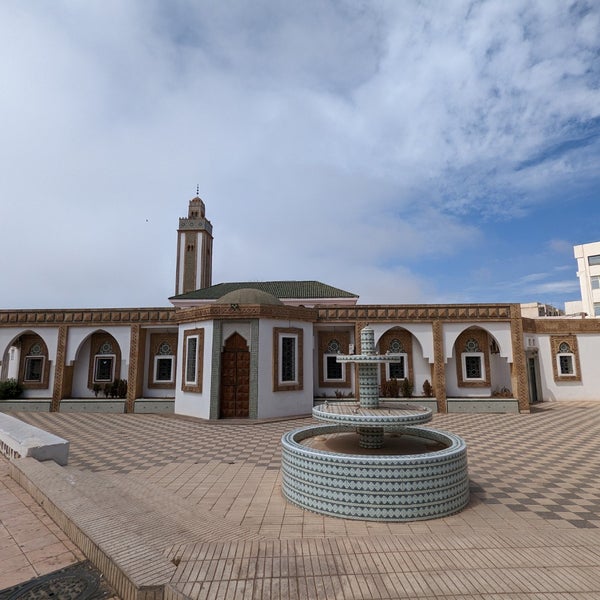
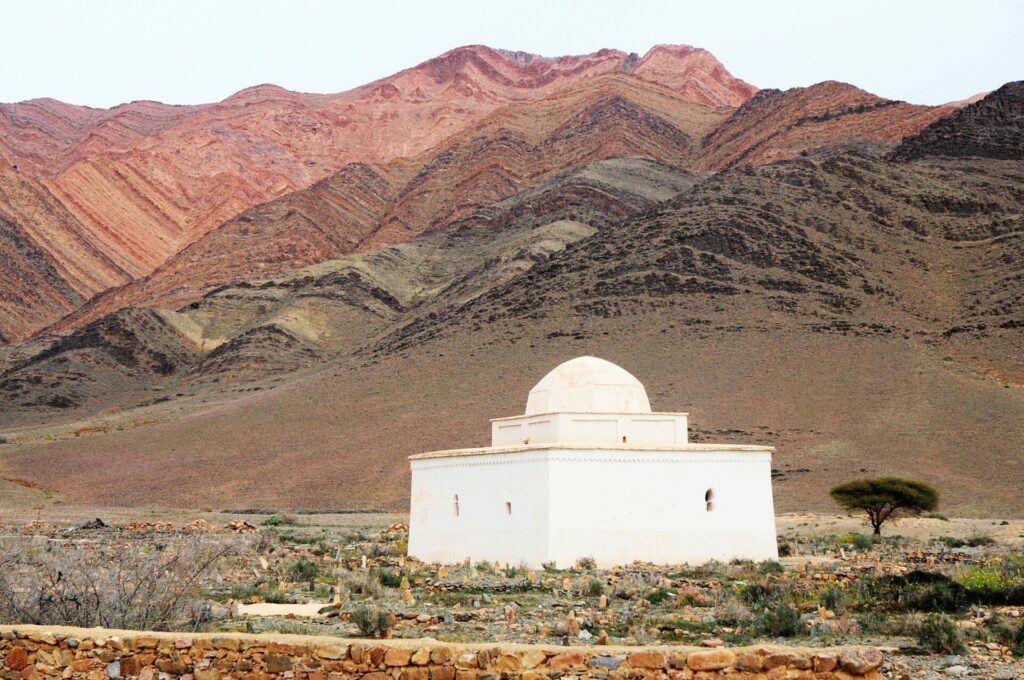
Unlike the grand imperial Medersas of Fez or Marrakech, the zaouïas and koranic schools in Morocco’s southern regions are built with local materials. In the High Atlas, they use dry stone and earth, blending seamlessly into the mountain slopes. This organic architecture reflects the Sufi philosophy of humility and integration with the natural world.
In a world looking for sustainable and community-led education, the Souss model offers fascinating insights. These zaouïas and koranic schools in Morocco produce citizens who are deeply literate, ethically grounded, and socially responsible.
Moderation: They teach a brand of Islam that is resistant to extremism by focusing on deep linguistic and historical context.
Literacy: They remain a powerful tool against illiteracy in remote mountainous areas where state schools may be difficult to reach.
Heritage: They preserve the “Tachelhit” (Berber) commentaries on Islamic texts, a unique linguistic fusion found nowhere else.
Souss and Western High Atlas zaouïas and Koranic schools are far more than just religious seminaries. They remain vital institutions. They are the guardians of a thousand-year-old intellectual tradition that continues to thrive against the odds of modernization.
Visiting these regions offers more than beautiful architecture. It reveals a life where knowledge is sacred and community is everything. The lessons of Souss Madrasas—solidarity, discipline, and moderation—remain highly relevant for our future.