

As the world becomes increasingly interconnected, the way we travel and experience new cultures is changing. “Jobs fill your pocket, but adventures fill your soul,” said Jaime Lyn Beatty, highlighting the growing desire for meaningful travel experiences. Morocco’s countryside, with its rich Berber heritage, is becoming a hotspot for travelers seeking authentic encounters.
Social media platforms like Instagram have made it easier for travelers to discover and share experiences in Morocco’s countryside. As a result, areas once off the beaten path are now becoming popular destinations, bringing economic opportunities and cultural exchange to rural communities.
In recent years, social media has played a pivotal role in transforming Morocco’s rural landscapes into sought-after tourist destinations. The Instagram effect has been particularly significant, turning hidden villages into trending spots almost overnight.
When a picturesque village or a unique cultural experience in rural Morocco goes viral on social media, it can quickly become a must-visit destination. The visual appeal of Morocco’s countryside, with its rolling hills, traditional Berber villages, and vibrant markets, makes it a perfect subject for Instagram posts.
The Souss Valley, with its lush agricultural landscapes and traditional irrigation systems, has been a particular hit among travelers and influencers alike. Its transformation from a relatively unknown region to a trending destination is a testament to the power of social media in redefining travel experiences.
Many villages in rural Morocco were previously unknown to international tourists. However, with the rise of social media, these hidden gems have become popular stops on many travelers’ itineraries.
| Village | Region | Attraction |
|---|---|---|
| Tafraout | Anti-Atlas Mountains | Unique granite formations and vibrant rock paintings |
| Taroudant | Souss Valley | Traditional Berber culture and historic ramparts |
| Immouzer | Anti-Atlas Mountains | Waterfalls and traditional Berber villages |
Travel influencers have played a crucial role in showcasing the authentic Berber life and cultural practices in rural Morocco. By sharing their experiences and interactions with local communities, they provide a window into the traditional ways of life in these regions.
This exposure not only attracts more tourists but also provides a platform for local communities to share their stories and traditions, promoting cultural exchange and understanding.
Beyond Agadir’s sun-kissed beaches lies a rural landscape waiting to be explored. The city’s surroundings offer a diverse range of experiences that cater to different interests and preferences.
The Souss Valley is a prime example of how agriculture and adventure tourism can coexist harmoniously. Visitors can explore the region’s fertile plains, which are dotted with traditional farms and orchards. The valley is also home to several adventure tourism activities, including hiking, biking, and horseback riding.
Adventure seekers can explore the valley’s many trails, while those interested in local culture can visit traditional farms to learn about Morocco’s agricultural practices.
The Anti-Atlas mountain range is home to several villages that have remained relatively untouched by time. These villages offer a glimpse into traditional Berber life, with their ancient architecture, narrow streets, and vibrant markets. Visitors can explore the villages, interact with locals, and experience the region’s rich cultural heritage.
Traditional Berber hospitality is a hallmark of these villages, where visitors are welcomed with open arms and offered local delicacies.
The Souss Plain is known for its golden landscapes, which are particularly striking during the harvest season. Visitors can explore the plain’s vast fields, where crops such as wheat, barley, and citrus fruits are grown. The plain is also home to several rural communities, where visitors can experience traditional Moroccan life.
Paradise Valley is a popular destination in the Souss Plain, known for its natural beauty and tranquil atmosphere. Visitors can explore the valley, swim in its rivers, and relax in the surrounding countryside. The nearby rural communities offer insights into traditional Moroccan life, with their local markets, traditional crafts, and warm hospitality.
By exploring Agadir’s rural landscape, visitors can experience the region’s natural beauty, cultural heritage, and traditional way of life.
Rural tourism in Morocco offers a unique gateway to experiencing the authentic lifestyle of Berber communities. Visitors can engage with the local culture, traditions, and daily life of the Berber people, creating a memorable and enriching experience.
The Berber communities in Morocco’s mountain regions are renowned for their warm hospitality. Visitors are welcomed into homes where they can experience traditional Berber customs and way of life. This hospitality is a cornerstone of rural tourism, allowing visitors to form meaningful connections with the local people.
Spending a day in a Moroccan village provides insight into the daily routines and traditions of the residents. From participating in agricultural activities to learning traditional crafts, visitors can gain a deeper understanding of Berber life. This immersive experience is both educational and enjoyable.
Village homestays are an integral part of rural tourism in Morocco. By living with local families, visitors can immerse themselves in the culture and daily life of the community. This close interaction fosters a deeper appreciation and understanding of Berber traditions and customs.
One of the highlights of staying in a Berber village is the opportunity to learn traditional crafts from local artisans. Skills such as weaving, pottery, and metalwork are passed down through generations, and visitors can participate in workshops to learn these crafts firsthand.
| Craft | Description | Location |
|---|---|---|
| Weaving | Traditional Berber weaving techniques are used to create beautiful textiles. | Tafraout Region |
| Pottery | Local artisans create functional and decorative pottery using traditional methods. | Taroudant Region |
| Metalwork | Intricate metalwork pieces are crafted, often featuring traditional Berber designs. | Anti-Atlas Mountains |
By engaging in rural tourism, visitors not only experience the rich cultural heritage of Morocco’s Berber communities but also contribute to the preservation of traditional crafts and the local economy.
The rise of eco-tourism in Morocco’s rural landscapes is transforming the way visitors experience the country’s natural beauty. As travelers become more environmentally conscious, the demand for sustainable travel options is increasing, and Morocco’s countryside is well-positioned to meet this demand.
Agritourism is a significant aspect of eco-tourism in Morocco, allowing visitors to explore the country’s agricultural heritage. From olive groves in the Atlas Mountains to organic gardens in the Souss Valley, agritourism experiences offer a unique glimpse into traditional farming practices. Visitors can participate in activities such as olive harvesting, learn about organic farming methods, and enjoy the serene landscapes.
The Argan Forest, a UNESCO Biosphere Reserve, has become a major draw for eco-tourists. This unique ecosystem is not only home to the argan tree, which produces a valuable oil, but also supports a rich biodiversity. Visitors can explore the forest, learn about argan oil production, and support local cooperatives.
Argan oil production is a traditional industry in Morocco, particularly in the rural areas surrounding Agadir. The production process, which involves harvesting argan nuts and extracting the oil, is labor-intensive and typically carried out by women’s cooperatives. By visiting these cooperatives, tourists can gain insight into this traditional craft and support local economies.
By choosing eco-tourism options, visitors can significantly contribute to the economic development of local communities. Eco-tourism promotes the preservation of natural habitats and cultural heritage, ensuring that tourism benefits are equitably distributed. Here is a breakdown of how eco-tourism supports local communities:
| Economic Benefits | Environmental Impact | Cultural Preservation |
|---|---|---|
| Creates jobs in rural areas | Promotes conservation of natural resources | Supports traditional crafts and practices |
| Stimulates local economies | Encourages sustainable land use | Preserves cultural heritage sites |
| Generates income for local families | Protects biodiversity | Fosters cultural exchange |
In conclusion, eco-tourism in Morocco’s countryside offers a unique opportunity for travelers to experience the country’s natural beauty while supporting local communities and promoting sustainable development.
Rural Agadir beckons adventure seekers with its untamed landscapes and rich cultural heritage. The region offers a diverse range of activities that cater to different interests and skill levels.
The Anti-Atlas mountains provide a trekking paradise with routes suitable for beginners and experienced hikers alike. Trails range from gentle strolls to challenging climbs, ensuring that there’s something for everyone. As you trek through the mountains, you’ll encounter traditional Berber villages and breathtaking vistas.
One of the most popular trekking routes is the Taghirouine trail, known for its stunning views of the surrounding landscape. For more experienced trekkers, the Tafraout region offers challenging routes with rewarding panoramas.
The Souss-Massa region is a haven for nature lovers, with its diverse flora and fauna. Guided nature walks allow visitors to explore the area’s natural beauty, from the Souss-Massa National Park to the argania forests. These walks provide an opportunity to spot local wildlife, including the endangered Northern Bald Ibis.
“The Souss-Massa region is a true gem, offering a unique blend of natural beauty and cultural heritage.” –
Local Guide
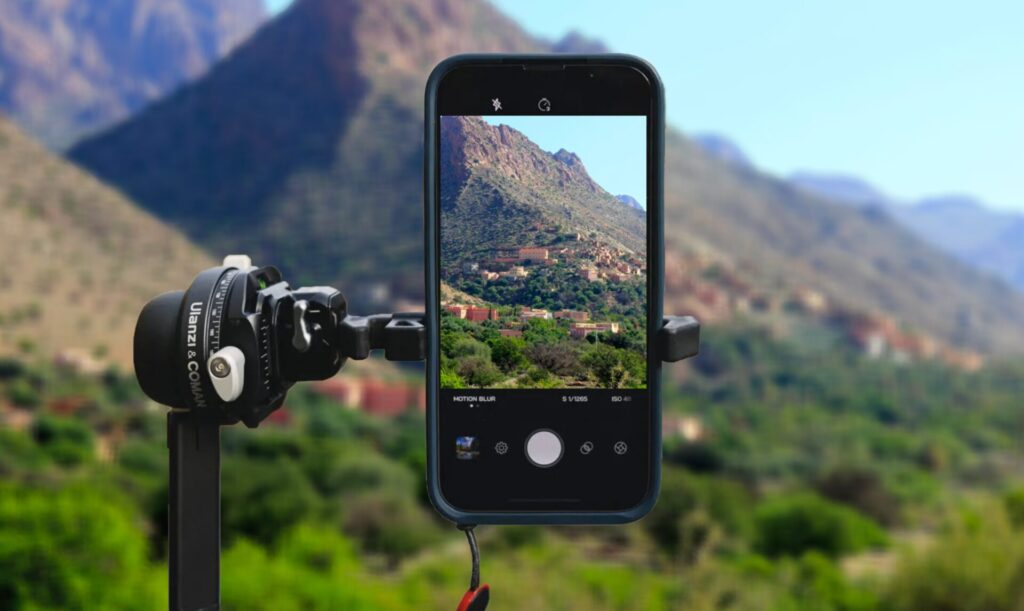
Rural Morocco is a photographer’s dream, with its picturesque landscapes and vibrant cultural scenes. Photography hotspots include the Berber villages, traditional markets, and landscapes that are simply breathtaking. For the best shots, consider visiting during the golden hour, when the light is soft and warm.
The Berber villages offer some of the most spectacular sunrise and sunset views. Imagine watching the sun rise over the Anti-Atlas mountains or setting behind the Souss plain. These moments are truly unforgettable and make for great photography opportunities.
As you explore rural Agadir, you’ll discover that each location has its unique charm and photographic potential. Whether you’re an experienced photographer or just starting out, the region’s natural beauty and cultural richness will inspire you.

Agadir’s countryside is dotted with unique accommodations that offer more than just a place to rest. The rural areas around Agadir are home to a diverse range of accommodations, from eco-lodges to traditional guesthouses, each providing a distinct experience for travelers.
Eco lodges near Agadir offer a chance to connect with nature while minimizing environmental impact. These sustainable retreats are designed to blend into the natural landscape, providing a serene and peaceful atmosphere. Many eco lodges are involved in local conservation efforts, making your stay not only relaxing but also beneficial to the local environment.
Key Features of Eco Lodges:
Traditional Berber guesthouses allow travelers to experience the unique architecture of the region. These guesthouses are often built using local materials and techniques, providing an authentic cultural experience. Staying in a traditional guesthouse is a great way to immerse yourself in the local culture and hospitality.
“The traditional Berber guesthouses are a testament to the rich cultural heritage of the region. Staying in one is like stepping back in time.” – Local Travel Expert
Farm stays and agricultural tourism accommodations offer insights into rural life and farming practices. These accommodations allow travelers to participate in daily farm activities, providing a hands-on experience of rural Agadir. From harvesting argan nuts to tending to olive groves, farm stays offer a unique glimpse into the local way of life.
| Accommodation Type | Key Activities | Benefits |
|---|---|---|
| Farm Stays | Harvesting, farming | Hands-on rural experience |
| Eco Lodges | Nature walks, conservation | Sustainable tourism |
| Traditional Guesthouses | Cultural immersion | Authentic Berber experience |
Village homestays are a unique opportunity to live with local families and immerse yourself in the community. You can expect warm hospitality, home-cooked meals, and a chance to participate in daily village activities. Homestays provide a deeper understanding of the local culture and way of life, making your travel experience more meaningful.
By choosing to stay in rural accommodations near Agadir, travelers can enjoy a more authentic and enriching experience. Whether it’s an eco-lodge, a traditional guesthouse, or a farm stay, each type of accommodation offers a unique perspective on rural Agadir.
Embark on a culinary journey through Morocco’s rural heartlands, where traditional flavors and local ingredients come alive. The rural areas of Agadir offer a unique gastronomic experience, deeply rooted in Berber traditions and the rich agricultural bounty of the Souss Valley.
In the villages surrounding Agadir, traditional Moroccan cuisine is prepared with love and care, using recipes passed down through generations. Visitors can enjoy authentic meals in village homes, savoring local ingredients such as fresh olives, argan oil, and aromatic spices. These culinary experiences not only delight the palate but also provide insight into the cultural significance of food in Moroccan society.
Key dishes to try include:
For a more immersive experience, visitors can participate in hands-on cooking classes with local families. These classes offer a practical introduction to Moroccan cuisine, teaching guests how to prepare traditional dishes using local ingredients. It’s a wonderful way to learn about the culinary techniques and cultural practices that define Moroccan hospitality.
Some highlights of cooking classes include:
No culinary journey is complete without visiting the local souks and food markets. These vibrant gatherings offer a taste of the region’s freshest produce, artisanal cheeses, and local delicacies. Visitors can sample a variety of foods, from fresh fruits to traditional sweets, and engage with the local vendors who take pride in their offerings.
The Souss Valley is known for its agricultural bounty, celebrated through seasonal harvest festivals. These events are a testament to the region’s rich farming traditions and offer visitors a chance to participate in local customs. From olive harvests to argan oil production, these festivals are a highlight of the culinary calendar, showcasing the best of what the region has to offer.
By engaging with the local cuisine, visitors not only enjoy the flavors of Morocco but also contribute to the sustainable development of rural communities. Culinary journeys through Moroccan rural traditions are a gateway to understanding the heart and soul of this beautiful country.
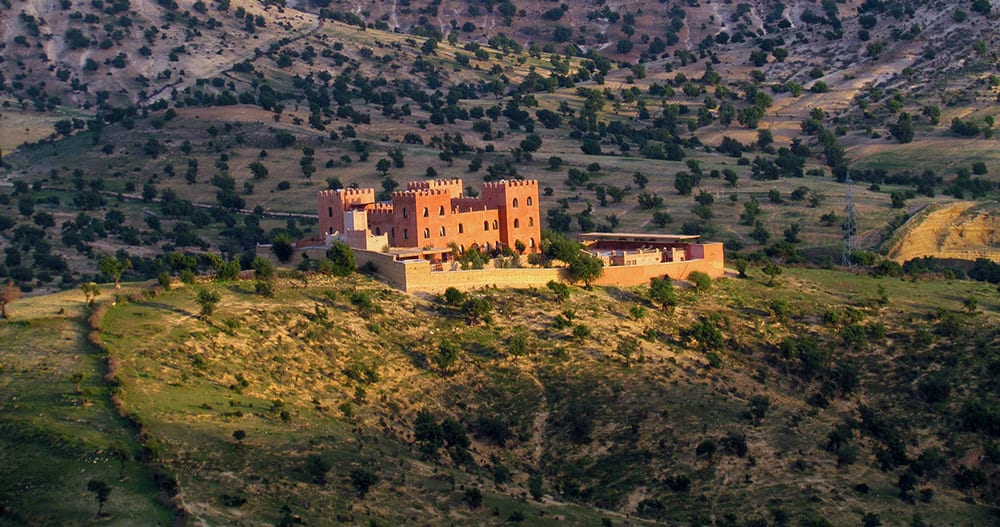
Planning a trip to rural Morocco from Agadir can be a thrilling experience with the right guidance. With its unique blend of cultural heritage and natural beauty, the countryside offers a refreshing alternative to the typical tourist trail.
For those looking to explore rural Morocco without committing to a long trip, day trips from Agadir are an excellent option. Tafraout, known for its picturesque landscapes and granite rock formations, is a popular choice. Taroudant, often referred to as “Little Marrakech,” offers a glimpse into traditional Moroccan life. Meanwhile, Immouzer provides a serene mountain retreat with its lush forests and cool climate.
Travelers with more time can explore multi-day trekking and village-hopping routes that showcase the diversity of rural Morocco. These journeys allow visitors to immerse themselves in local culture, enjoy the natural scenery, and experience the hospitality of Berber communities.
The best time to visit rural Morocco is during the spring (March to May) and autumn (September to November), when the weather is mild and pleasant. Visitors should pack comfortable clothing, including layers for cooler mornings and evenings, as well as sturdy footwear for trekking and exploring.
Reaching remote villages in rural Morocco can be achieved through various transportation options, including guided tours, private drivers, and public buses. While public transportation is available, guided tours often provide a more convenient and informative experience.
When visiting rural communities, it’s essential to practice cultural etiquette. This includes dressing modestly, respecting local customs, and engaging respectfully with the community. By doing so, travelers can contribute to a positive and enriching experience for both themselves and the local residents.
The rise of rural tourism in Morocco has brought about a new era of cultural exchange and economic opportunities for rural communities. Social media has played a significant role in promoting Morocco’s countryside experiences, attracting travelers seeking authentic encounters.
As visitors explore the Moroccan countryside, it’s essential to adopt sustainable tourism practices. By embracing eco-tourism and respecting local cultures, travelers can contribute to the preservation of Morocco’s rural heritage. Agadir rural tourism has become a significant contributor to the local economy, with many communities relying on tourism as a source of income.
The future of rural tourism in Morocco looks promising, with cultural exchange and sustainable tourism practices at its core. As travelers continue to seek out unique experiences, Morocco’s countryside is poised to remain a top destination, offering a blend of tradition, nature, and adventure.
Rural tourism in Agadir refers to the practice of traveling to and experiencing the countryside and rural areas surrounding Agadir, Morocco, including its natural beauty, cultural heritage, and traditional ways of life.
Social media has significantly impacted rural tourism in Morocco by promoting destinations, experiences, and cultural practices, making it easier for travelers to discover and share rural Morocco.
Popular rural tourism activities in Agadir include trekking in the Anti-Atlas mountains, visiting Berber villages, exploring the Souss Valley, and participating in agritourism experiences such as olive grove tours and argan oil production.
The best time to visit rural Agadir depends on your preferences, but spring (March to May) and autumn (September to November) are generally considered ideal due to mild temperatures and fewer crowds.
You can support local communities by staying in locally owned accommodations, eating at local restaurants, purchasing products from local artisans, and participating in community-based tourism initiatives.
When packing for a rural Morocco trip from Agadir, consider bringing comfortable hiking shoes, layers for varying temperatures, sun protection, and respectful clothing for visiting rural communities.
Yes, there are guided tours available for rural Agadir, ranging from hiking and trekking tours to cultural and agritourism experiences, often led by local guides who can provide insights into the region’s history, culture, and natural environment.
Yes, it is possible to stay in a Berber village through village homestay programs or traditional guesthouses, offering a unique opportunity to experience Berber culture and hospitality firsthand.
During your rural Morocco culinary journey, be sure to try traditional dishes such as tagines, couscous, and local specialties like argan oil-based recipes, as well as fresh produce from the Souss Valley.
To travel respectfully in rural Morocco, be mindful of local customs and traditions, dress modestly, remove your shoes when entering homes or mosques, and engage respectfully with local communities.


