


John Muir once wisely noted, “In every walk with nature, one receives far more than he seeks.” This sentiment perfectly captures the essence of exploring the hidden gems found just beyond the city limits.
Rural Agadir tourism offers a unique chance to escape the noise and embrace the slow pace of life. The Agadir countryside is defined by rolling hills, argan forests, and authentic Berber villages that have remained unchanged for generations.
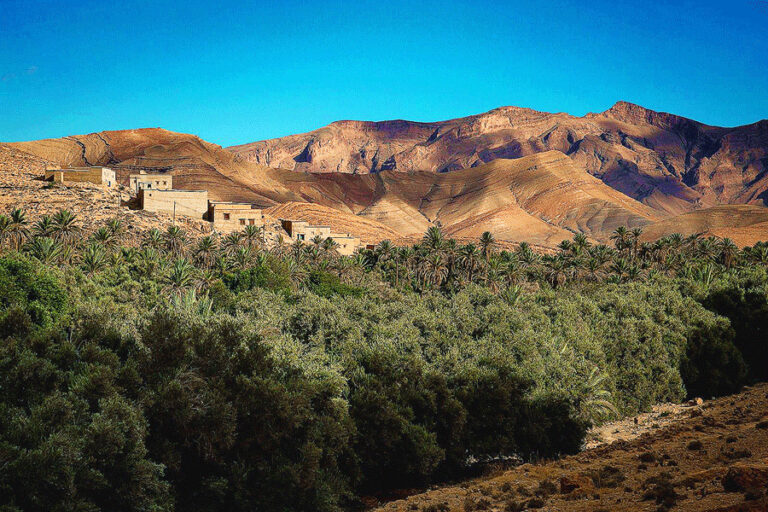
Travelers seeking a peaceful retreat will find solace in the Souss-Massa region. Whether you want to hike through scenic trails or enjoy traditional hospitality, this area provides a refreshing perspective on Moroccan culture. We will help you plan your perfect journey into these serene landscapes.
For those seeking tranquility and an immersive cultural experience, the rural landscapes of Agadir are an ideal destination. Planning is crucial for a fulfilling trip to the Agadir countryside, ensuring that your journey is both enjoyable and stress-free.
The climate in Agadir’s countryside is generally mild, making it a year-round destination. However, the best times to visit are during the spring (March to May) and autumn (September to November), when the weather is particularly pleasant.
| Season | Weather Conditions | Recommended Activities |
|---|---|---|
| Spring | Mild temperatures, blooming flora | Hiking, exploring Berber villages |
| Summer | Warm to hot temperatures | Beach activities, outdoor adventures |
| Autumn | Comfortable temperatures, harvest season | Cultural festivals, agricultural tours |
| Winter | Cooler temperatures, potential rain | Indoor activities, visiting local markets |
Choosing the right accommodation is vital for a satisfying rural Agadir experience. Consider staying in a traditional Berber village or a rural riad to fully immerse yourself in the local culture.
When selecting your rural base, think about the activities you wish to undertake and the areas you want to explore. Proximity to local attractions, such as argan oil cooperatives or traditional souks, can enhance your experience.
A successful trip to the Souss-Massa region requires careful planning and preparation. As you venture into the rural areas of Agadir, being well-prepared will significantly enhance your experience.
When traveling to the Moroccan countryside, it’s essential to pack wisely. Comfortable clothing, sunscreen, and a hat are must-haves to protect yourself from the sun. Additionally, consider the local climate and cultural norms when selecting your attire.
Key Items to Pack:
Getting to and around rural Agadir requires some planning. You have two primary options: renting a vehicle or hiring a local driver.
Renting a vehicle provides flexibility and independence as you explore the Souss-Massa region. However, hiring a local driver can be a more relaxing and informative option, as they are familiar with the terrain and local customs.
| Option | Advantages | Disadvantages |
|---|---|---|
| Renting a Vehicle | Flexibility in travel plans, ability to explore at your own pace | Driving in unfamiliar terrain, potential language barriers |
| Hiring a Local Driver | Local knowledge, reduced stress, opportunity to learn about the area | Less control over itinerary, potential additional costs for guides |
Consider your priorities and choose the option that best suits your travel style.
To truly experience the beauty of rural Morocco, one must be prepared to navigate its challenging terrain with sensitivity. The Souss-Massa region is characterized by diverse landscapes, from the Anti-Atlas Mountains to the fertile Souss plain. Understanding how to move through this varied terrain is crucial for a successful and enjoyable trip.
Before embarking on your journey, it’s essential to map out your route carefully. The Souss-Massa region is rich in attractions, including historic Berber villages, scenic valleys, and national parks. Planning your route in advance will help you make the most of your time and ensure that you don’t miss any of the region’s highlights.
Consider using a detailed map or GPS device to navigate the region’s roads and tracks. Many areas in rural Agadir are not well-covered by public transportation, so having a reliable vehicle or a knowledgeable guide is often necessary.
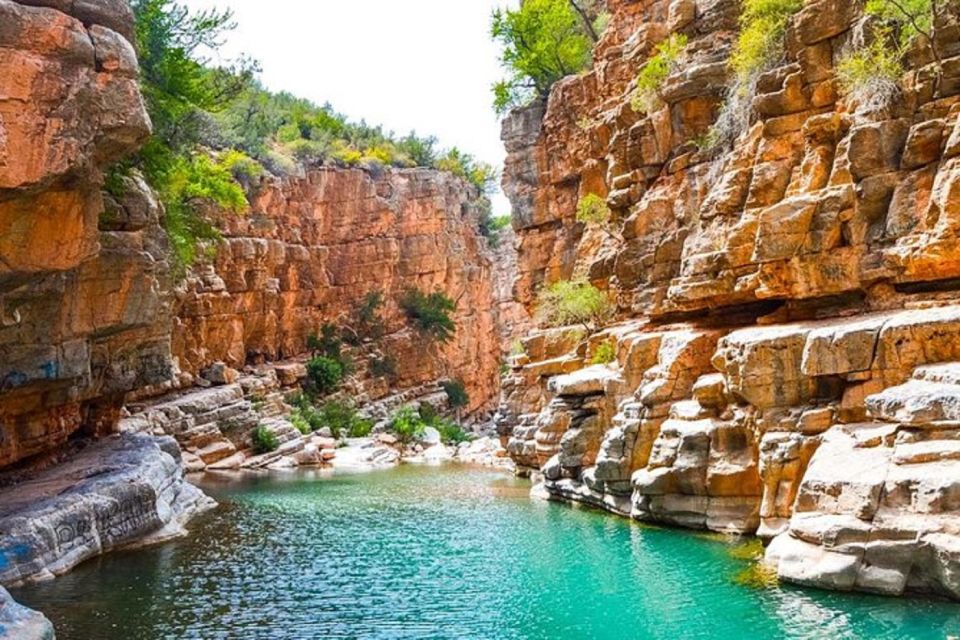
Navigating off-road paths in rural Agadir requires a combination of preparation, the right equipment, and a cautious attitude. Many of the region’s most beautiful and remote areas are accessible only by dirt tracks or trails, which can be challenging to navigate, especially after rainfall.
When driving off-road, it’s crucial to have a suitable vehicle, preferably a 4×4, and to be equipped with necessary supplies such as food, water, and a first-aid kit. It’s also advisable to travel with a local guide who is familiar with the terrain and can provide valuable insights into the local culture and geography.
Respecting local customs and etiquette is vital when visiting Berber villages and interacting with local communities. The Berber people are known for their hospitality, but it’s essential to approach them with respect and sensitivity.
When visiting villages, dress modestly and be mindful of local customs and traditions. It’s also a good idea to learn a few basic phrases in Berber or Arabic, such as greetings and expressions of gratitude, which can go a long way in building positive relationships with the locals.
| Custom | Description | Tip |
|---|---|---|
| Dress modestly | Avoid revealing clothing | Cover shoulders and knees |
| Respect for elders | Show deference to older individuals | Greet elders first |
| Learn local greetings | Use basic Berber or Arabic phrases | Say “As-salamu alaykum” (peace be upon you) |
Immersing yourself in the authentic Berber culture is a highlight of visiting rural Agadir. The Berber communities here are known for their rich heritage and traditional way of life, offering visitors a unique glimpse into a culture that has been preserved for centuries.
The Berber people, also known as the Amazigh, have a distinct identity that is deeply rooted in their history and customs. One of the most significant aspects of Berber culture is their traditional industries, such as the production of Argan oil.
A visit to a traditional Argan oil cooperative is a must when exploring the Berber villages around Agadir. These cooperatives are usually run by local women who have mastered the art of extracting oil from Argan nuts, a process that is both labor-intensive and time-consuming.
Key activities at an Argan oil cooperative may include:

Exploring the local souks and markets is another excellent way to experience the vibrant culture of the Berber villages. These bustling marketplaces offer a wide range of local handicrafts, including textiles, pottery, and jewelry.
When visiting local souks, be sure to:
Interacting with the local Berber communities is a rewarding experience, but it requires a certain level of cultural sensitivity. Visitors should be mindful of local customs and traditions to ensure a positive and respectful interaction.
Tips for respectful interaction include:
In the heart of Morocco, Rural Agadir presents an opportunity to engage in sustainable tourism practices that benefit both the traveler and the local community. The region is rich in natural beauty and cultural heritage, offering a variety of activities that allow visitors to immerse themselves in the local environment.
The essence of sustainable tourism in Rural Agadir lies in its ability to harmonize the needs of the traveler with the preservation of the local ecosystem and culture. By participating in eco-friendly activities, visitors can contribute to the conservation of this unique region.
Hiking the trails of the Anti-Atlas Mountains is a rewarding experience that offers breathtaking views of the surrounding landscape. The mountains are dotted with traditional Berber villages, where visitors can observe local customs and ways of life. Trails range from gentle walks to more challenging hikes, ensuring that there’s something for every level of adventurer.
Trail Highlights:
Souss-Massa National Park is a haven for birdwatchers, with over 300 species recorded within the park’s boundaries. The park’s diverse habitats, ranging from coastal wetlands to argan forests, support a wide range of avian life. Visitors can spot species such as the Northern Bald Ibis and the Eleonora’s Falcon, among others.
Birdwatching Tips:
Participating in traditional farming workshops provides a unique insight into the agricultural practices that have sustained local communities for generations. Visitors can learn about the cultivation of argan trees, the production of olive oil, and other farming techniques that are integral to the local economy.
Workshop Benefits:
Rural Agadir is a haven for food enthusiasts, with its diverse and vibrant culinary scene. The region offers a unique opportunity to experience the authentic flavors of Morocco, shaped by its rich cultural heritage and geographical diversity.
The countryside is home to a variety of traditional dishes that are both delicious and steeped in history. Among these, tagine and couscous stand out as staples of Moroccan cuisine.
Tagine, named after the earthenware pot in which it is cooked, is a slow-cooked stew made with meat, vegetables, and dried fruits, typically flavored with a blend of spices. Couscous, on the other hand, is a traditional North African dish made from semolina flour, often served with vegetables, meat, and sauce.
Mint tea is an integral part of Moroccan hospitality and culture. It is more than just a beverage; it’s a symbol of welcome and friendship. The traditional preparation of mint tea involves green tea, fresh mint leaves, and sugar, which are combined in a specific ritual that is both soothing and invigorating.
The art of preparing mint tea is a cherished tradition passed down through generations.
Farm-to-table dining is becoming increasingly popular in rural Agadir, offering visitors the chance to enjoy local produce in a variety of settings. From rustic farmhouses to eco-lodges, these dining experiences not only showcase the region’s culinary delights but also support local farmers and the local economy.
Visiting rural Agadir offers a unique opportunity to immerse yourself in the authentic culture and breathtaking landscapes of Morocco’s countryside. By exploring Berber villages, engaging in sustainable activities, and savoring local cuisine, you’ll create unforgettable memories of your Agadir rural tourism adventure.
As you plan your Morocco countryside travel, consider the tips and guidelines outlined in this article to ensure a smooth and enriching journey. From navigating local terrain to respecting cultural customs, being prepared will enhance your experience and allow you to truly connect with the local environment.
With its rich cultural heritage and stunning natural beauty, rural Agadir is a destination that has something for everyone. Whether you’re interested in hiking, birdwatching, or simply enjoying the local hospitality, your rural Agadir getaway is sure to be an unforgettable experience.
The most favorable time to explore the Souss-Massa region is during the spring (March to May) and autumn (September to November). During these periods, the temperatures remain mild and pleasant, making it ideal for hiking the Anti-Atlas Mountains and visiting local villages without the intense heat of the peak summer months.
Renting a vehicle from a provider like Hertz or Avis at Agadir-Al Massira Airport offers maximum flexibility for independent travelers. However, hiring a local driver is often more relaxing and informative, as professionals are experienced in navigating off-road paths and can provide cultural context that a GPS cannot. This is particularly useful when heading toward remote areas like Imouzzer Ida Ou Tanane.
To fully immerse yourself in the local lifestyle, it is recommended to stay in a traditional Berber riad or a rural guesthouse. These accommodations offer a peaceful alternative to city hotels, allowing travelers to experience Berber hospitality firsthand while supporting the local economy in villages across the Souss-Massa region.
Essential items for the Moroccan hinterlands include lightweight, breathable clothing, sturdy walking shoes for rugged terrain, a wide-brimmed hat, and high-SPF sunscreen. It is also wise to carry a reusable water bottle and modest attire to show respect when entering traditional Berber villages.
Respecting local etiquette is vital. Always ask for permission before taking photographs of people or their homes. If you are invited for mint tea, it is polite to accept, as this is a cornerstone of Moroccan hospitality. Learning a few words in Tachelhit or Moroccan Arabic can also go a long way in fostering positive interactions.
The region surrounding Agadir is the heart of the world’s Argan oil production. You can visit women-led Argan oil cooperatives in areas like Tamanar, where you can observe the traditional method of cracking the nuts by hand and pressing the oil. This ensures you are purchasing authentic, high-quality products while supporting female empowerment in rural communities.
Travelers can engage in several eco-friendly activities, such as birdwatching in Souss-Massa National Park, which is a vital habitat for the Northern Bald Ibis. Other sustainable options include hiking the trails of the Anti-Atlas, participating in traditional farming workshops, and shopping for organic produce at local weekly souks.
Do not miss the opportunity to sample authentic, slow-cooked tagine and fluffy couscous prepared with locally sourced vegetables. Many rural areas offer farm-to-table dining where you can taste fresh honey, almonds, and Amlou—a delicious Moroccan spread made from Argan oil, almonds, and honey.


