Tucked away in southwestern Morocco, just before the Sahara stretches out into endless dunes, lies the Jbel Bani mountain range—a quiet giant often overlooked on the tourist trail. Spanning over 560 kilometers, it’s not just a place of rugged beauty but a living blend of geology, history, and Amazigh culture.
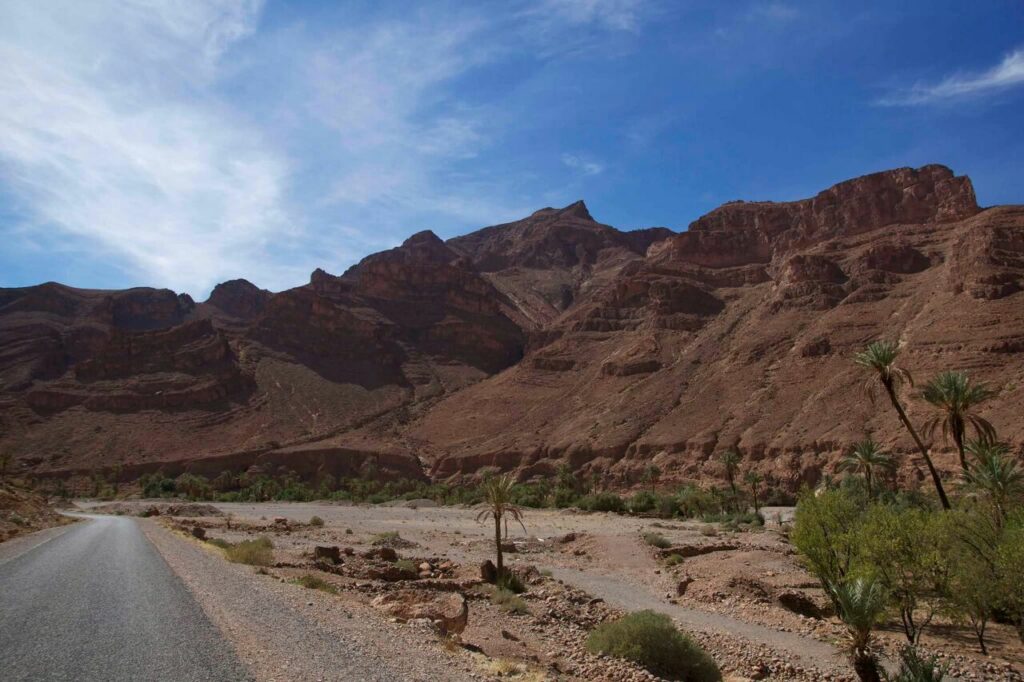
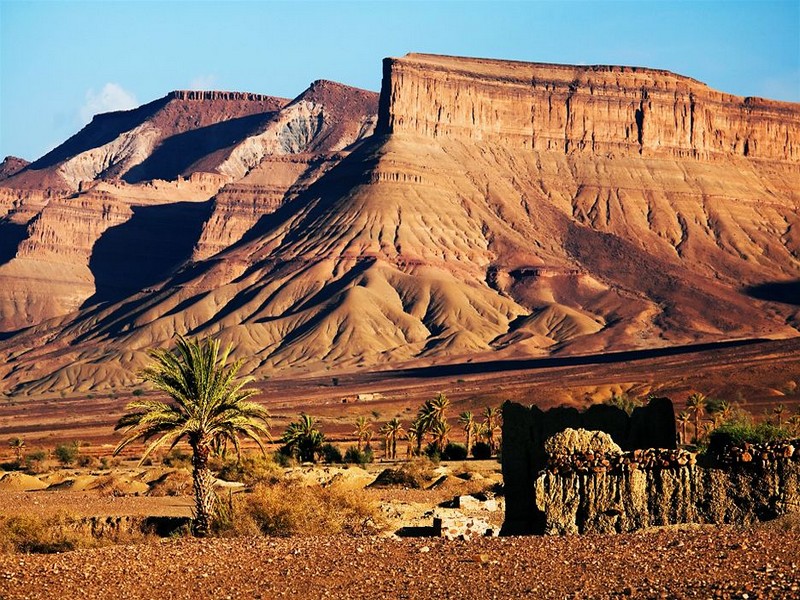
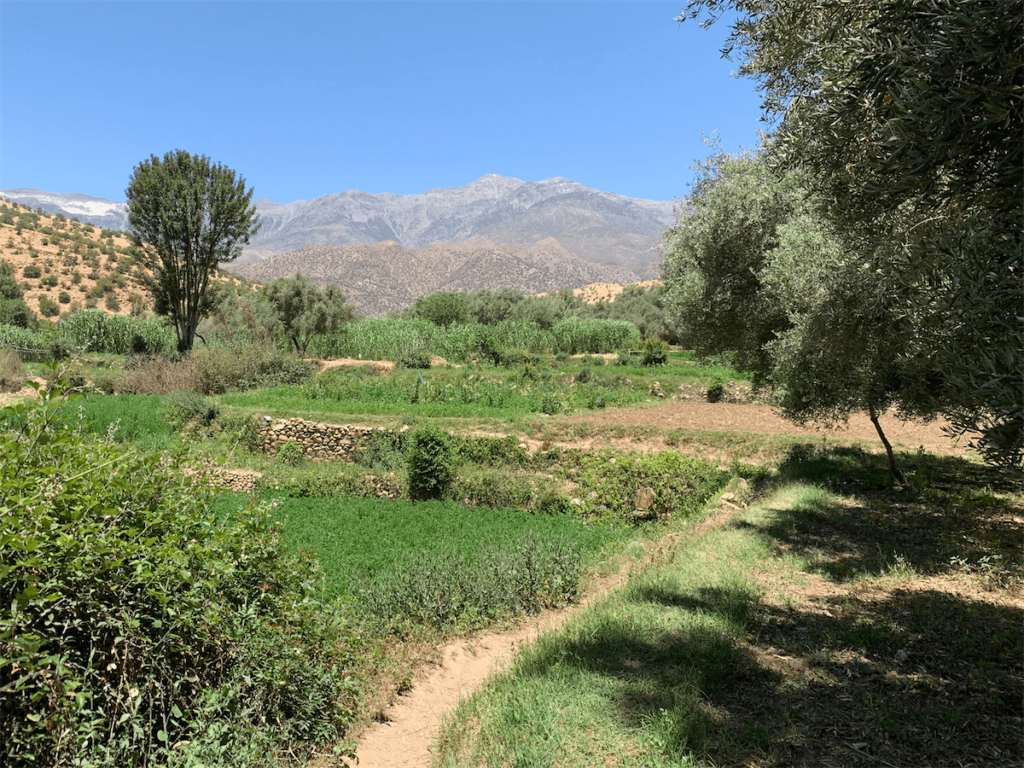
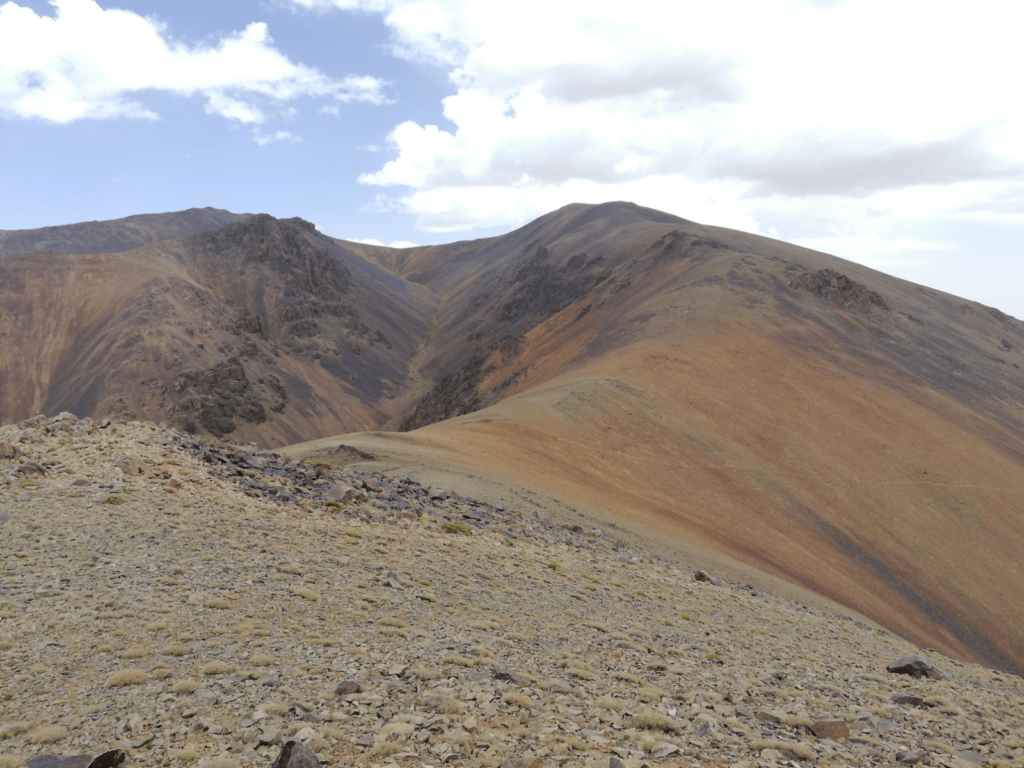
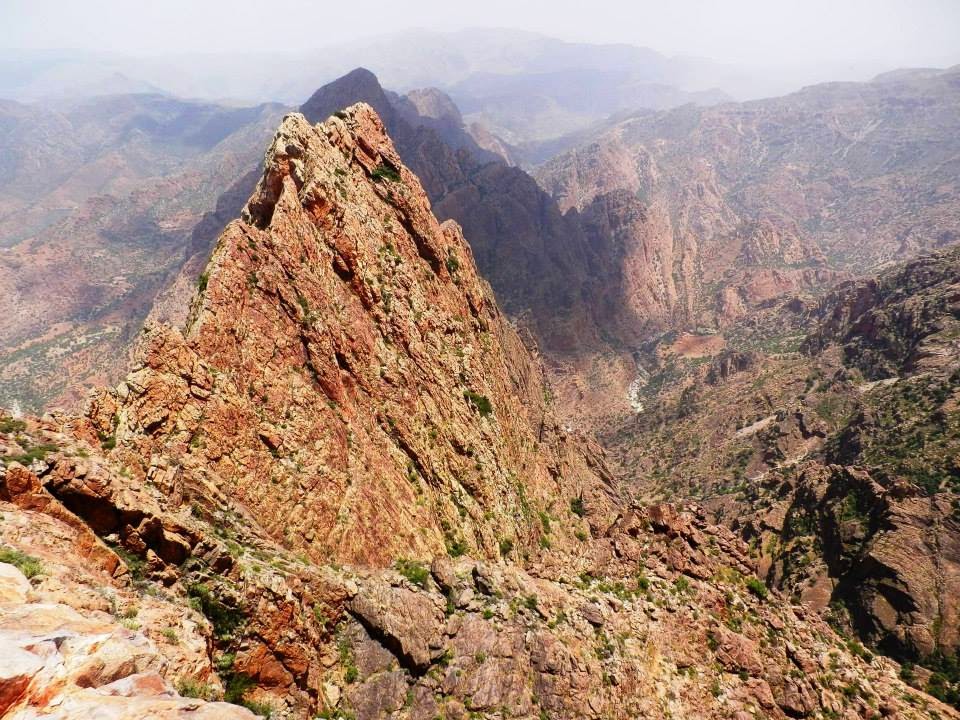
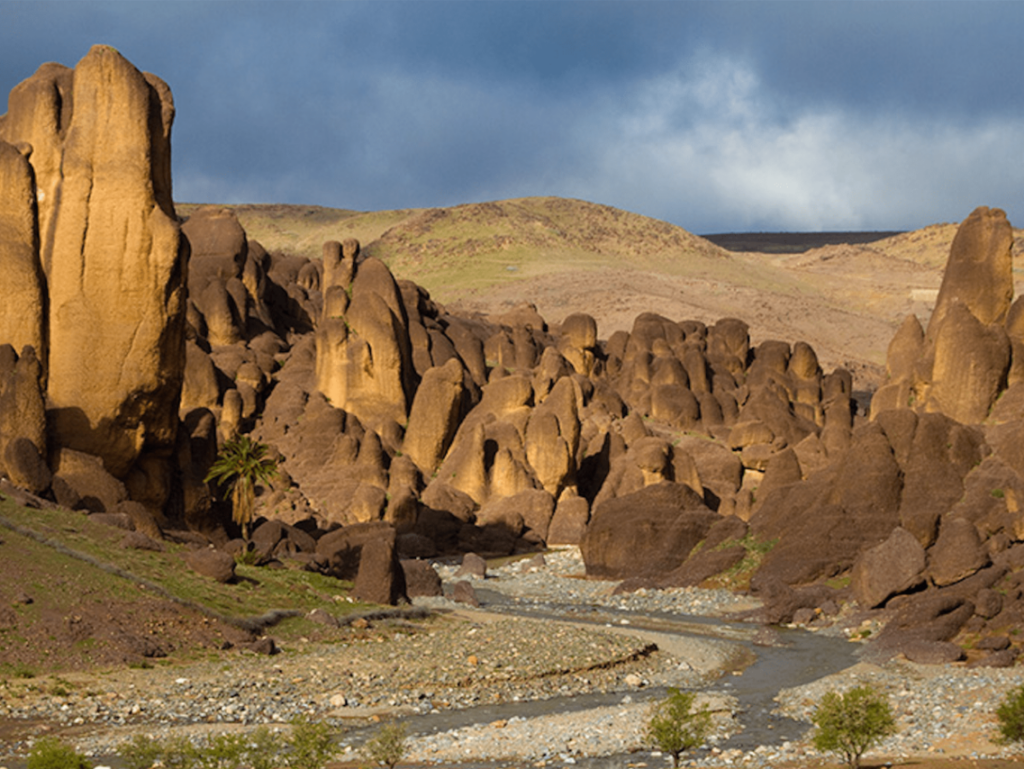
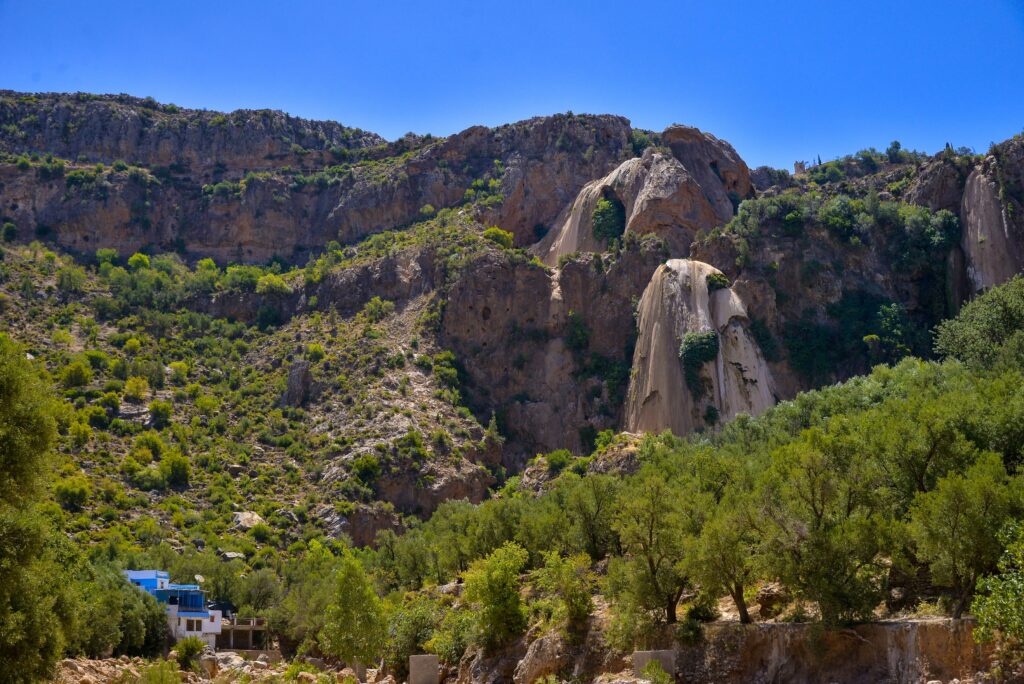
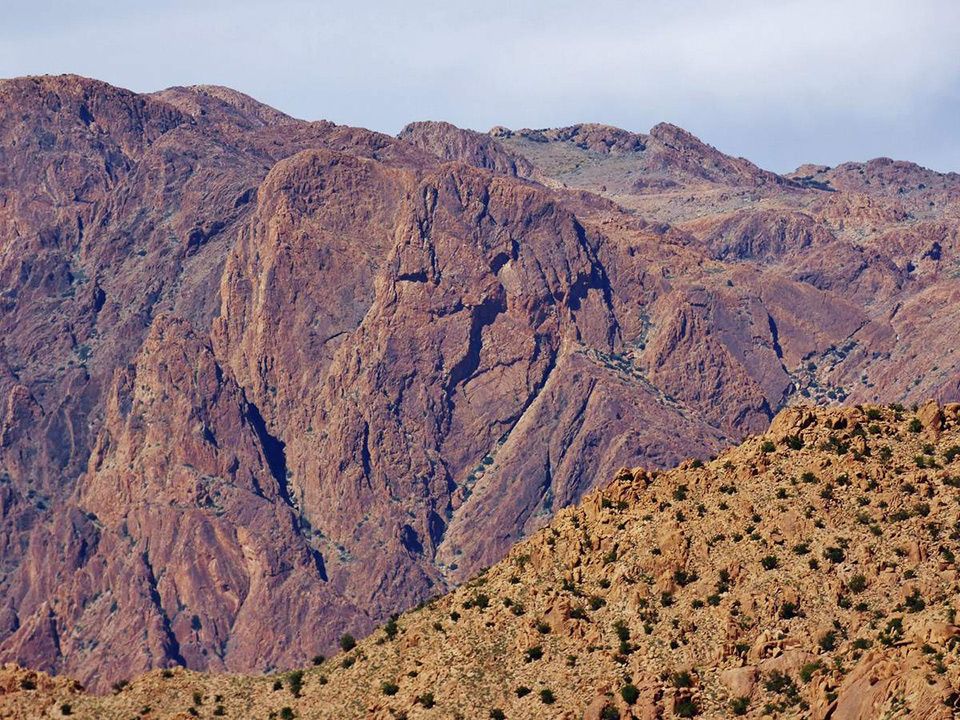
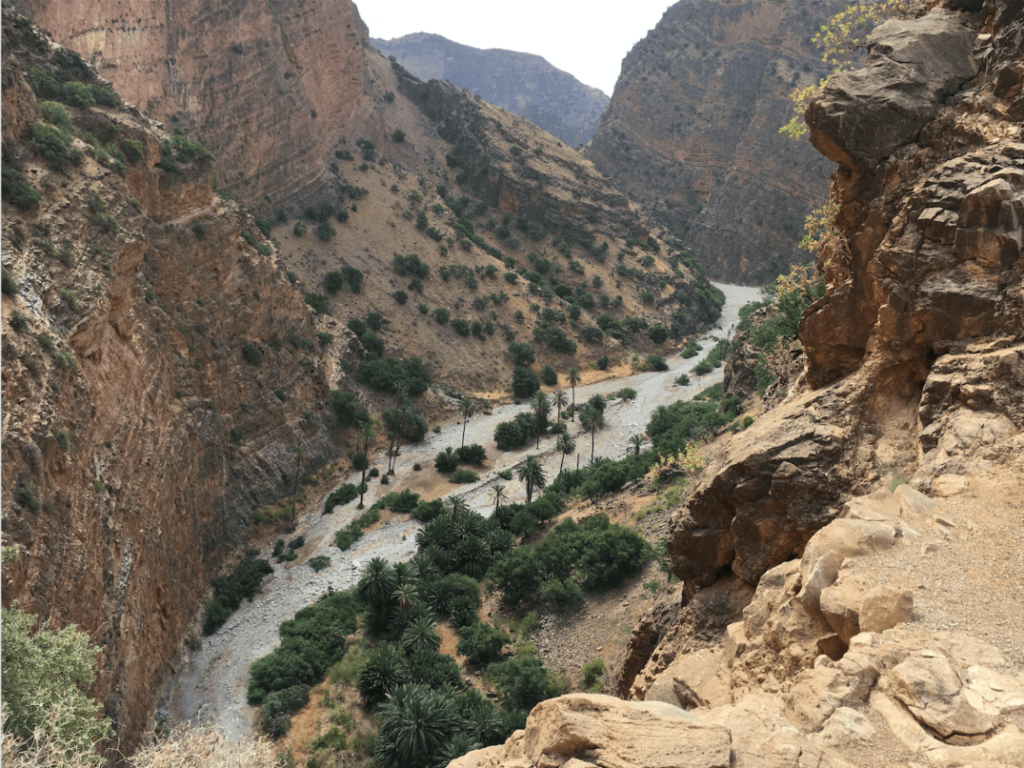
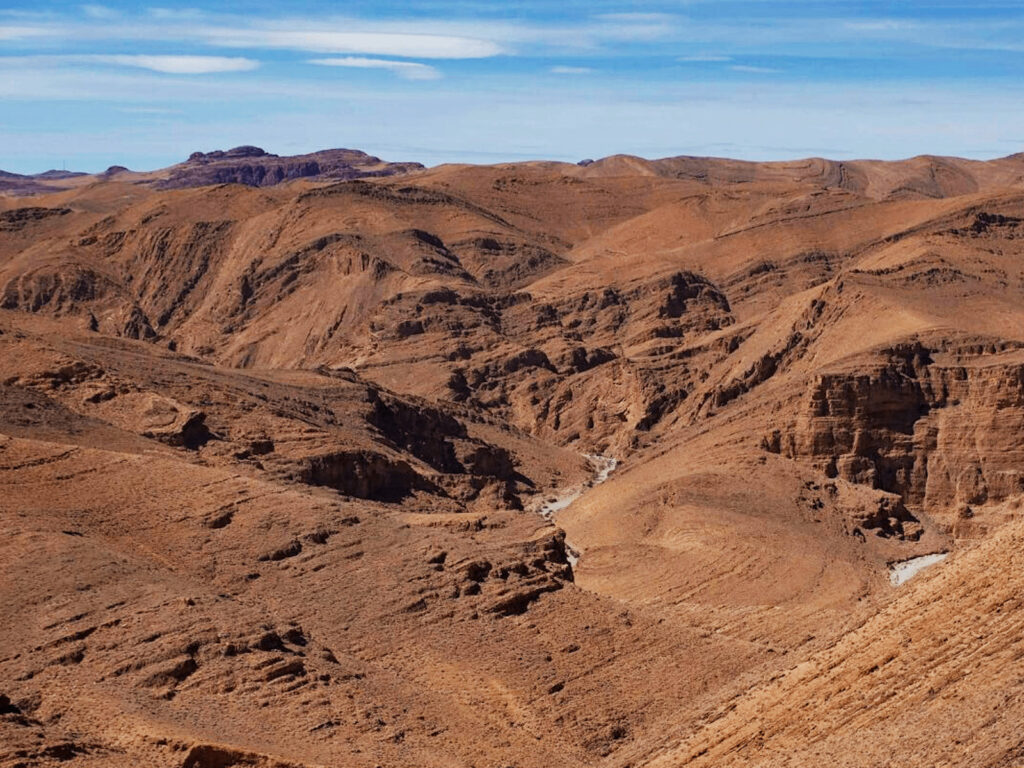
Jbel Bani is a landscape that tells a story—one carved over millions of years. Towering cliffs and deep valleys speak of ancient tectonic shifts and the slow, steady work of erosion. Walk through its rocky trails and you’ll come across surreal rock formations, craggy ridges, and canyons shaped by wind and time.
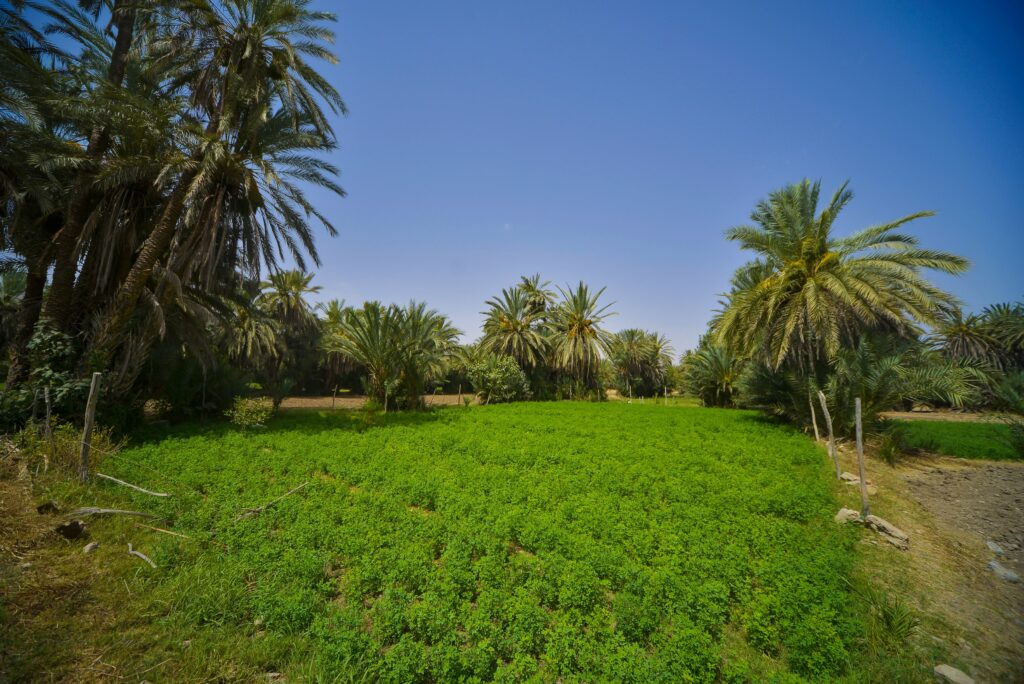
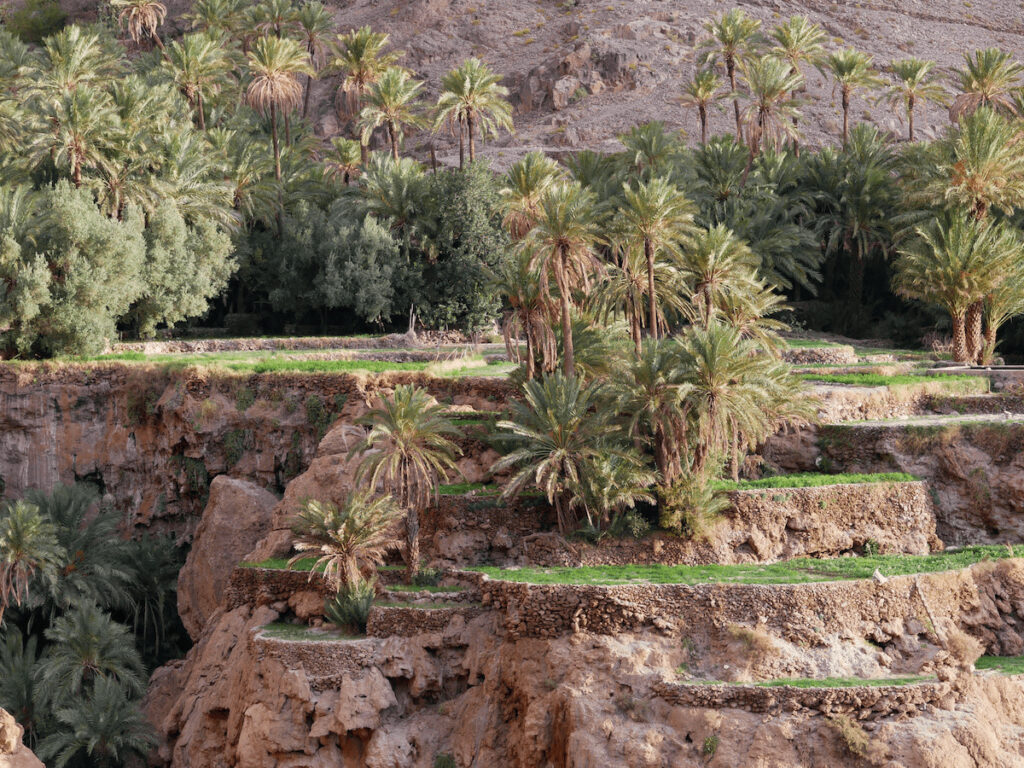
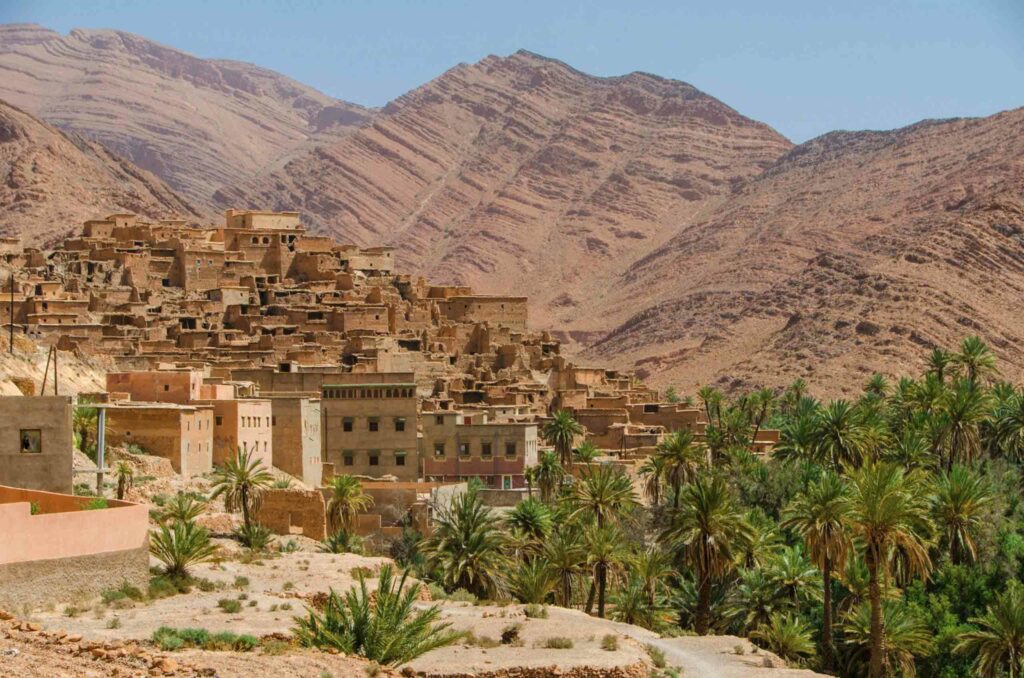
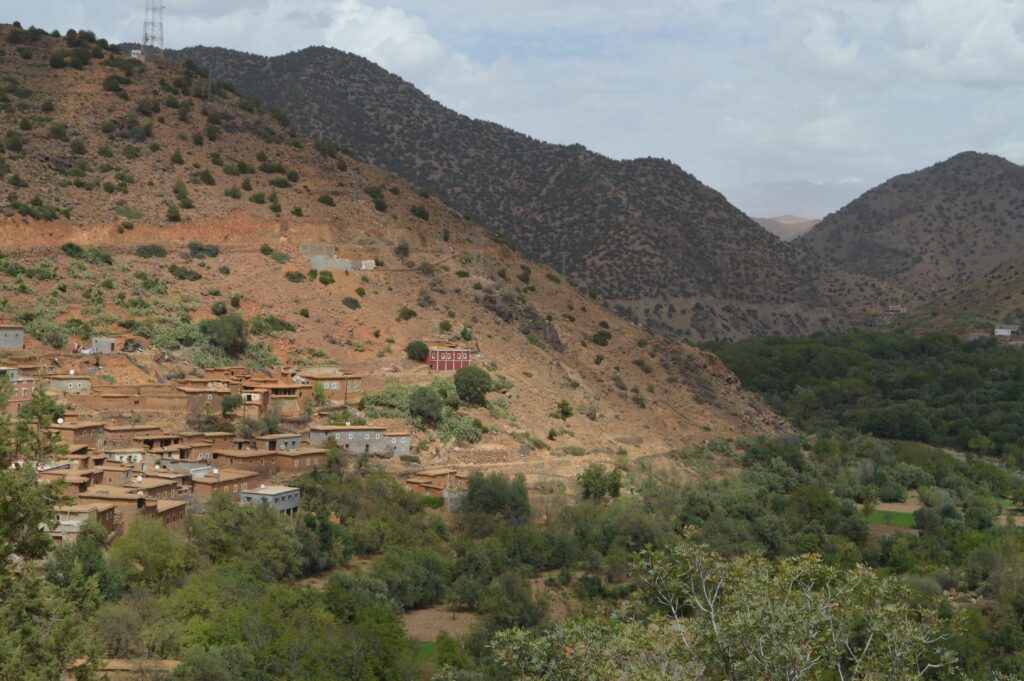
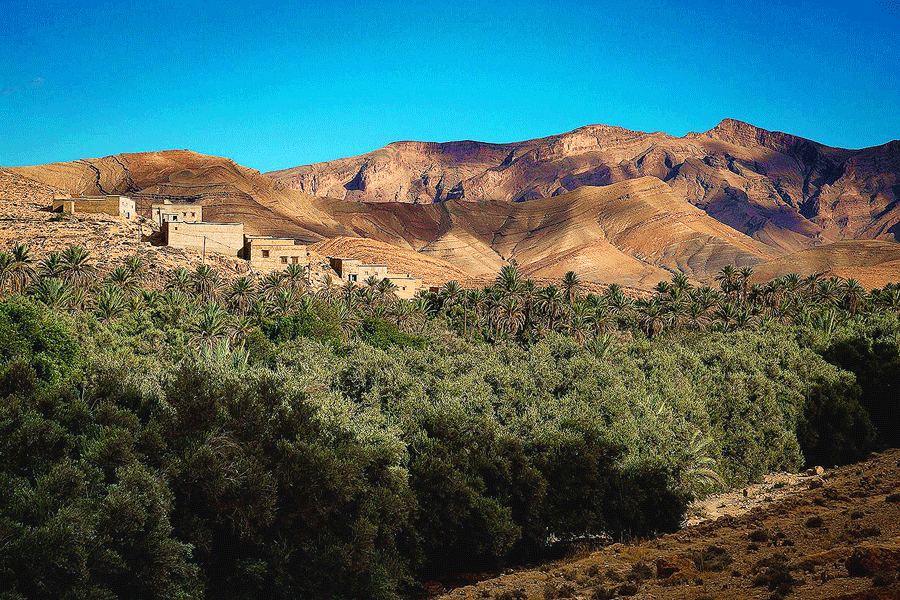
And then, just when the terrain starts to feel harsh, an oasis appears. Palm trees rise from the sand, fresh water bubbles to the surface, and tiny villages built of mud bricks hug the mountainsides. These quiet green pockets are not only beautiful but a reminder of how closely people here live with the land.
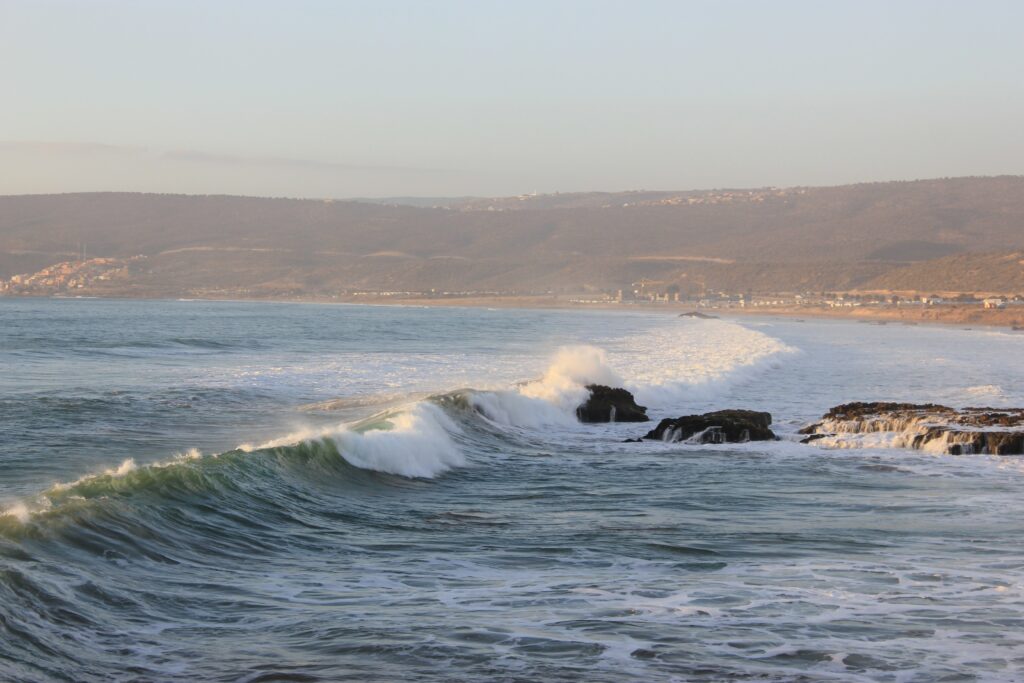
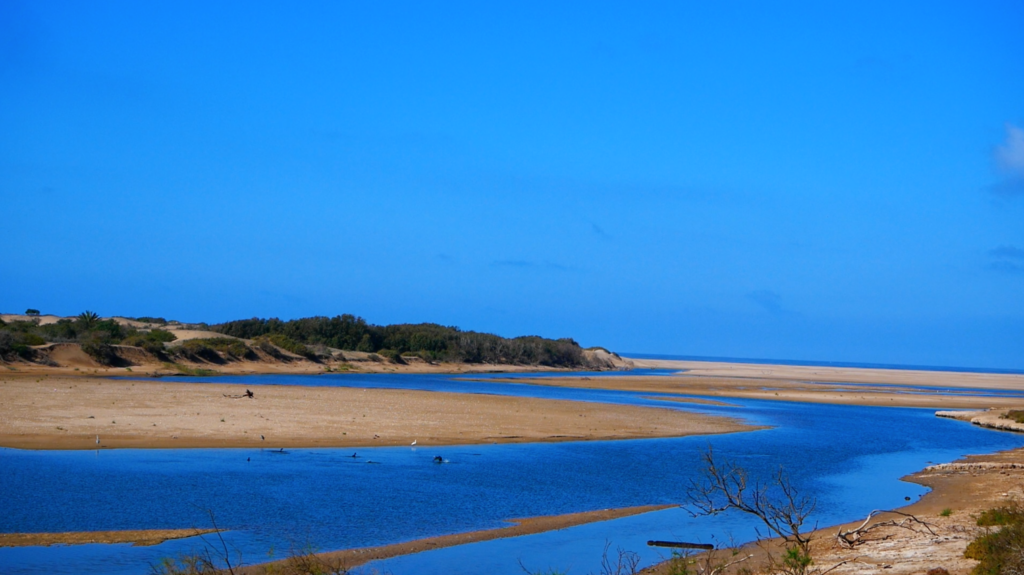
The Jbel Bani range cuts across two major regions: Souss-Massa and Guelmim-Oued Noun. It stretches from the dusty outskirts of Zagora all the way to the Atlantic coastline near Tan-Tan.
In just a few hours, you can go from dry desert landscapes to lush valleys lined with palms. Some areas feel like the edge of the world, while others buzz with the rhythm of village life. It’s this mix of wild nature and human resilience that makes Jbel Bani truly special.
One of the most magical things about Jbel Bani is its location—right next to the Sahara. From its slopes, you can look out over sweeping desert plains, with golden dunes glowing in the afternoon light.
And yet, in the middle of this dry, seemingly endless terrain, you’ll stumble upon vibrant oases—cool, green, and full of life. It’s a moment of surprise and relief: shade, water, and silence, all wrapped in nature’s most unexpected beauty.
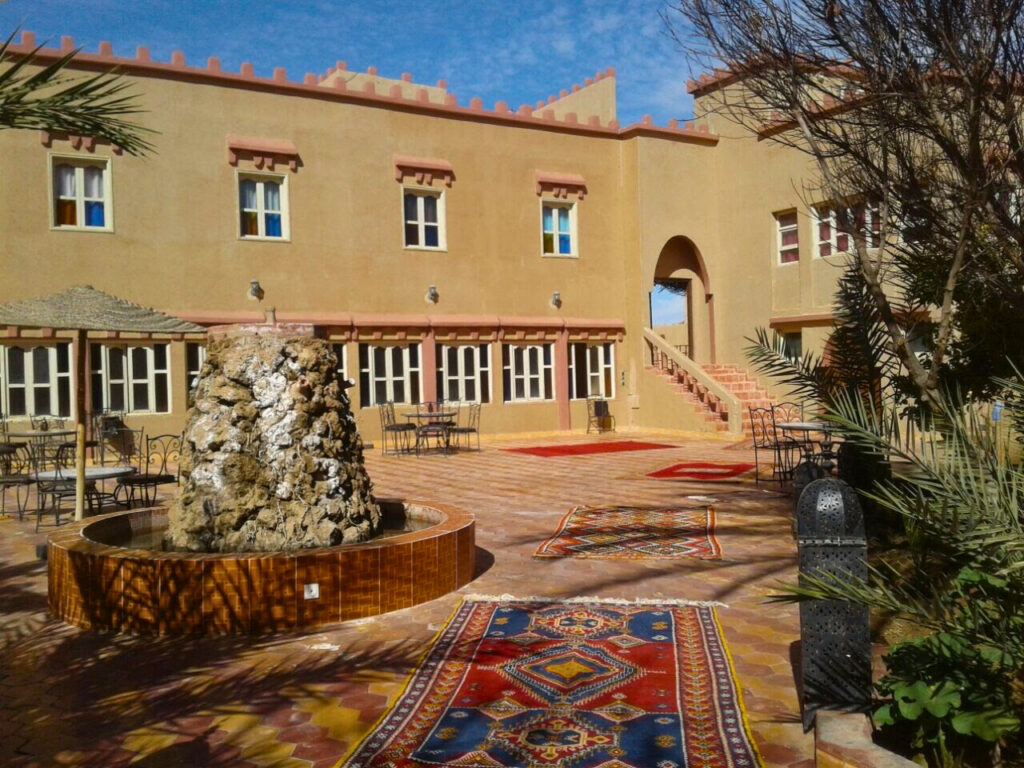
Jbel Bani isn’t just about what you see—it’s about what you feel. This region is filled with the echoes of Morocco’s past. You’ll find ancient ruins, fortified ksours, and centuries-old granaries that still stand strong.
Many of the villages here have kept their traditional way of life. Locals welcome visitors with warm hospitality, often inviting you to share mint tea or explain the history behind their homes and traditions. These are the kinds of moments that stick with you long after your trip ends.
If you’re someone who appreciates quiet places, meaningful experiences, and travel that connects you to people and place, Jbel Bani delivers. Whether you’re hiking across rocky trails, sitting in the shade of a palm grove, or listening to stories from a village elder, there’s a rhythm here that invites you to slow down.
This isn’t a place for rushing. It’s a place for wandering, wondering, and really soaking in what makes Morocco so deeply beautiful.
A trip to Jbel Bani is more than just a getaway—it’s a journey into a side of Morocco that many never see. Wild, peaceful, and full of character, it’s perfect for nature lovers, cultural explorers, and anyone looking to go beyond the usual.
So pack your bag, bring your curiosity, and let Jbel Bani show you a Morocco that’s quieter, deeper, and unforgettable.
Where: Southwestern Morocco, near the edge of the Sahara
What to See: Cliffs, canyons, oases, traditional Amazigh villages
Best For: Hikers, cultural travelers, photographers, slow travelers
Regions: Souss-Massa and Guelmim-Oued Noun
Experience: Raw landscapes, warm hospitality, ancient traditions
There are no results matching your search
There are no results matching your search