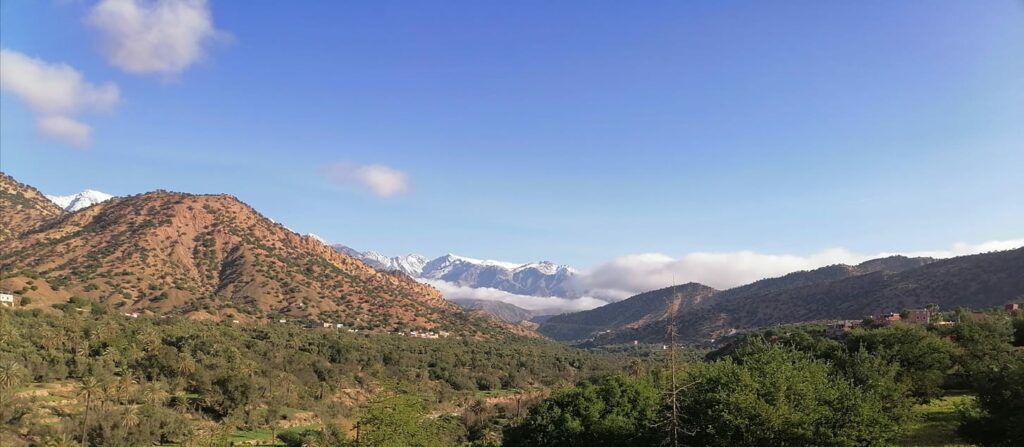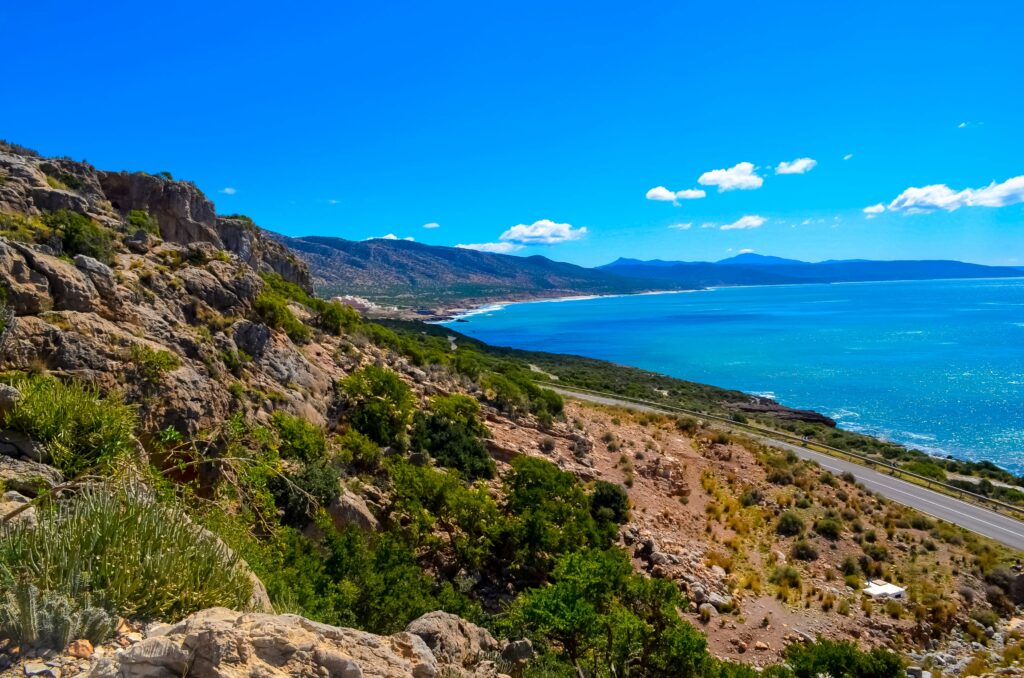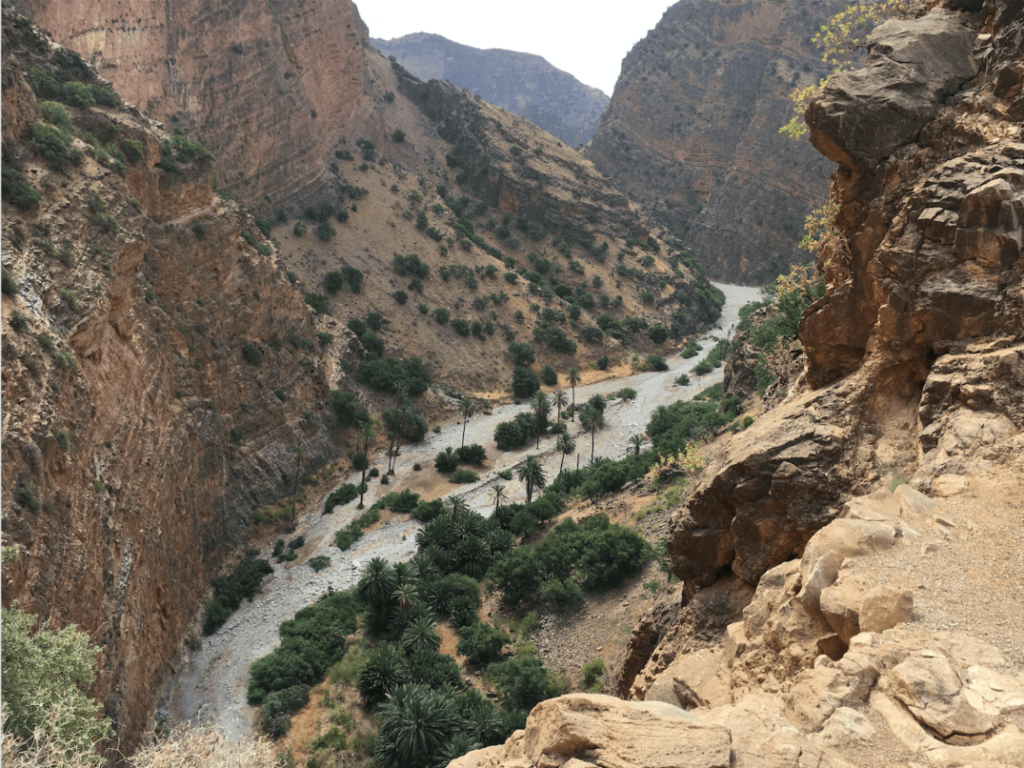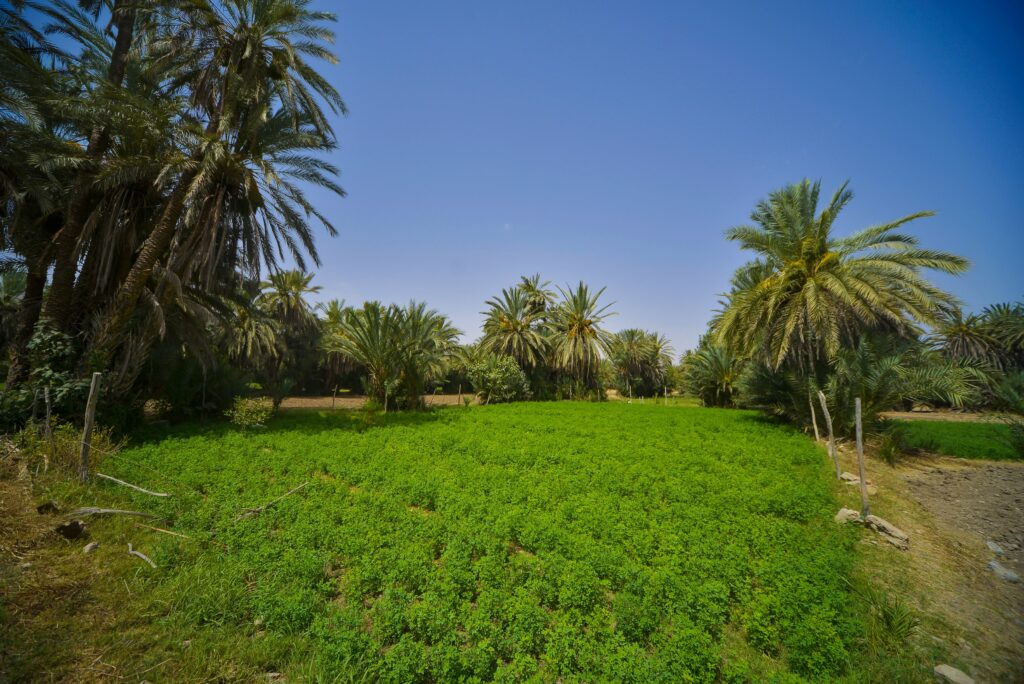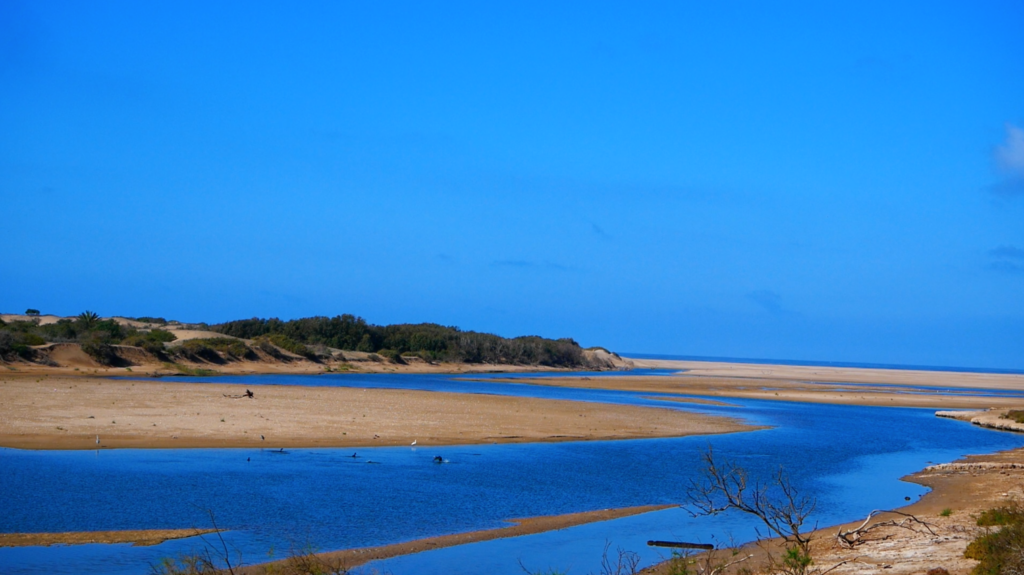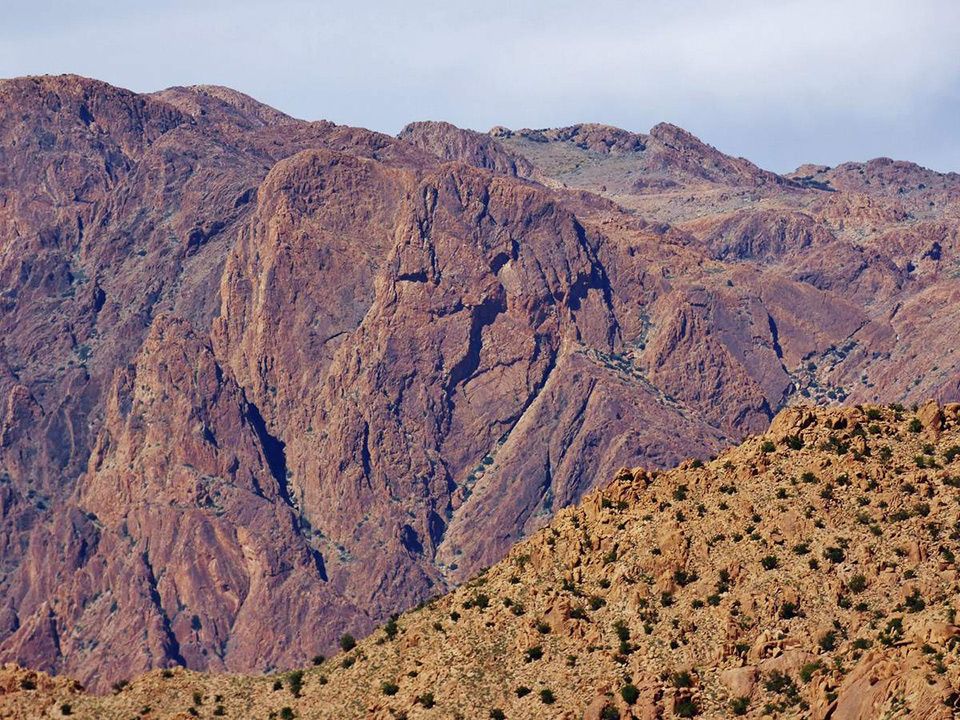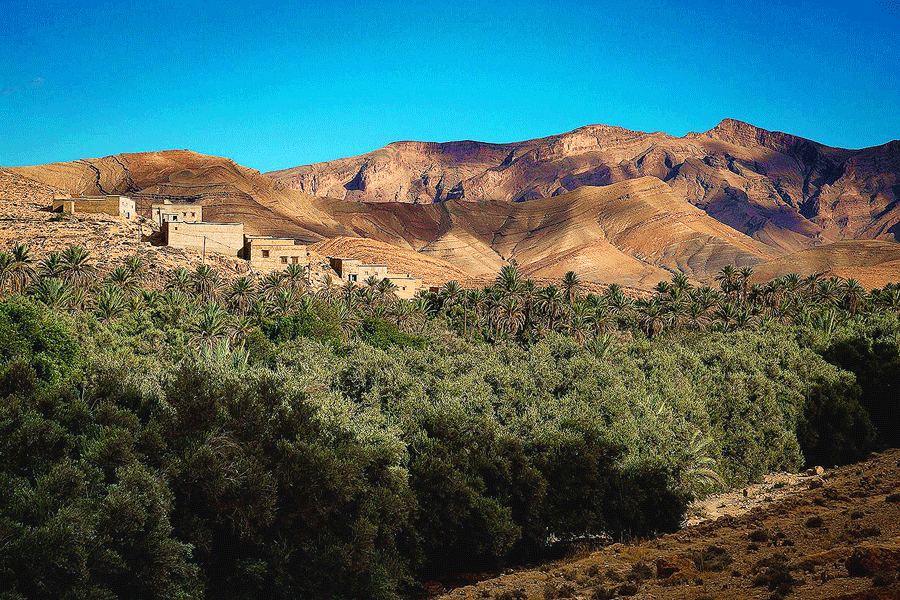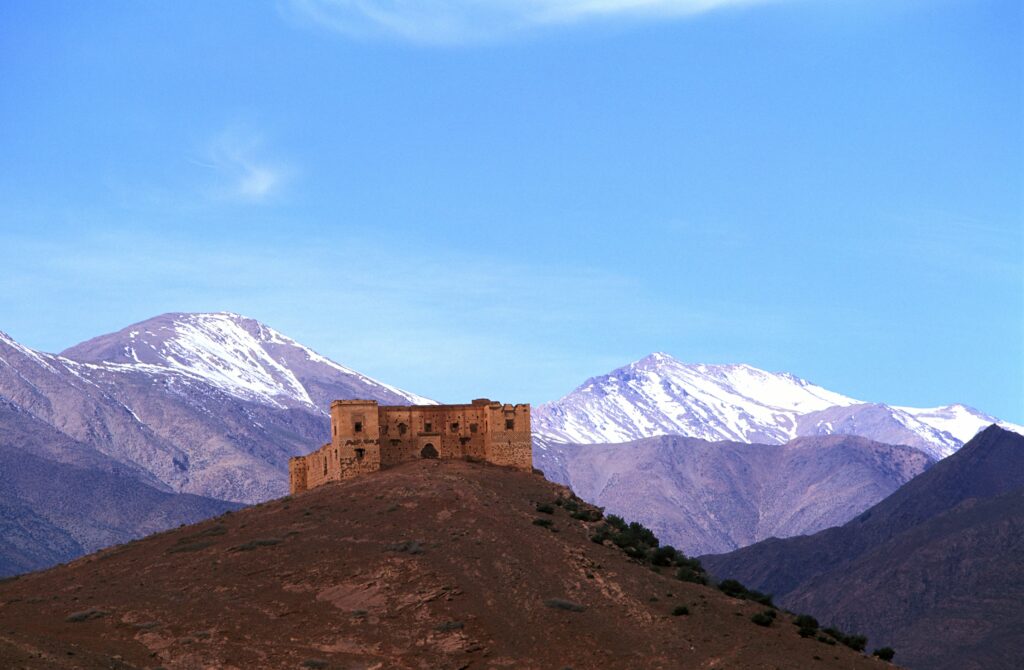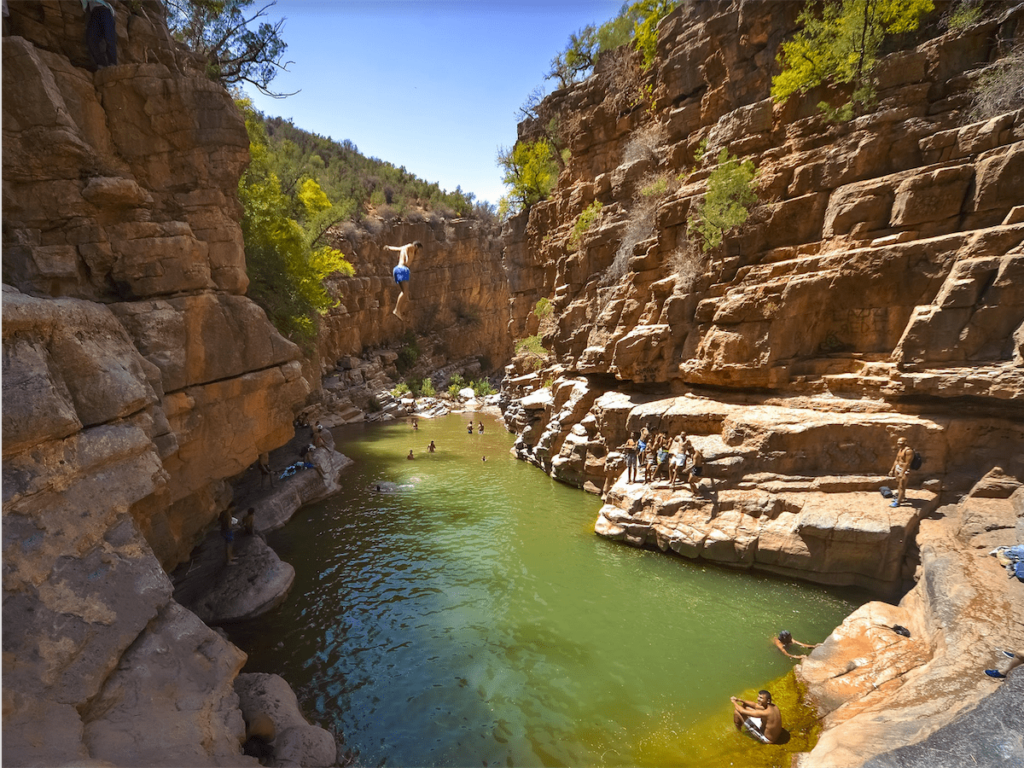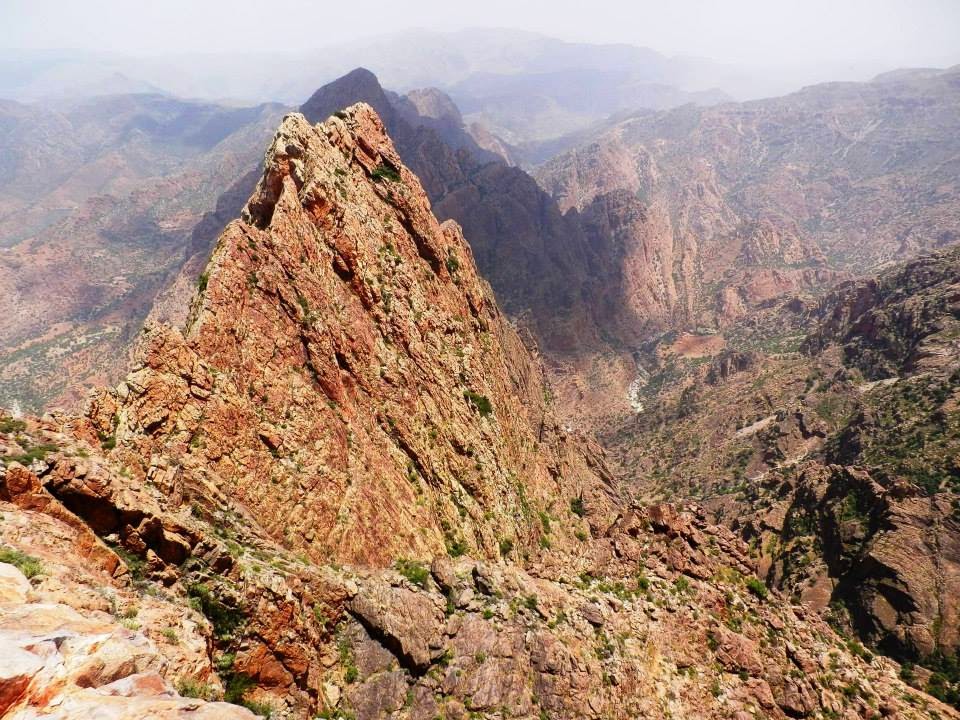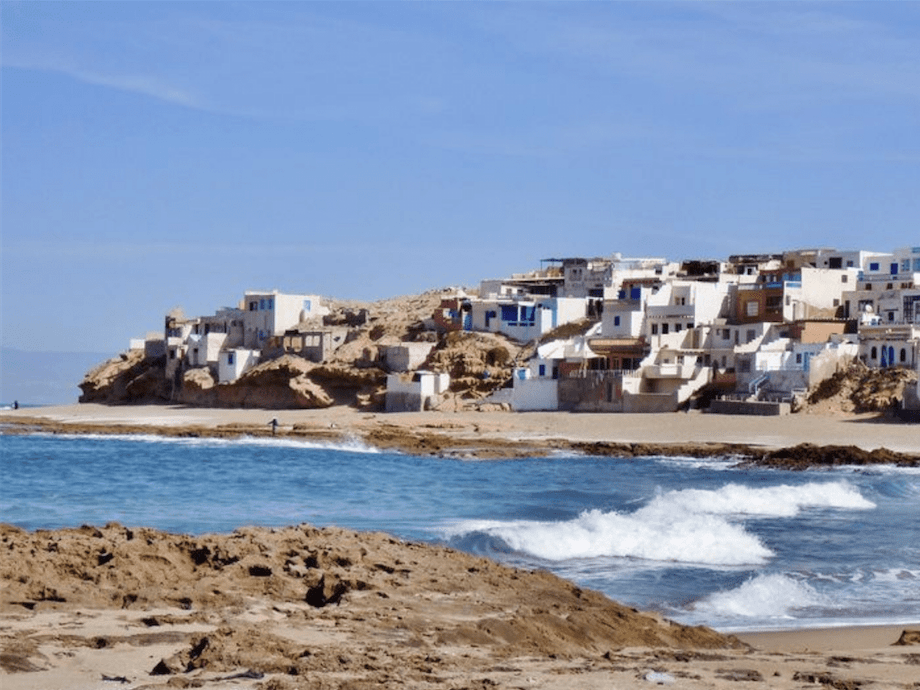

In the heart of Morocco’s Souss-Massa region, where arid landscapes meet resilient biodiversity, one tree stands out for both its ecological value and health benefits: the carob tree, scientifically known as Ceratonia siliqua. This evergreen native of the Mediterranean thrives in the dry, rocky soils of the region — offering not only environmental resilience but also a wide range of natural health advantages.
The carob tree has long been part of the traditional agroforestry systems in Souss-Massa, particularly in dry rural zones. Its ability to grow in poor soil with minimal water makes it an ideal tree for sustainable land use and climate adaptation. Beyond its environmental role, the carob’s edible pods are gaining international recognition as a superfood — linking the local to the global.
Carob pods are naturally rich in insoluble fiber, helping to regulate digestion, improve bowel movements, and support a healthy gut.
Thanks to its soluble fiber and antioxidant compounds, regular carob consumption can contribute to lowering LDL (bad) cholesterol levels.
Unlike cocoa, carob contains no caffeine or theobromine, making it a great alternative for people with sensitivities, children, or those avoiding stimulants.
Carob is a natural source of polyphenols, which help protect the body from oxidative stress and support the immune system.
Carob powder: Use in smoothies, baking, or as a caffeine-free hot drink
Carob chips: A healthy, chocolate-like alternative for snacks and desserts
Natural food thickener (E410): Widely used in food processing
Animal feed: A sustainable protein source in rural farming systems
Climate: Hot, dry, Mediterranean – just like Souss-Massa
Soil: Poor, rocky, well-drained
Water: Drought-resistant and requires minimal irrigation
Propagation: Commonly grown from seed or grafted
As a hardy, drought-tolerant tree, Ceratonia siliqua is ideal for regreening degraded lands and promoting agro-ecological practices in arid regions like Souss-Massa.
the Carob Tree is more than just a tree — it’s a symbol of natural resilience, cultural heritage, and sustainable health. In Souss-Massa, it represents the power of local ecosystems to offer global solutions: from healthy diets to eco-conscious agriculture. By protecting and promoting trees like the carob, we nurture both our land and our future.
There are no results matching your search
There are no results matching your search