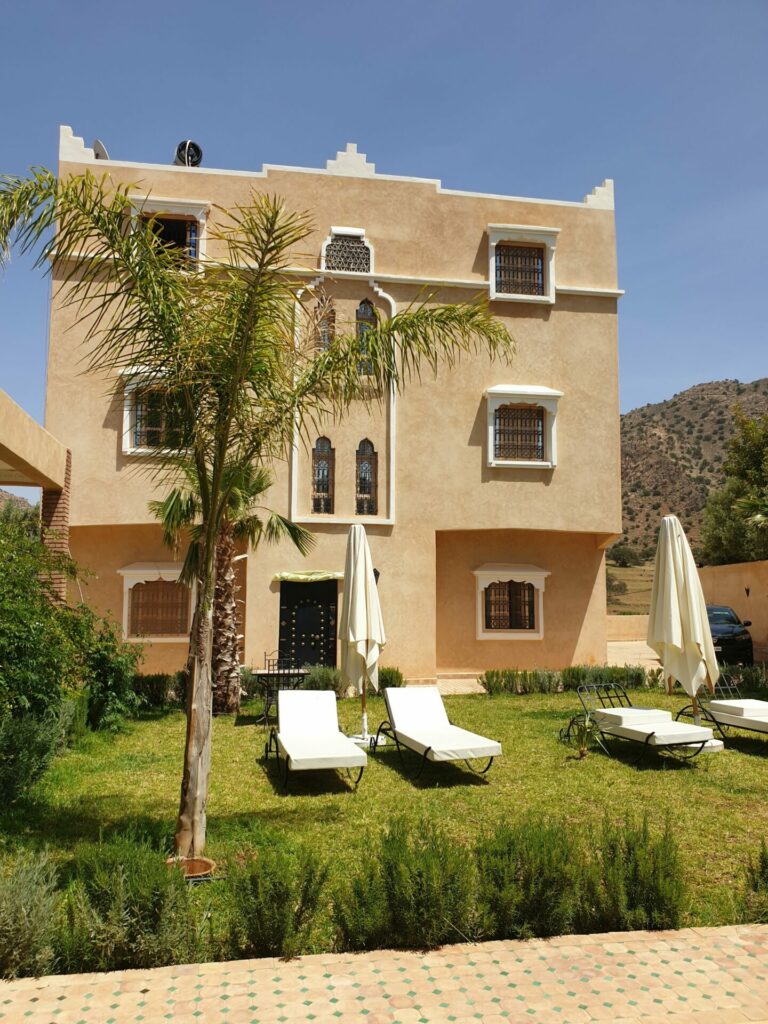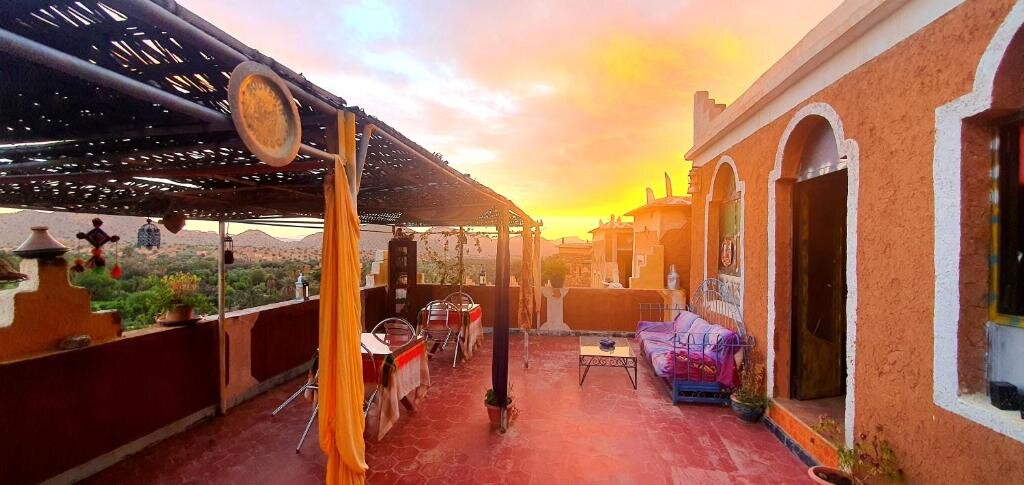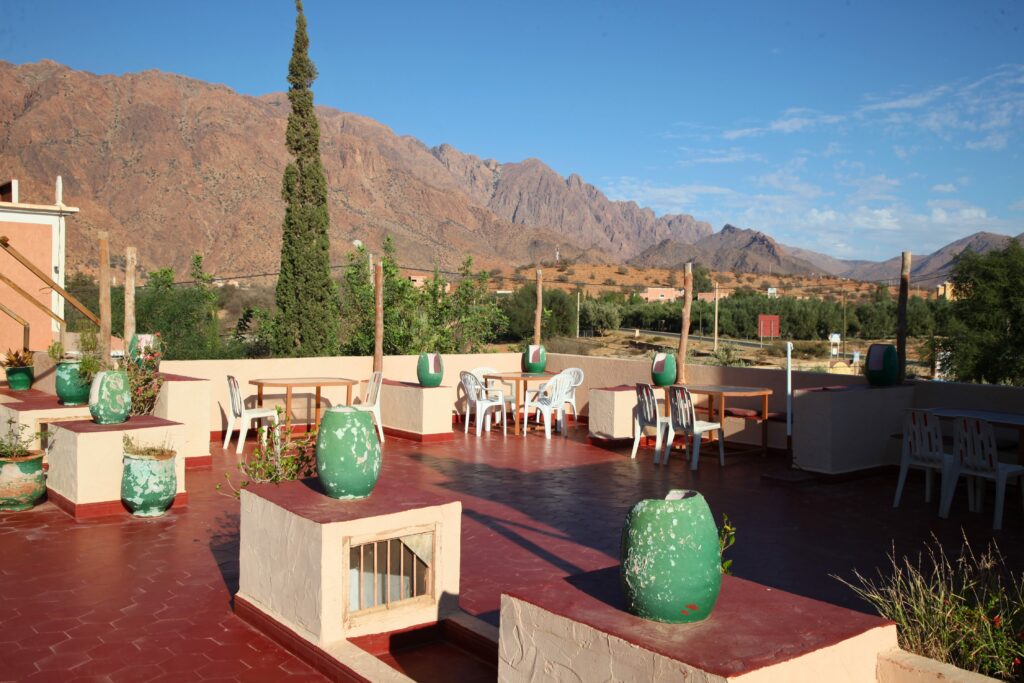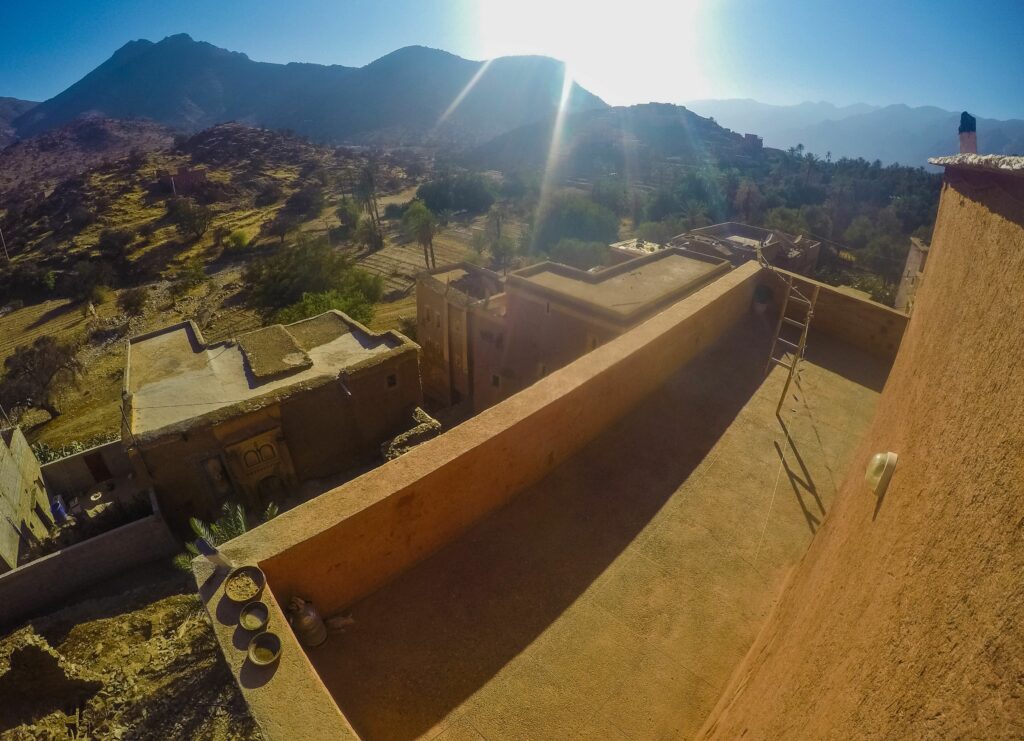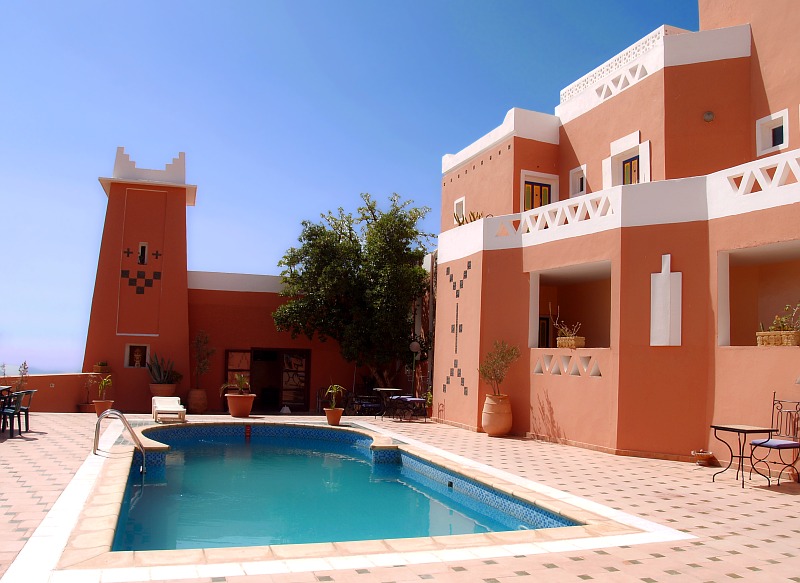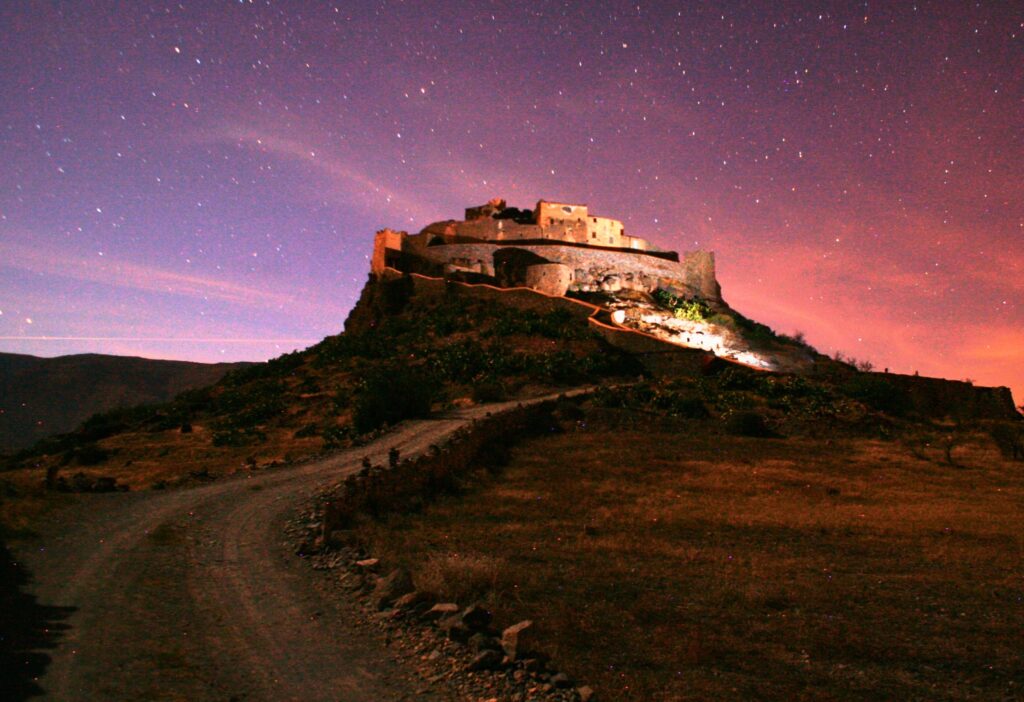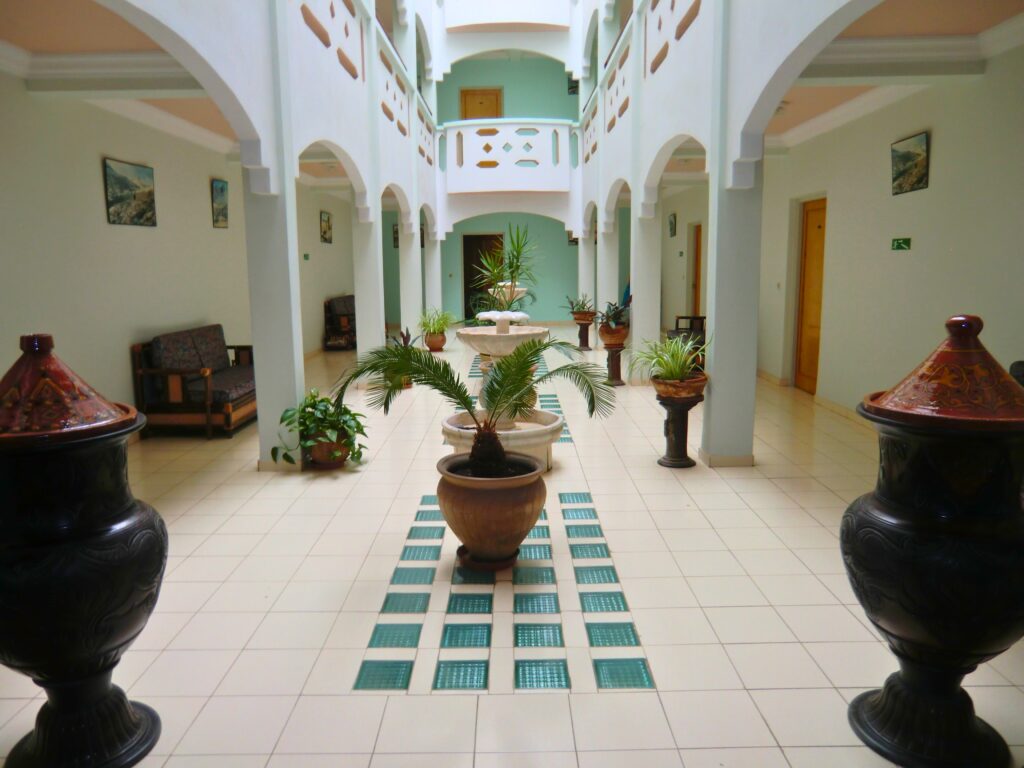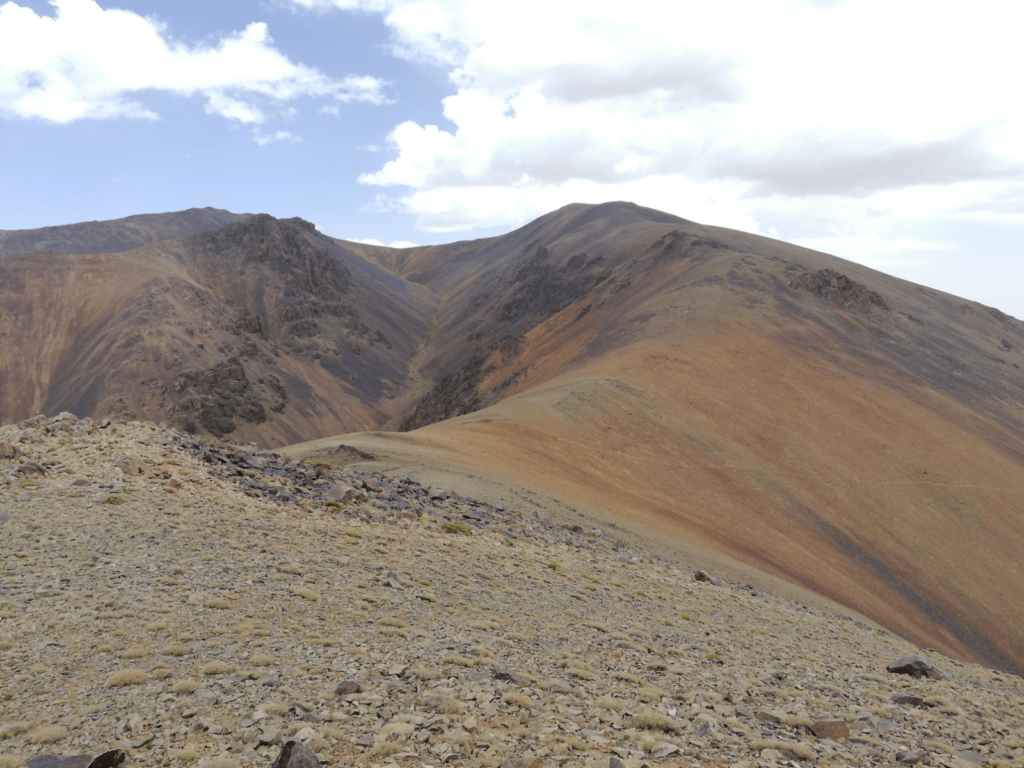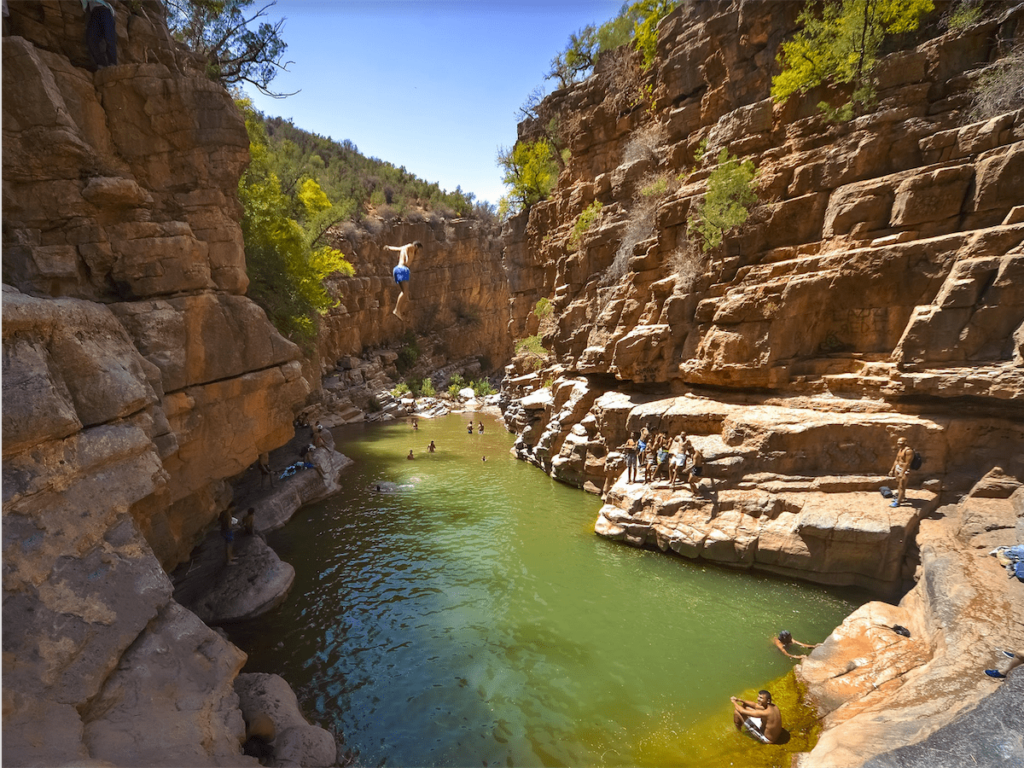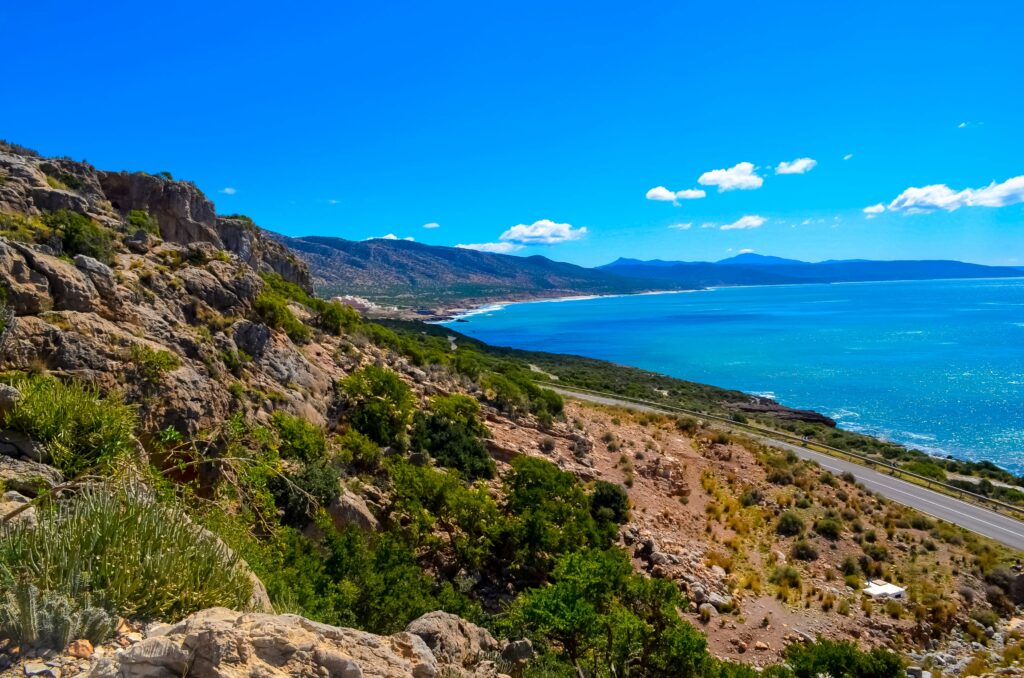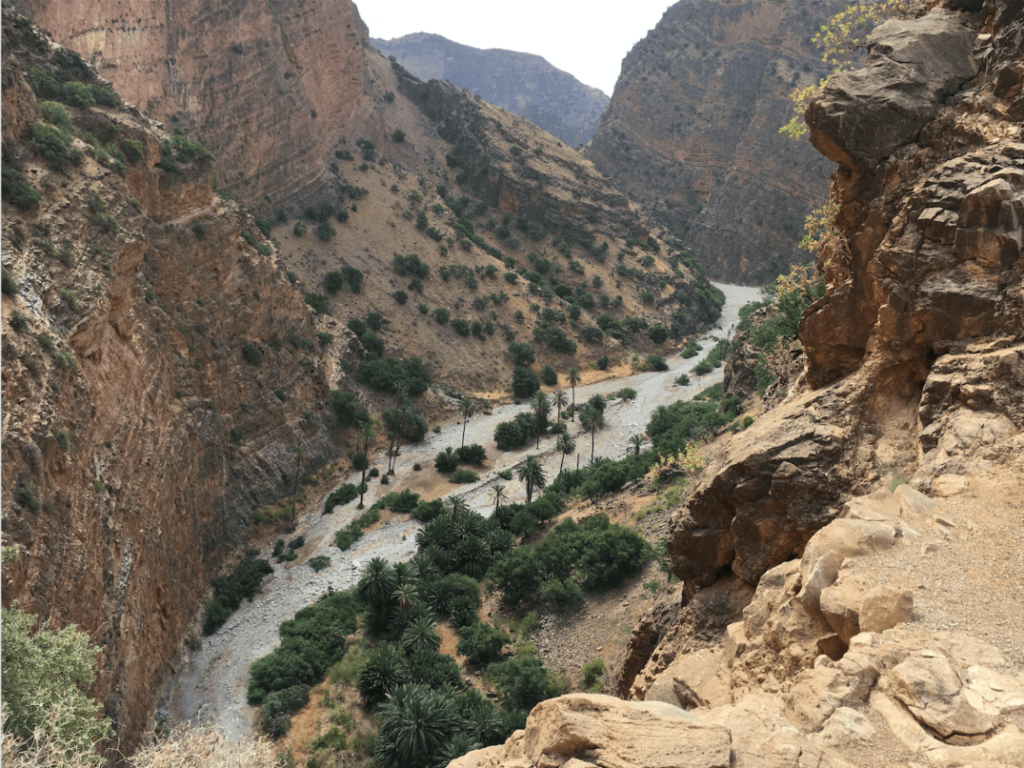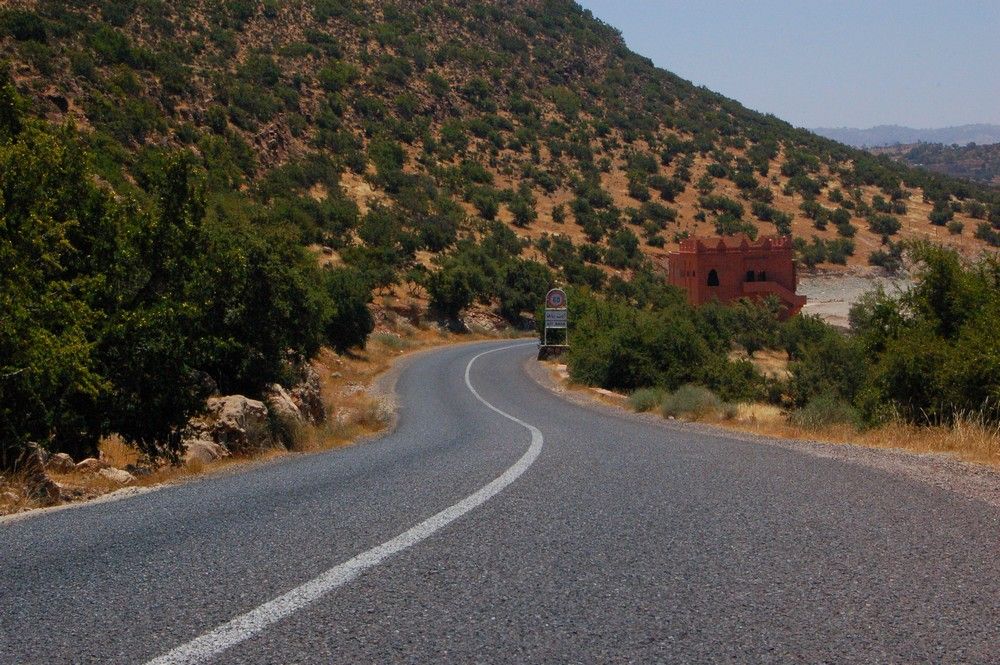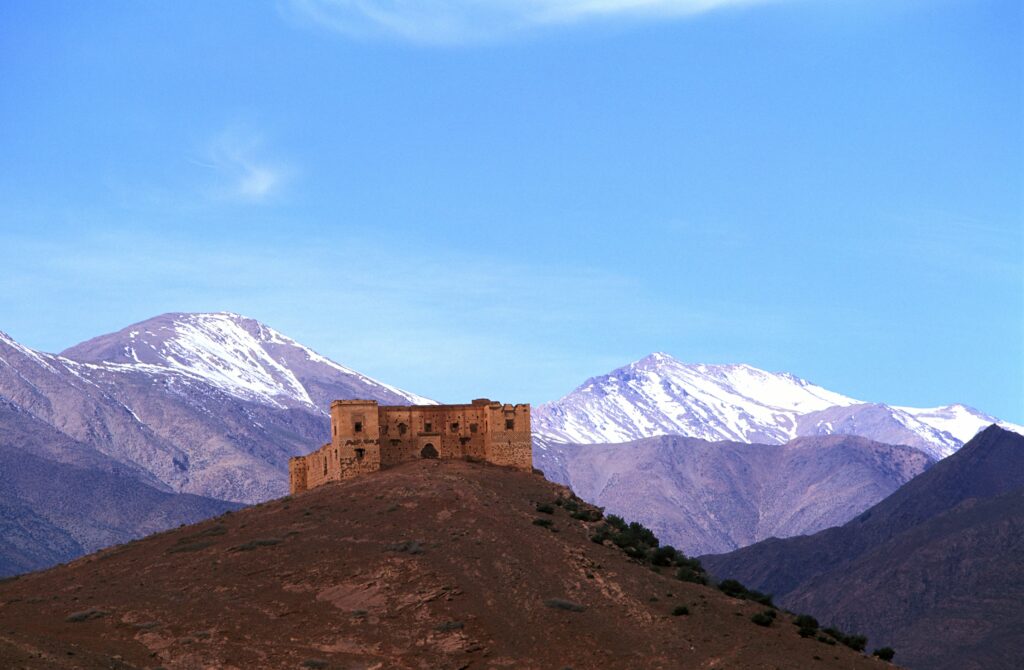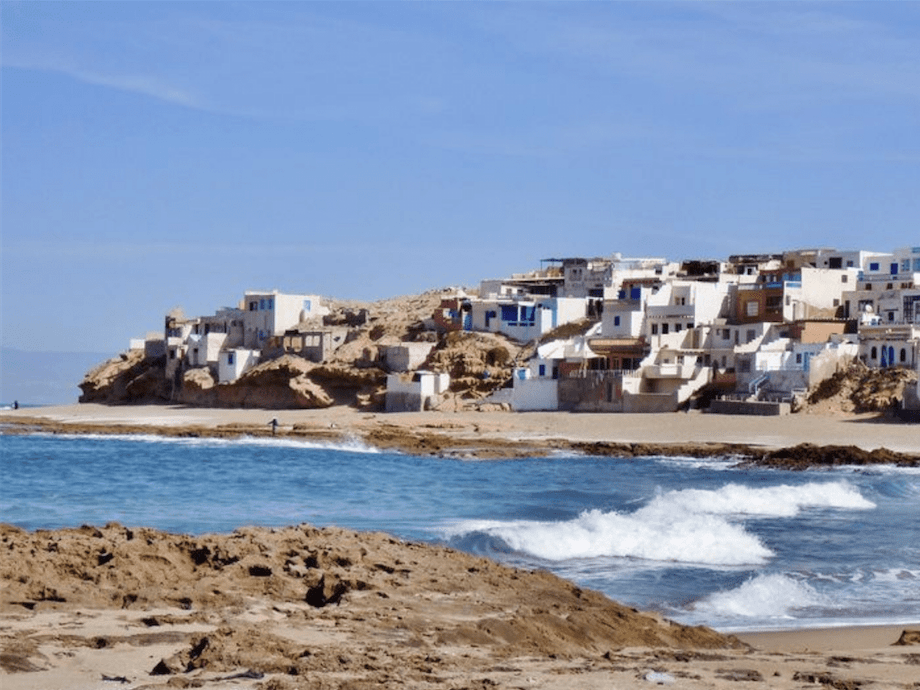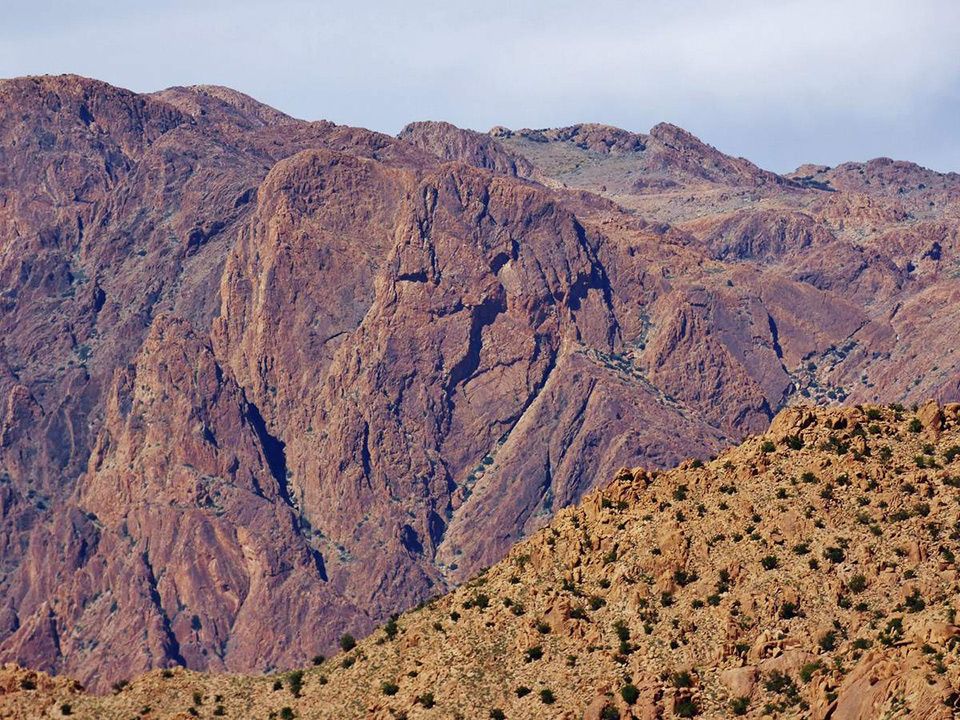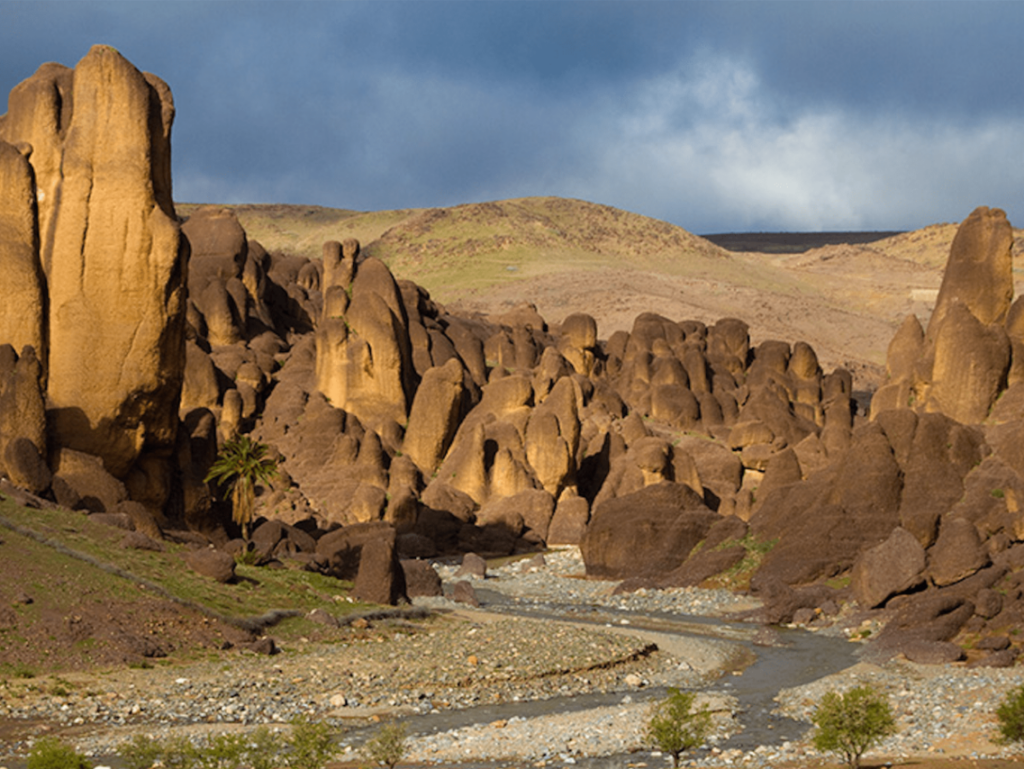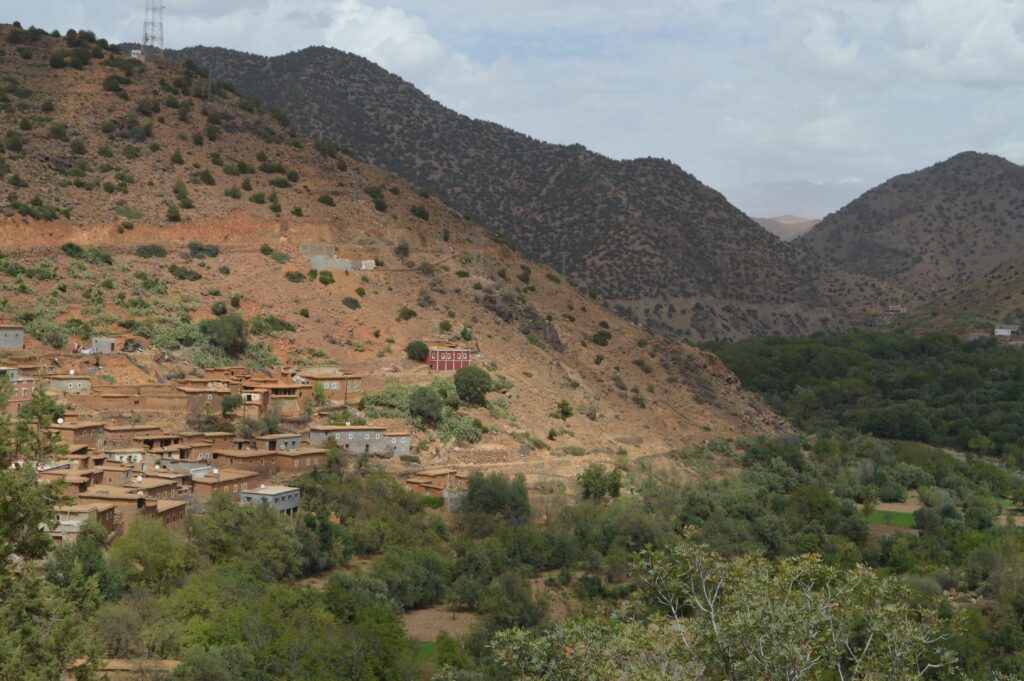
Afantinzar Valley lies deep within the rugged landscapes of the Anti-Atlas. Here, steep slopes, narrow passages, and rocky reliefs shape a secluded environment that feels far removed from modern infrastructure. Small traditional villages appear discreetly along the valley, blending naturally into the surrounding terrain.
As a result, the valley offers a strong sense of isolation and authenticity. The landscape dominates daily life, and human presence adapts to the rhythm imposed by nature. This balance creates an atmosphere of calm and permanence.
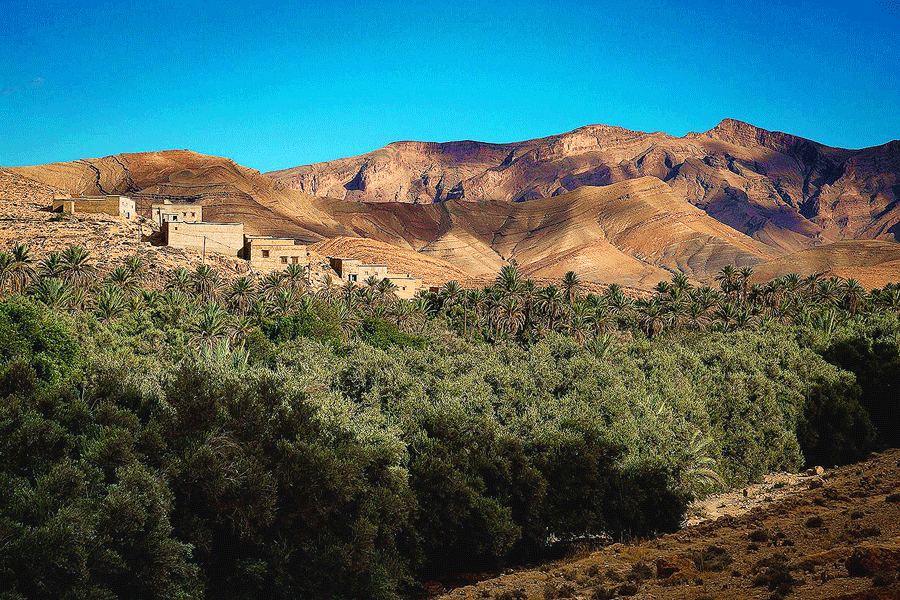
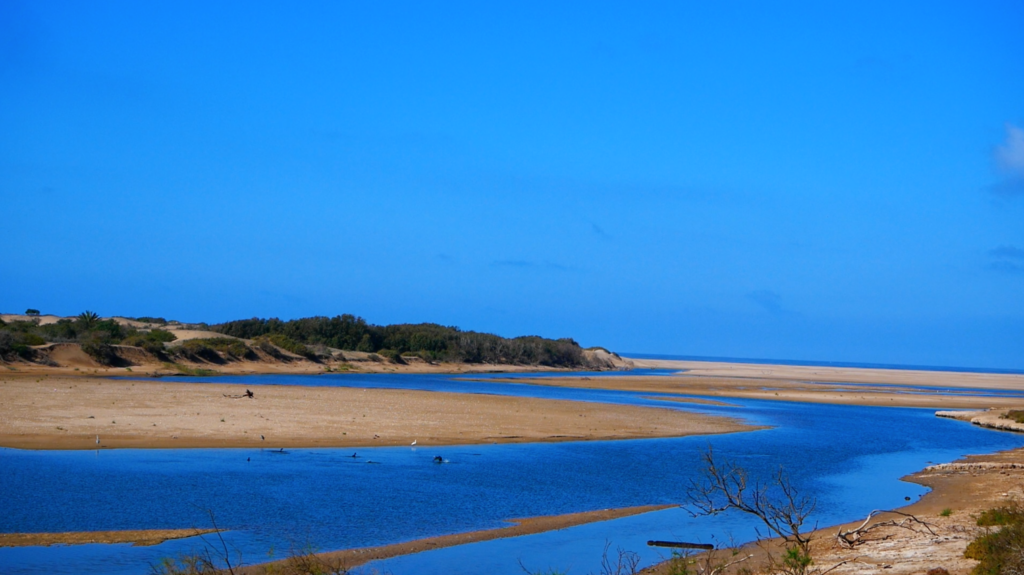
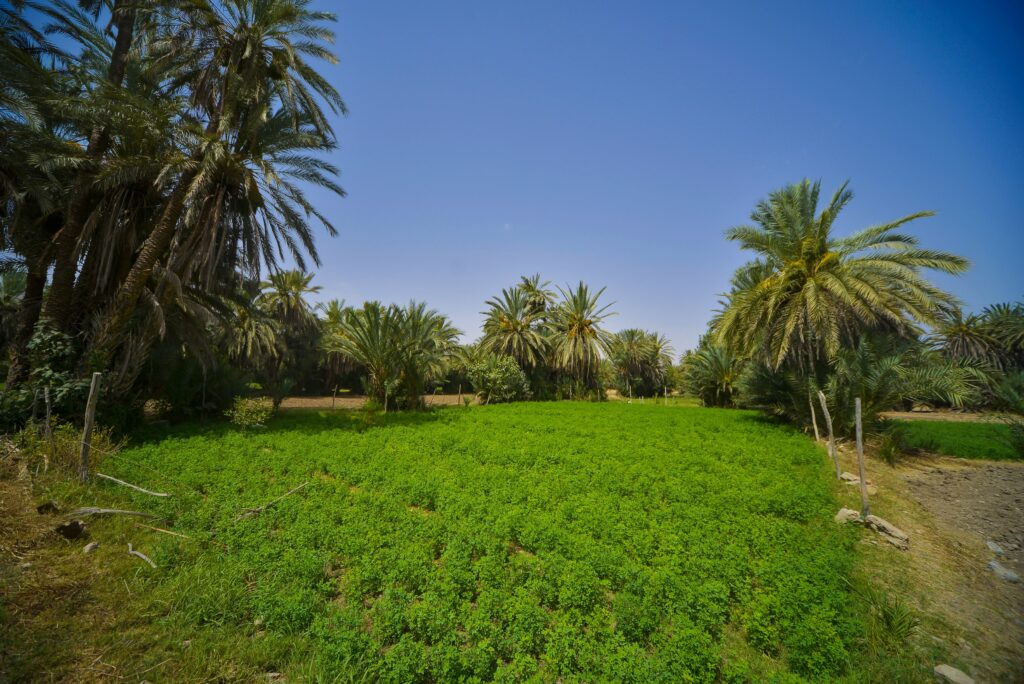
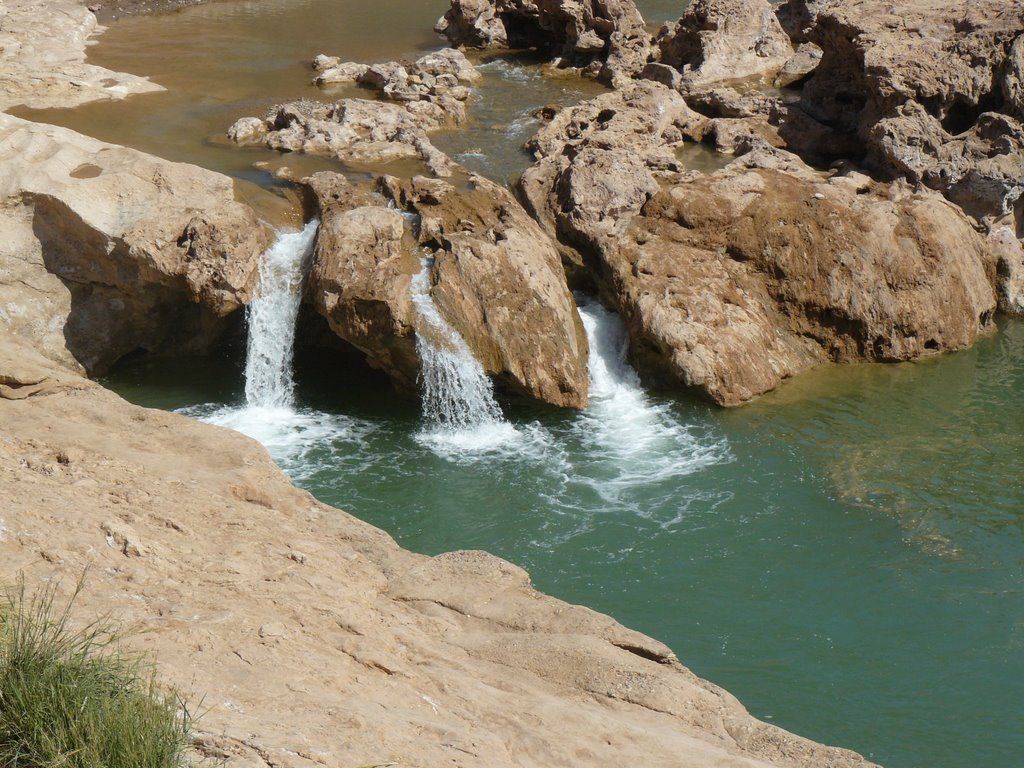
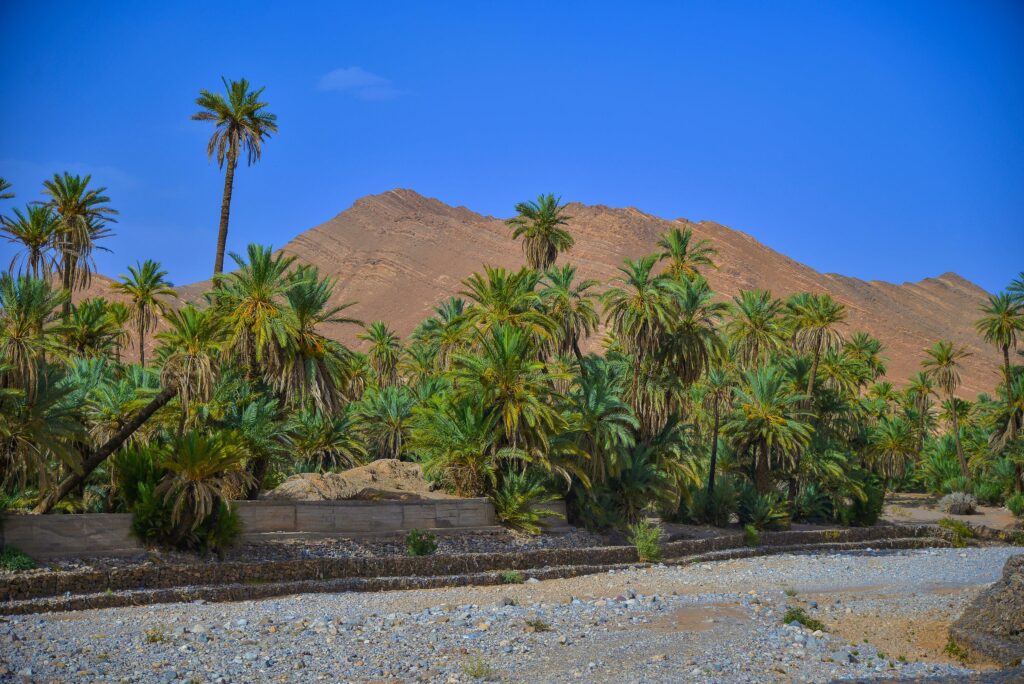
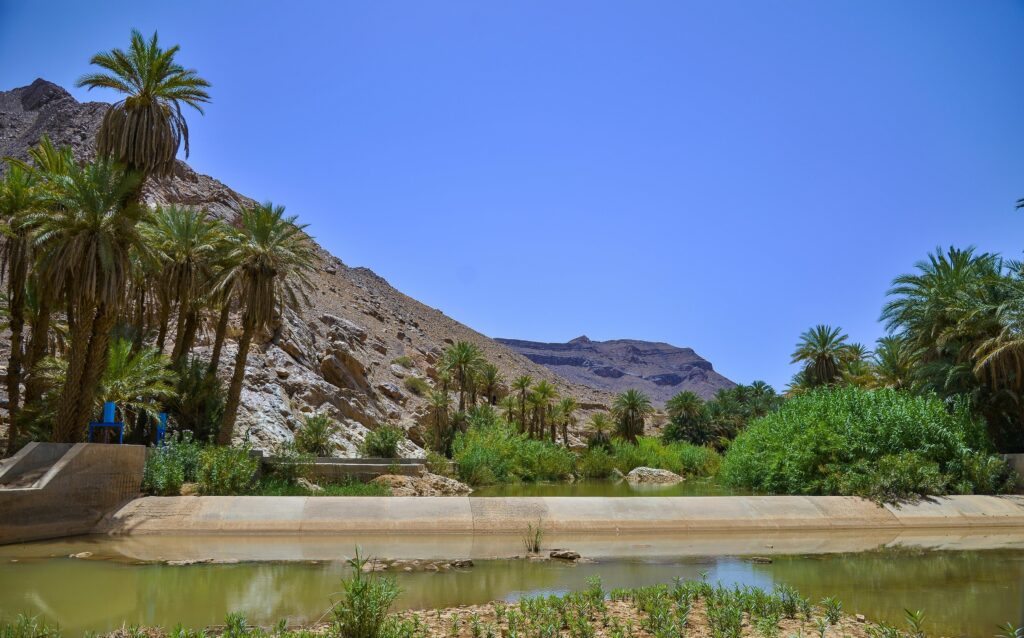
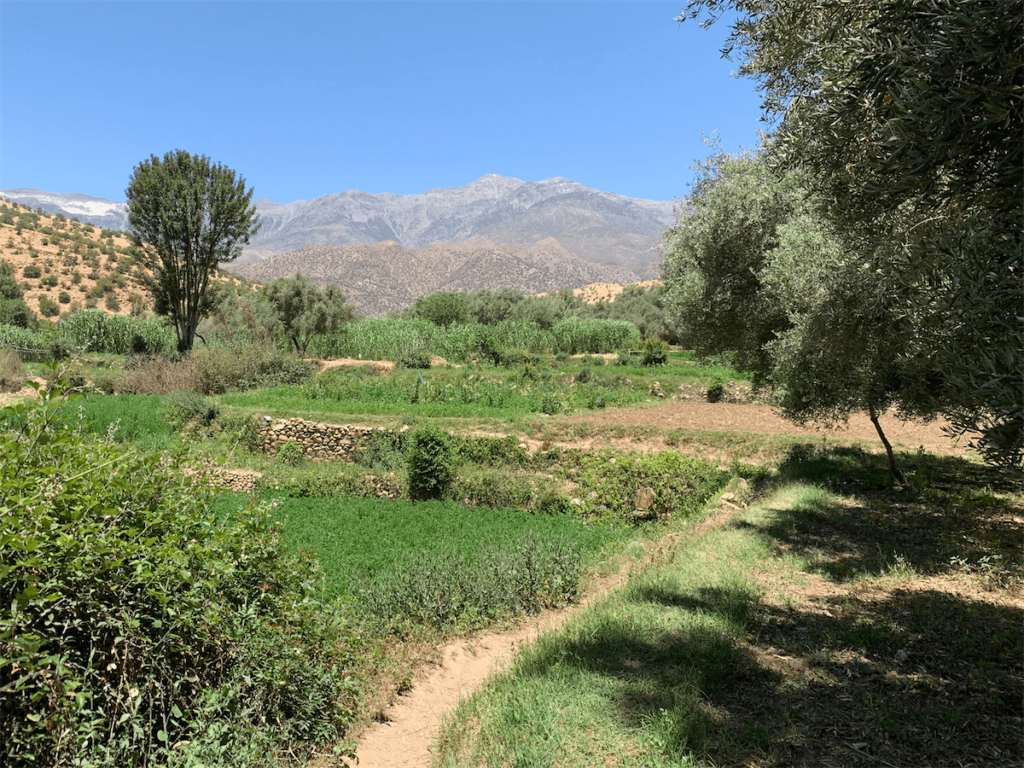
At the heart of Afantinzar Valley flows a seasonal watercourse that structures both the landscape and rural life. During periods of flow, the river sustains small cultivated plots along its banks. Palm trees, fig trees, and basic crops grow in narrow strips of fertile land.
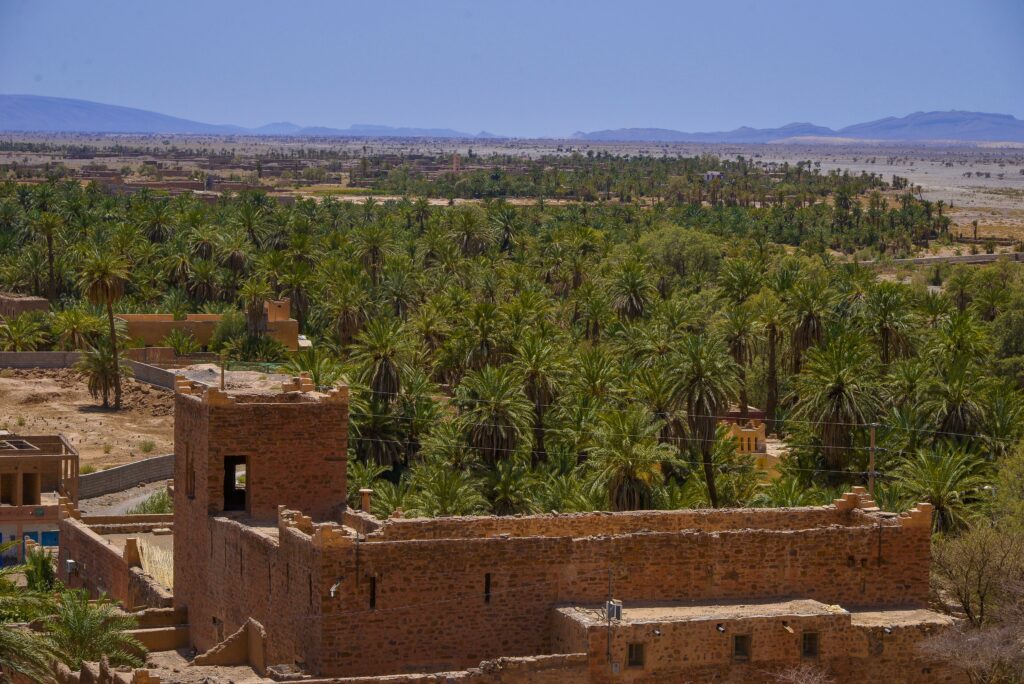
Moreover, stone terraces built into the slopes reflect traditional agricultural knowledge. Dry-stone walls, earthen houses, and simple footpaths form a coherent rural setting. Architecture and nature remain closely connected, using local materials and responding to the constraints of the terrain.
Rather than dramatic landmarks, the valley reveals itself through small details. The texture of stone walls, the sound of water, and the rhythm of agricultural activities define the experience. Consequently, visitors are invited to observe rather than rush.
Ultimately, Afantinzar Valley reflects the core identity of the Anti-Atlas. Its landscapes show resilience shaped by time and natural constraints. Life remains closely tied to the land, preserving a modest and functional way of living.
In this sense, the valley stands as a living example of rural continuity in southern Morocco. Traditions, environment, and daily practices remain deeply interconnected, offering a genuine encounter with the Anti-Atlas spirit.
There are no results matching your search
There are no results matching your search