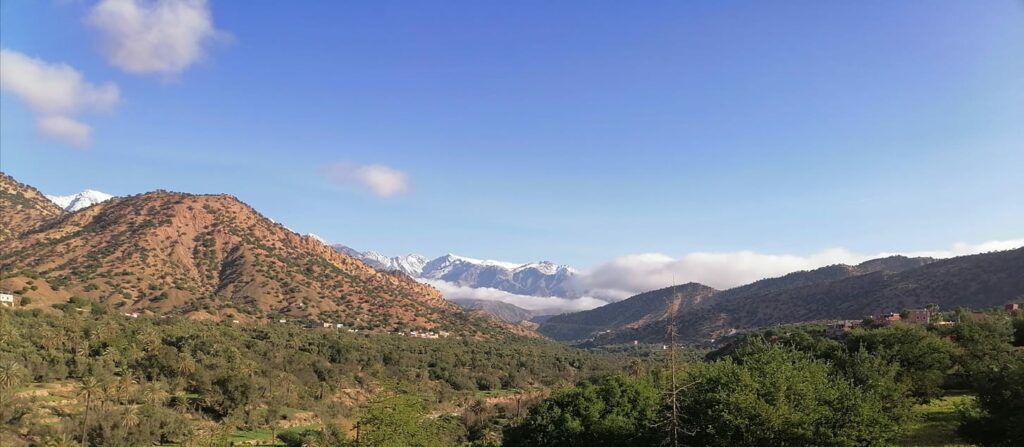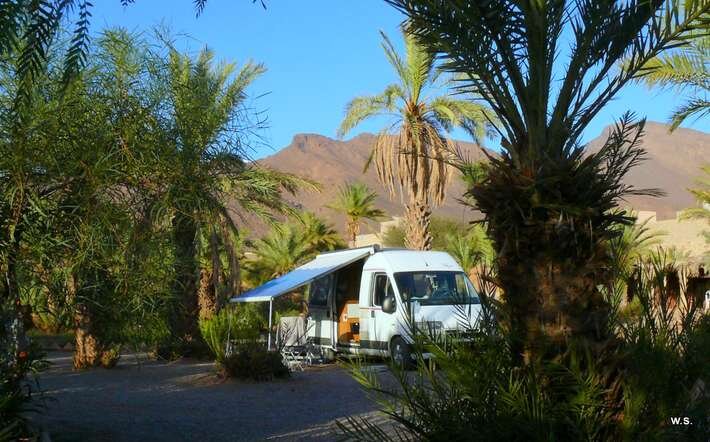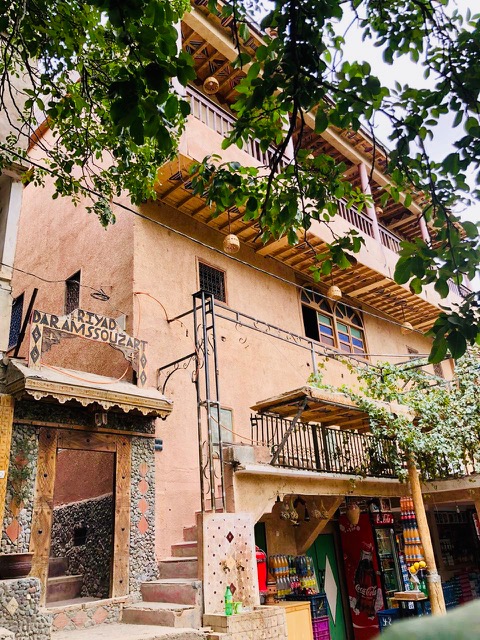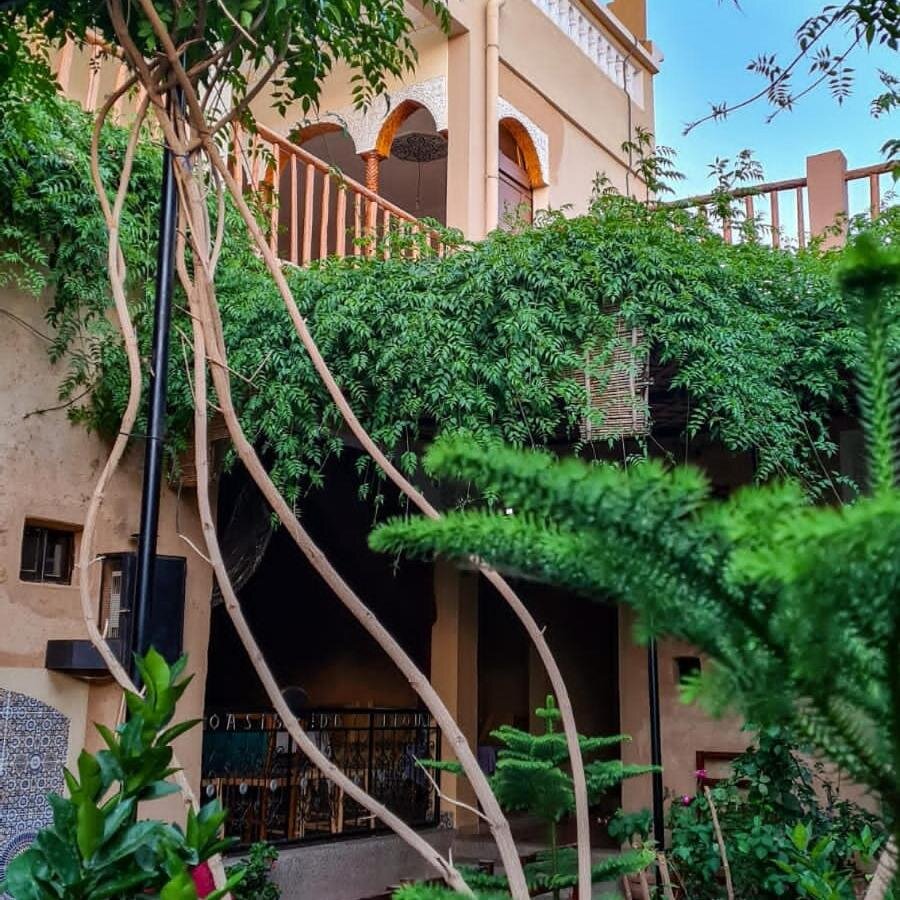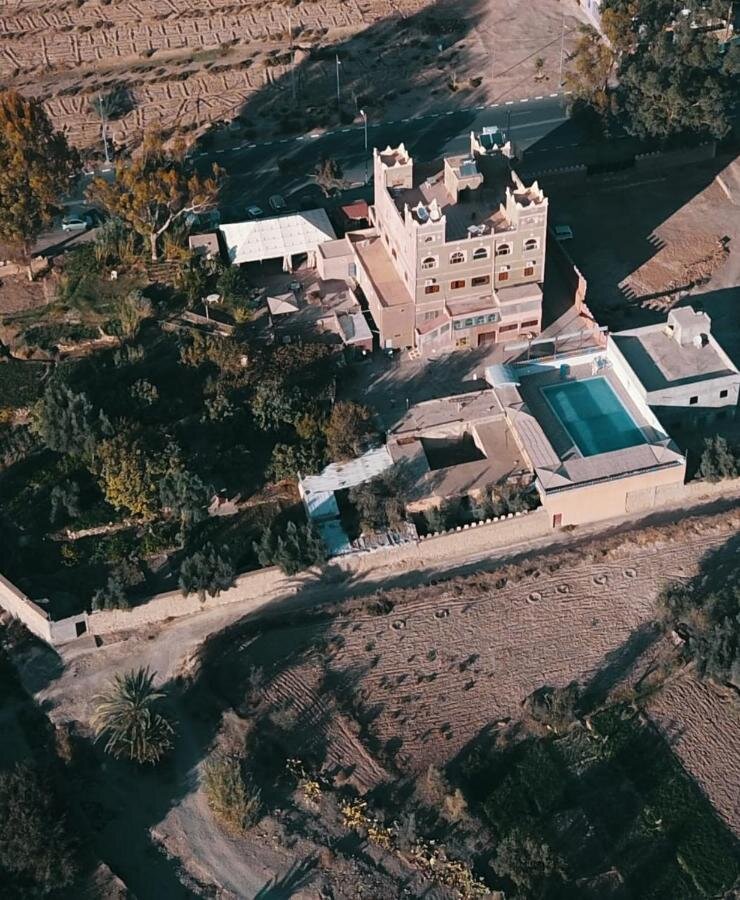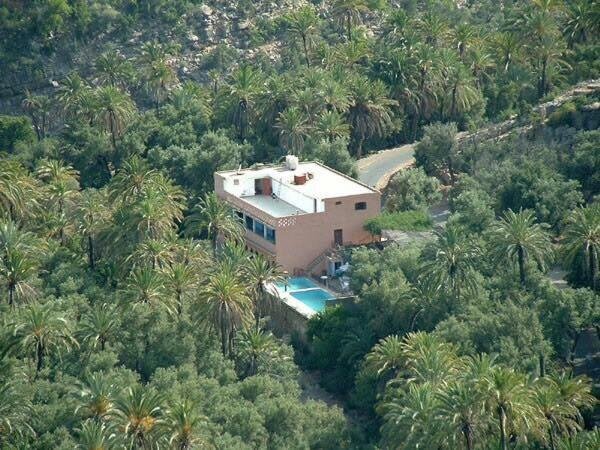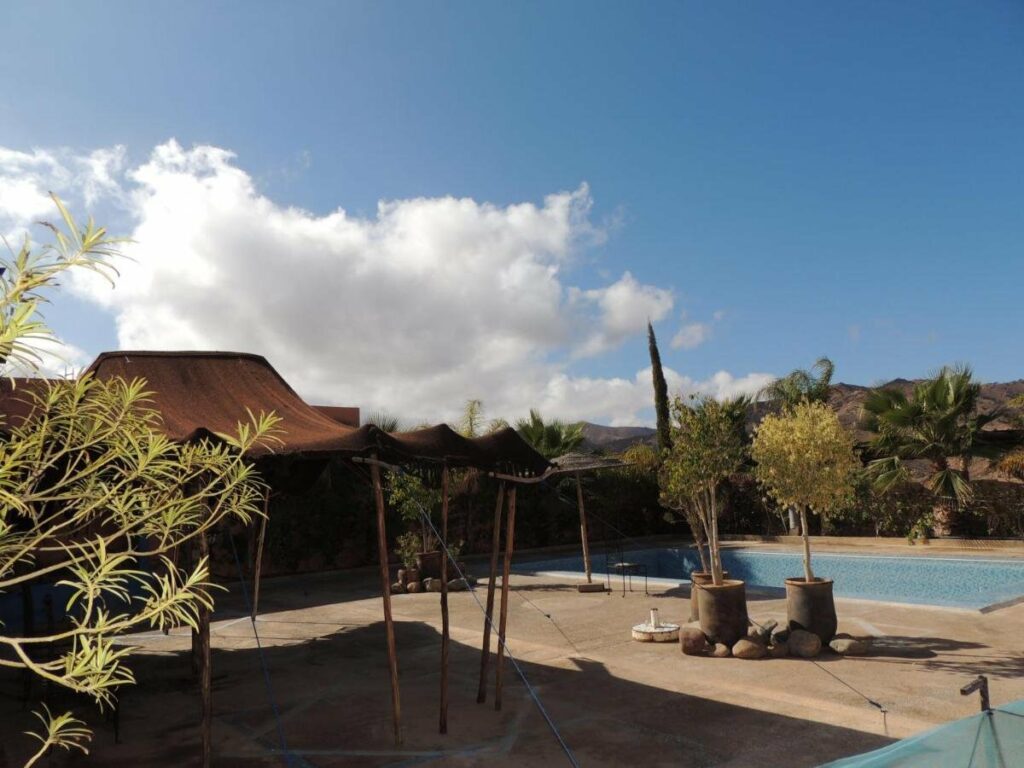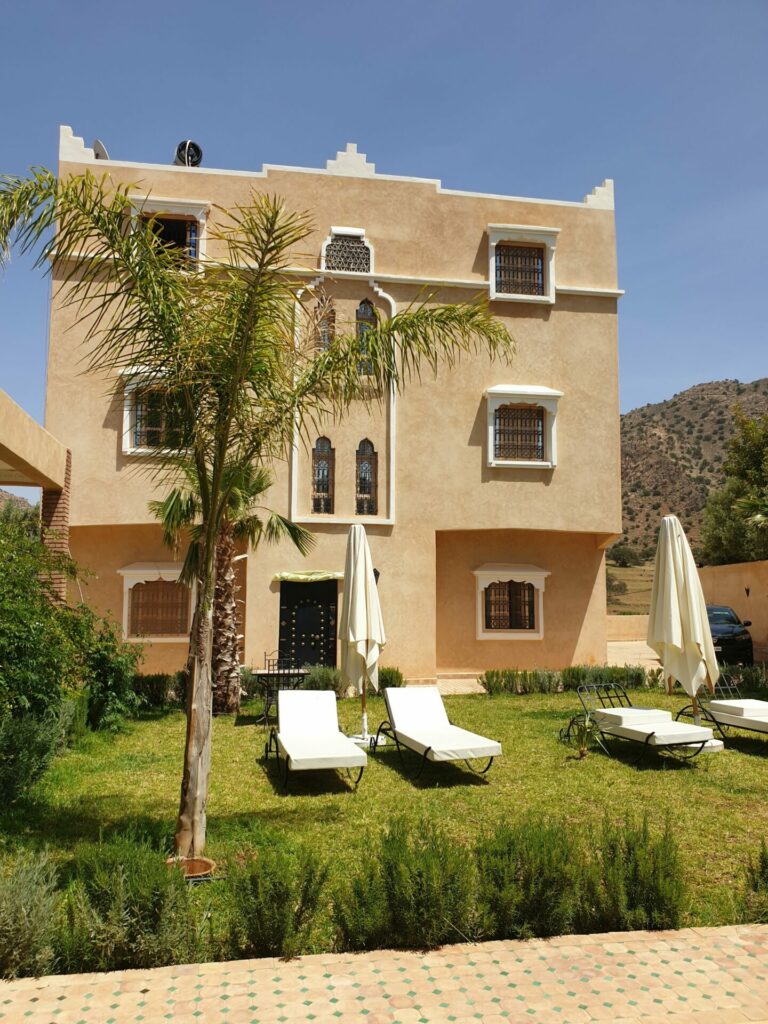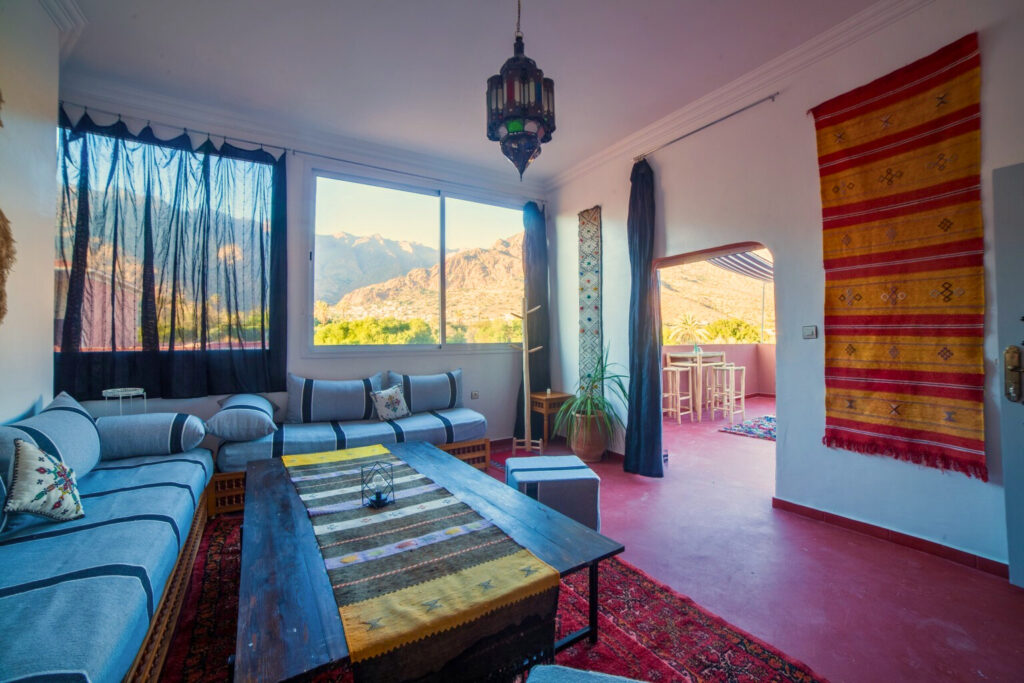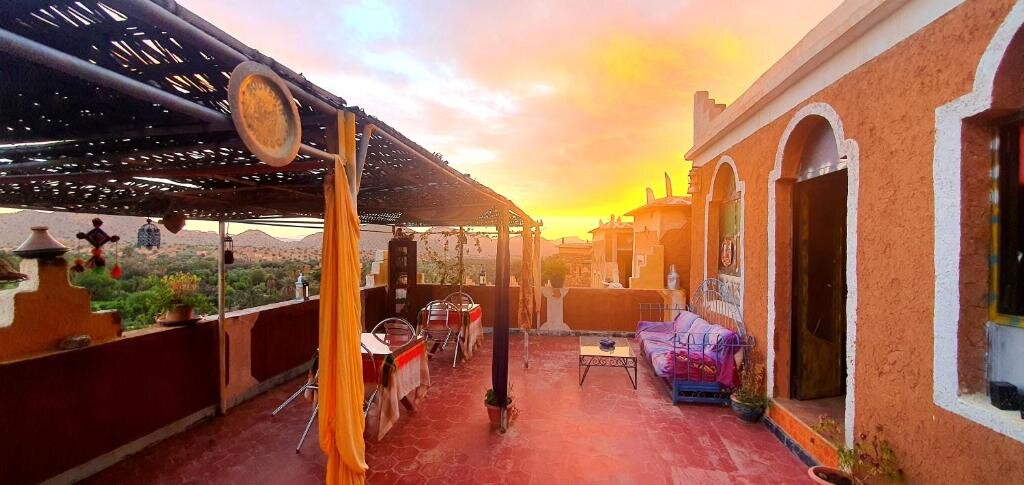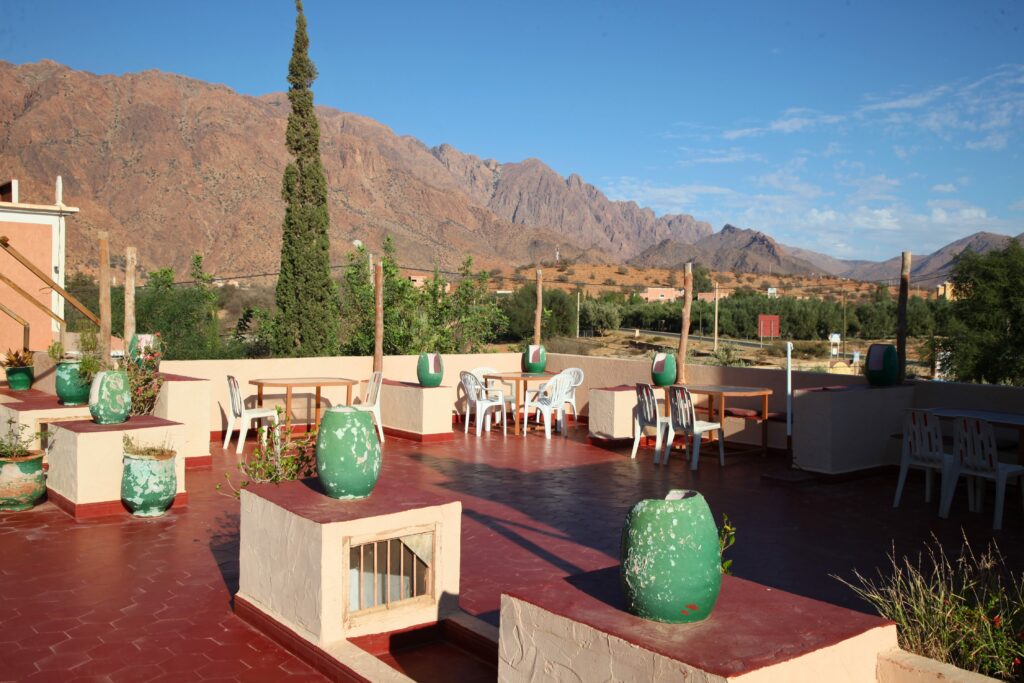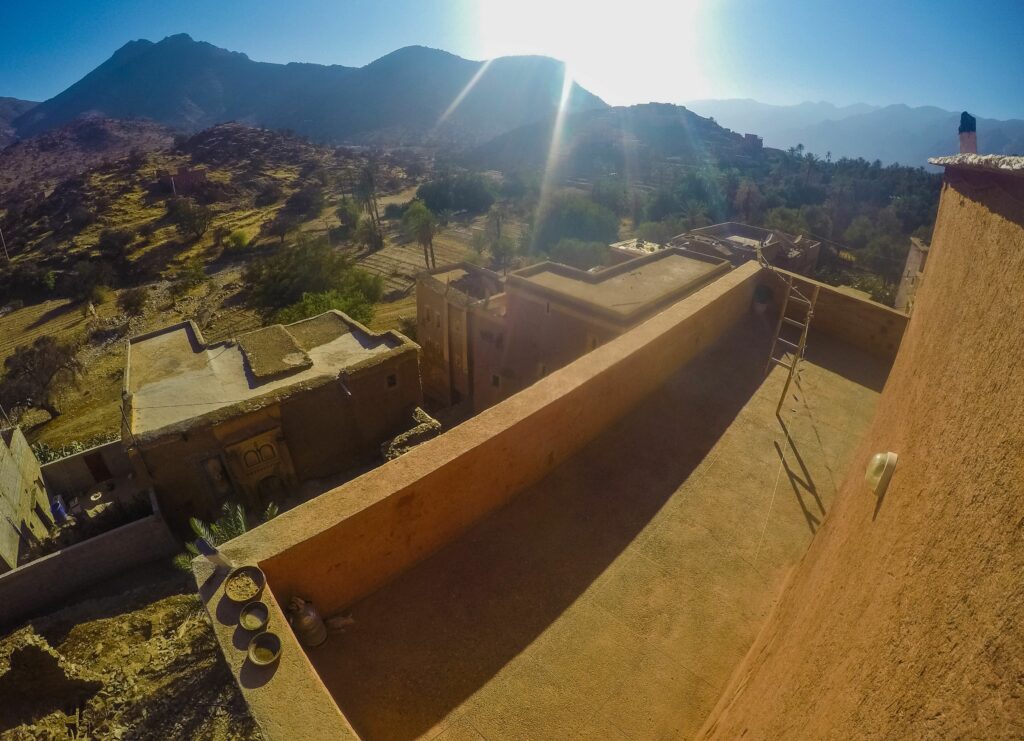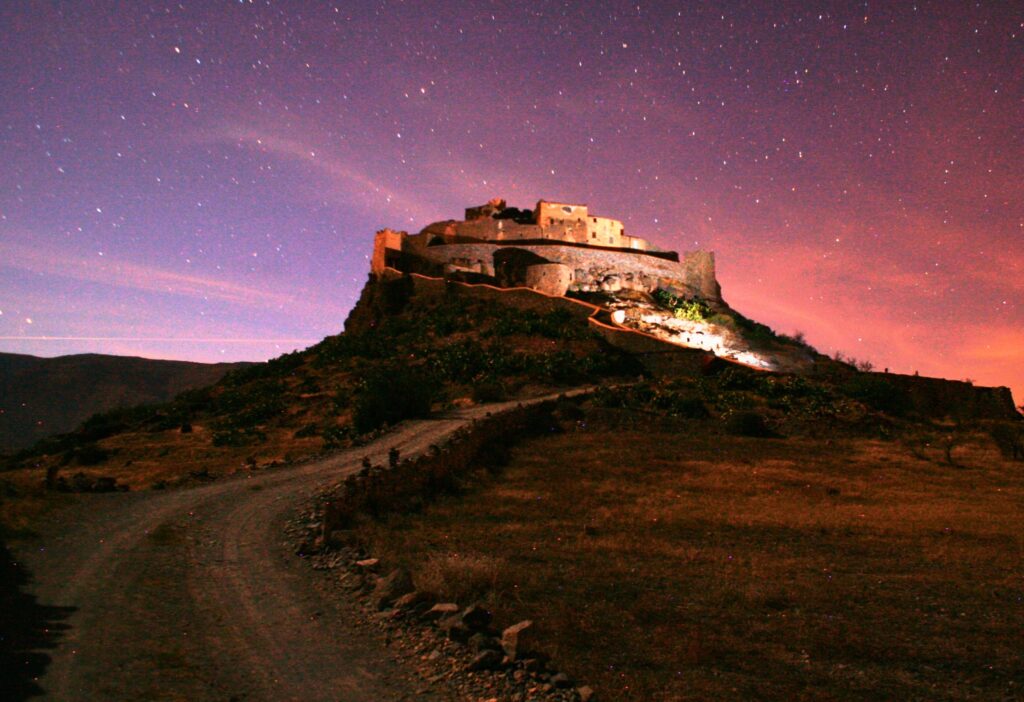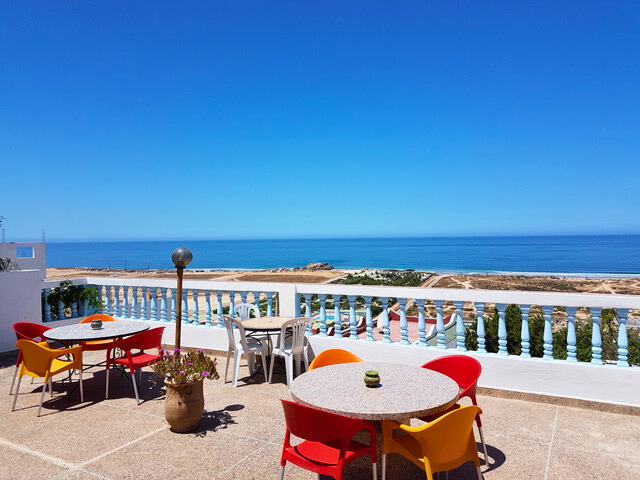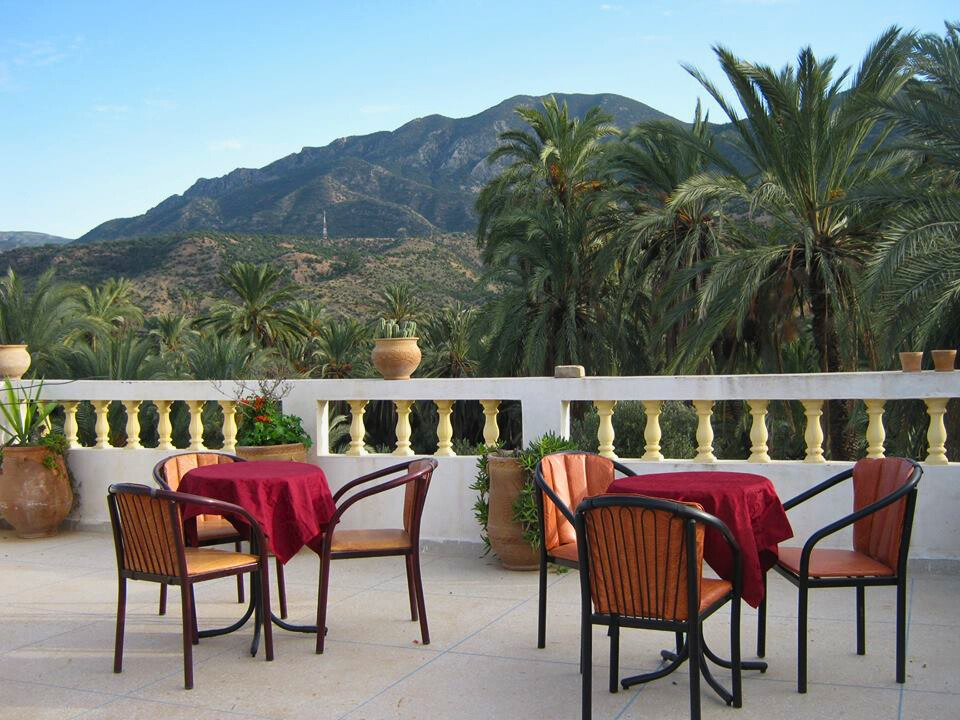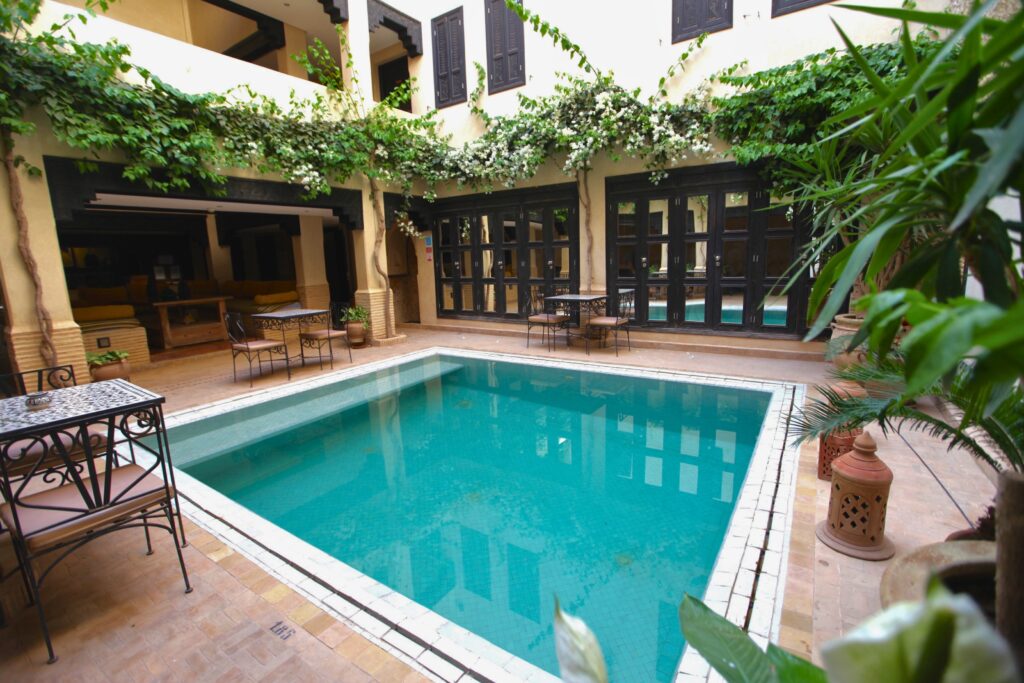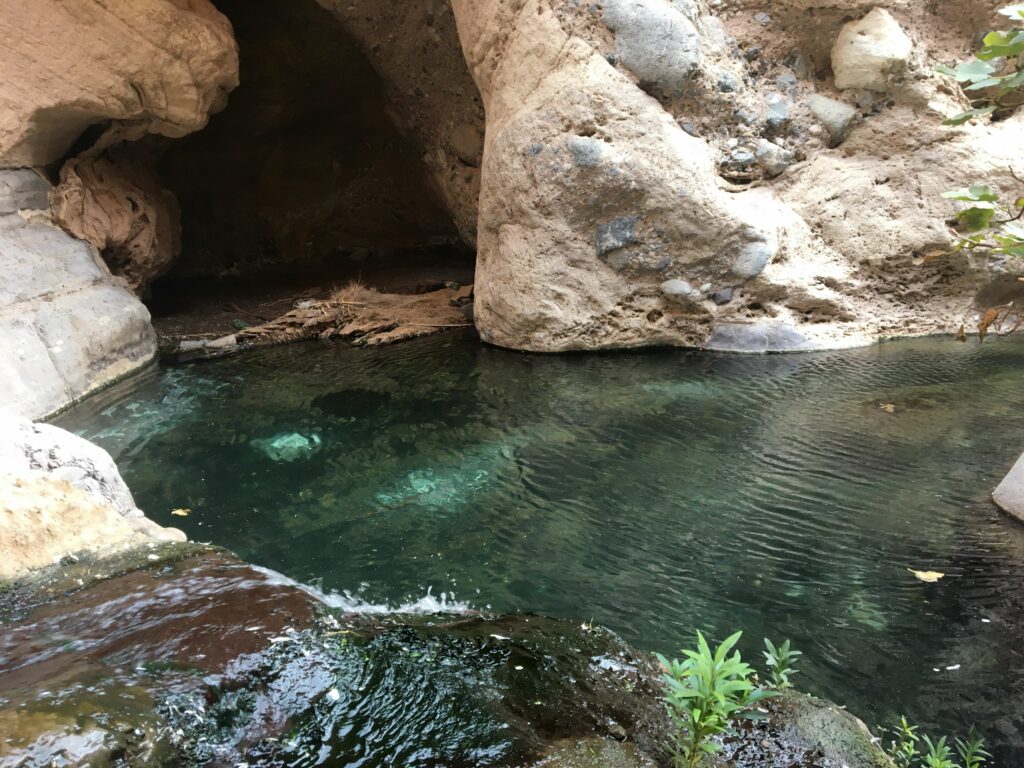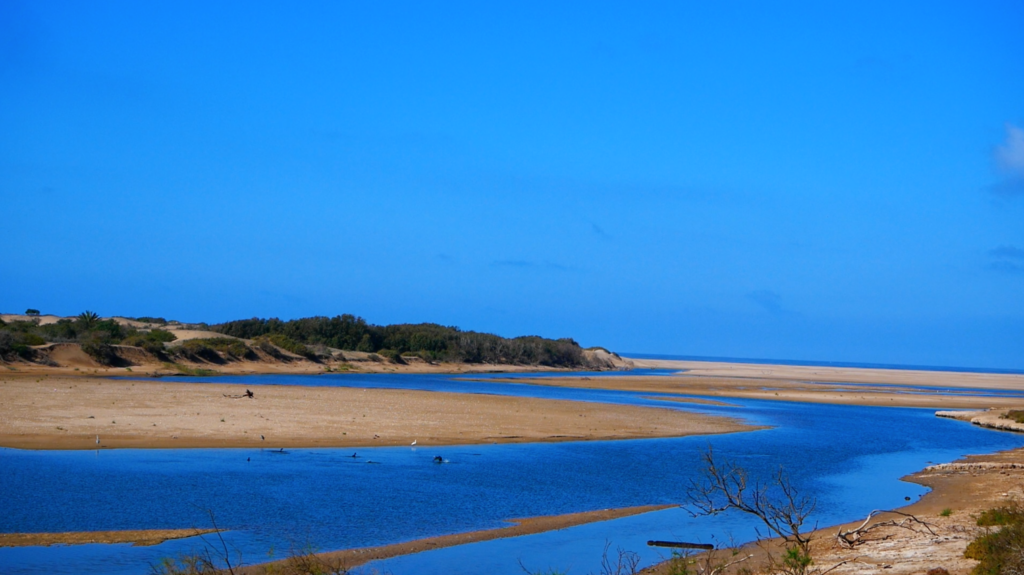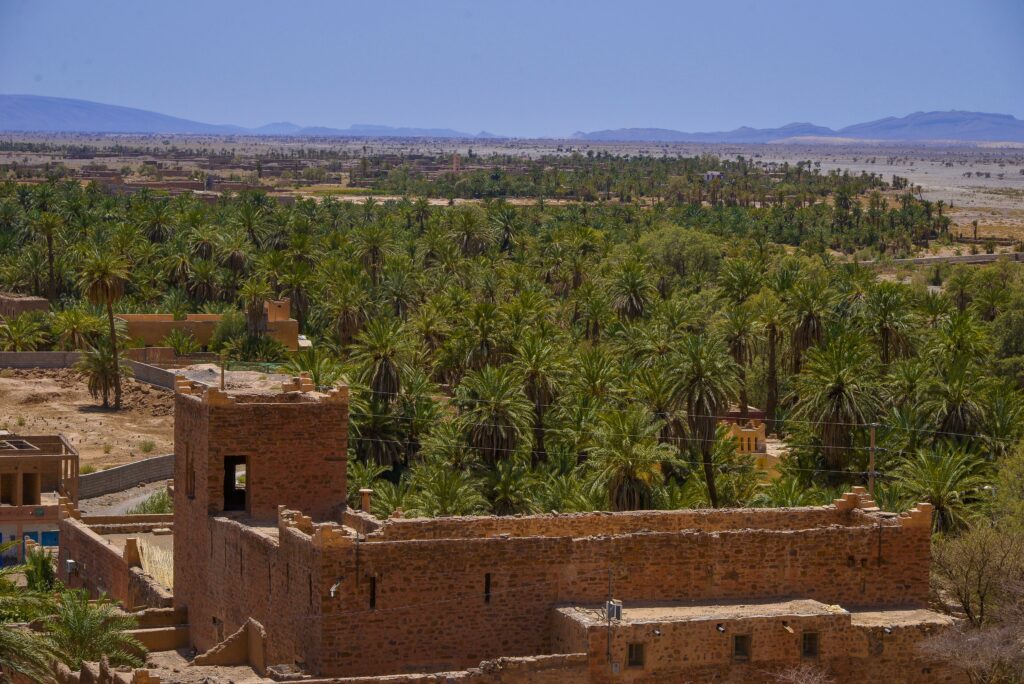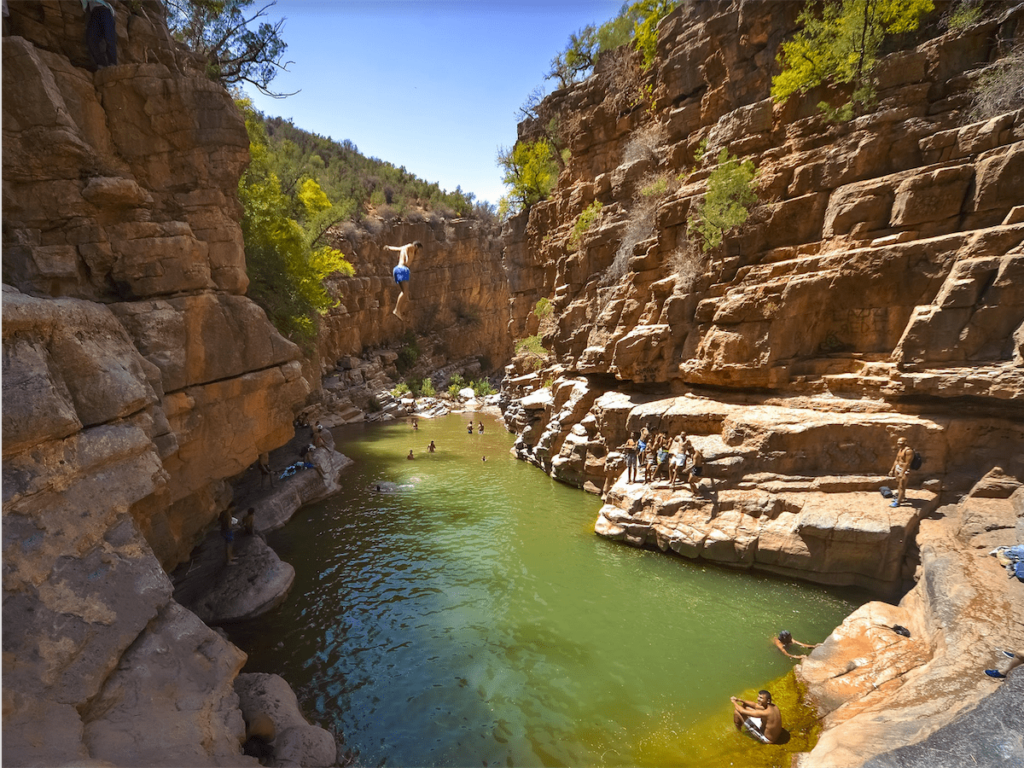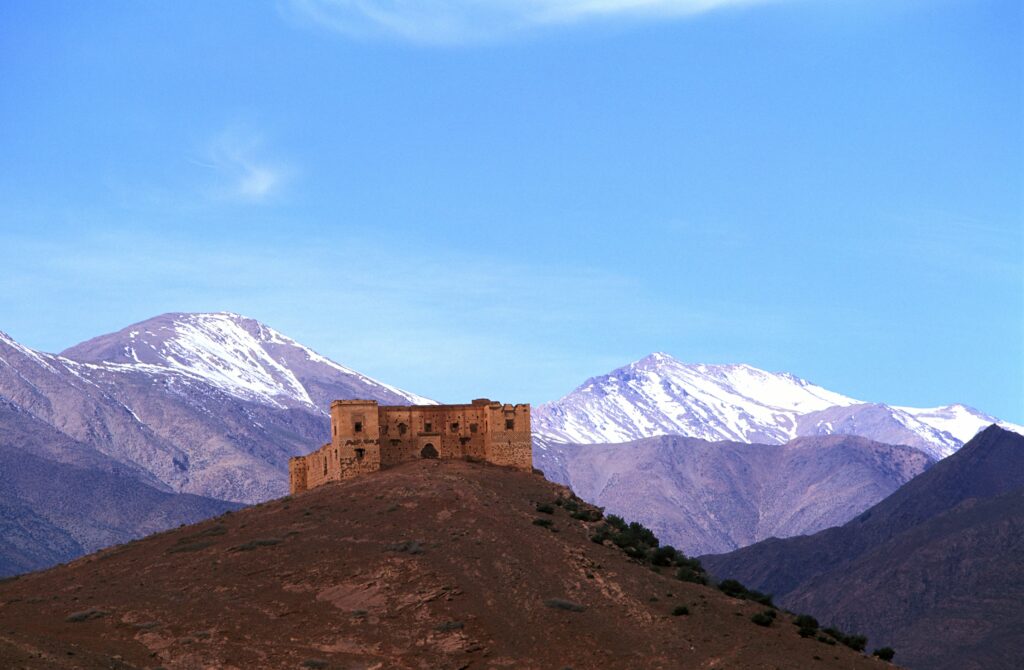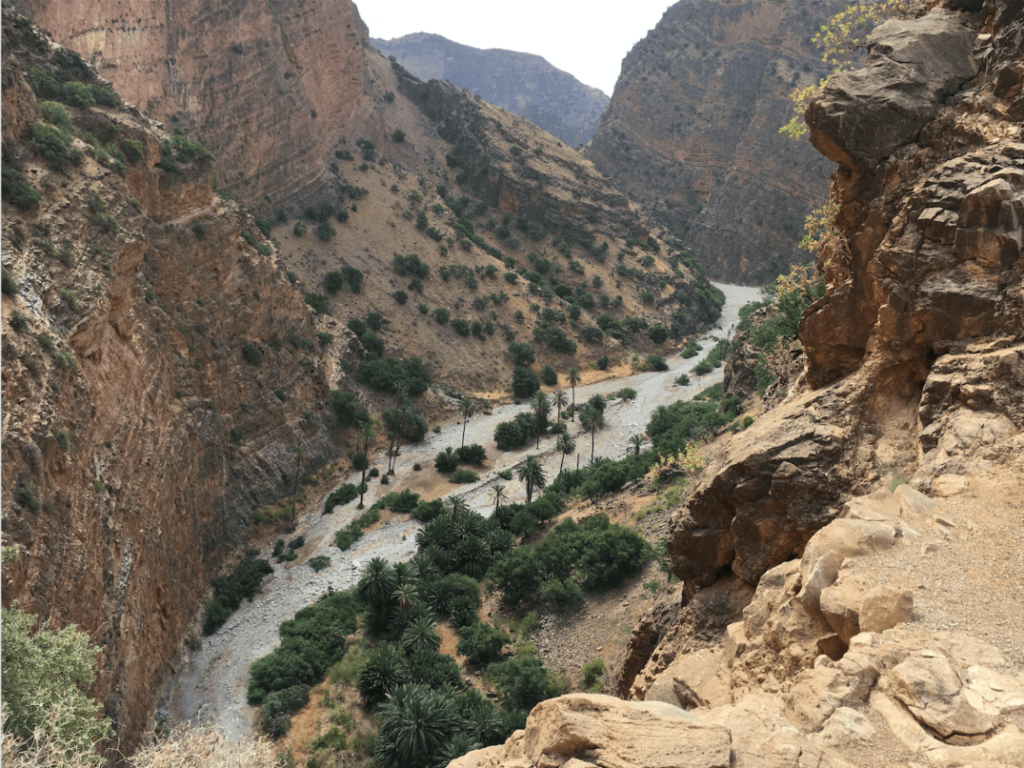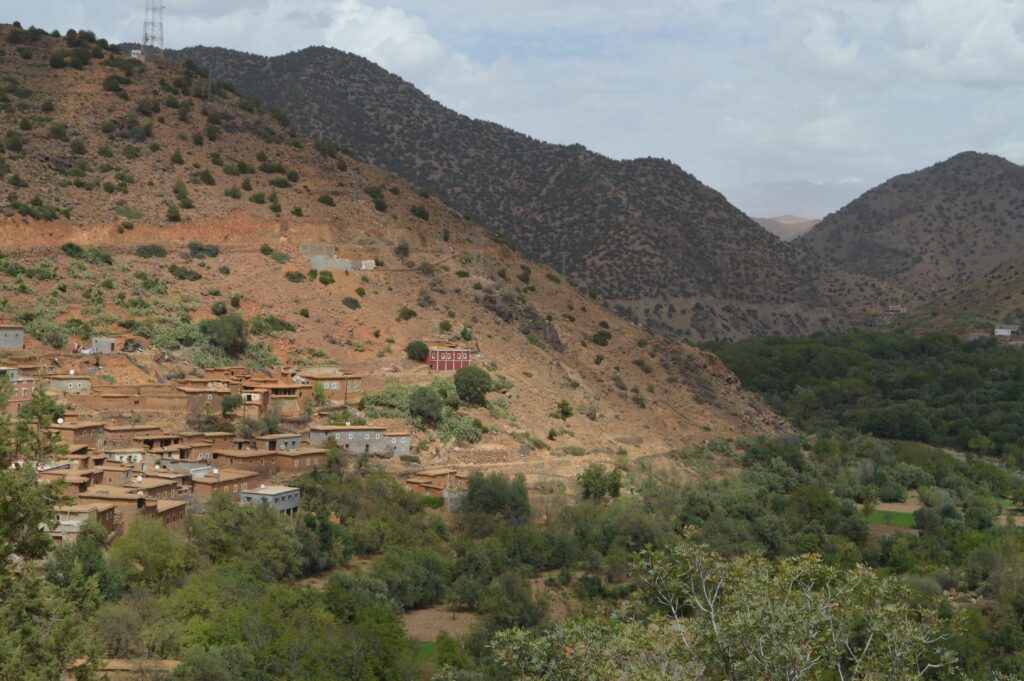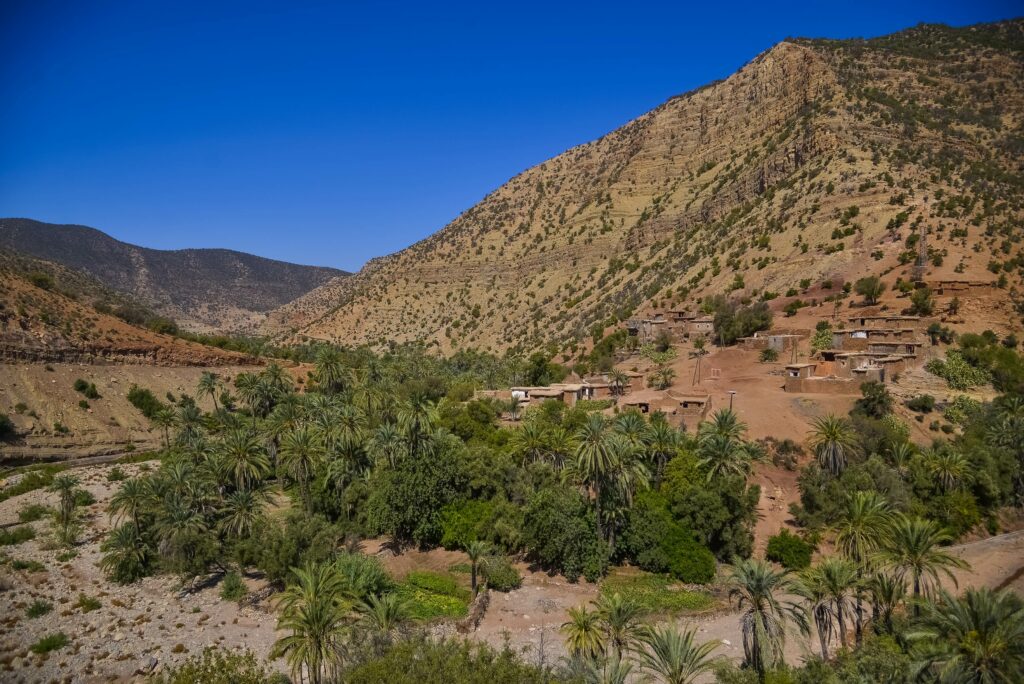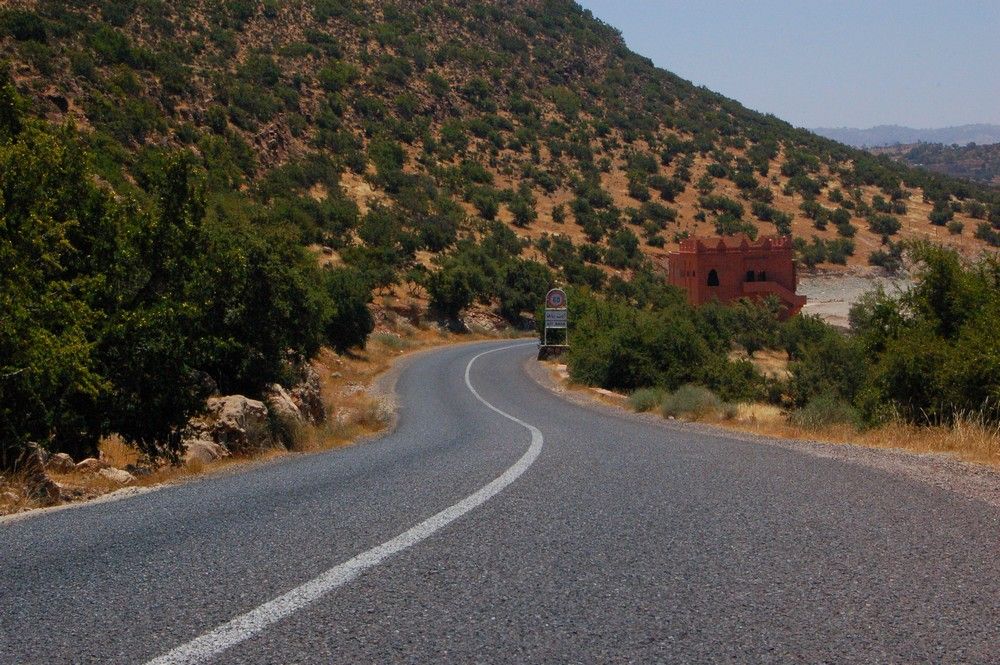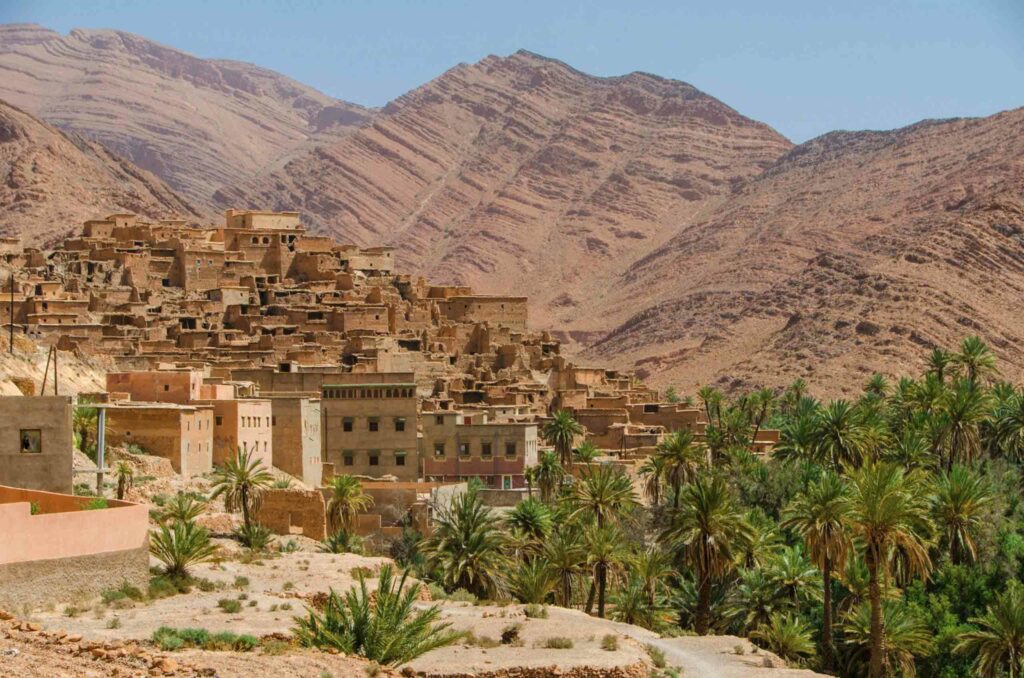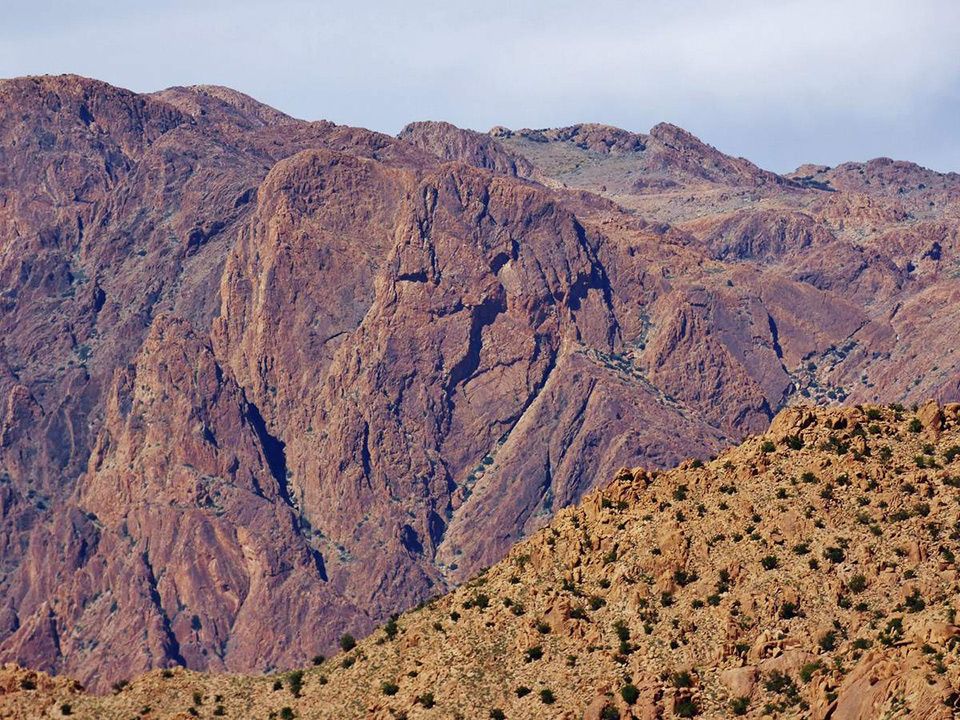

The Valley of Ammeln represents one of North Africa’s most compelling natural study sites. Specifically, it occupies a sheltered corridor beneath the towering Jebel el Kest massif in the Anti-Atlas. Moreover, it combines extraordinary geological foundations with exceptional botanical diversity. Consequently, the landscape reads simultaneously as a living scientific survey and a breathtaking visual spectacle. Furthermore, 26 traditional Amazigh villages integrate seamlessly into this terrain with remarkable ecological harmony. The Valley of Ammeln is, above all, a masterclass in natural adaptation.
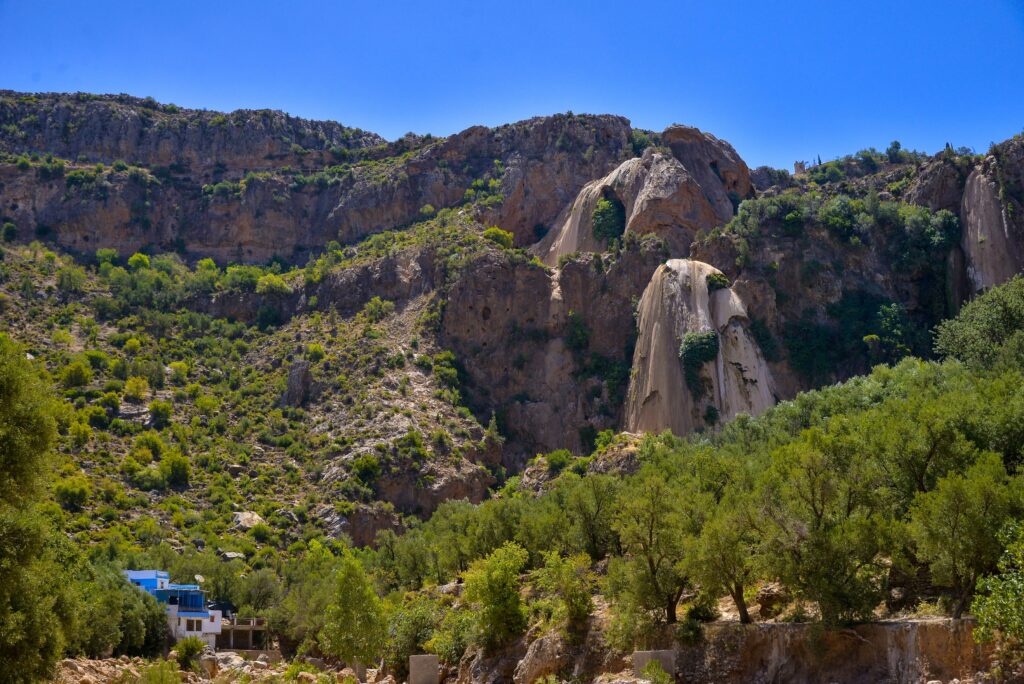
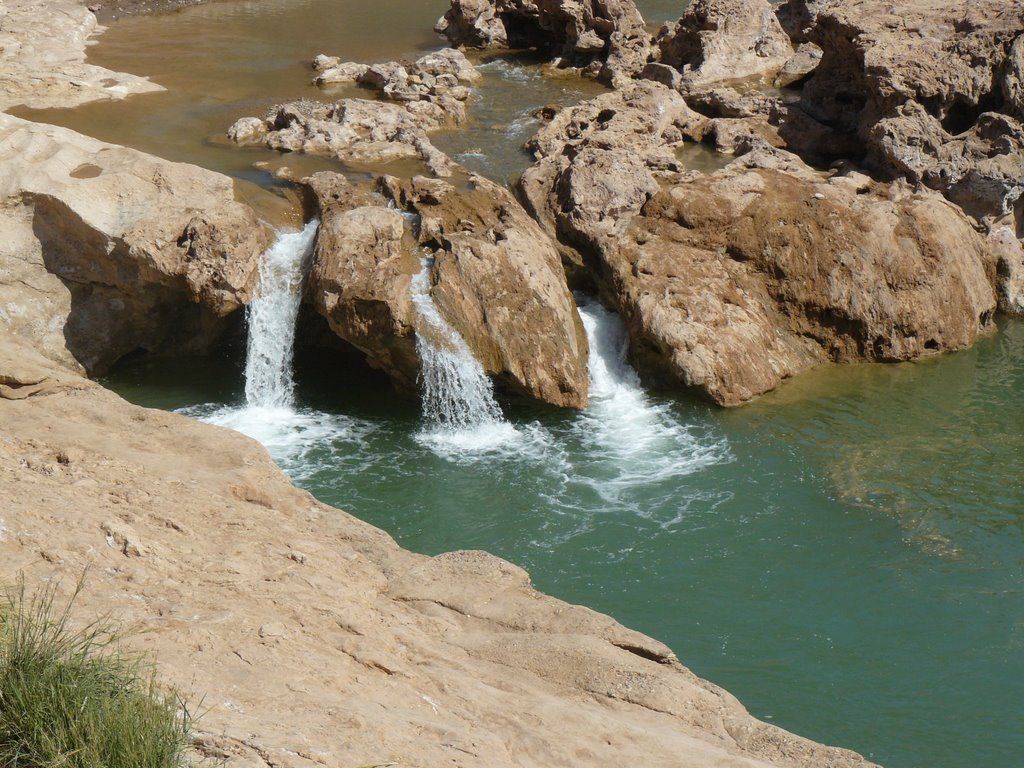
Geologically, the Valley of Ammeln owes its dramatic character to ancient Precambrian granite formations. Specifically, the Jebel el Kest massif rises to 2,375 metres above sea level with commanding authority. Moreover, millennia of wind and water erosion sculpted the exposed granite into extraordinary rounded forms. Consequently, the valley floor receives this geological inheritance as a mineral-rich sandy substrate. Additionally, the most celebrated erosional feature — the Lion’s Head rock — emerges clearly from the northern escarpment. Furthermore, this naturally carved formation draws geologists and photographers from across the world. Specifically, its profile results from differential weathering of softer granite zones over millions of years. Geologically, the pink and ochre tones of the rock reflect high feldspar and iron oxide content. Therefore, every cliff face in the Valley of Ammeln functions as an open-air geological archive.
Explore the valley’s landscapes and hiking routes in depth through this comprehensive Ameln Valley travel guide.
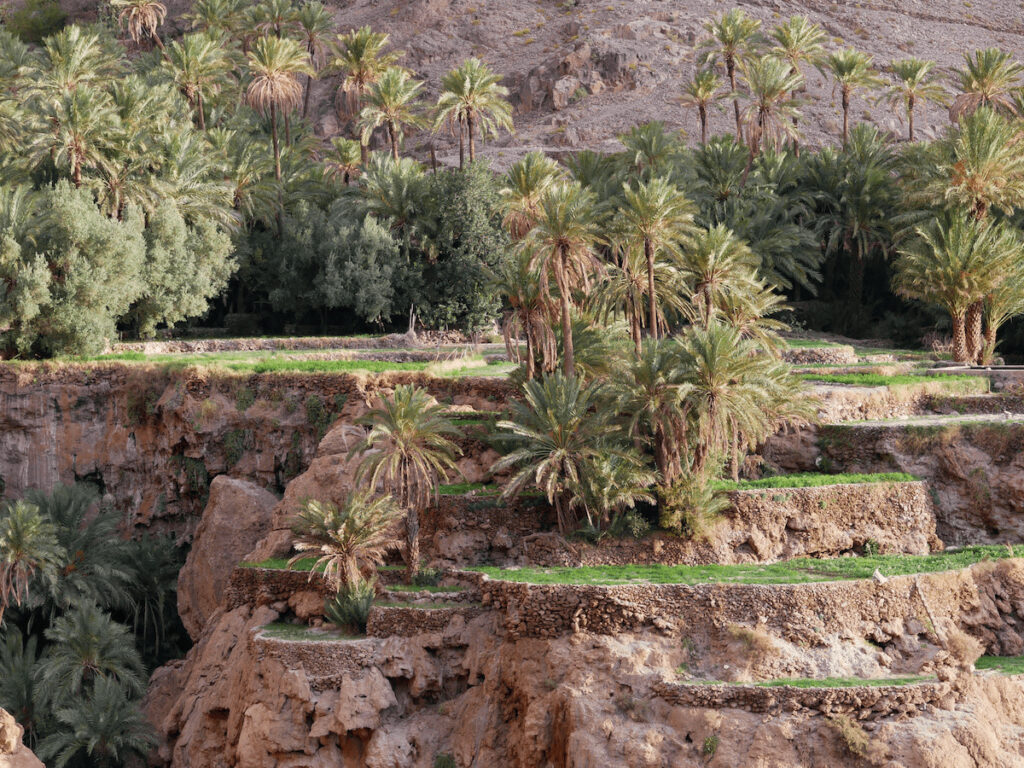
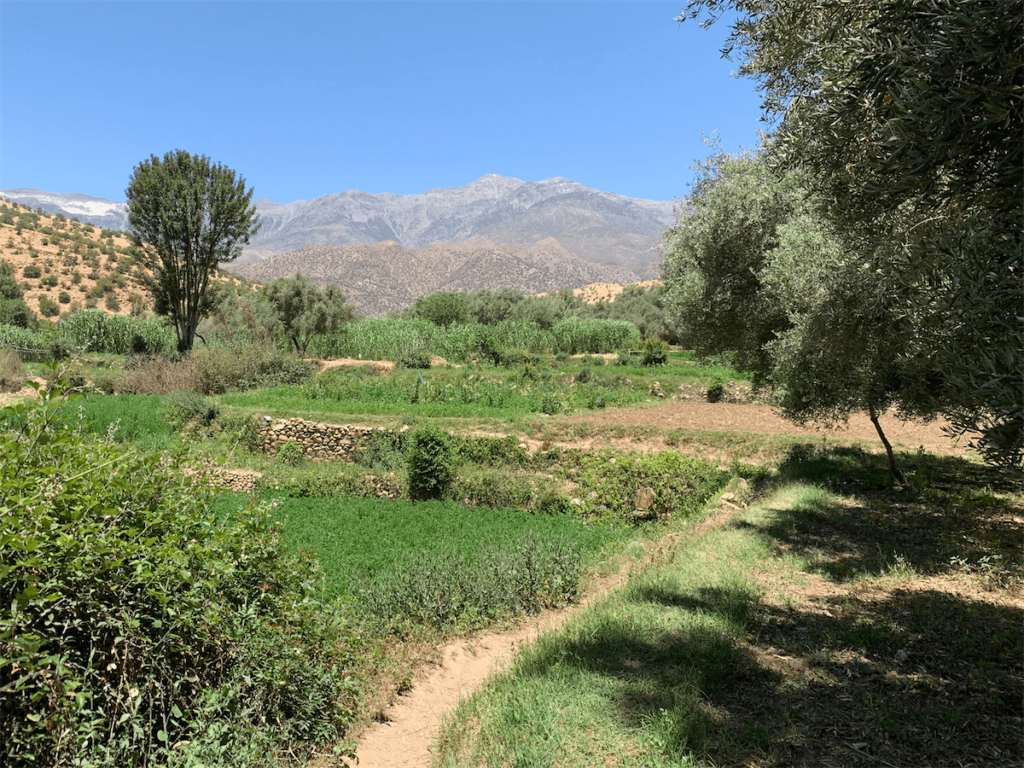
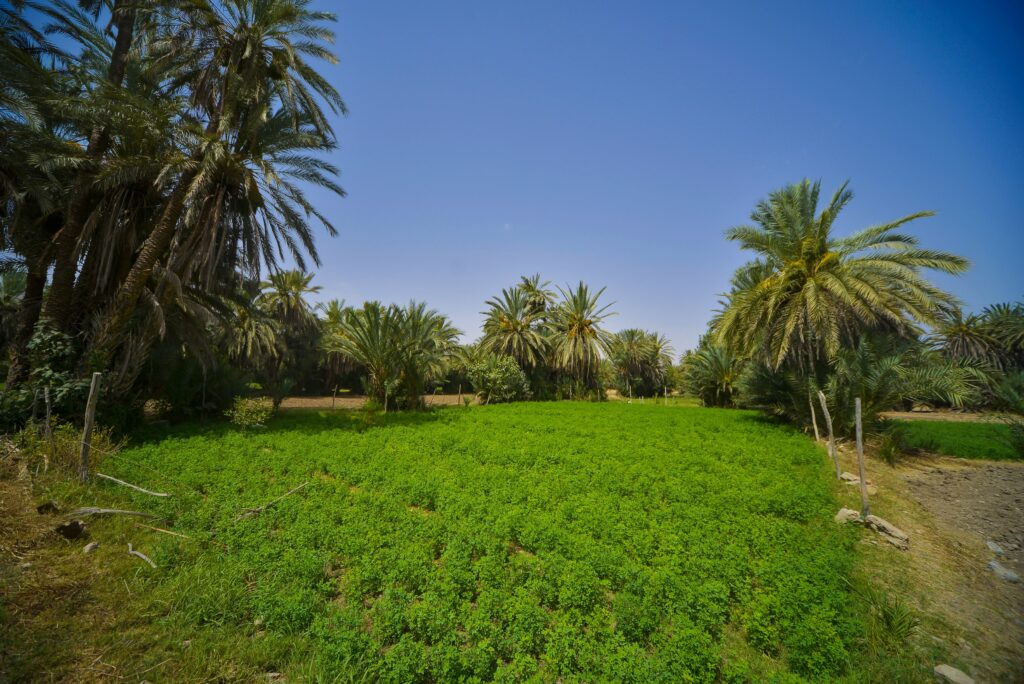
Botanically, the Valley of Ammeln sustains a plant community of remarkable diversity and resilience. Specifically, ancient almond trees dominate the terraced hillside gardens in dense, productive groves. Moreover, each February they erupt in spectacular pink and white blossom across the valley floor entirely. Consequently, the contrast between flowering trees and bare granite cliffs creates an extraordinary visual phenomenon. Additionally, centuries-old olive trees anchor the soil on steeper terraced slopes throughout the valley. Furthermore, endemic argan trees appear on the lower valley margins, their twisted forms uniquely adapted to arid conditions. Specifically, the entire botanical ecosystem depends on an ancient khettara underground irrigation network. Moreover, these gravity-fed channels distribute mountain aquifer water across the valley without any energy input. Consequently, emerald-green cultivated plots persist even during Morocco’s most severe dry seasons. Therefore, the Valley of Ammeln demonstrates how Amazigh mountain engineering and natural botany achieve genuine mutual sustenance.
The Valley of Ammeln stands as a rare convergence of geology, botany, and ancestral human ingenuity. Moreover, its pink granite cliffs, Lion’s Head formation, almond groves, and khettara networks form a fully integrated natural system. Consequently, eco-conscious travellers will find nowhere in Morocco more intellectually and visually rewarding. Therefore, make the Valley of Ammeln your next destination — and observe it with the patience it deserves. Nature here rewards the attentive deeply.
For guided treks and cultural exploration directly through this landscape, discover the Tafraout day treks itinerary here.
There are no results matching your search
There are no results matching your search