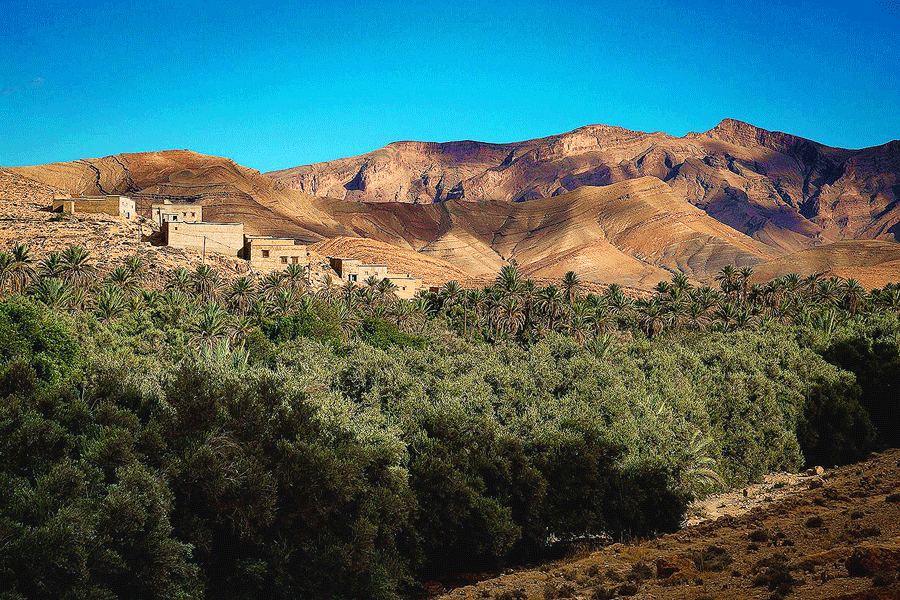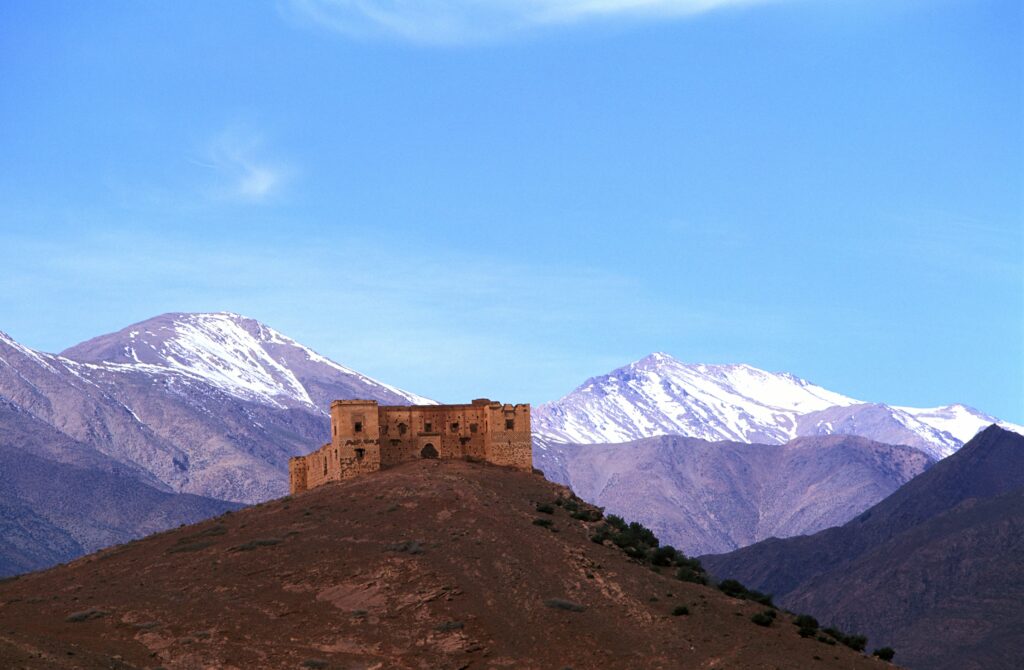

In the sun-drenched valleys and gentle foothills of Morocco’s Souss-Massa region, one tree stands as a quiet yet powerful symbol of nature’s generosity : the fig tree.
More than just a source of fruit, the fig tree is part of daily life in many rural communities. Its wide, shady leaves provide relief during hot afternoons, and its soft, honey-sweet fruit appears in everything from home-cooked meals to market stalls and traditional festivals. For locals, it’s a familiar presence — often growing just outside the house, near irrigation canals, or along old stone terraces.
The fig tree thrives in the Mediterranean climate that defines the Souss-Massa region — hot summers, mild winters, and dry, rocky soils. These trees require little water once established and can live for decades, even centuries, making them ideal for sustainable agriculture and resilient landscapes.
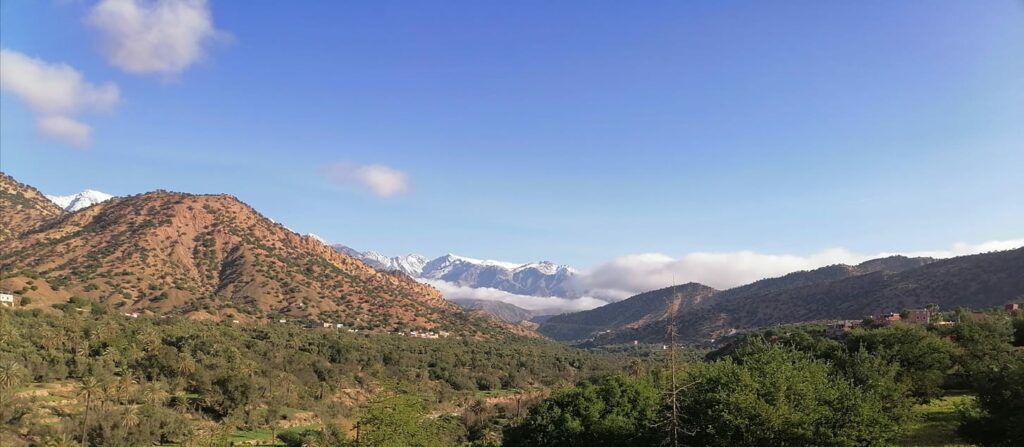
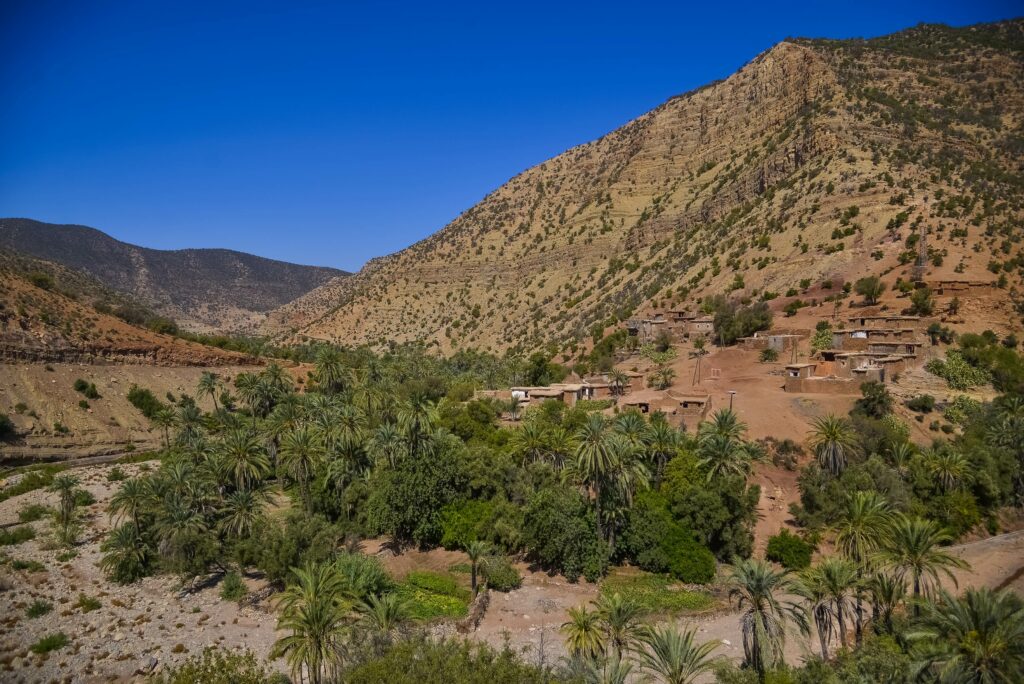
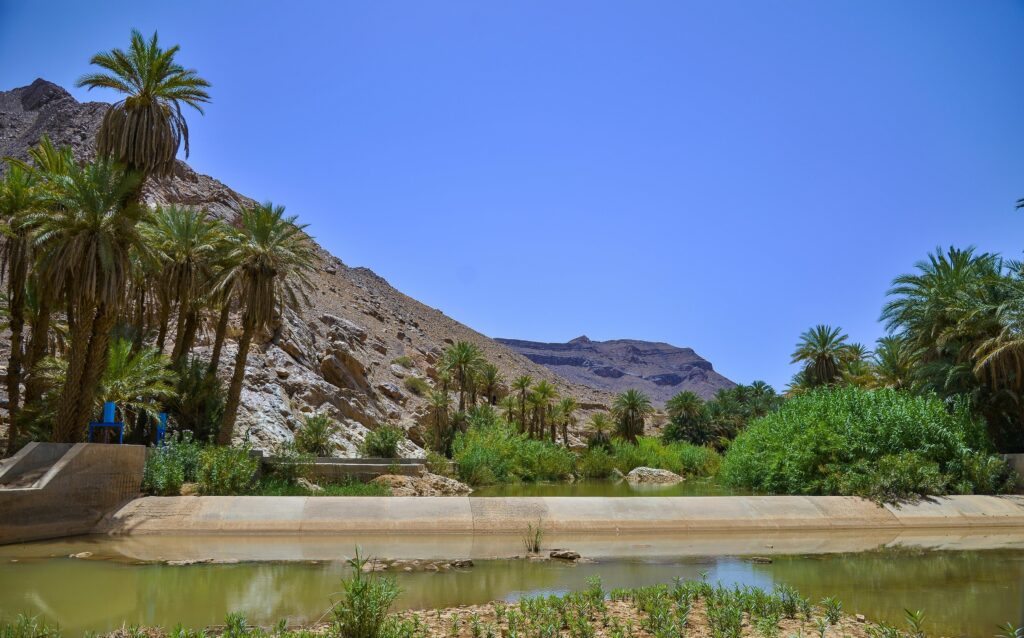
In villages throughout the region, fig trees are planted in home gardens or left to grow wild at the edge of fields. Visitors hiking through the Anti-Atlas foothills or passing through oases may notice their large leaves and gnarled trunks tucked among olive and almond trees. During harvest season, the trees offer their fruit freely — small gifts of nature along the way.
Figs are an essential part of local diets, used in both simple and ceremonial dishes. They’re eaten fresh in summer, dried for winter storage, or simmered into homemade jams. You’ll often find them served with bread, olive oil, or honey — a perfect balance of sweetness and simplicity.
Local markets in towns like Taroudant, Taliouine, and Tiznit offer a variety of fresh and dried figs during harvest season, and some small cooperatives even produce fig-based products for sale beyond the region.
Whether enjoyed alone or paired with savory ingredients, figs represent a natural bridge between health, flavor, and tradition.
Beyond their culinary charm, figs are rich in dietary fiber, natural sugars, and antioxidants. They support digestive health, boost energy, and provide vitamins A, B, and K — making them as beneficial as they are delicious.
For travelers exploring Morocco with a focus on well-being, eco-living, or local food culture, the fig is more than just a fruit — it’s part of a healthy, balanced way of life rooted in the rhythms of nature.
The presence of fig trees across Souss-Massa is a quiet reminder of how people and land can live in harmony. These trees don’t need much, yet they give plenty — a fitting metaphor for rural life here, where community, simplicity, and sustainability still hold strong.
Whether you’re trekking through a remote trail near Ifrane Anti-Atlas, sharing tea with a village family, or exploring a weekly souk, chances are you’ll encounter a fig — either in a bowl, on a tree, or dried under the sun.
So when you visit Souss-Massa, don’t just pass the fig tree by. Taste it. Appreciate it. And let it remind you of the beauty that grows quietly, generously, and close to the earth.
There are no results matching your search
There are no results matching your search