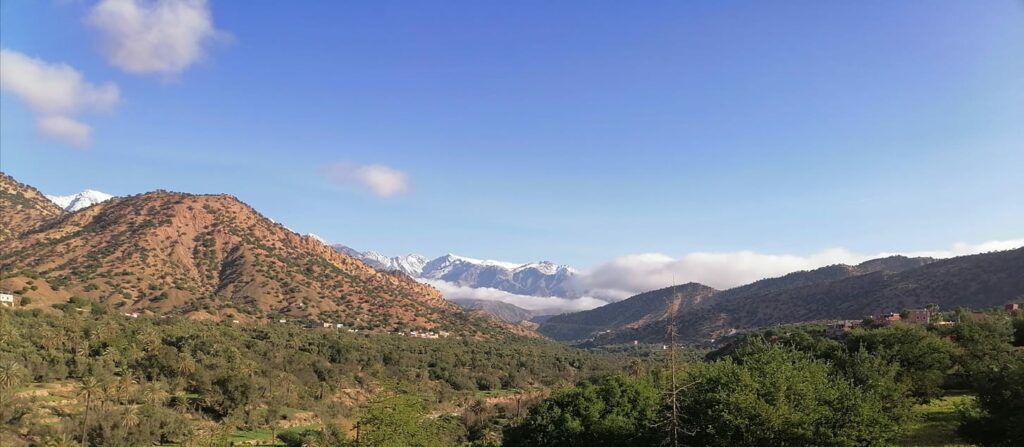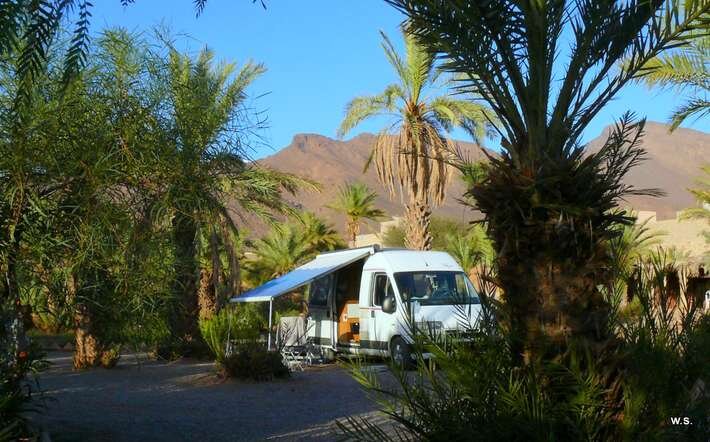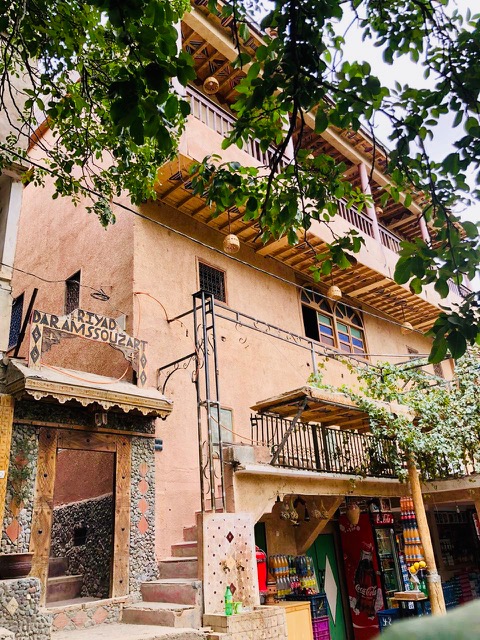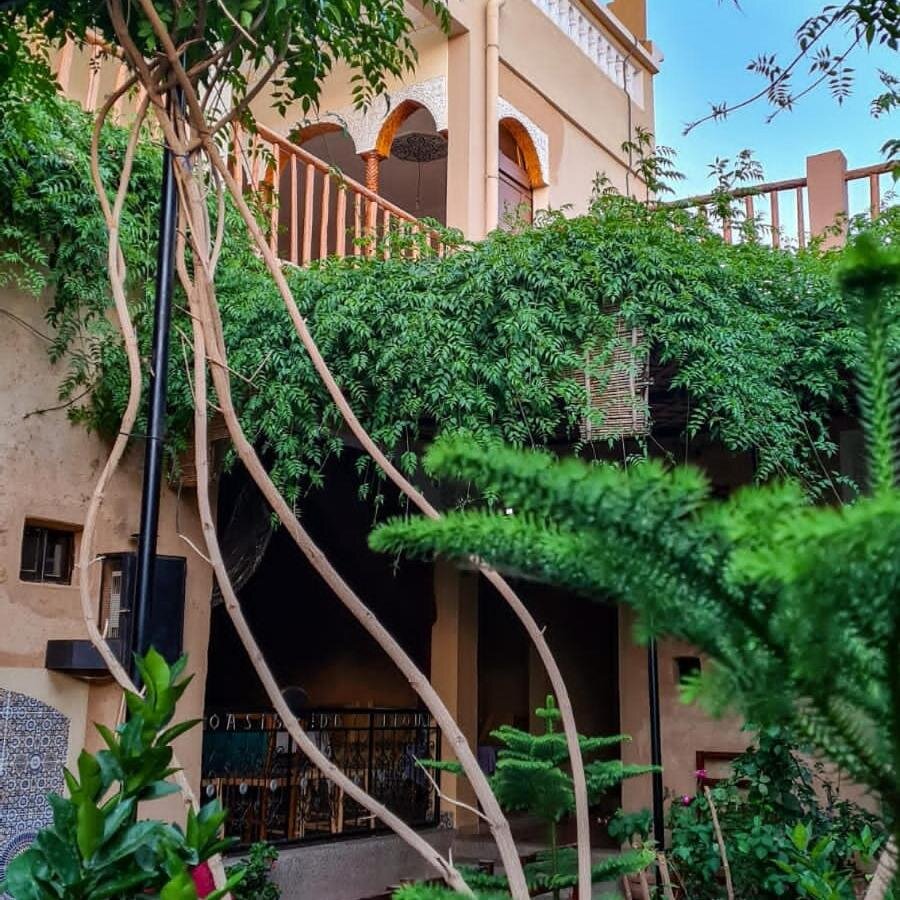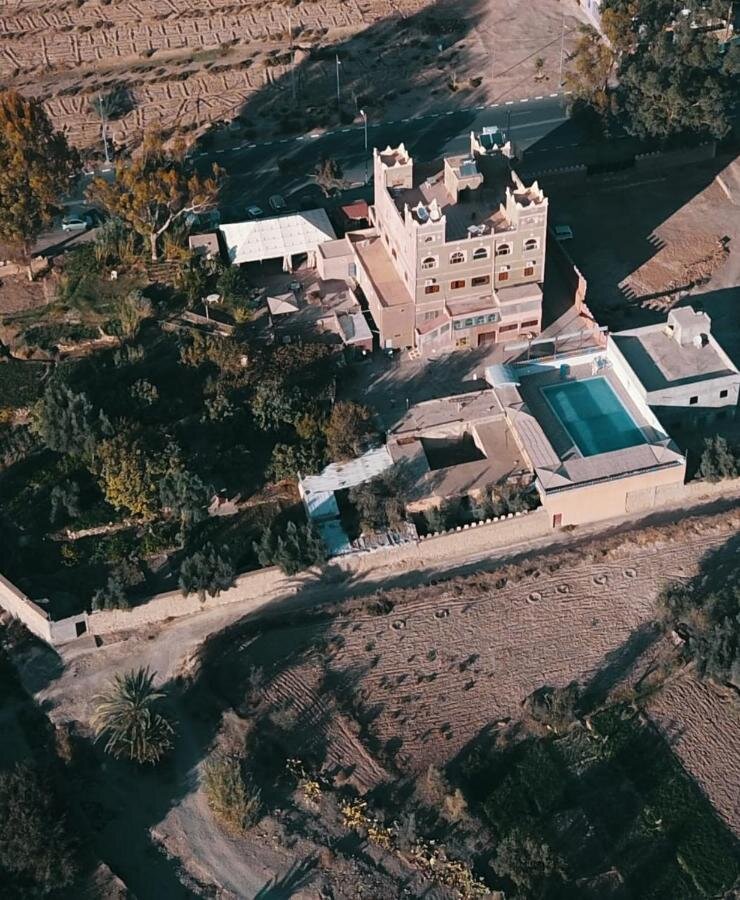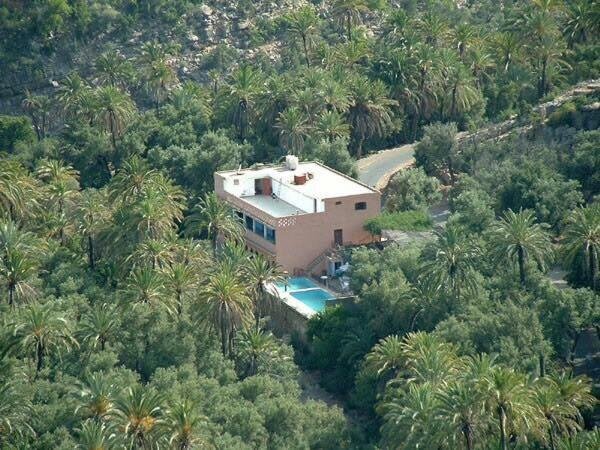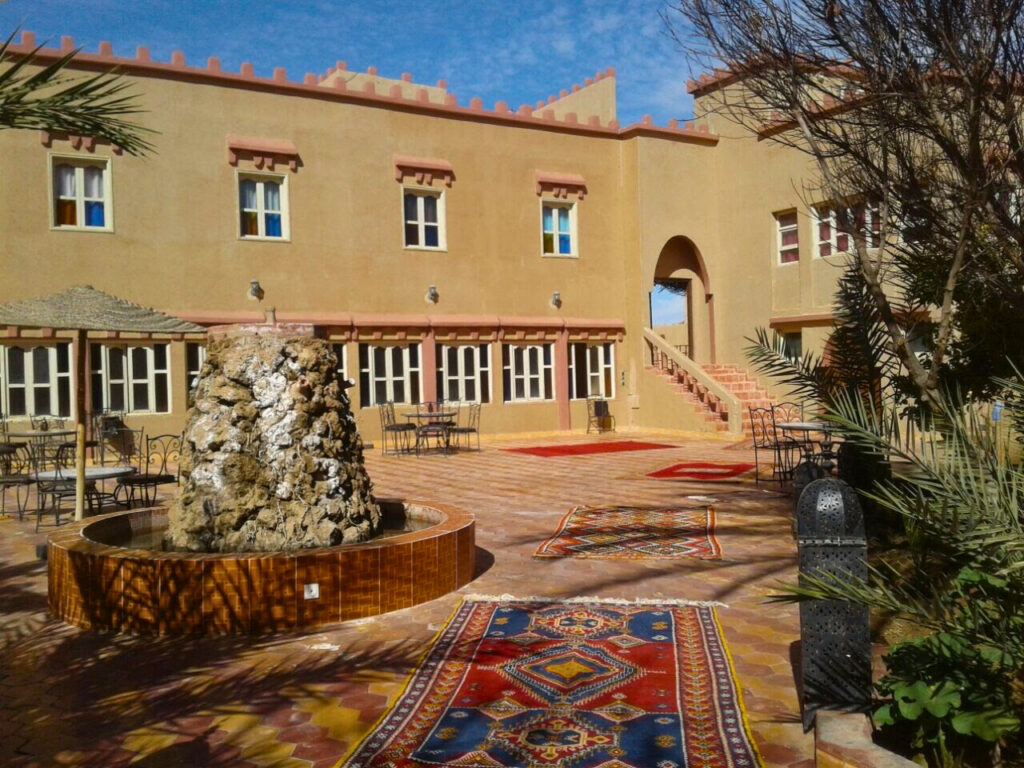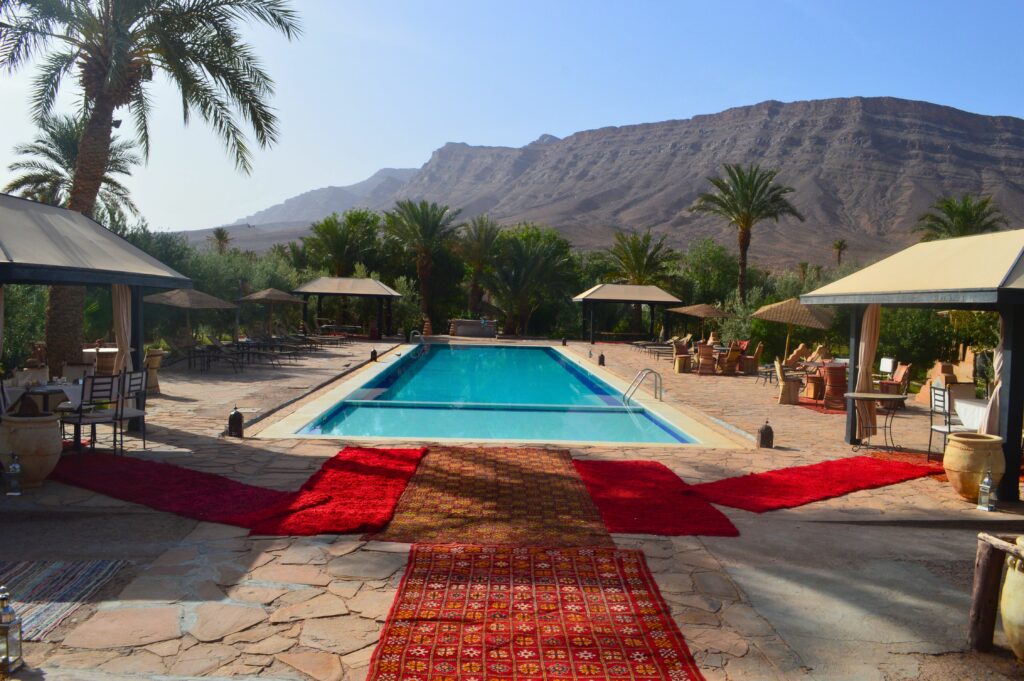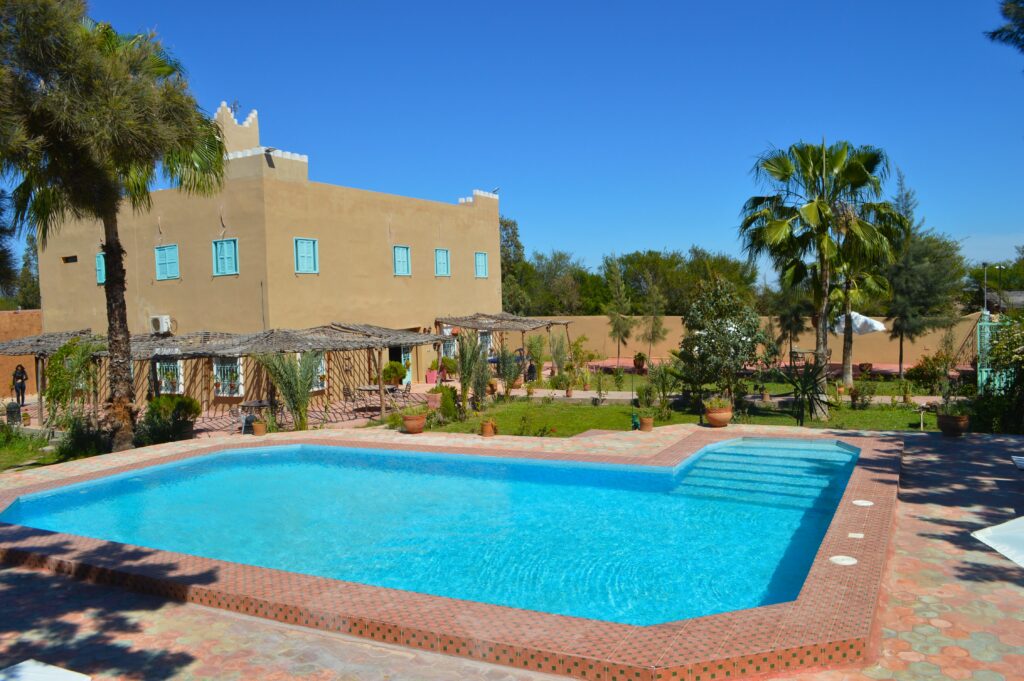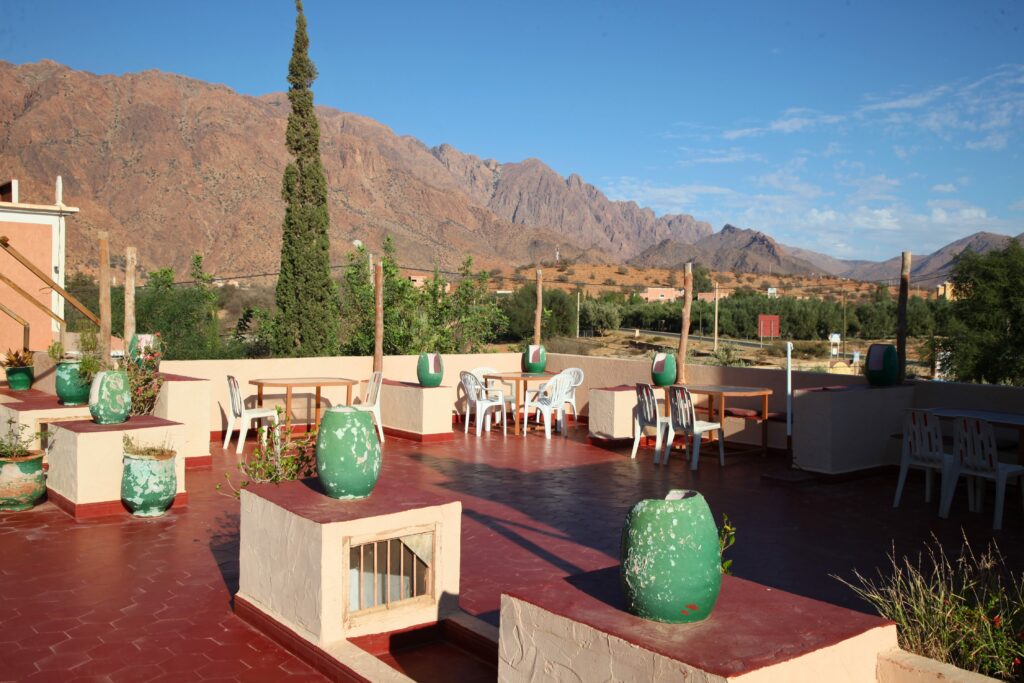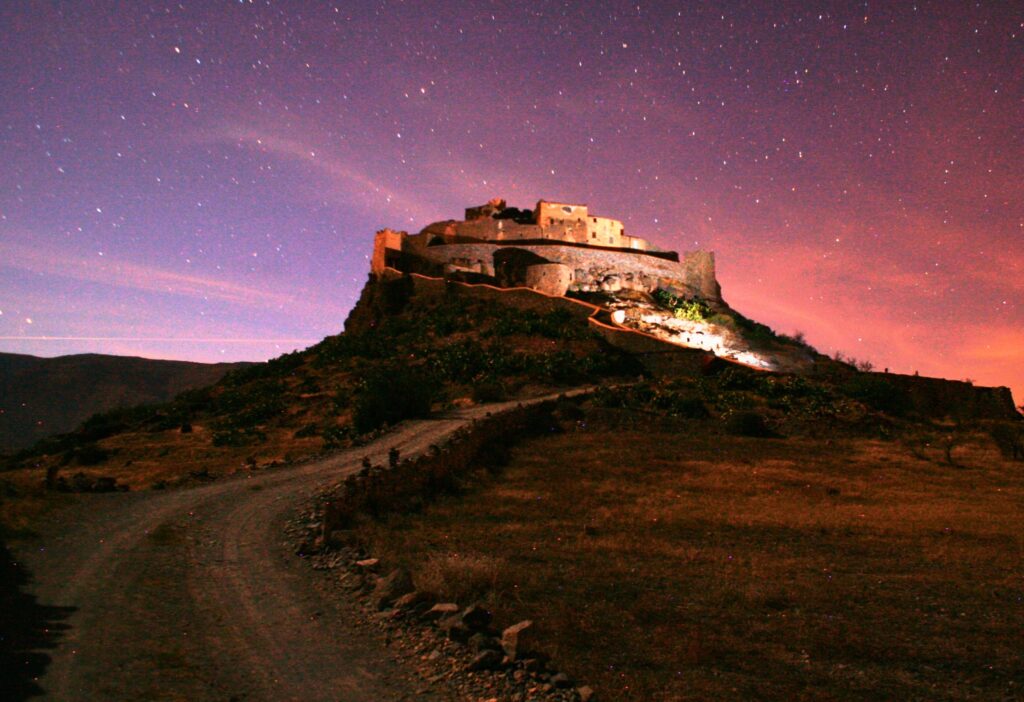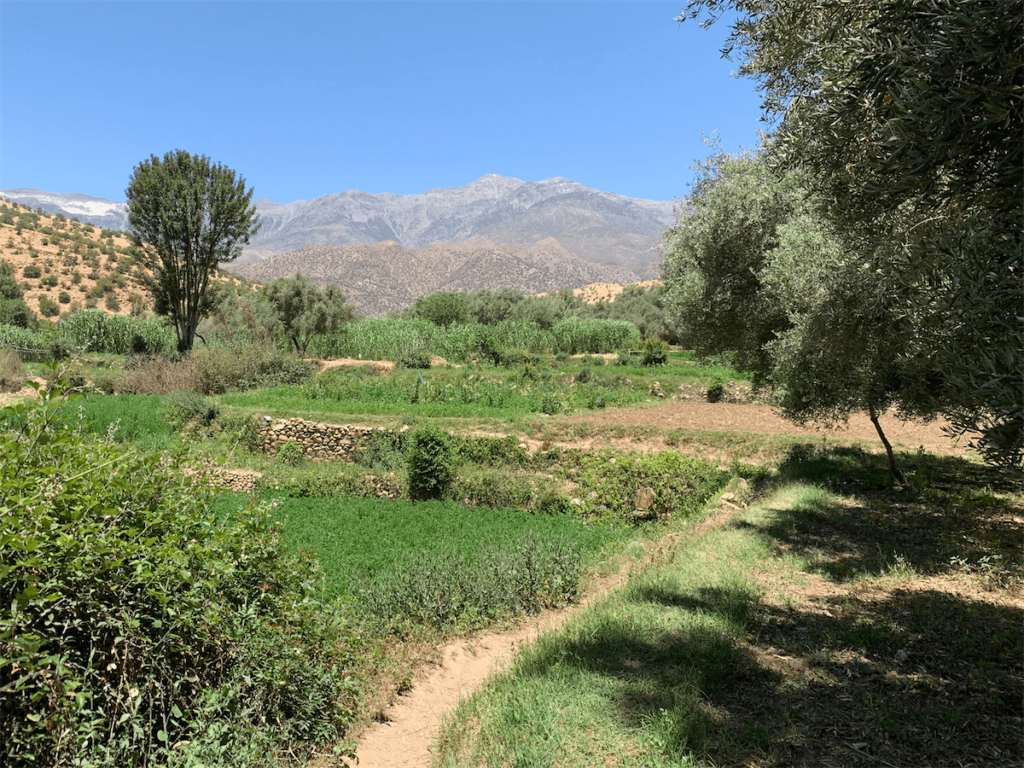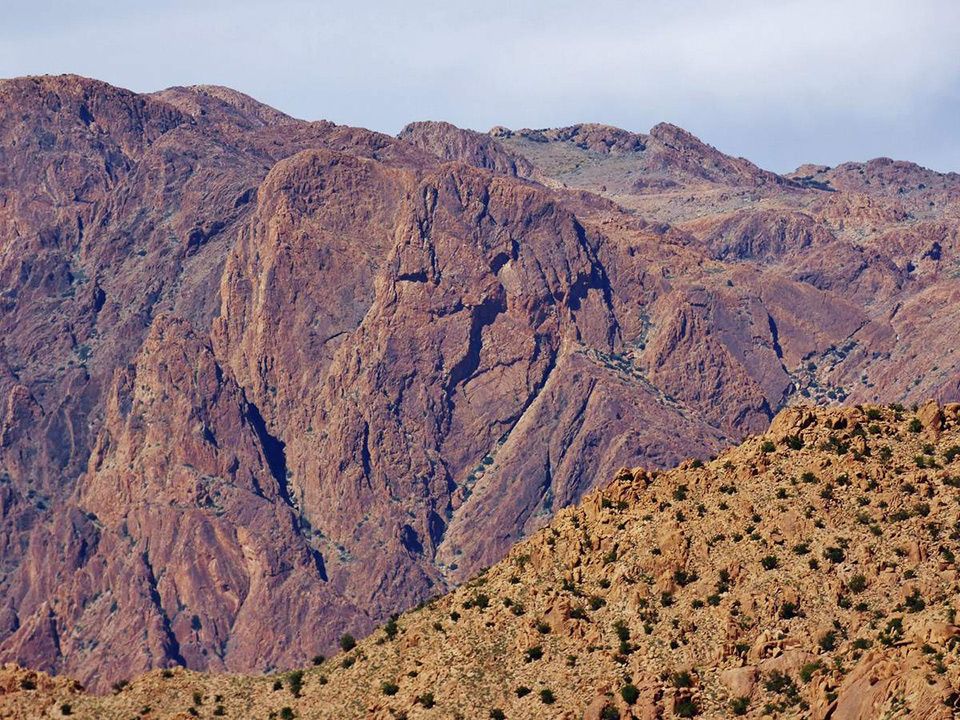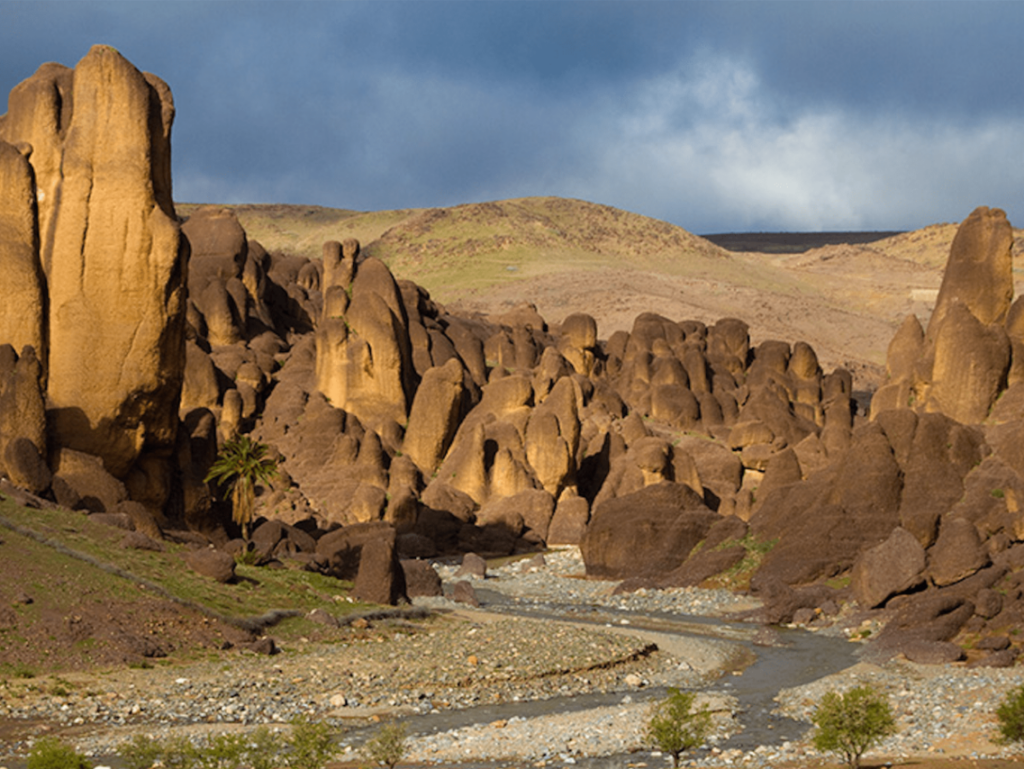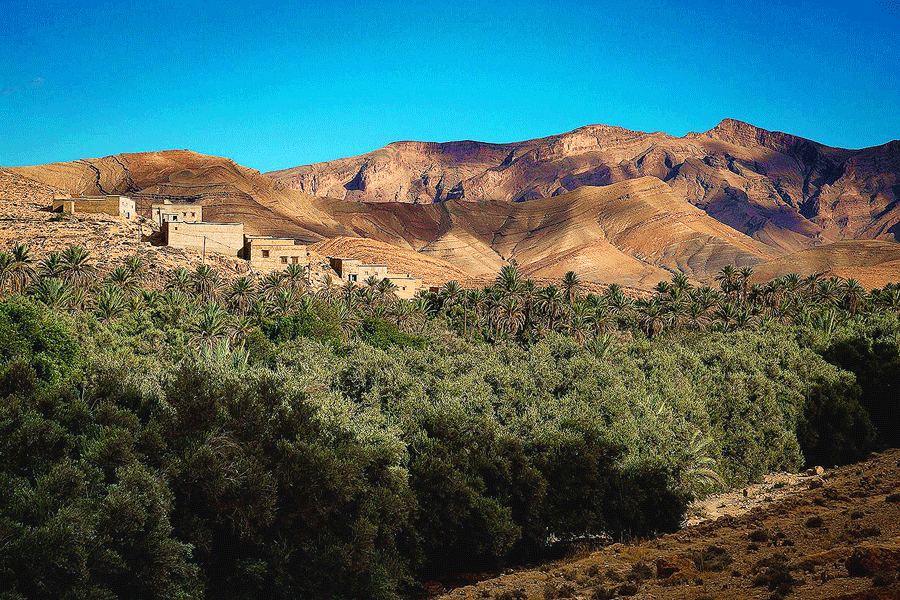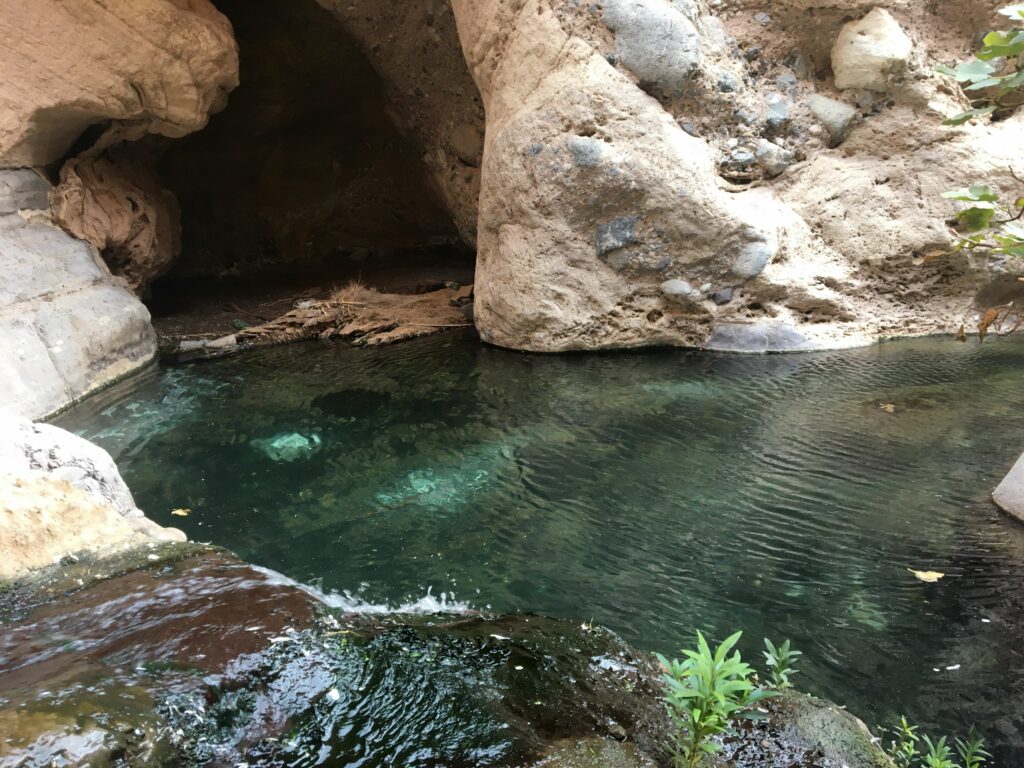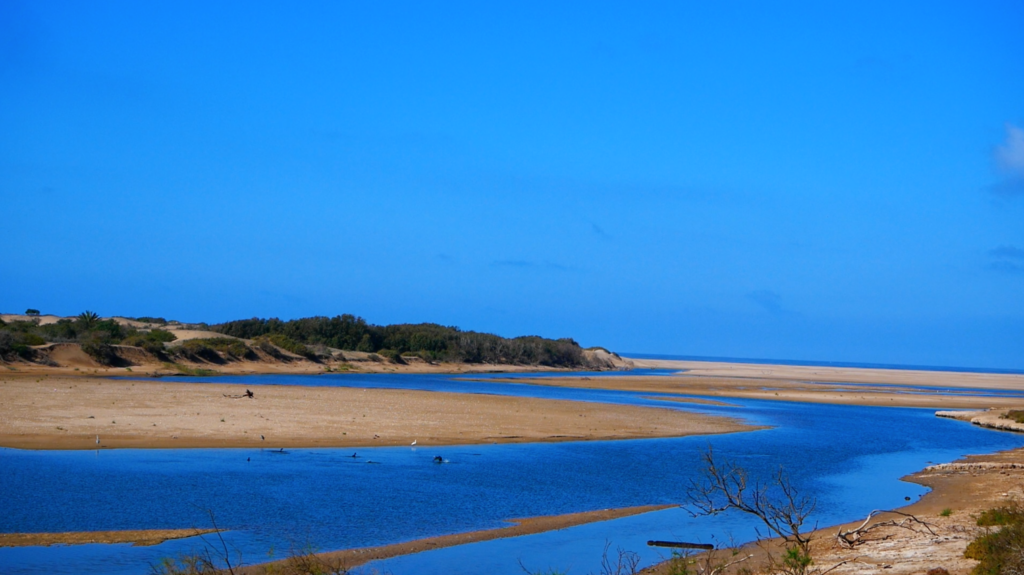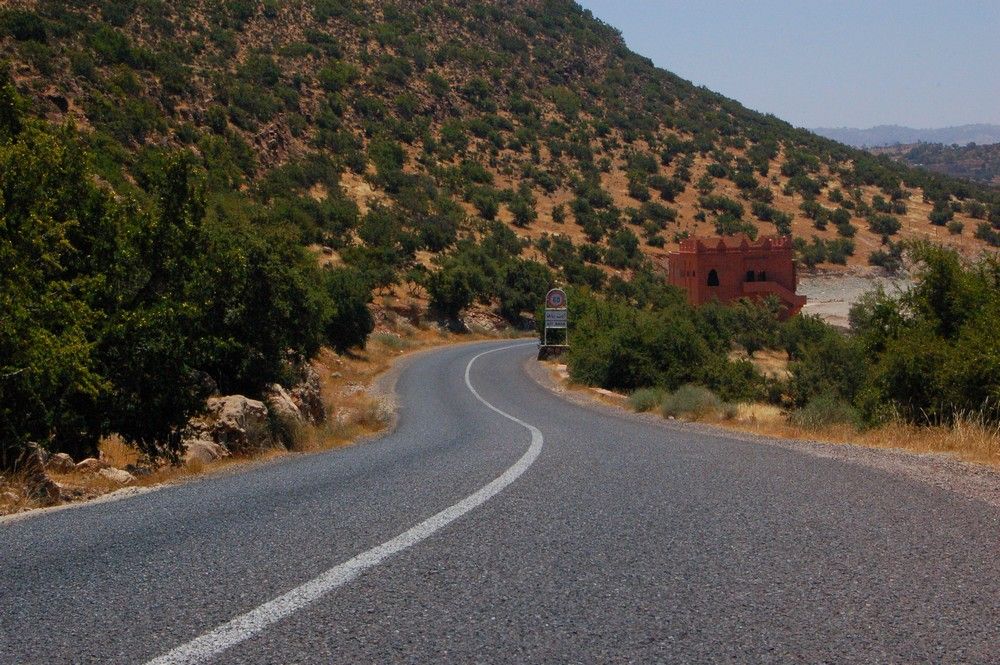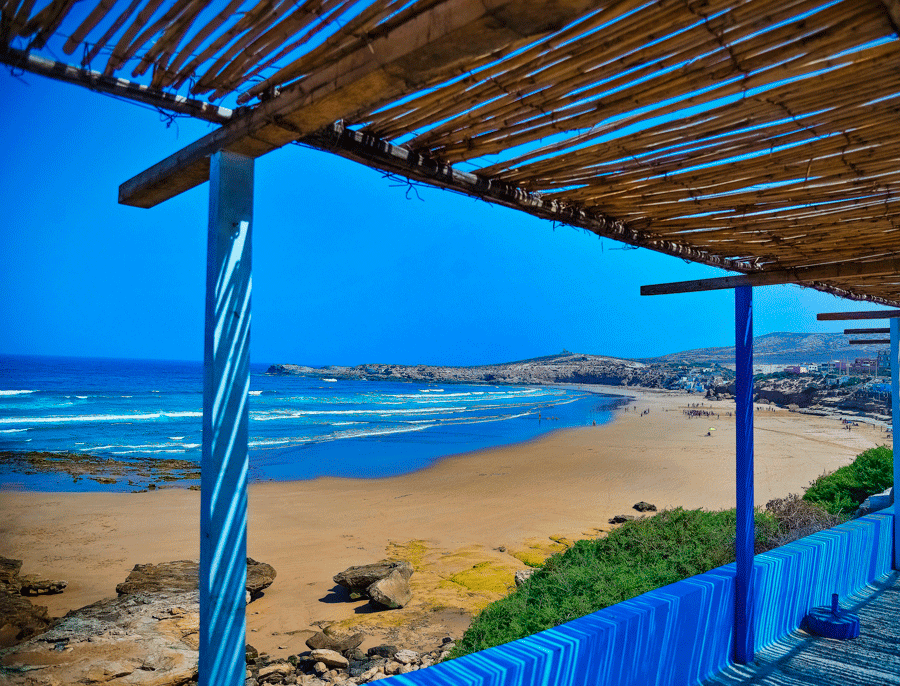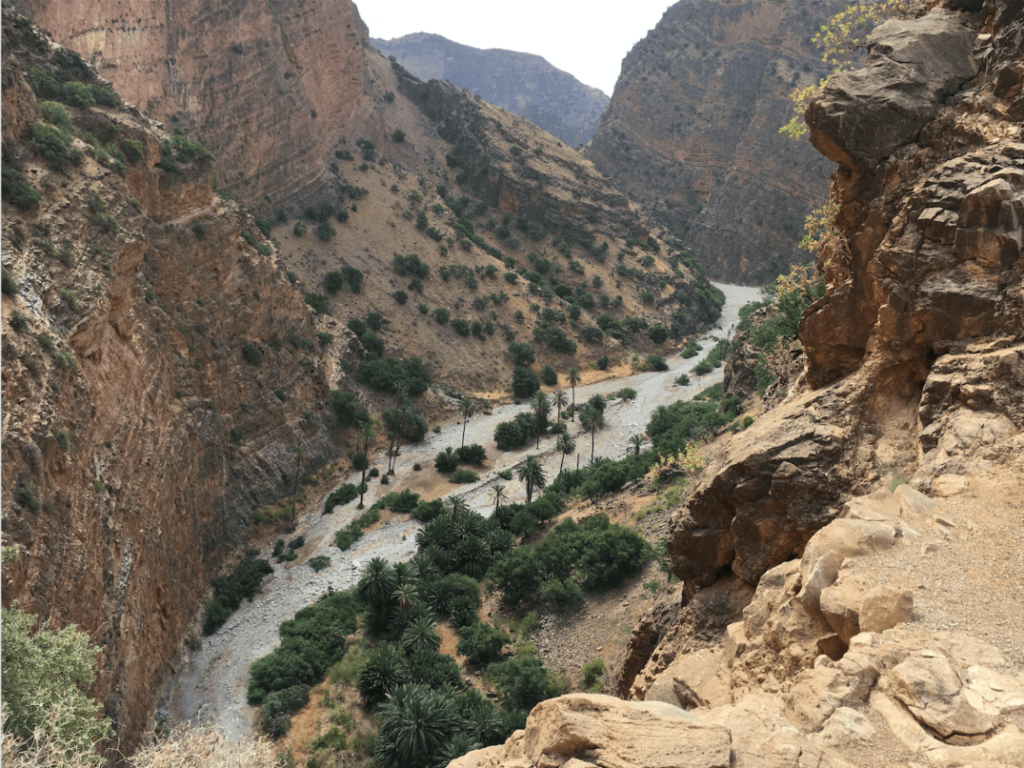

Taliouine occupies a landscape shaped by fire and defined by extraordinary fragility. Specifically, it sits within the shadow of Jbel Siroua — an extinct volcanic massif of remarkable geological age. Moreover, the altitude here exceeds 1,200 metres above sea level consistently. Consequently, the climate turns severe, crystalline, and uniquely productive. Furthermore, from this volcanic earth emerges one of the world’s most precious botanical treasures. Taliouine produces saffron of a quality that rivals — and frequently surpasses — all global competitors.
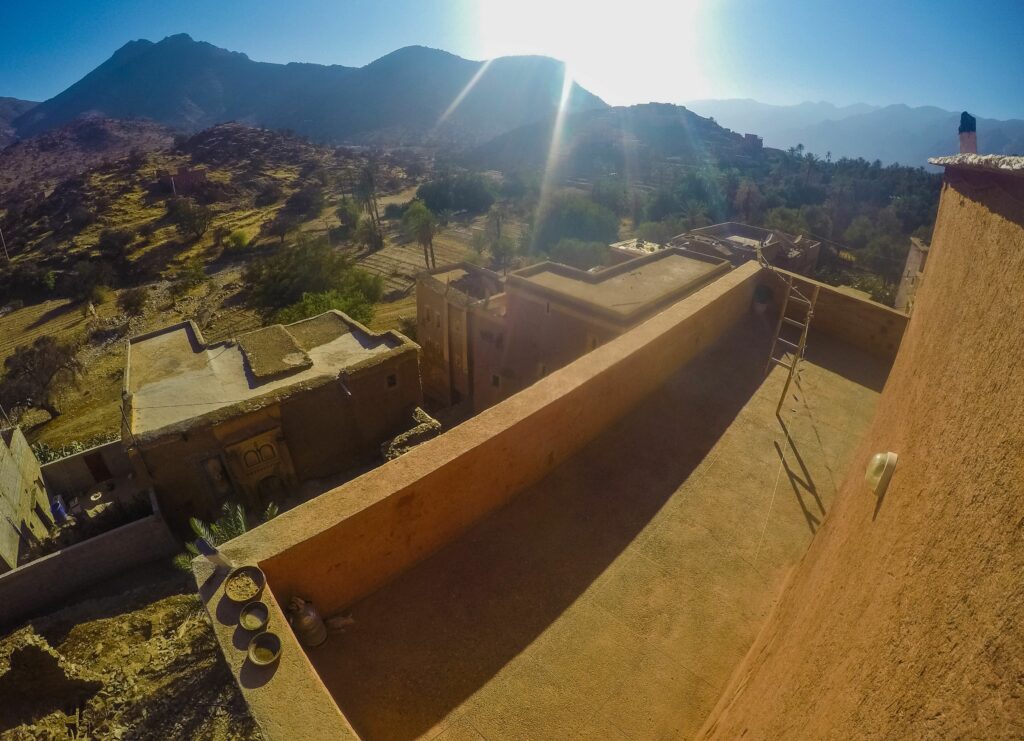
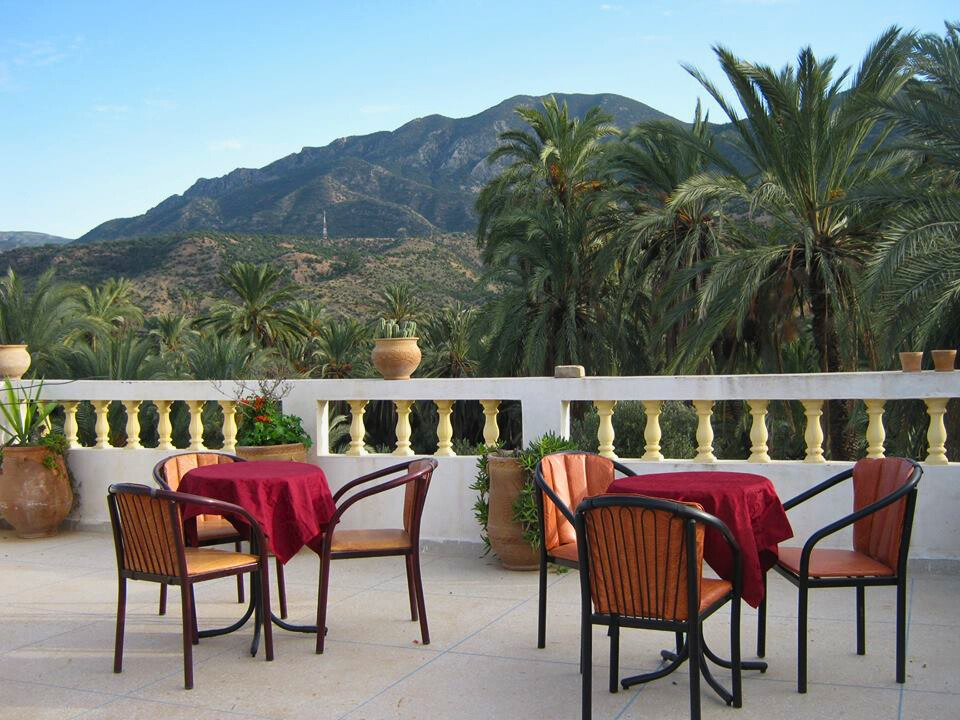
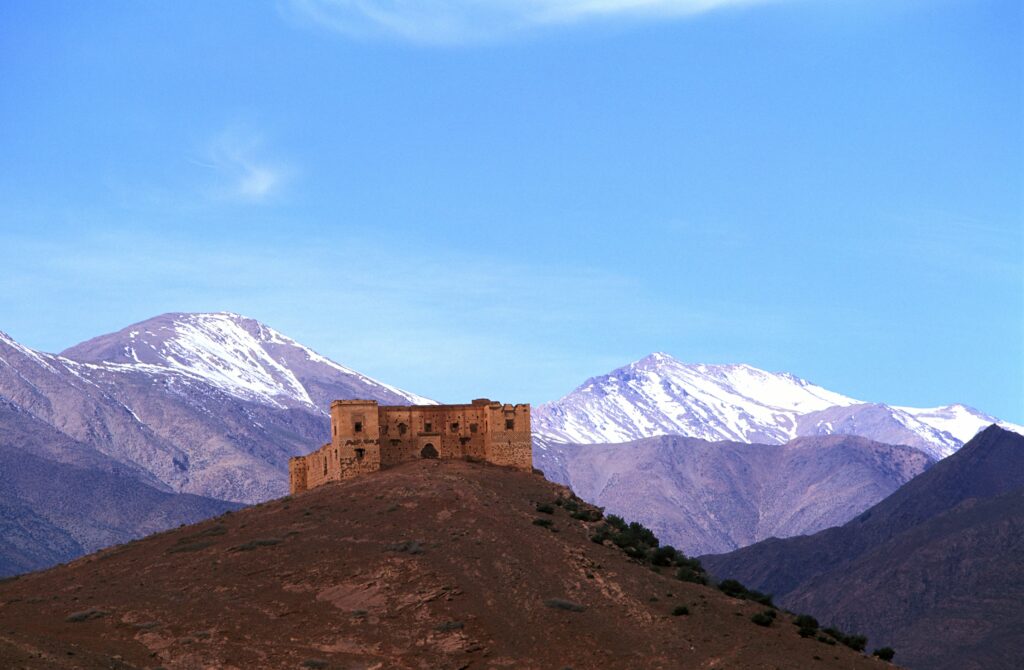
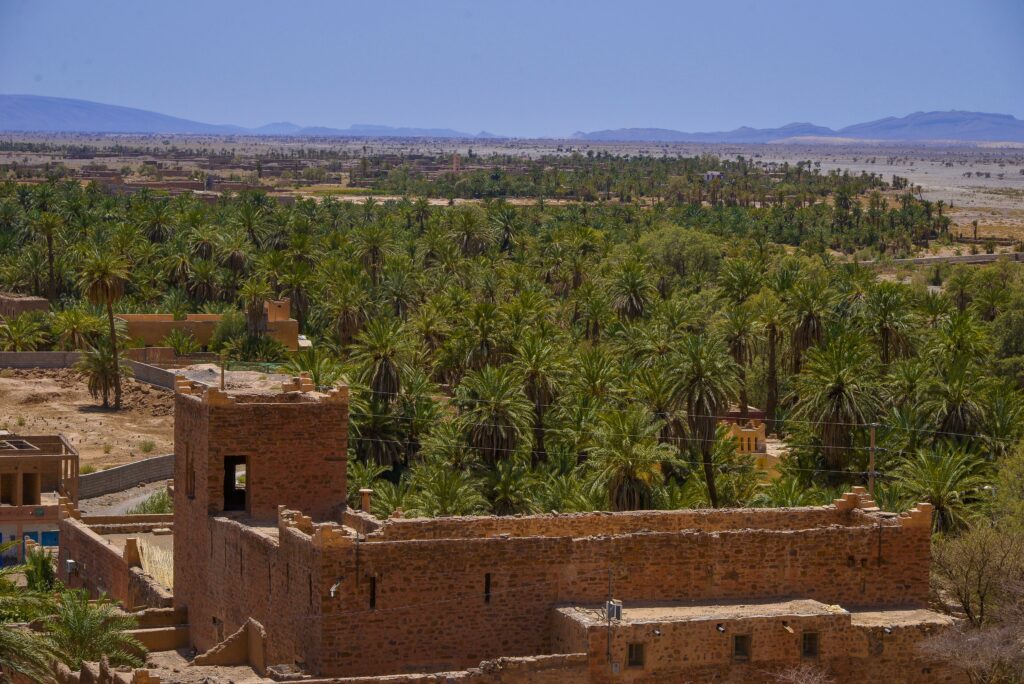
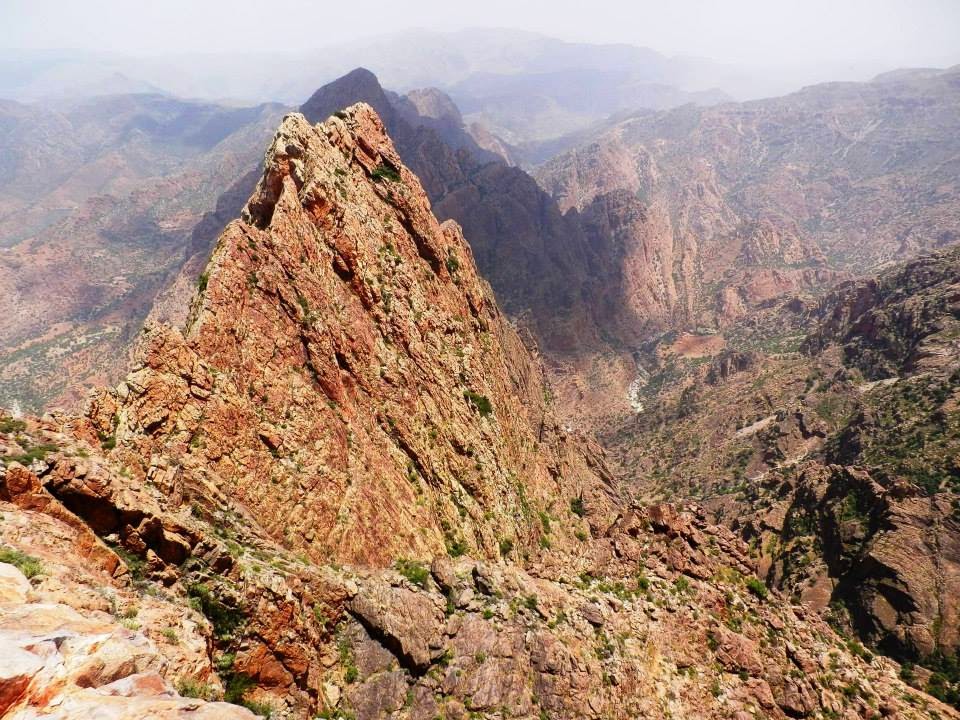
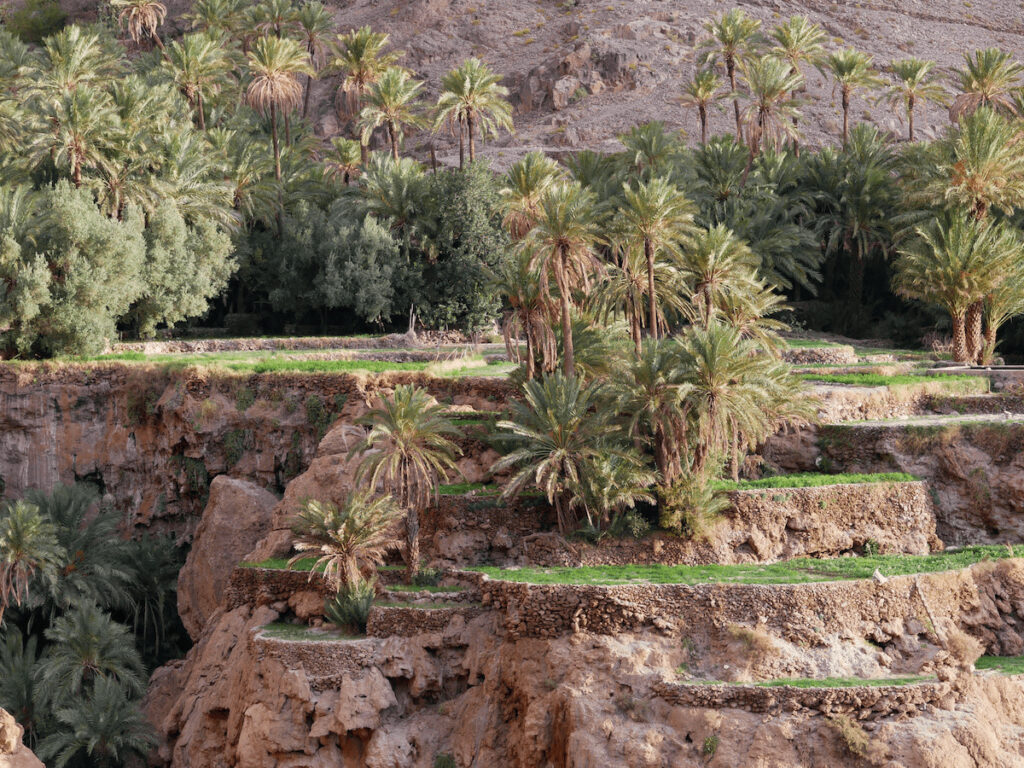
Jbel Siroua dominates the horizon around Taliouine with imposing, dark authority. Specifically, its volcanic peaks represent the erosional remnants of ancient magmatic activity. Moreover, millennia of geological cooling enriched the surrounding soils with exceptional mineral complexity. Consequently, the earth here holds moisture, nutrients, and drainage properties found nowhere else. Additionally, ancient stone agadirs — fortified collective granaries — punctuate the valley slopes throughout. Furthermore, these structures reveal how deeply human civilization adapted to this volcanic terrain over centuries. Remarkably, the same soils that once poured molten now nurture the most delicate of flowers. Geologically, the transition from fire to fragility makes Taliouine one of earth’s great agricultural paradoxes. Therefore, the landscape itself becomes inseparable from the quality of what it produces.
Explore the full cultural and geographical heritage of this remarkable region through this detailed Taliouine overview.
Each October, Taliouine undergoes a transformation of breathtaking botanical precision. Specifically, the Crocus sativus plant pushes its violet petals through the cold volcanic soil. Moreover, the flowering window lasts only two to three weeks in total. Consequently, every harvesting family mobilises before dawn without exception. Additionally, pickers move through the rows extracting the three crimson stamens from each flower by hand. Furthermore, the stamens — the saffron threads — weigh almost nothing individually. Remarkably, one kilogram of dried saffron requires over 150,000 flowers to produce. Therefore, the harvest demands extraordinary human patience, skill, and collective coordination. Moreover, the pre-dawn cold preserves the aromatic compounds within the delicate threads most effectively. Consequently, Taliouine’s high-altitude timing produces saffron of incomparable depth and fragrance.
Taliouine stands as living proof that the harshest landscapes produce the finest things. Moreover, its volcanic geology, extreme altitude, and ancestral harvesting tradition create something genuinely irreplaceable. Consequently, Taliouine’s purple gold belongs not just to Morocco — but to the world’s culinary heritage. Therefore, visit Taliouine in October and witness the harvest that fire and fragility make possible. The crocus will not wait.
There are no results matching your search
There are no results matching your search