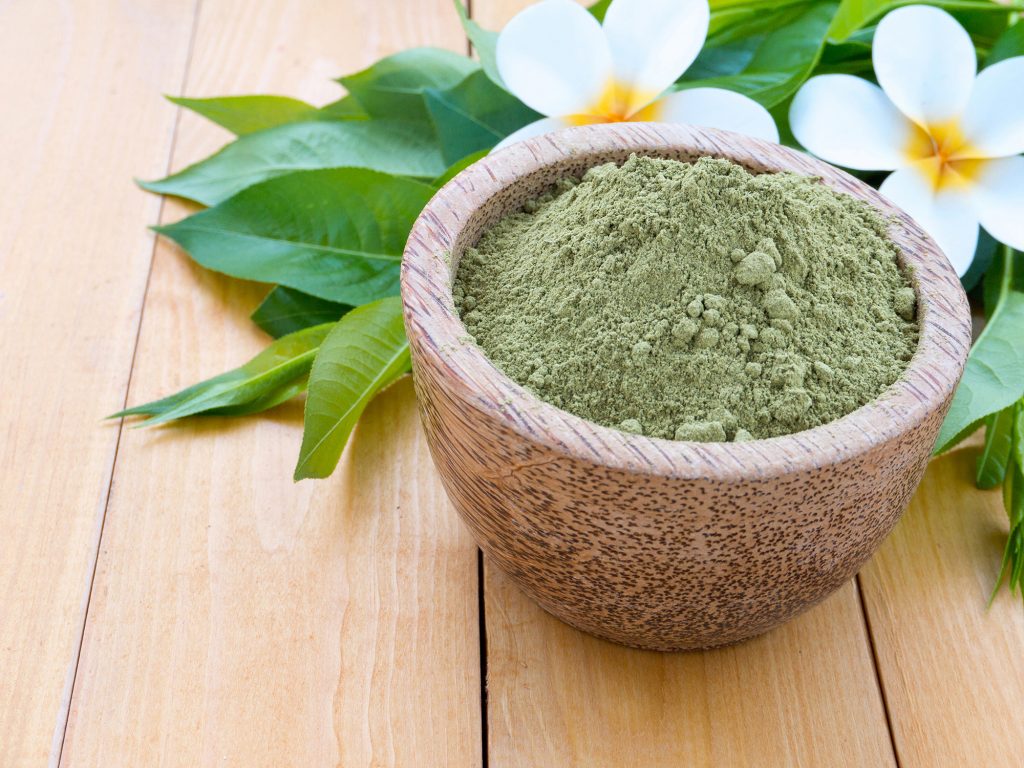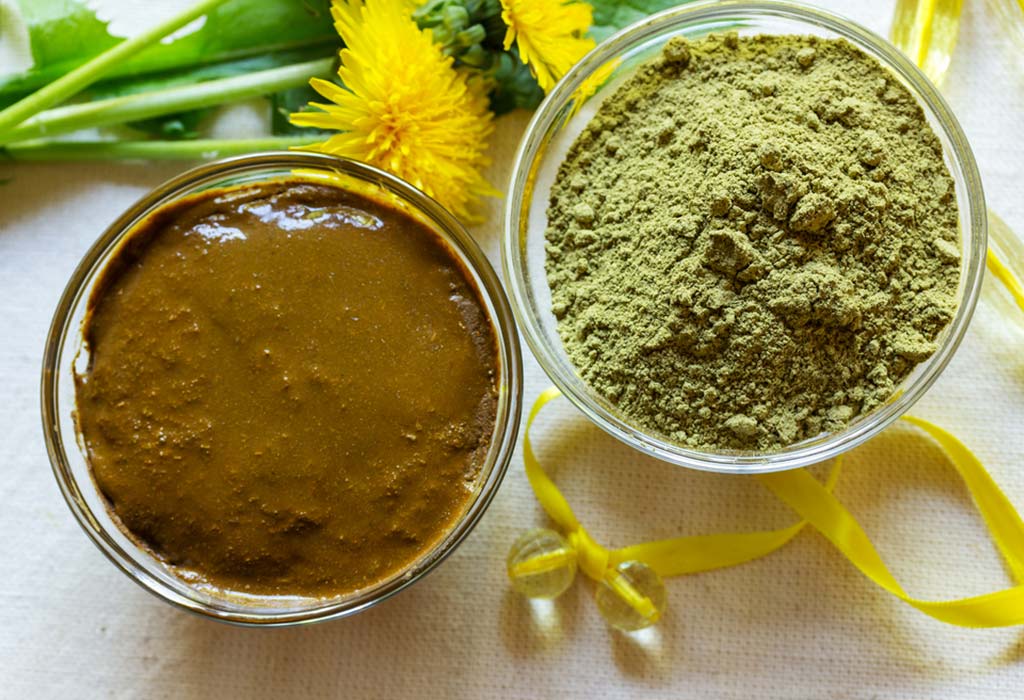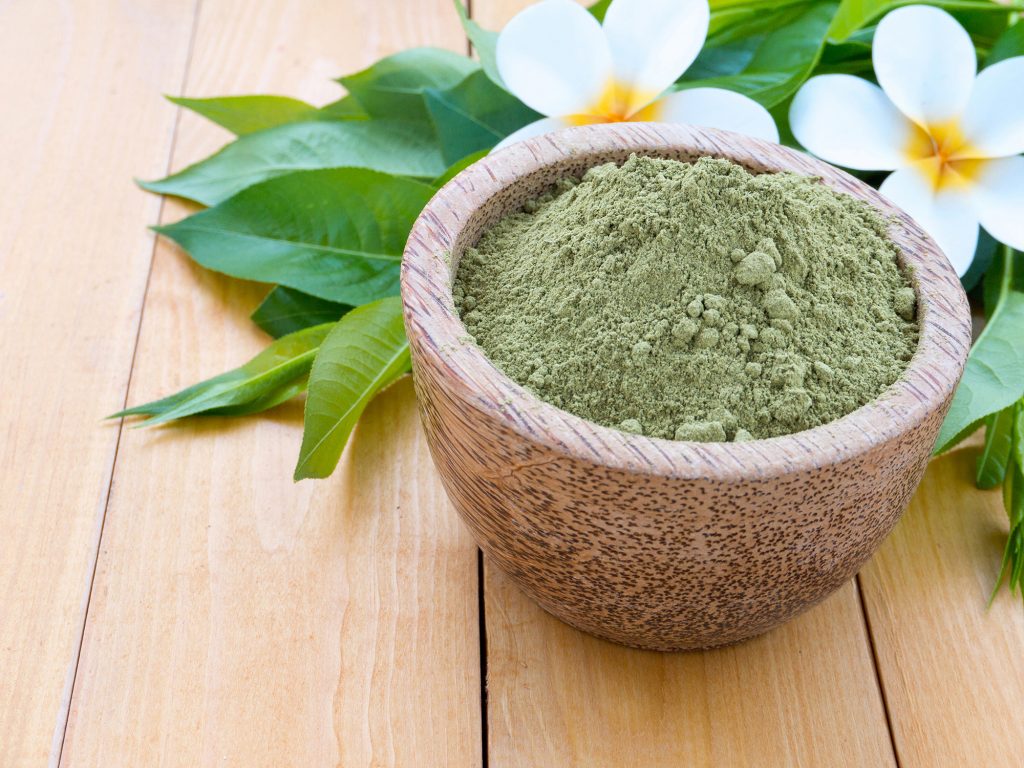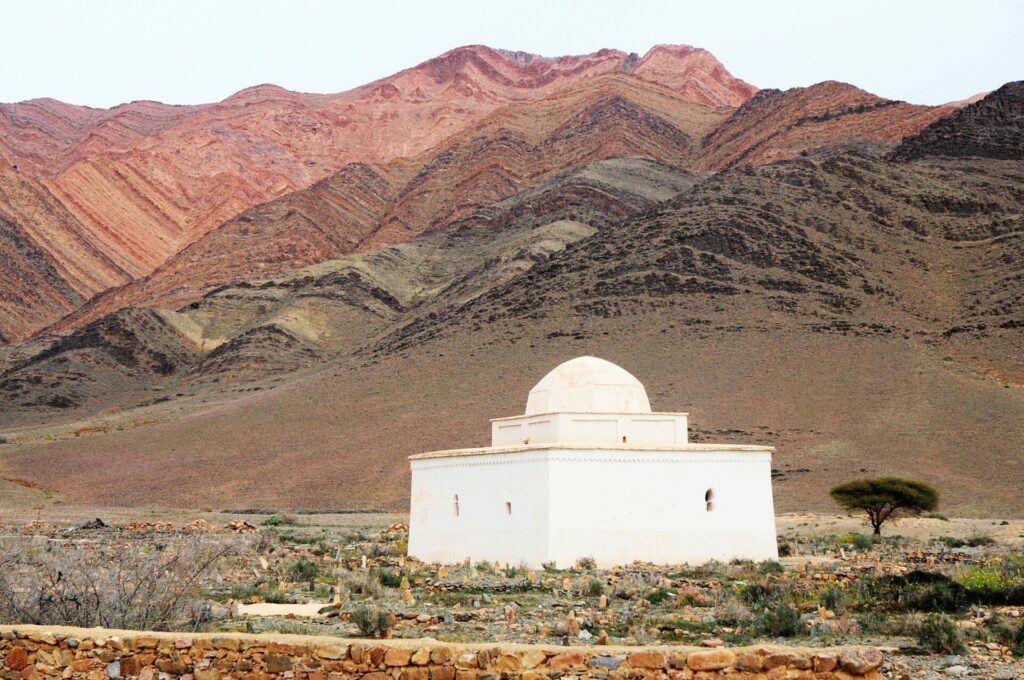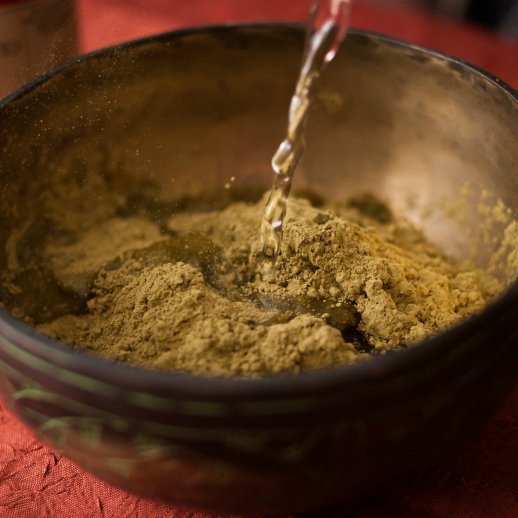
Henna (Lawsonia inermis) is a spiny shrub from the Lythraceae family, flourishing primarily in arid and semi-arid climates.Henna in Morocco thrives in the oasis and desert regions, particularly in Morocco’s eastern desert, along the Tafilalt-Draa Valley and Tata axis. Known for its deep green foliage and vibrant red flowers, the henna plant holds significant cultural and medicinal value. Its leaves are dried and ground into a fine powder, which has been used for centuries across North Africa and the Middle East for a wide range of applications.
In Morocco, henna plays a crucial role in traditional medicine and beauty practices. It is most commonly known for its use as a natural hair dye, providing a rich reddish-brown hue that enhances the hair’s health and shine. Henna is also used in hair care treatments for its soothing and strengthening properties. Moroccan women have long used it to promote hair growth, reduce dandruff, and maintain scalp health. Its natural properties make it an ideal alternative to chemical-laden hair products, offering a gentle solution for hair care.
Beyond its use in personal care, henna holds a special place in Moroccan culture, particularly in ceremonial and festive contexts. One of the most prominent cultural uses is during the famous henna ceremony, a traditional ritual that remains an essential part of various celebrations. Whether it’s for a wedding, circumcision, engagement, or religious festivals, henna is applied to the hands, feet, and even other parts of the body to symbolize joy, beauty, and blessings. This art of applying intricate designs, often passed down through generations, represents a deep connection to Moroccan heritage.
The significance of henna goes beyond aesthetics. In Moroccan culture, it is also a symbol of hospitality and joy. It is often applied to guests who have been absent for a long time, signifying happiness and welcoming them back into the fold. The vibrant and intricate patterns are seen as protective charms, meant to bring good luck and ward off negative energy. During festive seasons like Eid or during family celebrations, henna is used not only as a beauty treatment but also as a bonding activity, where family and friends come together to share in the ritual.
Henna’s popularity in Morocco and other North African countries continues to thrive due to its many health benefits and cultural significance. As natural beauty and wellness practices regain popularity globally, Moroccan henna remains a timeless, cherished tradition. From its role in Moroccan weddings to its medicinal uses, henna continues to be a treasured part of Morocco’s rich cultural and botanical heritage.
There are no results matching your search