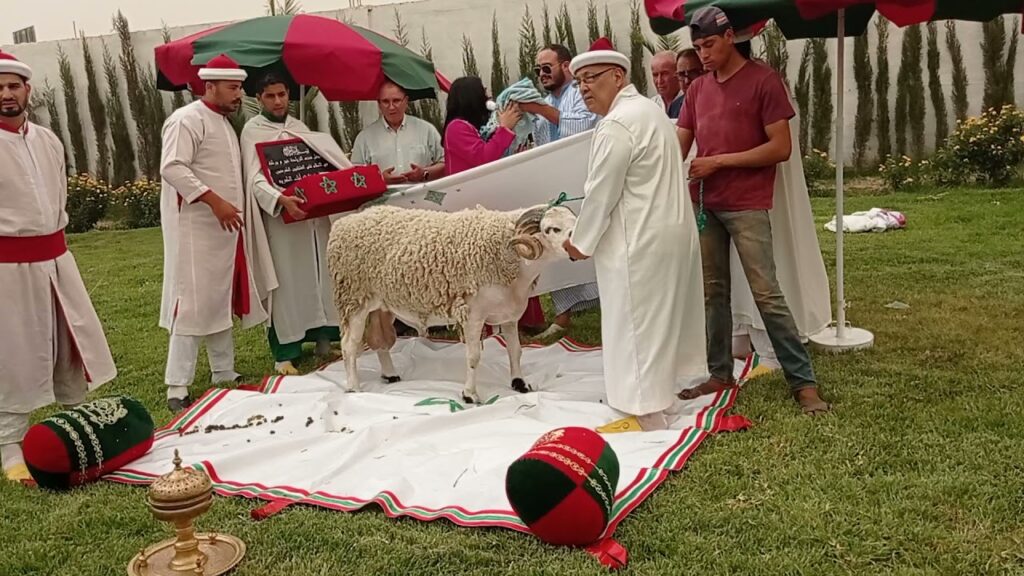
Eid al-Adha, known as the Festival of Sacrifice, is a major religious celebration in Morocco. It honors the Prophet Ibrahim’s (Abraham’s) willingness to sacrifice his son in obedience to God. This important Islamic holiday is observed on the tenth day of Dhu al-Hijjah, the final month of the Islamic lunar calendar. For Moroccans, it holds deep spiritual meaning and is strongly tied to cultural traditions.
Eid al-Adha commemorates Ibrahim’s unwavering faith and devotion. According to Islamic belief, God tested him by asking him to sacrifice his son Ishmael (Ismael). Despite the emotional struggle, Ibrahim was ready to follow God’s command. However, at the last moment, God intervened and provided a ram as a substitute. This act symbolizes divine mercy and the reward for faith. Therefore, the festival reminds Muslims of the importance of obedience, trust, and surrender to God’s will.
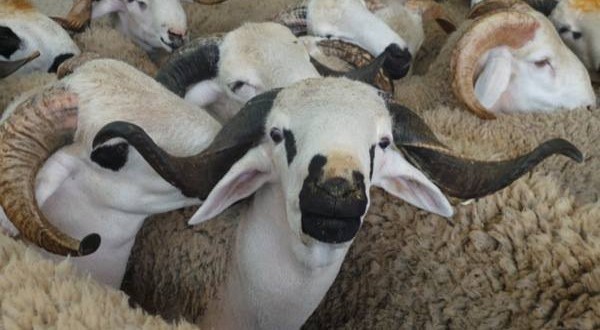
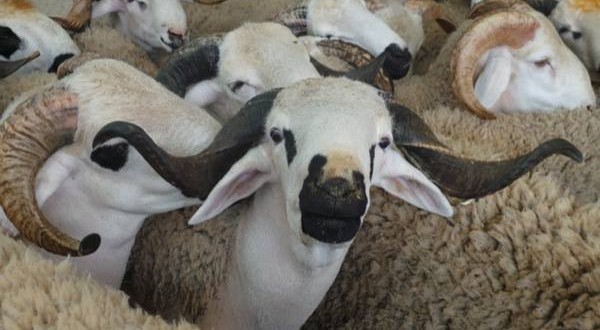
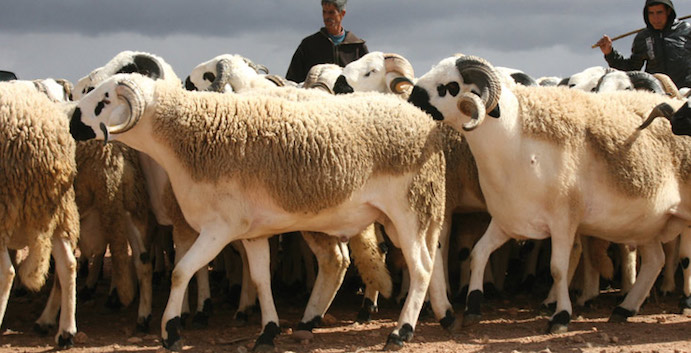
In the days leading up to Eid, Moroccan families begin preparing for the celebration. Homes are thoroughly cleaned, and people shop for new clothes. Additionally, families select a sacrificial animal—usually a sheep, goat, or cow. Care is taken to choose a healthy and suitable animal for the ritual.
On the morning of Eid, people gather at mosques for communal prayers. Everyone dresses in their finest clothes to mark the special day. After prayers, the main ritual begins. Families sacrifice their chosen animal in memory of Ibrahim’s act of faith. The meat is then shared among relatives, neighbors, and the poor. As a result, this practice promotes generosity and unity. The atmosphere is both spiritual and joyful.
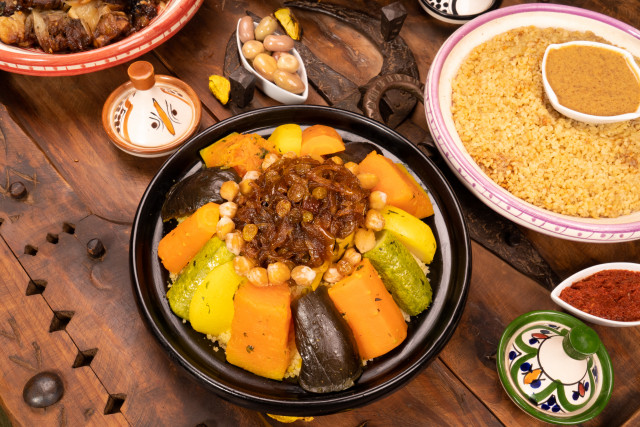
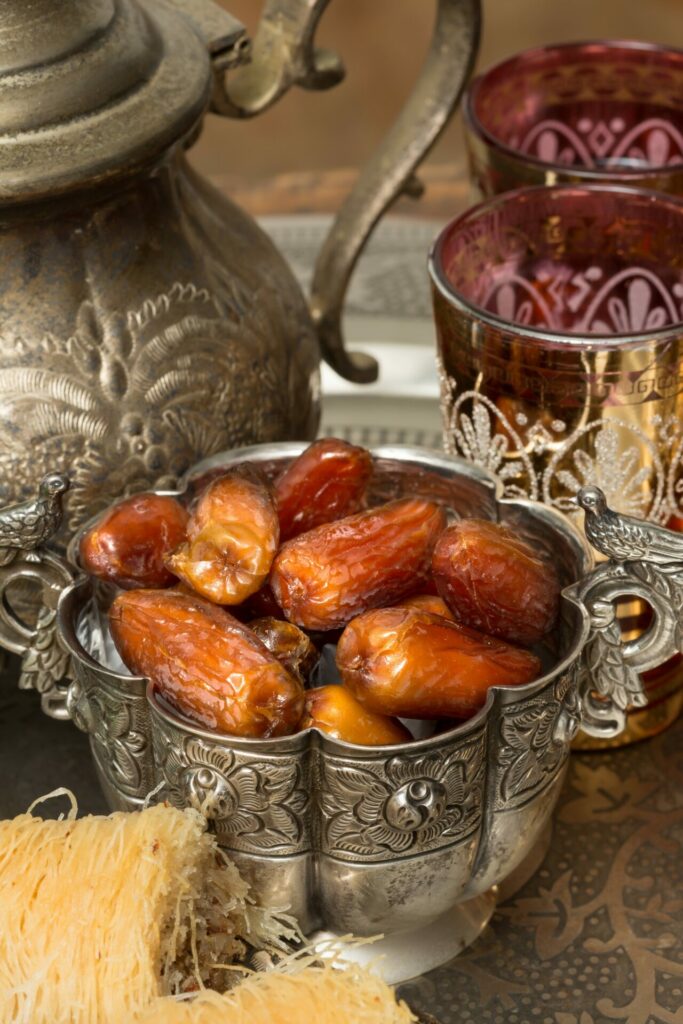
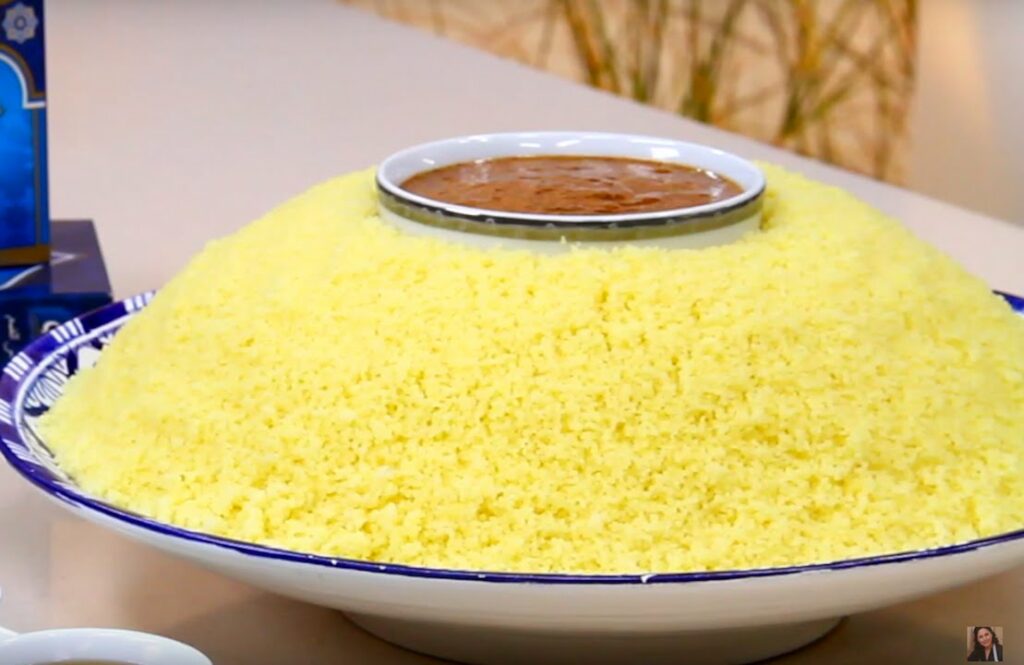
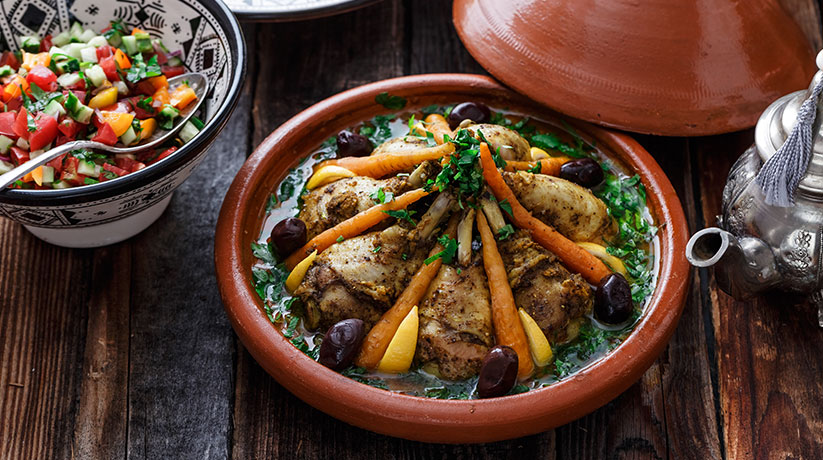
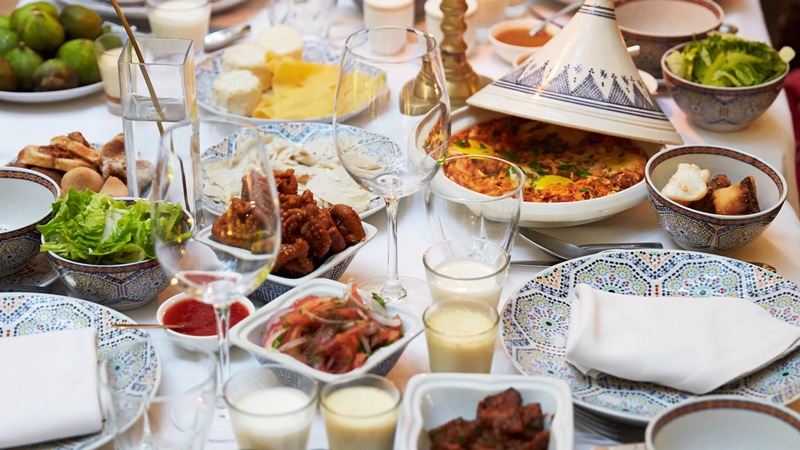
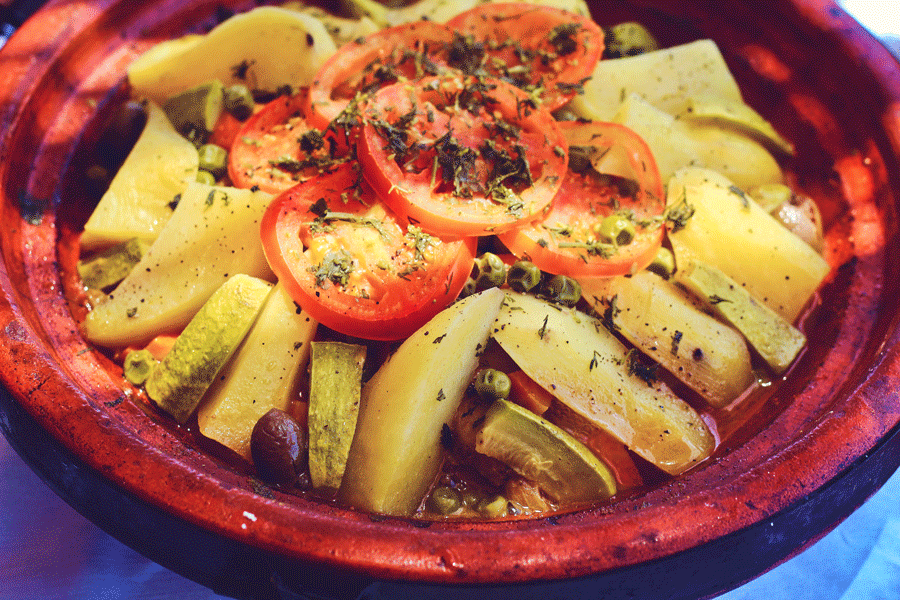
Following the sacrifice, families gather to enjoy a festive meal. Traditional Moroccan dishes like couscous and tajine are prepared using the fresh meat. These meals are rich in flavor and add to the celebratory mood. In addition, families visit each other, exchange sweets, and offer warm greetings. The spirit of hospitality shines through, as guests are welcomed with open arms. Eid al-Adha is truly a time of giving, connection, and gratitude.
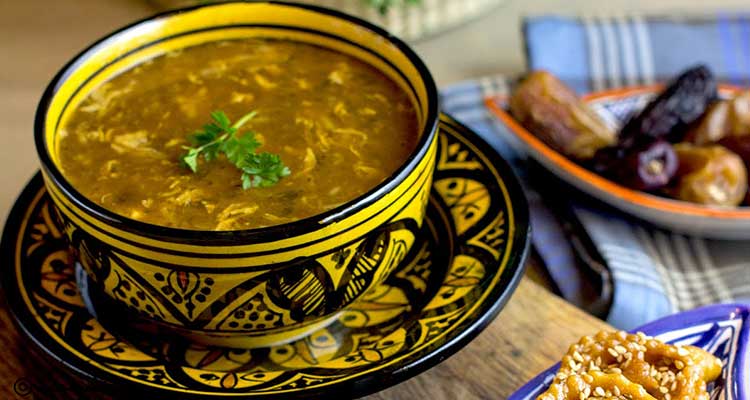
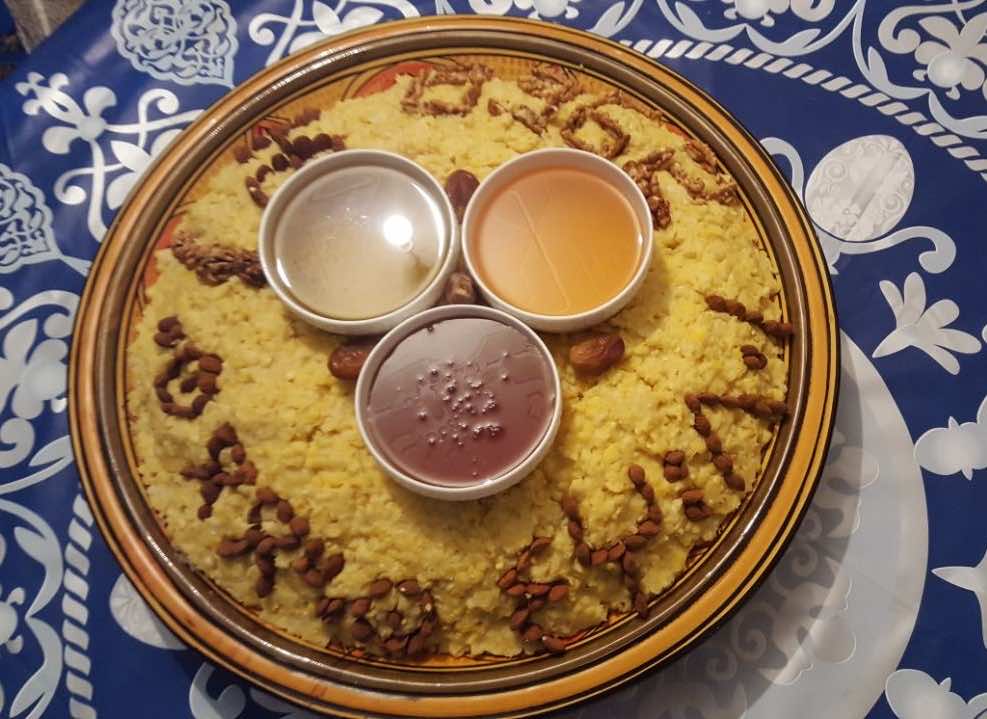
In the Souss-Massa region, Eid al-Adha features unique Berber culinary traditions. The day begins with “Her-Bel,” a warming soup made from crushed durum wheat and fragrant spices such as cumin, saffron, and cinnamon. After the morning prayers and the sacrifice, the cooking continues.
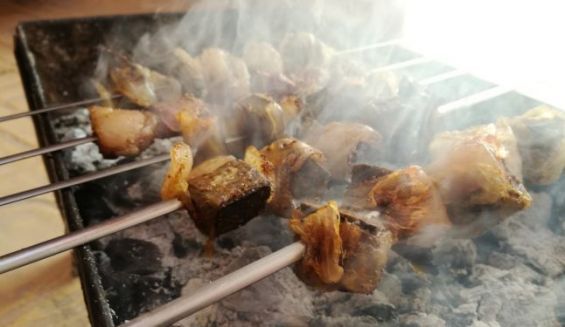
Families prepare skewered liver wrapped in fat as an appetizer. For the main course, various organ meats are cooked using traditional recipes. Dishes like spicy liver stew and grilled kidneys with lemon and parsley are popular. These meals reflect creativity and a commitment to minimizing waste. Furthermore, they highlight the region’s rich culinary heritage passed down through generations.
There are no results matching your search