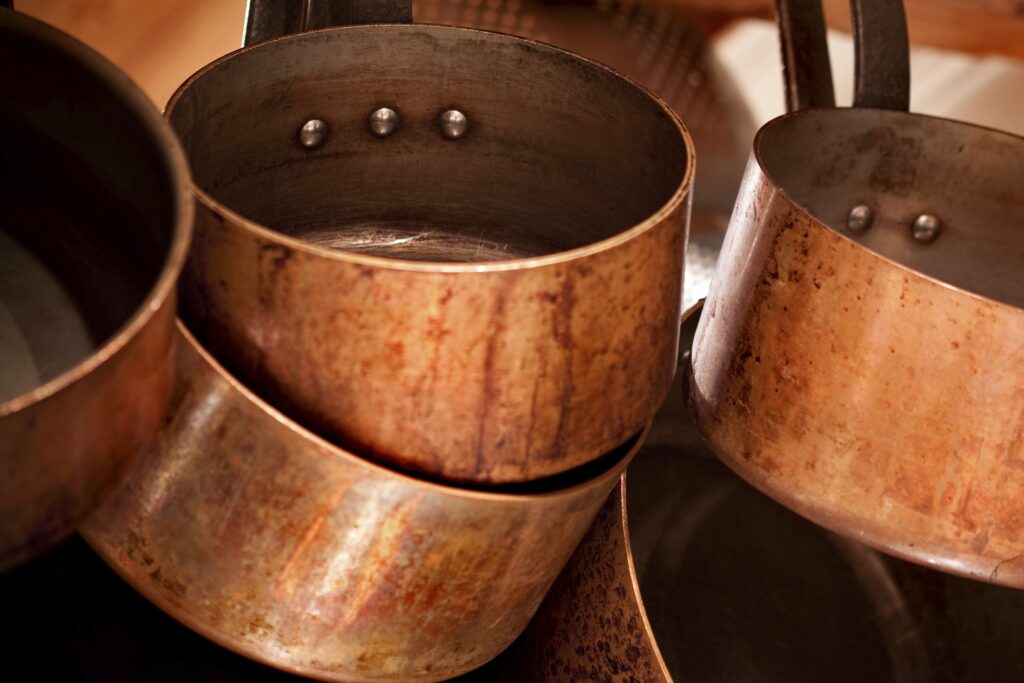
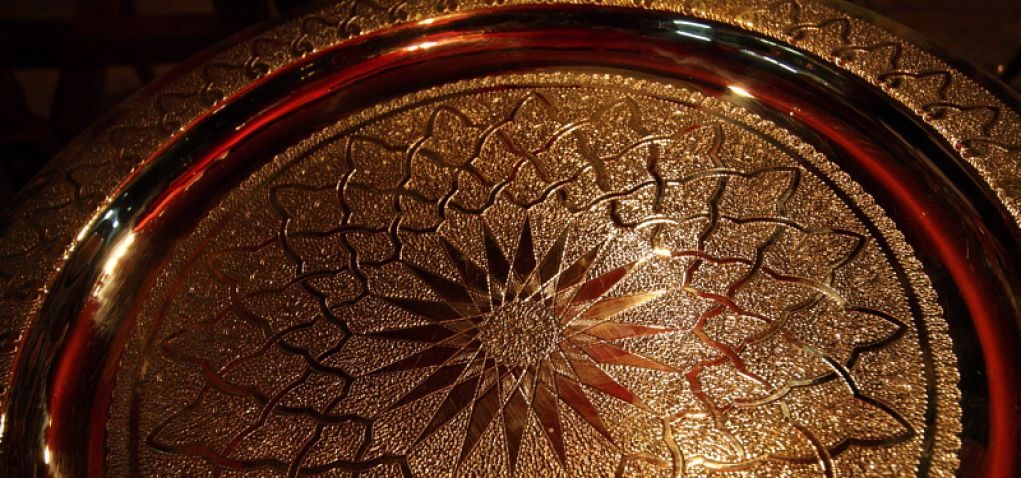
Moroccan Dinanderie is the skilled craft of shaping metals such as copper, brass, and silver into both decorative and functional objects. This tradition began in Morocco as early as the 12th century. By the 14th century, it had developed into a celebrated art form recognized across the Islamic world. Today, Dinanderie continues to thrive through the hands of Moroccan artisans who preserve its beauty and complexity.
In this article, we’ll explore the evolution of Dinanderie, highlight its key techniques, and examine its cultural and regional significance—especially the renowned craftsmanship of Tiznit.
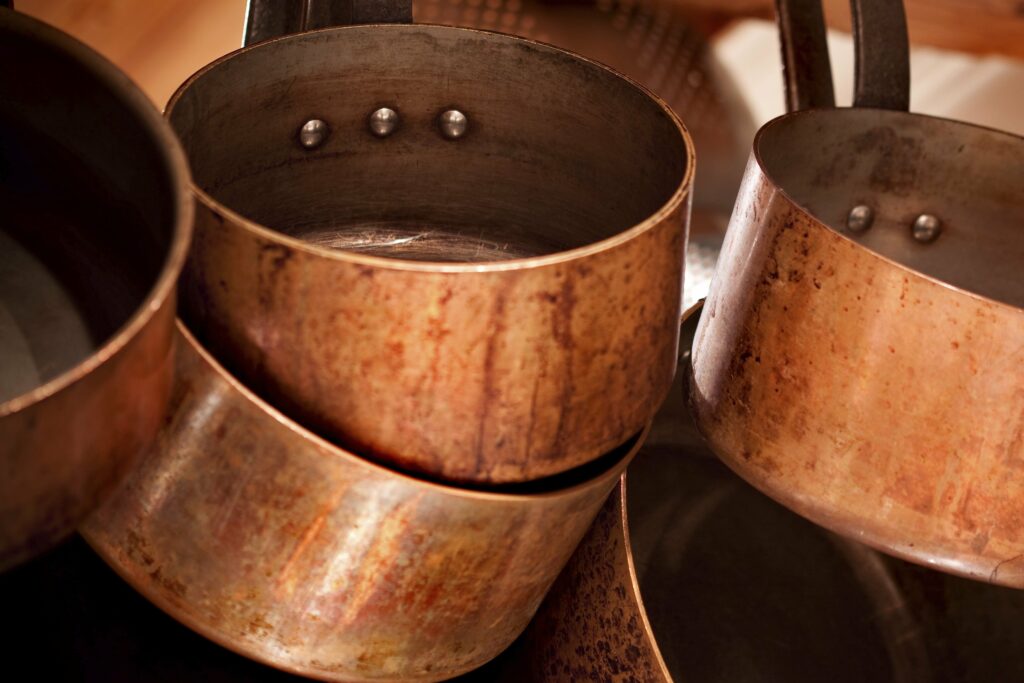
Moroccan Dinanderie owes its survival to generations of dedicated artisans, known as Maâllems. These master metalworkers typically learn their trade from their parents and grandparents. They begin the process by melting metals like copper or brass, then skillfully shape them using traditional tools—hammers, chisels, and anvils.
The creation of each item requires intense focus. Every strike of the hammer and every etched pattern reveals the artisan’s precision and pride. Common pieces include ornate teapots, candle holders, engraved trays (soigni), and decorative fountains. Each object is handcrafted with care, showcasing a deep respect for heritage and attention to detail.
Importantly, these Maâllems treat every creation as a personal expression of their craft. They combine inherited knowledge with their own artistic touch, making each piece truly one-of-a-kind.
Dinanderie is more than a practical craft—it is a living symbol of Moroccan culture. In homes across the country, people use these handcrafted items not just for daily tasks but also during weddings, religious holidays, and family gatherings.
Because of their craftsmanship and symbolism, many Dinanderie objects are treasured as family heirlooms. Parents pass them down to children as part of their cultural heritage. These items represent generosity, hospitality, and tradition. They remind Moroccans of the importance of preserving their customs, especially in a fast-changing world.
Despite modern alternatives, artisans continue to produce Dinanderie by hand. This choice ensures the survival of ancient techniques and keeps the emotional connection to the past alive.
While metalworking is practiced across Morocco, each region brings its own flair to Dinanderie. One of the most distinguished centers is Tiznit, located in the south. Here, artisans blend Amazigh aesthetics with local materials to create a distinctive rural style.
A famous item from the region is the Tikinte pot—a beloved piece in traditional Tiznit homes. Local craftsmen often draw inspiration from natural landscapes and cultural motifs, making their work both artistic and meaningful.
Other cities like Fes, Marrakech, and Taroudant have also developed their own variations of Dinanderie. Each region adapts techniques and patterns to reflect its unique identity. This diversity enriches the national craft and ensures that Moroccan metalwork remains dynamic and rooted in place.
In recent years, Morocco has taken active steps to protect Dinanderie as a cultural treasure. Artisan cooperatives, supported by local and national programs, now offer training to young craftspeople eager to carry on the tradition.
Additionally, public awareness campaigns and international exhibitions promote Moroccan metalwork around the world. These efforts not only support artisans economically but also emphasize the cultural value of their work.
By investing in these initiatives, Morocco ensures that Dinanderie remains vibrant. As more people discover the beauty of this art form, the future of Moroccan metalwork looks promising—firmly connected to its rich past.
There are no results matching your search