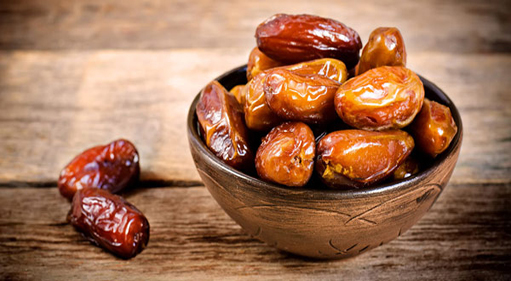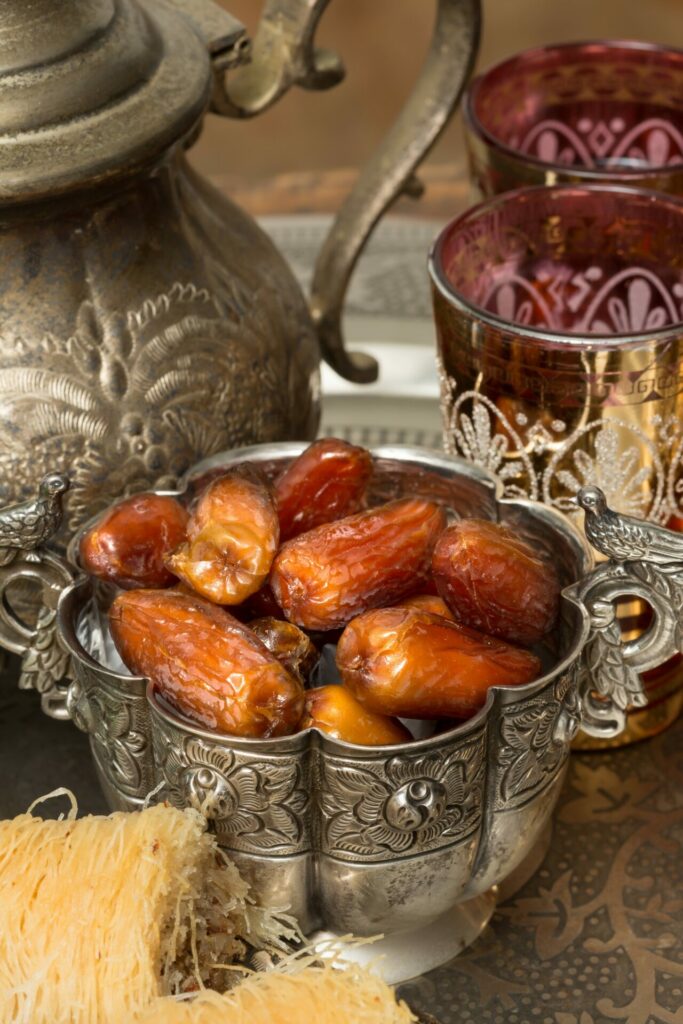
Moroccan dates are a beloved treat, famous for their sweet flavor, versatility, and health benefits. These small, wrinkled fruits have delighted people for centuries.
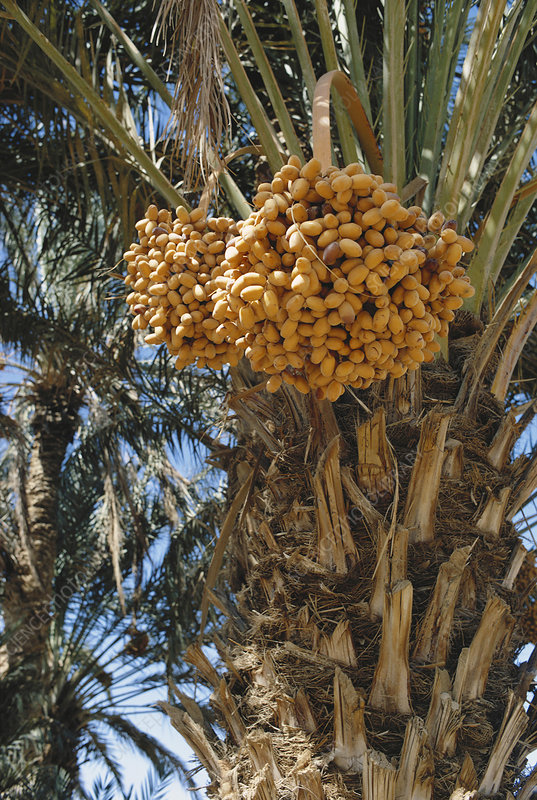
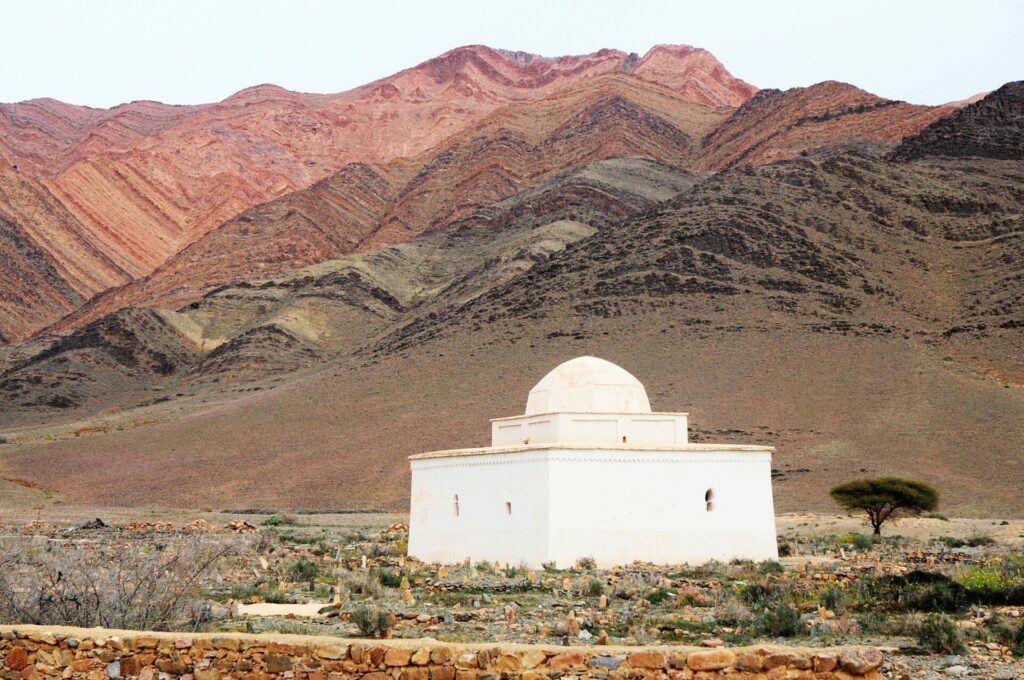
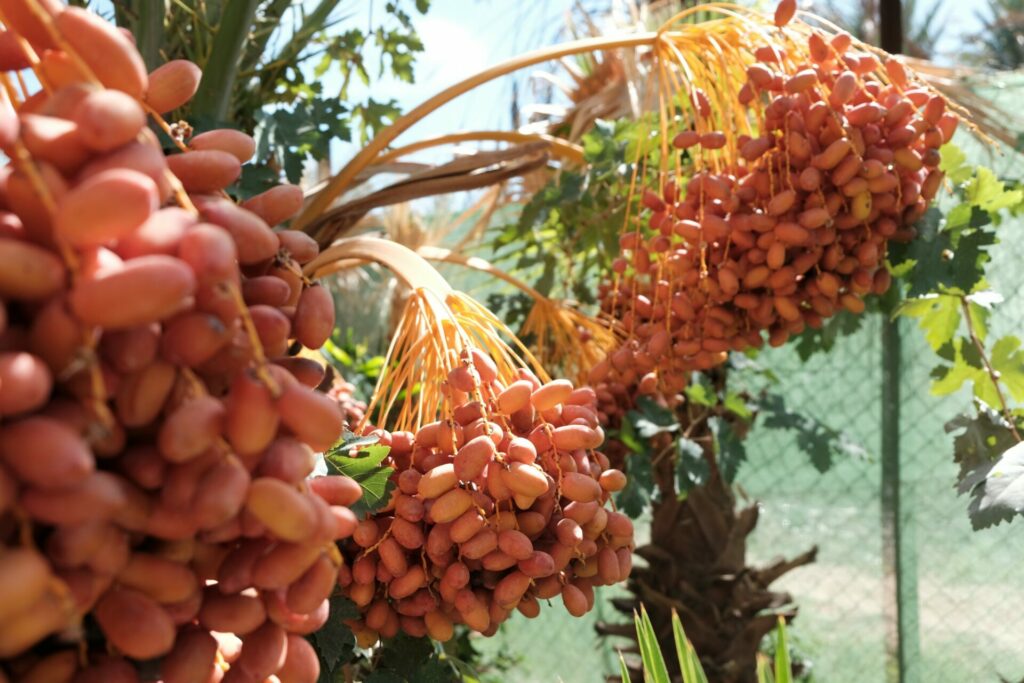
Dates grow in regions like Goulmima, Zagora, and the Draa Valley, where date palms thrive in the dry, hot climate and fertile soil. They play a key role in everyday life throughout Morocco, offering both nutritional and cultural value.
The cultivation of dates in Morocco spans thousands of years. The date palm, often called the “tree of life,” flourishes in Morocco’s arid climate, especially in the oases of the Sahara Desert and the valleys of the Atlas Mountains. Ancient civilizations recognized the palm’s resilience and its ability to provide sustenance in harsh environments.
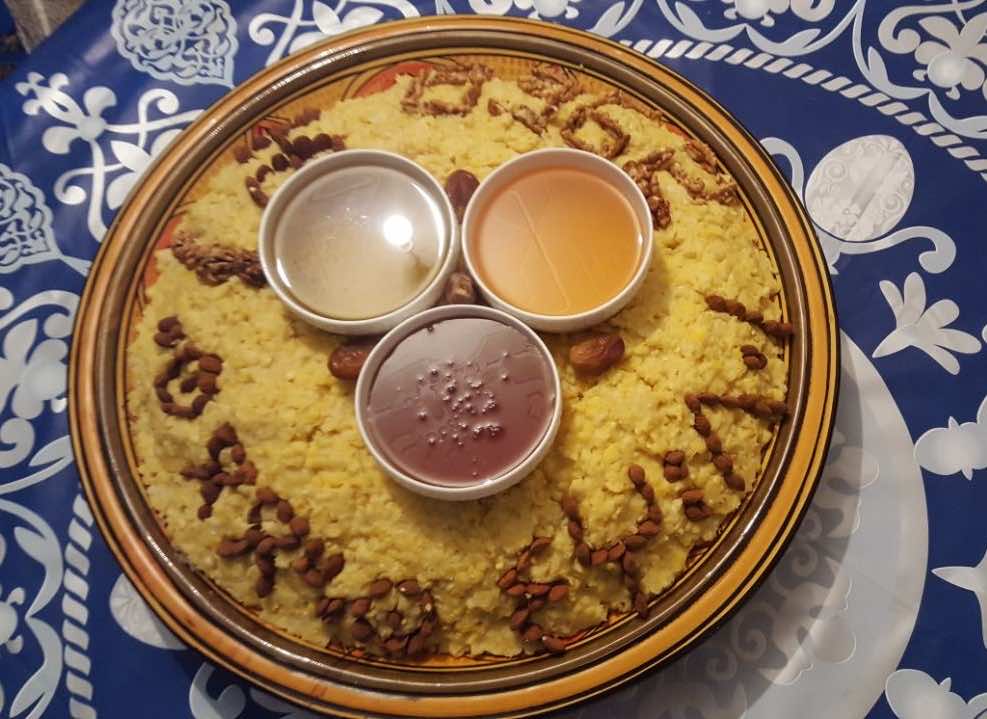
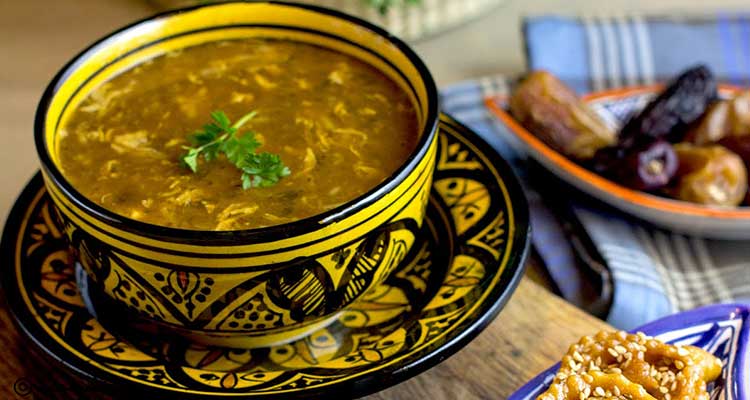
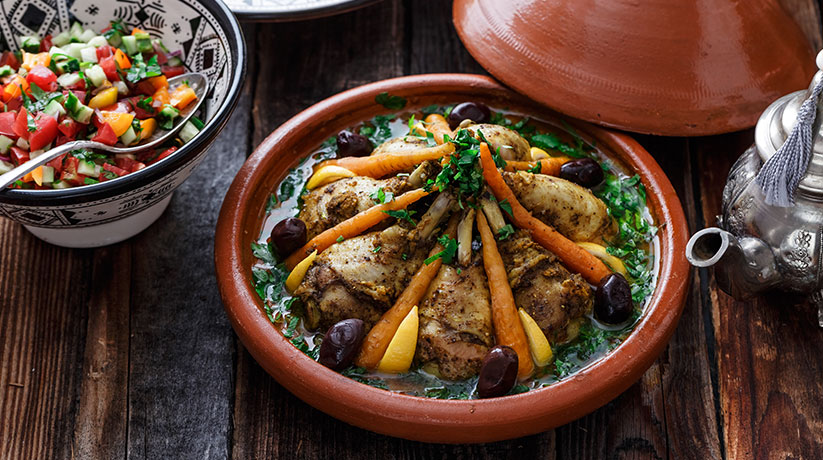
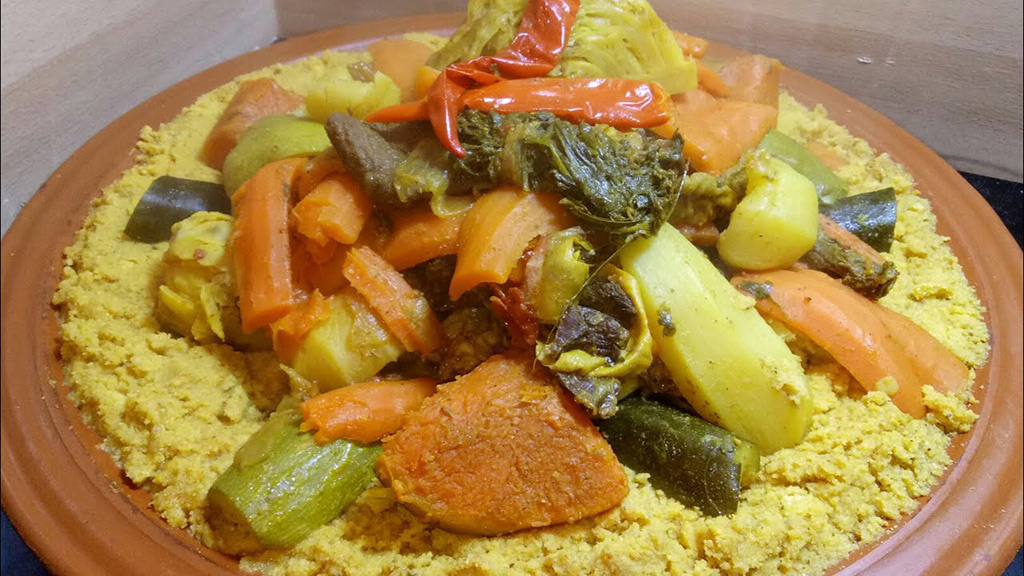
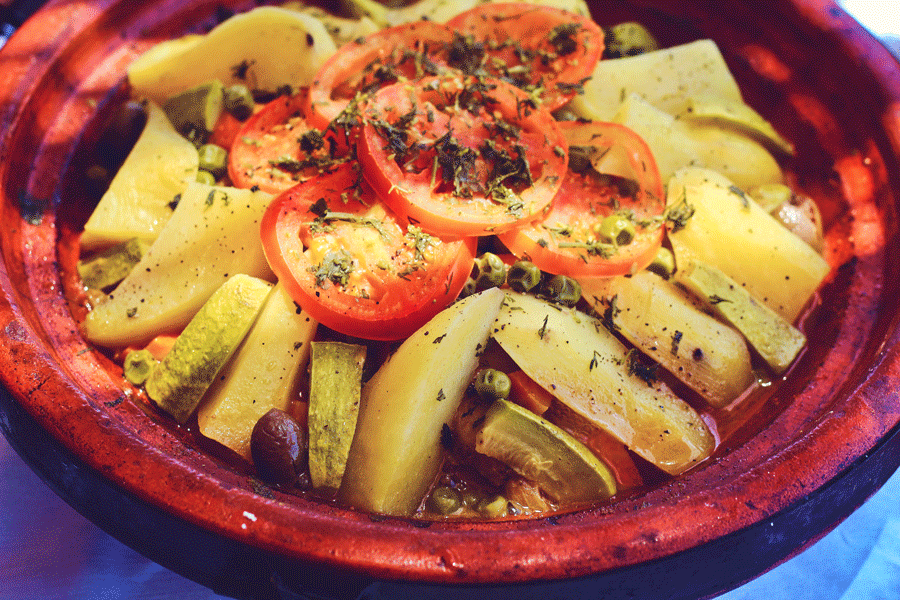
Moroccan dates have long been a staple in local cuisine. They’re used in both savory and sweet dishes, and are a popular, healthy snack. Whether in traditional tagines, couscous, or desserts, dates bring a natural sweetness and richness to Moroccan recipes.
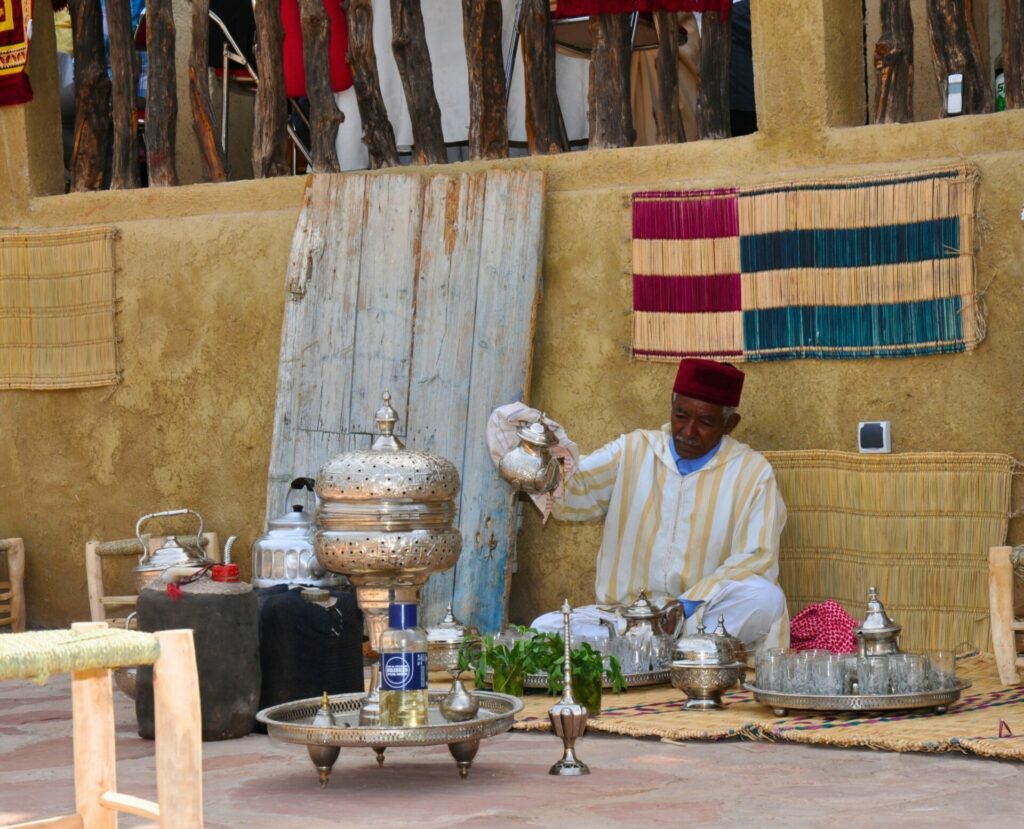
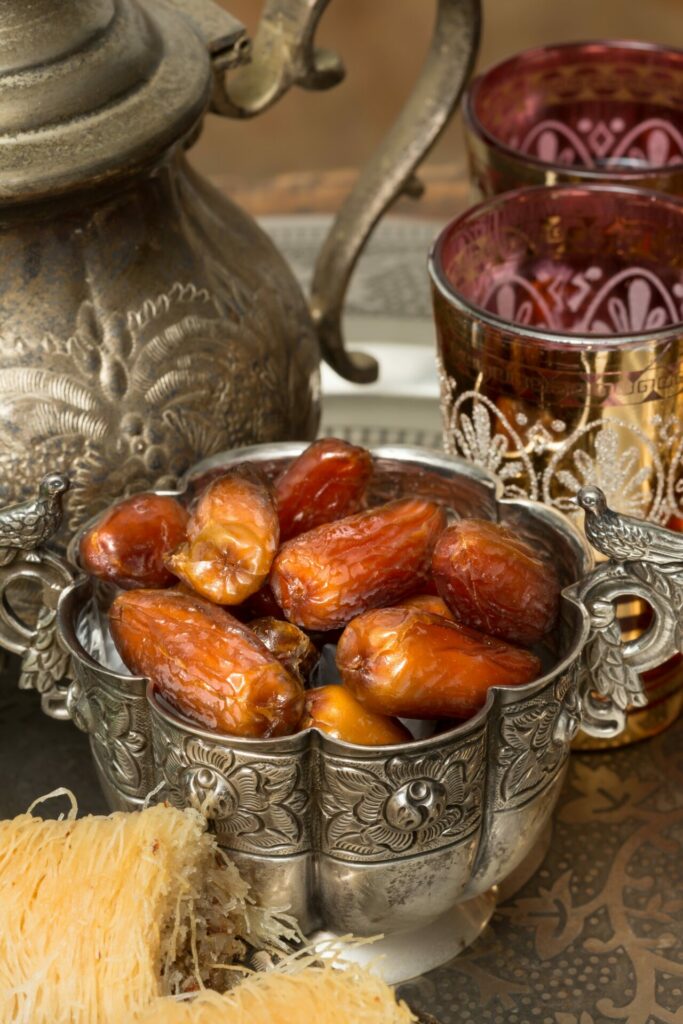
Dates are more than just a food in Moroccan culture; they carry deep cultural and spiritual meaning. Offering dates to guests symbolizes hospitality and generosity, a tradition that remains strong today. During Ramadan, dates play a crucial role. Muslims in Morocco and beyond break their fast with dates and water, honoring the practice of Prophet Muhammad. Dates provide essential nutrients and natural energy, making them a perfect choice to replenish the body after fasting.
Moroccan dates aren’t just delicious—they’re packed with health benefits. High in vitamins, minerals, and fiber, they contribute to overall health and well-being. Dates are rich in potassium, magnesium, and antioxidants, which support heart health, aid digestion, and promote overall vitality. Regularly eating dates can help lower cholesterol, stabilize blood sugar levels, and improve digestion. Plus, since they’re naturally sweet, dates make a great alternative to sugary snacks.
Morocco’s date industry is rooted in tradition, yet increasingly embraces sustainable practices. As climate change affects agricultural productivity, farmers in regions like Goulmima, Zagora, and the Draa Valley are adopting innovative methods to protect date palms and conserve resources. Techniques such as drip irrigation deliver water directly to plant roots, addressing water scarcity in arid areas. Many farmers are also switching to organic farming, reducing the need for chemical fertilizers and pesticides. Additionally, efforts to prevent soil erosion and conserve ecosystems help preserve the environment where date palms grow. Through these sustainable practices, Morocco protects its agricultural heritage and ensures a resilient future for its date farming industry.
There are no results matching your search