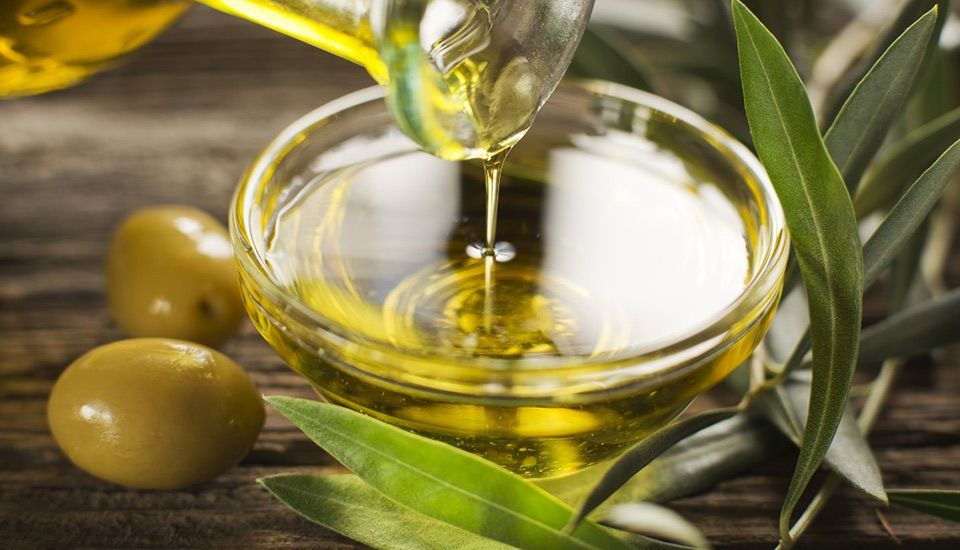
Morocco, a land of vivid landscapes and ancient customs, is home to one of its finest treasures—Moroccan olive oil. From sunlit valleys to rugged mountains, the country has nurtured olive trees for centuries. This golden oil reflects both cultural heritage and a commitment to quality.
Thanks to its ideal climate and diverse terrain, Morocco continues to thrive as a leading olive oil producer. Farmers blend age-old practices with modern techniques to create oil that is both authentic and world-class.
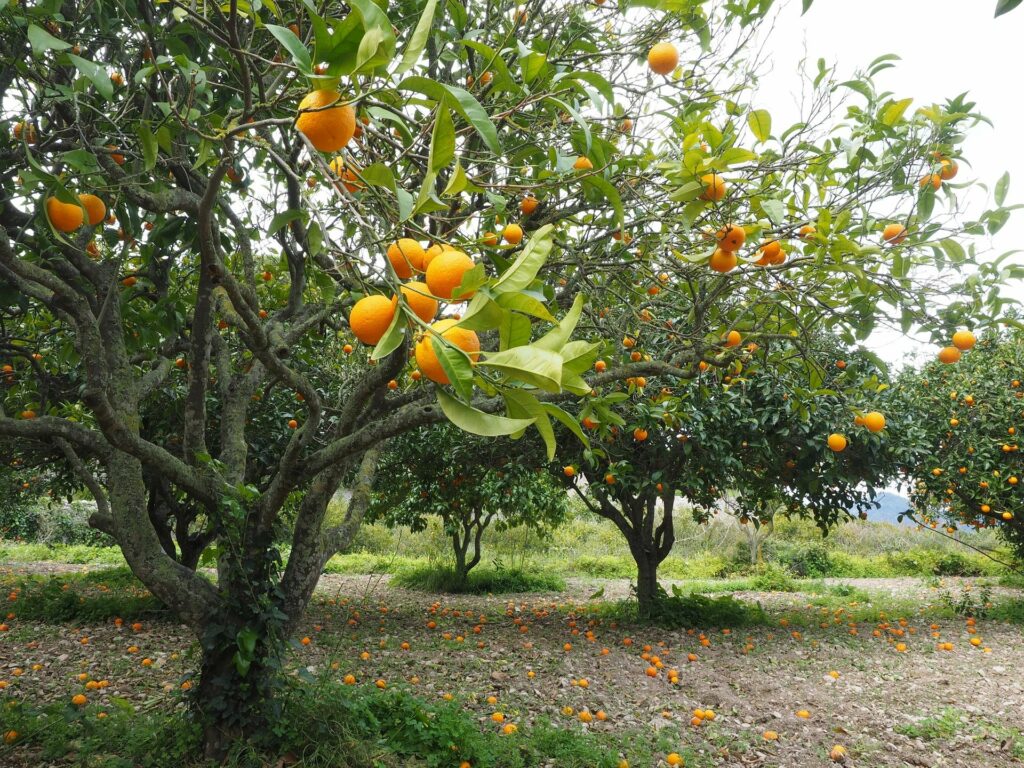
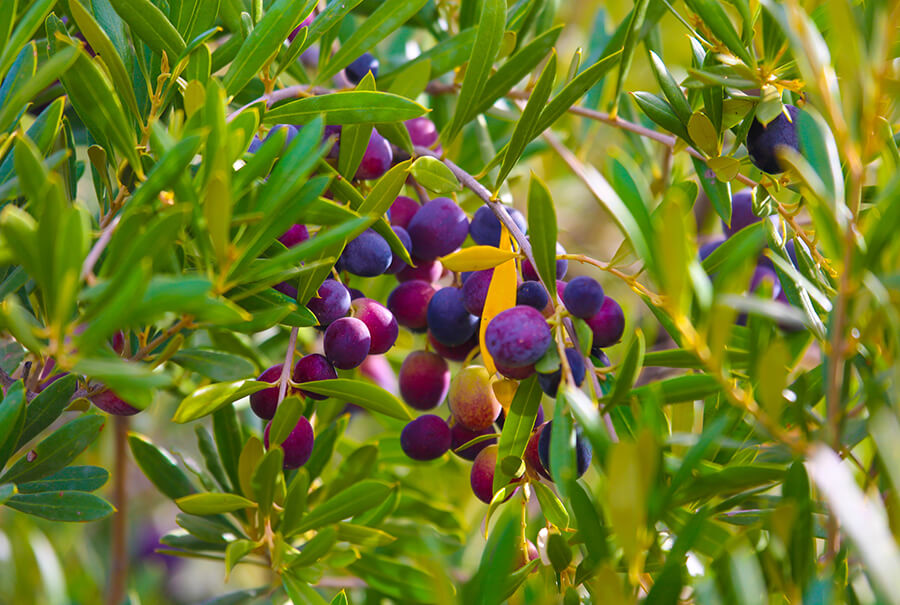
Olive cultivation in Morocco began centuries ago, introduced by the Phoenicians and later expanded by the Romans. Over time, olive groves spread across the country, especially in the Atlas and Rif mountain ranges and along the coasts.
Olive trees adapt well to Morocco’s varied landscapes and climates. This resilience makes them a reliable crop for local farmers. As a result, olives play a key role in both food security and the rural economy.
Today, global demand for high-quality Moroccan olive oil has pushed the industry forward. Farmers now use innovative tools and sustainable practices to maintain quality while increasing yield.
Morocco grows a wide range of olives, each offering distinct flavor profiles. For example, the Picholine olive produces a bold, fruity oil. The Menara is known for its strong taste, while the Dahbia variety is mild and delicate.
Furthermore, the olive’s growing location influences its flavor. Coastal groves, mountain orchards, and inland valleys all create unique oils with their own aroma and richness.
Olive harvest season runs from October through February. During this time, families and entire communities join in the work. In many areas, olives are still picked by hand to preserve fruit quality.
After harvesting, olives go directly to local mills. There, they are cold-pressed to extract pure oil. This process helps retain nutrients and preserve the oil’s distinctive flavor.
Moroccan olive oil is especially valued for its bold, balanced taste. Extra virgin varieties are fruity, slightly bitter, and pleasantly pungent. Many people describe the aroma as fresh and earthy—like a walk through the Moroccan countryside.
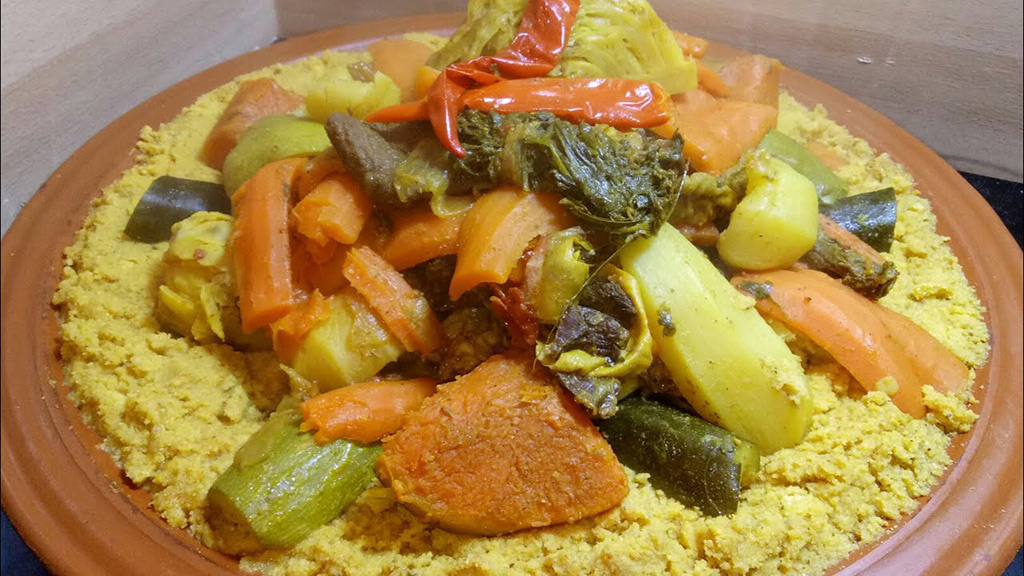
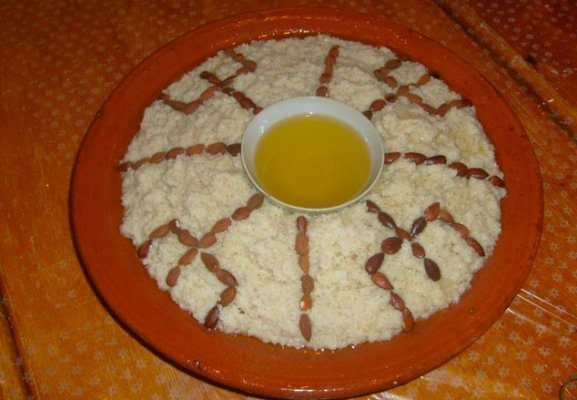
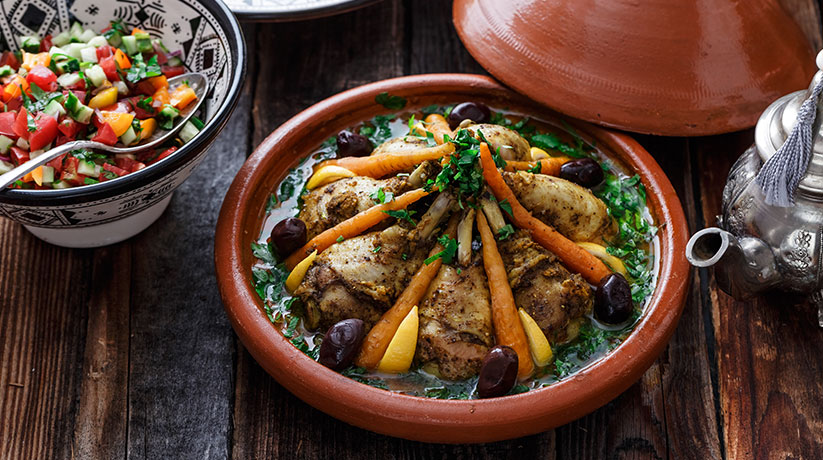
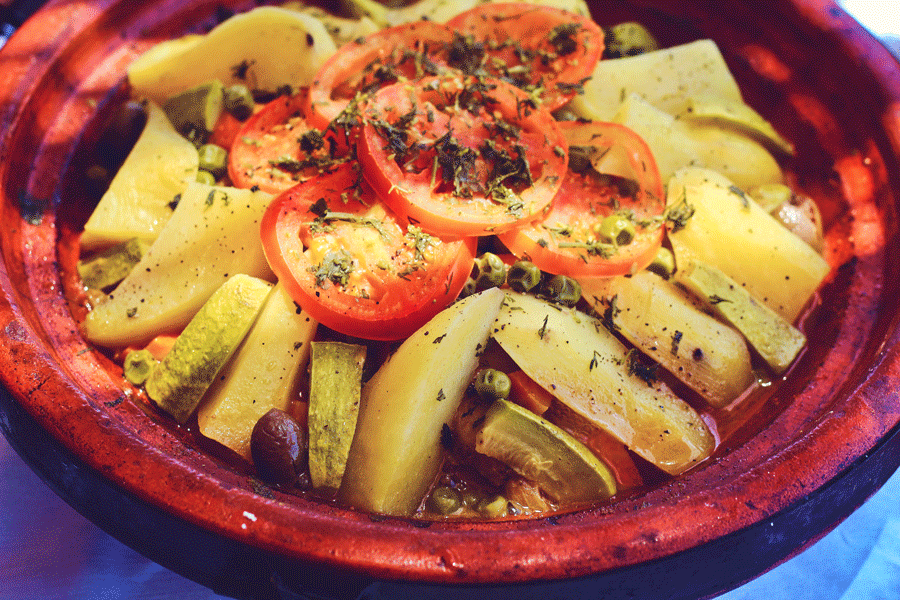
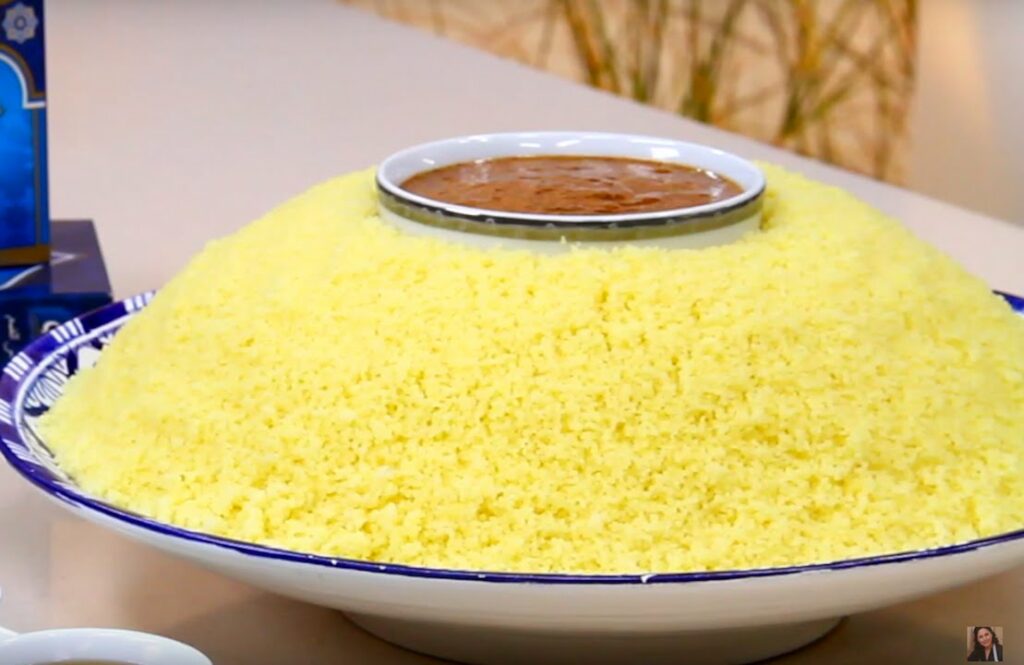
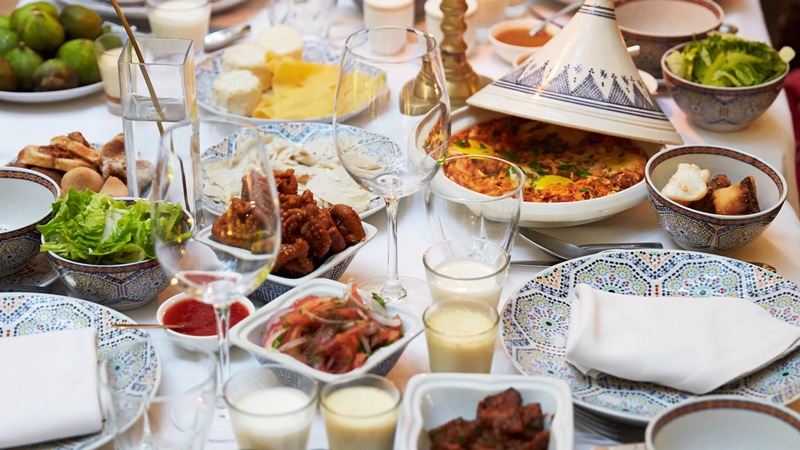
In the kitchen, olive oil enhances a wide range of dishes. It’s essential in traditional meals like couscous and tajines. People also use it to dress salads, marinate meats, or simply enjoy it with warm bread.
Beyond taste, Moroccan olive oil offers impressive health benefits. Rich in antioxidants and healthy fats, it supports heart health and overall well-being.
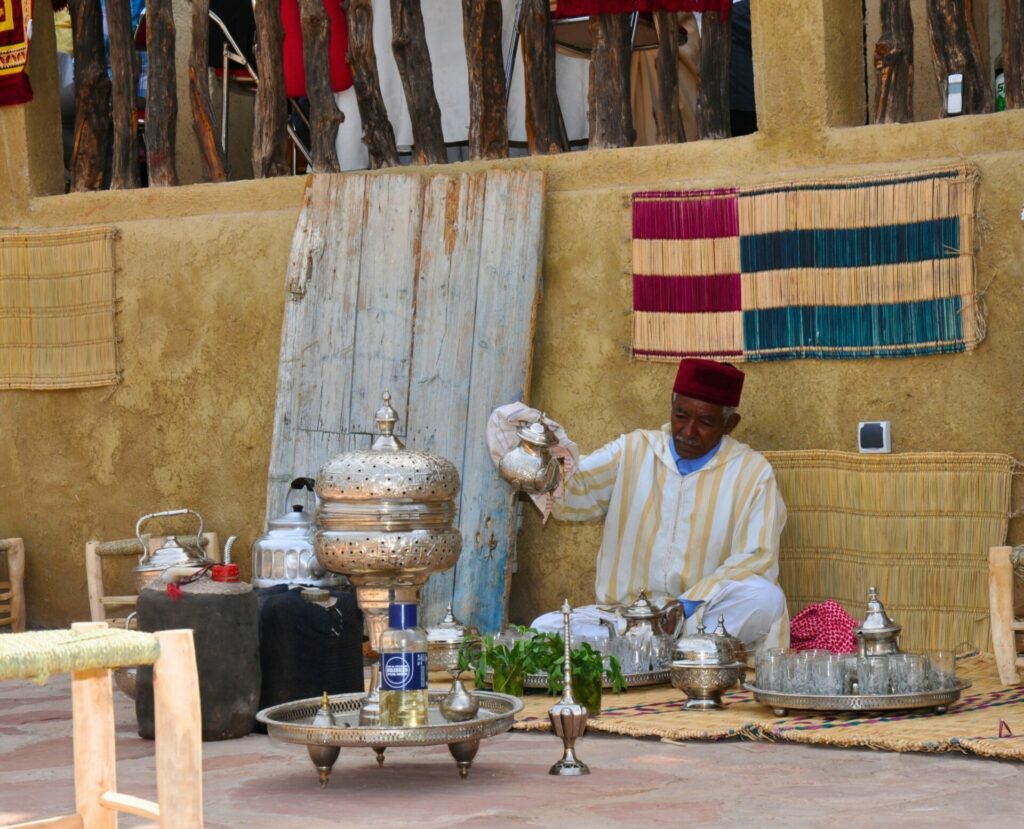
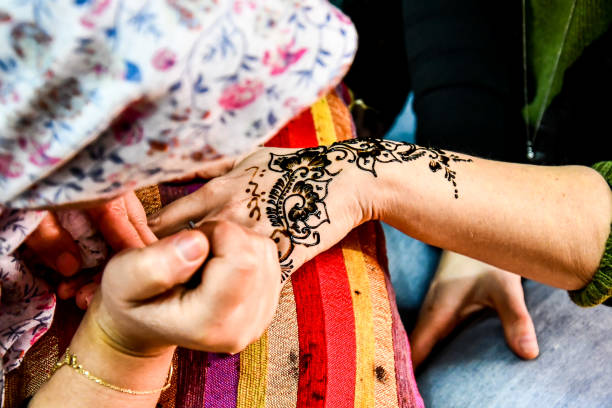
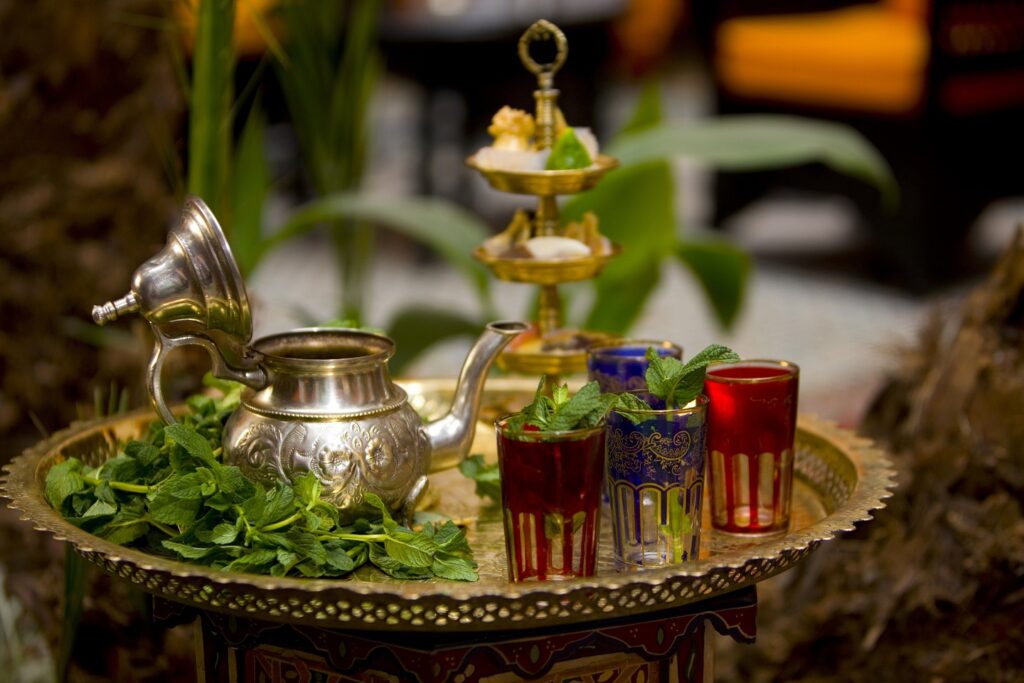
Culturally, it carries even deeper meaning. In Morocco, olive oil symbolizes hospitality, wellness, and prosperity. Many families use it in traditional remedies and beauty treatments, appreciating its nourishing effects both inside and out.
There are no results matching your search