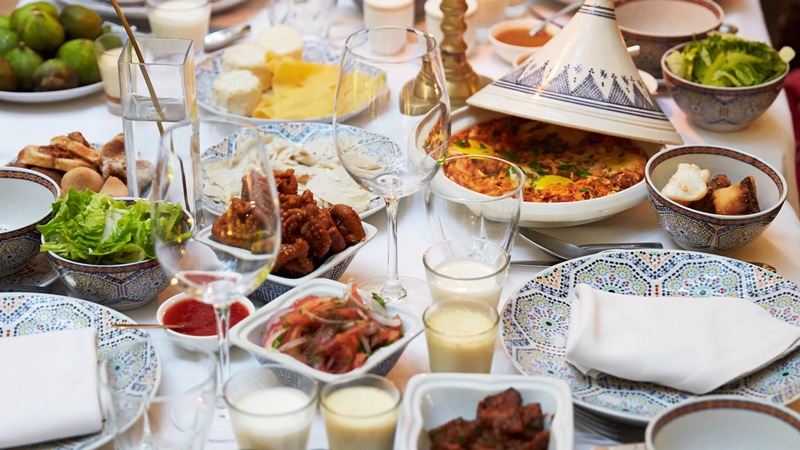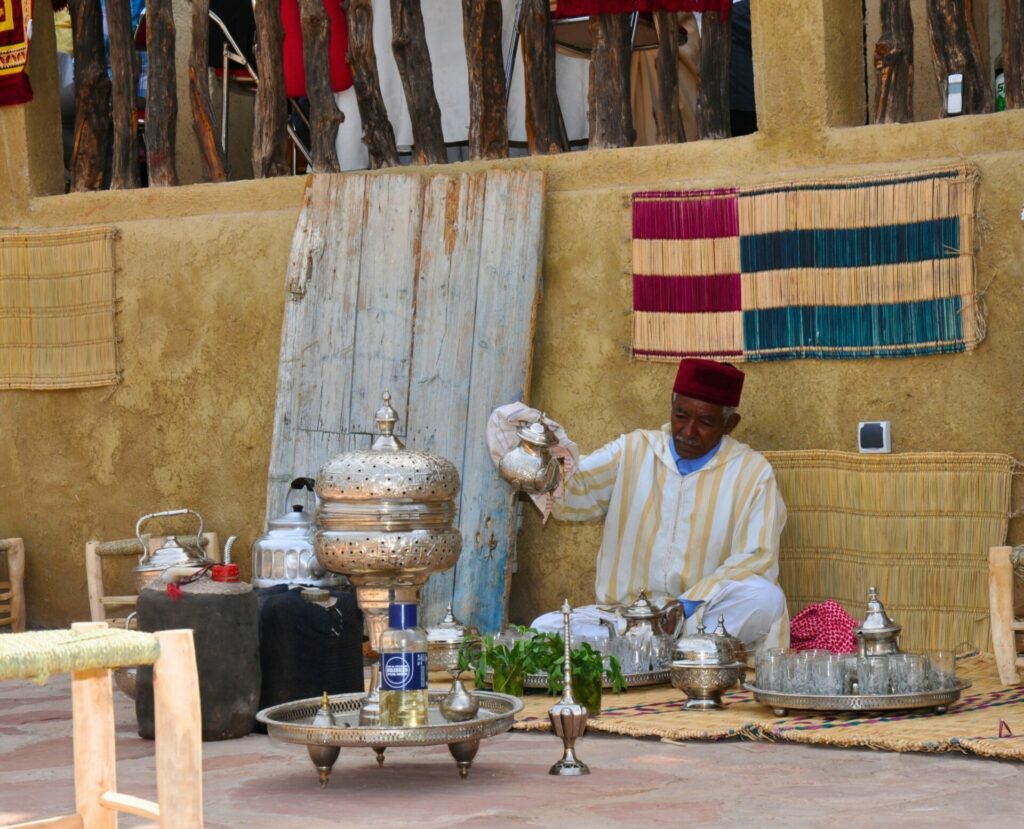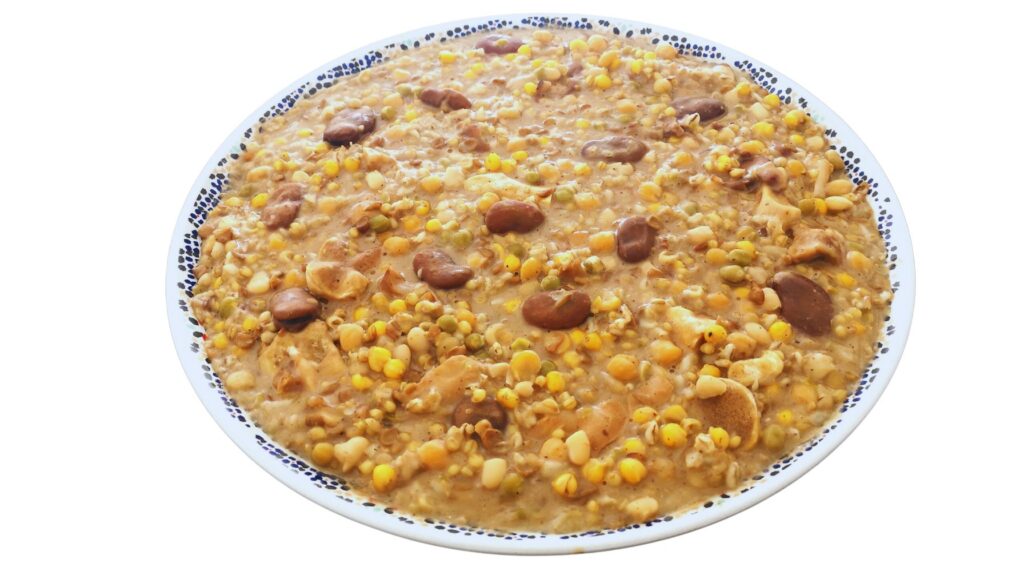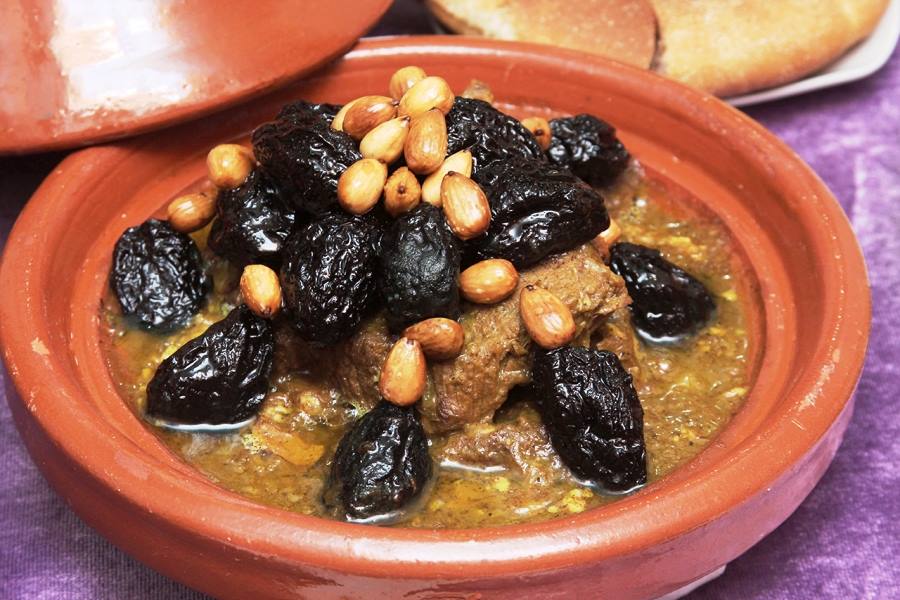
The Moroccan gastronomy of Souss-Massa stands out as one of the finest in Morocco. Known for its rich and generous flavors, the region’s culinary tradition is deeply intertwined with its cultural heritage. Locals take great pride in their cooking, seeing it as an integral part of their history. Passed down through generations, these recipes embody the essence of Souss-Massa. Dishes are often slow-cooked over gentle flames, enhancing their natural succulence. For anyone in search of an unforgettable gastronomic journey, Souss-Massa is an essential destination.
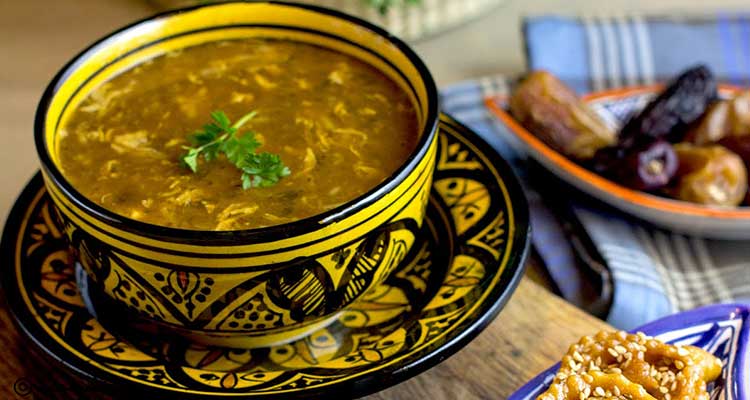
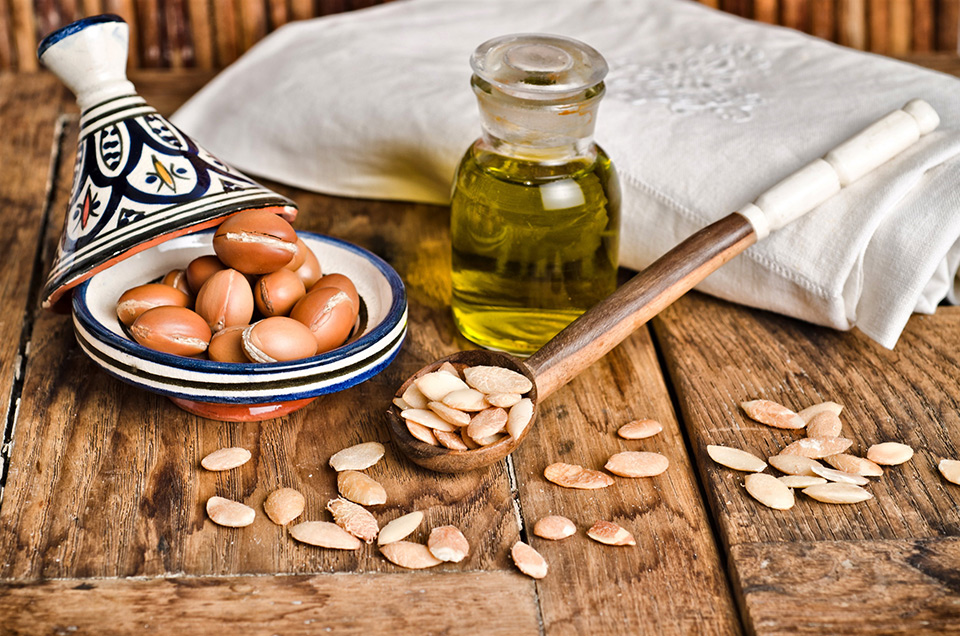
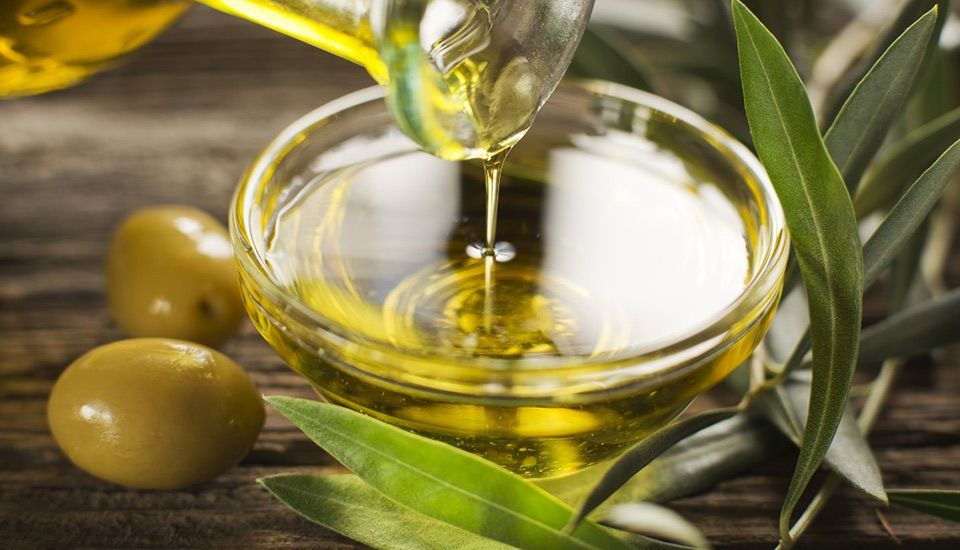
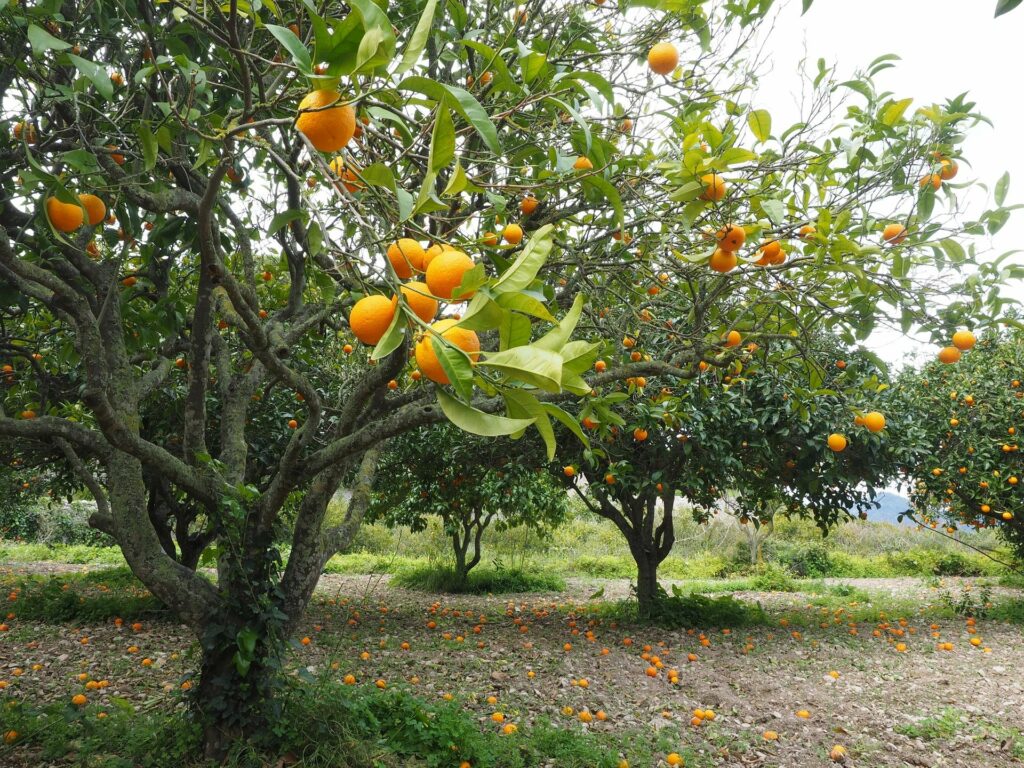
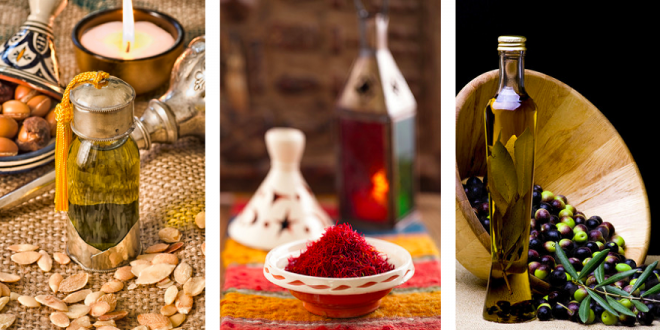
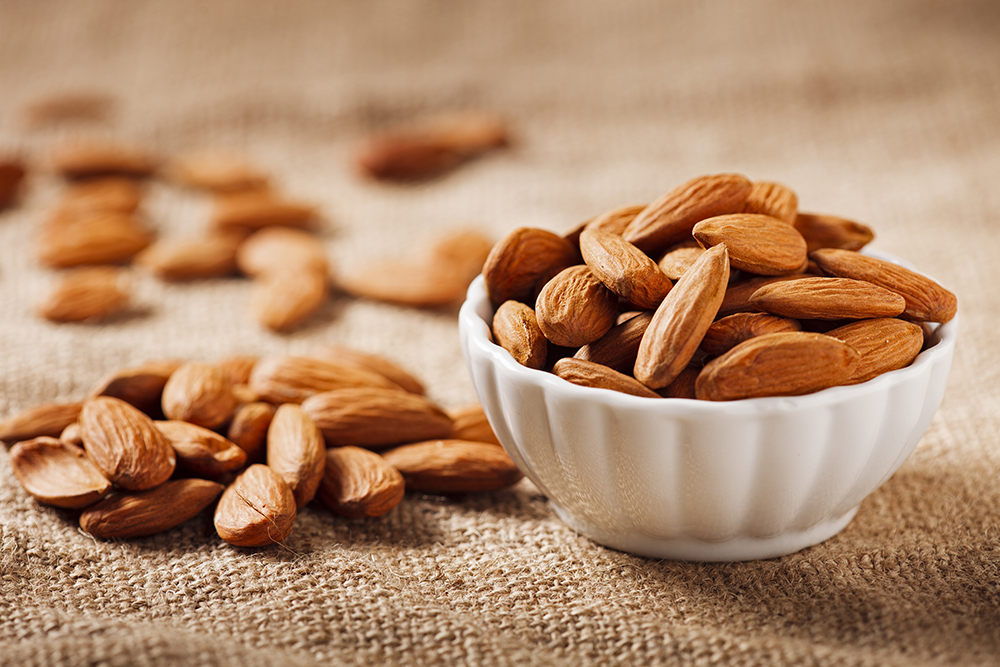
Souss-Massa cuisine strikes a perfect balance of flavors, made with fresh, locally sourced ingredients. The region’s fertile land provides an abundance of vegetables, fruits, grains, and legumes. Olive oil, produced locally, adds richness to each dish, while spices such as saffron, cumin, and coriander give the cuisine its distinctive warmth and complexity. These ingredients define the region’s unique flavors and contribute to its culinary reputation.
Seafood, abundant in the area due to its proximity to the Atlantic coast, also plays a vital role in Souss-Massa’s gastronomy. Fresh fish and shellfish are frequently featured in dishes, often seasoned with aromatic herbs and spices that elevate their natural flavors.
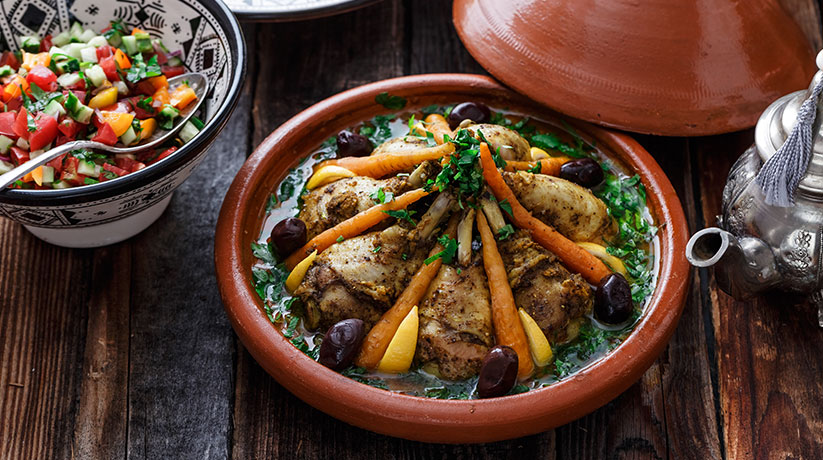
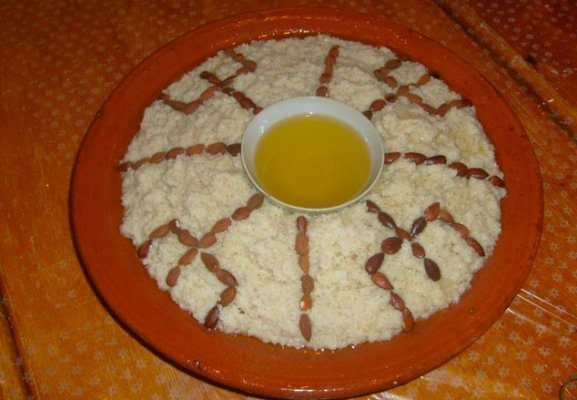
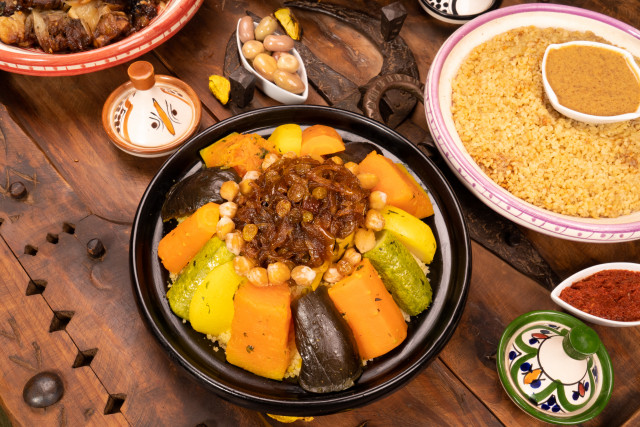
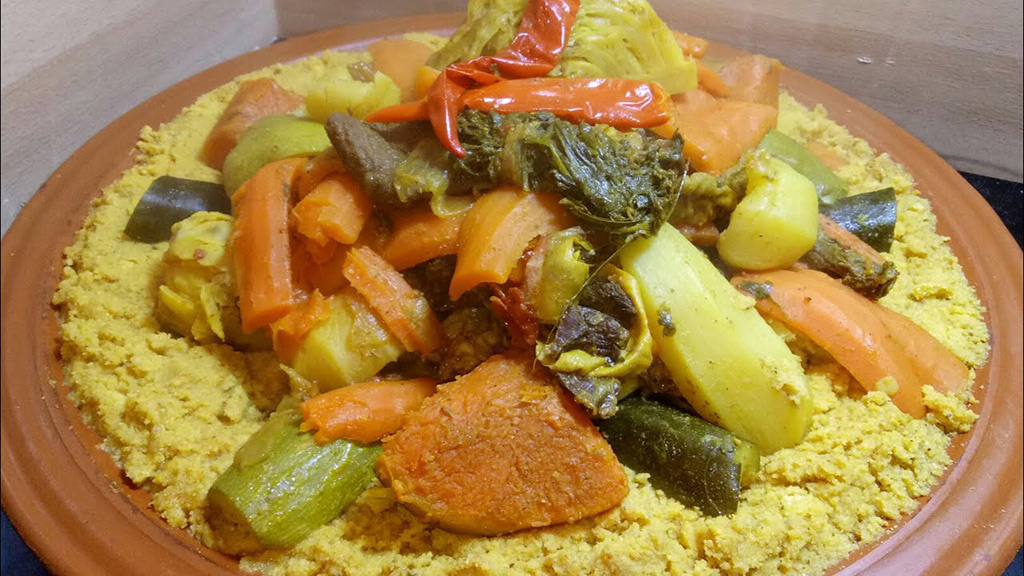
The cooking methods in Souss-Massa are just as unique as its flavors. Many dishes are slow-cooked in clay pots, allowing the ingredients to meld together and develop rich, deep flavors. This slow-cooking technique is a hallmark of Moroccan cuisine, ensuring the food remains tender and full of flavor. Signature dishes, such as lamb and chicken tagines, are often served with couscous. Steamed to perfection, couscous forms the base of many meals, frequently paired with vegetables, meat, or legumes, resulting in a satisfying and nutritious dish.
The Rural Tourism Development Network highlights Souss-Massa’s culinary traditions through the “Menu Good for the Climate” initiative. This program, in partnership with the GIZ Sustainable Tourism project and the HCEFLCD, promotes the use of seasonal, plant-based menus that minimize carbon impact. Originating at COP21 in Paris and expanding at the Climate Chance Summit in Agadir, the initiative encourages guests to enjoy dishes that are both sustainable and delicious. Chefs are trained to use eco-calculators to measure the carbon footprint of their recipes, ensuring their meals are environmentally conscious.
In addition, chefs focus on educating guests about ingredient selection and the importance of flavor balance. By emphasizing plant-based dishes, they aim to reduce the carbon footprint of each meal while staying true to traditional culinary practices. Choosing locally sourced ingredients not only supports sustainable farming but also guarantees fresher, more vibrant flavors. This commitment to sustainability elevates both the taste and environmental impact of every dish.
Beefsteak Tomato Carpaccio with Organic Salad and Orange Vinaigrette with Argan Oil: Domaine Villate Limoune
Chicken Tagine with Vegetables: Atlas Kasbah Ecolodge
Couscous and Chickpea Tabouleh: Hotel Riad Hida
Vegetarian Tajine: Auberge Zolado
There are no results matching your search