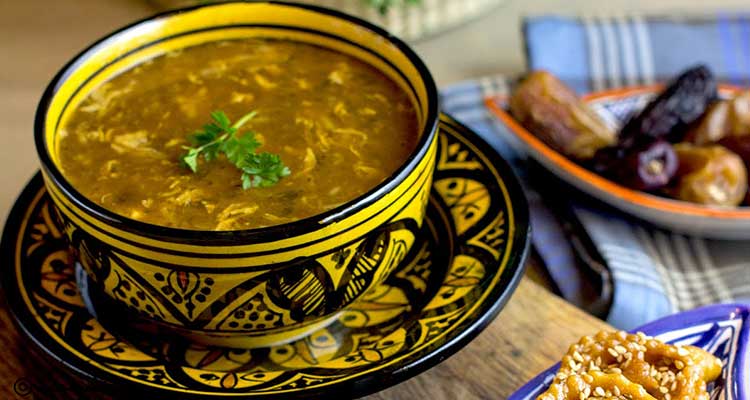
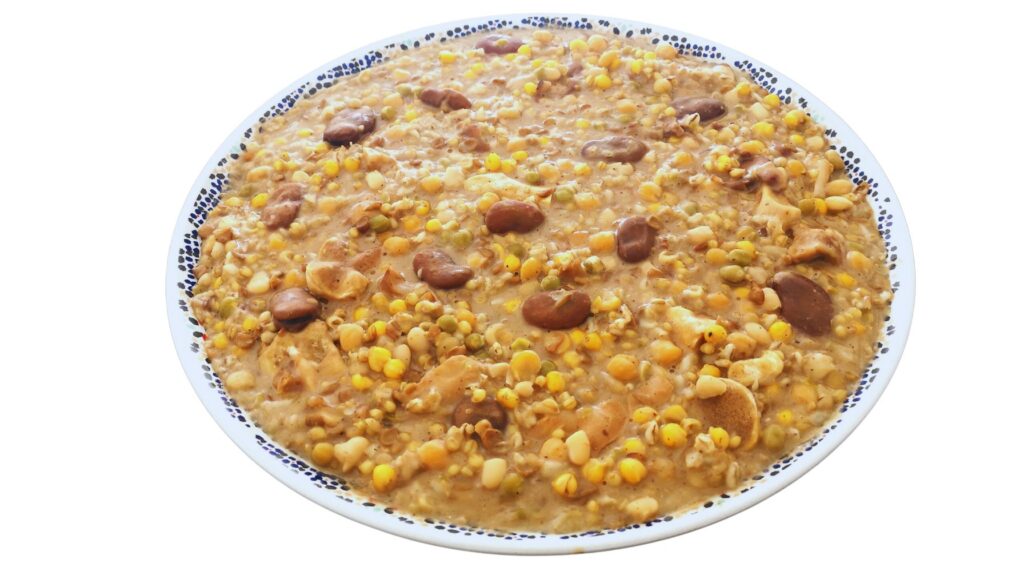
In the far south of Morocco, nestled in the rocky folds of the Anti-Atlas Mountains, lies a culinary treasure known as Ourkimen, a traditional Amazigh soup. This rich, comforting dish originates from Tafraout, a vibrant Amazigh community deeply rooted in North African heritage. Ourkimen is more than just a meal—it is a flavorful blend of tradition, spices, and cultural memory passed down through generations.
Ourkimen holds a special place in Amazigh culture, especially during the Amazigh New Year. Families prepare this dish to mark new beginnings and celebrate their ancestral roots. In Tafraout, this tradition has lasted for centuries, bringing people together around the table during festive times.
More than just a seasonal dish, Ourkimen symbolizes the resilience of Amazigh communities. It reflects a connection to land, family, and the rhythms of agricultural life. Through this meal, families pass on their values and culinary heritage to younger generations.
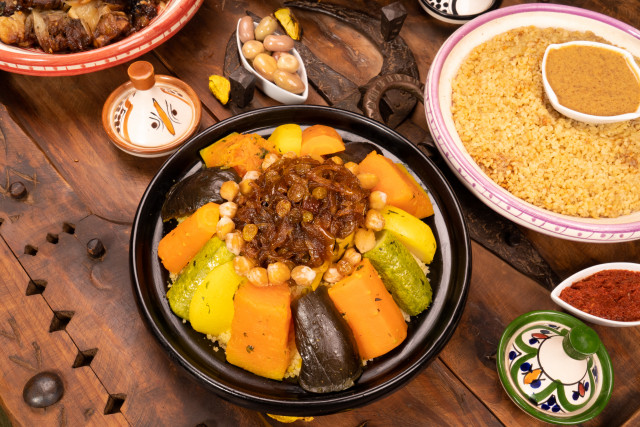
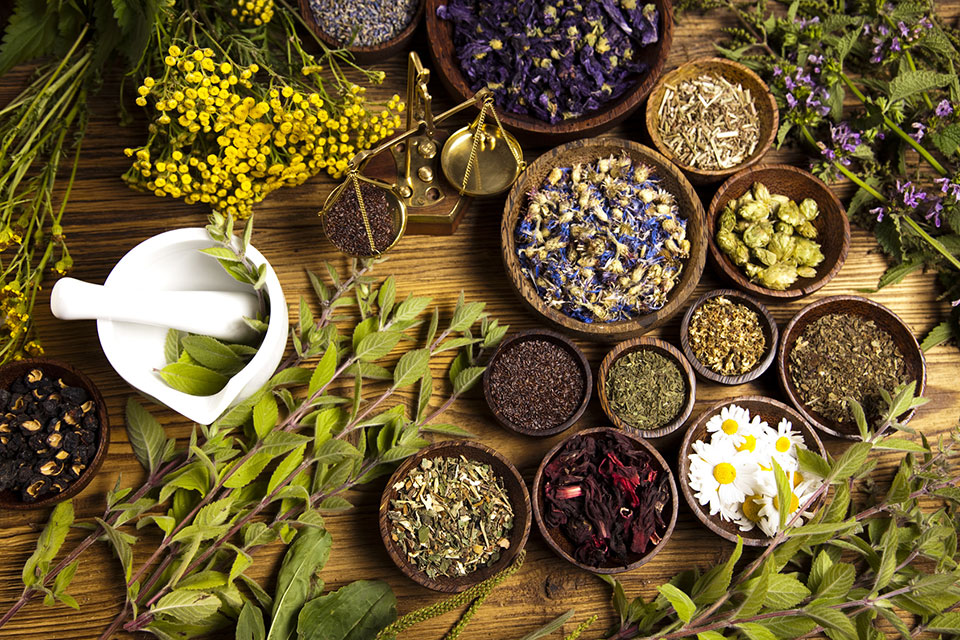
Ourkimen begins with a base of tomatoes, lentils, chickpeas, and onions, forming a hearty, nourishing soup. To this, cooks add a rich blend of spices such as cumin, ginger, turmeric, and cinnamon. These flavors combine to create a warm, aromatic dish that’s both satisfying and full of depth.
Traditionally, the soup is slow-cooked to allow the ingredients to fully blend. Some families add vermicelli noodles or rice for texture. Others include lamb or chicken, making the dish even more robust and flavorful. While each version differs slightly, the spirit of the dish remains the same—rich, soulful, and nourishing.
Sharing Ourkimen is a communal experience. Whether during New Year celebrations or casual gatherings, it brings people together. Around the table, families laugh, share stories, and enjoy the comfort of food made with care.
In Amazigh culture, food reflects more than sustenance. It shows love, connection, and hospitality. By sharing a bowl of Ourkimen, locals welcome others into their homes and traditions. It’s a simple dish with deep cultural meaning.
To taste authentic Ourkimen, visit Tafraout during cultural festivals or the Amazigh New Year. Local restaurants and family-run eateries offer fresh, traditional versions of the dish. These small venues provide more than just food—they offer an opportunity to connect with the region’s identity.
In towns across the Souss-Massa region, Ourkimen is not only a meal but also a reflection of Amazigh hospitality. Travelers who take the time to explore these communities will leave with a deeper appreciation for Morocco’s diverse food culture.
You don’t need to be in Morocco to enjoy this dish. Many recipes online guide you through making Ourkimen step by step. Whether you’re using a slow cooker or a traditional pot, the key lies in slow simmering and patience.
Feel free to adjust the ingredients to suit your taste while respecting its traditional essence. Playing with spice levels or adding protein makes the recipe your own. As the spices fill your kitchen with fragrant warmth, you’ll be transported to the heart of Tafraout, one spoonful at a time.
There are no results matching your search