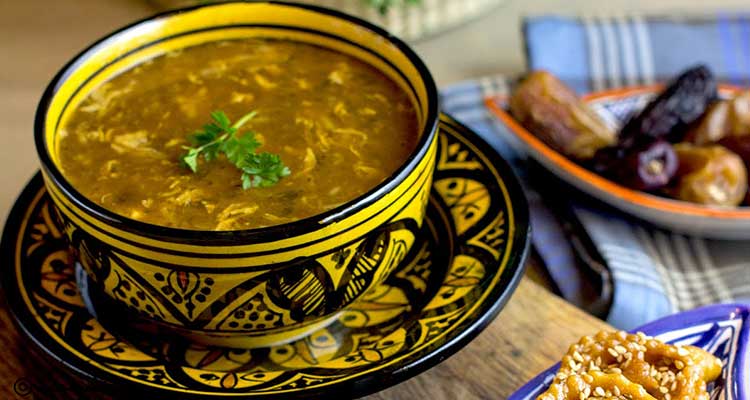
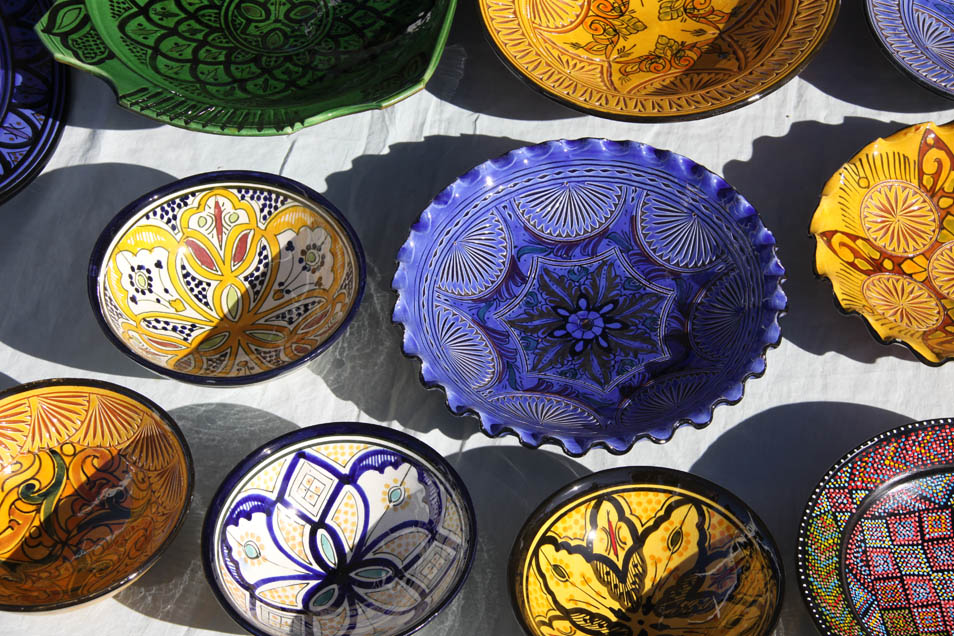
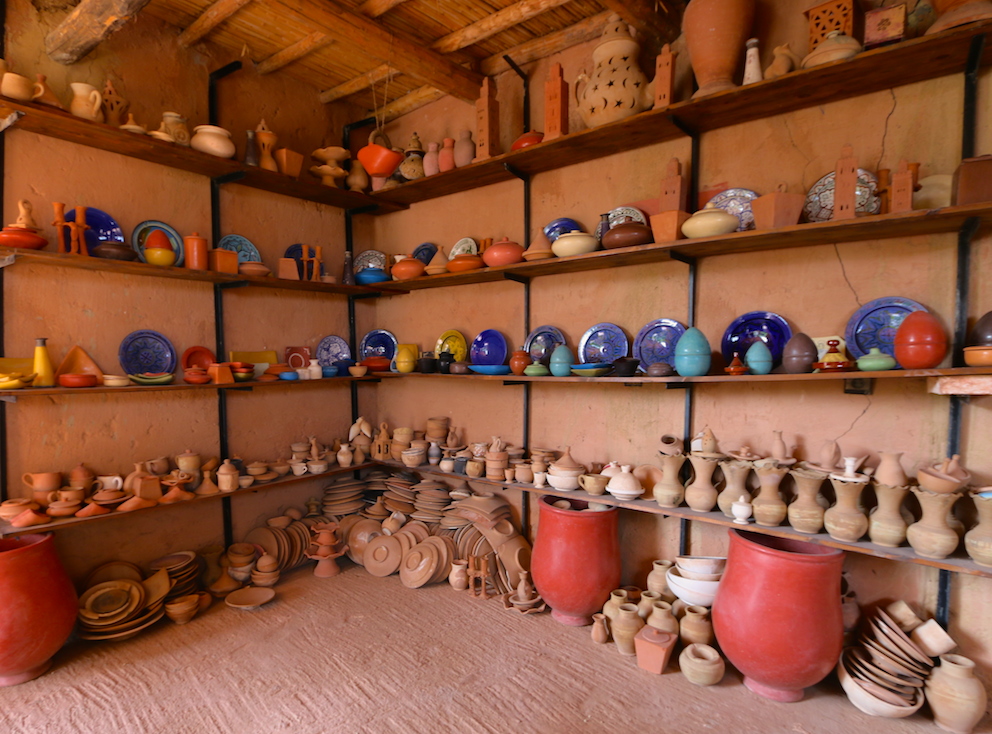
Moroccan pottery is a captivating blend of tradition and artistry, showcasing the country’s rich cultural heritage through intricate designs and vibrant colors. These pieces reflect centuries of skilled craftsmanship, each telling a story influenced by Berber, Arab, and Andalusian cultures. The geometric patterns, bold hues, and symbolic motifs mirror Morocco’s diverse history and artistic sensibilities. This ancient craft continues to evolve as modern artisans incorporate contemporary elements while preserving traditional techniques. Not only does Moroccan pottery adorn homes, but it also preserves a legacy of artistic excellence and cultural identity.
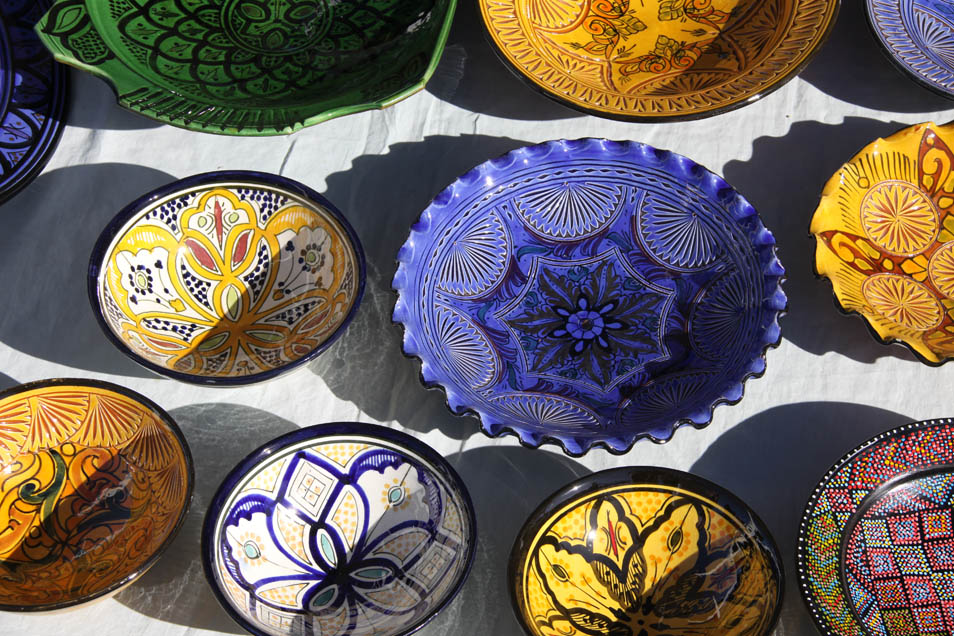
Morocco’s pottery tradition is ancient, influenced by cultures like the Phoenicians, Romans, and Berbers. Over generations, skilled artisans have perfected this craft. As time passed, distinct pottery styles developed in various Moroccan cities. For instance, Fez is known for its stunning blue and white ceramics, decorated with beautiful geometric patterns and Islamic calligraphy. Other cities, such as Safi, Marrakech, and Tetouan, have their own unique pottery traditions, reflecting local tastes and historical influences. Safi pottery dazzles with vivid hues, while Marrakech ceramics feature striking patterns and earthy tones. Tetouan’s pottery is a fusion of Spanish and Moroccan styles. Together, these varied practices showcase Morocco’s artistic legacy and skilled craftsmanship, blending beautifully into one cohesive cultural tapestry.
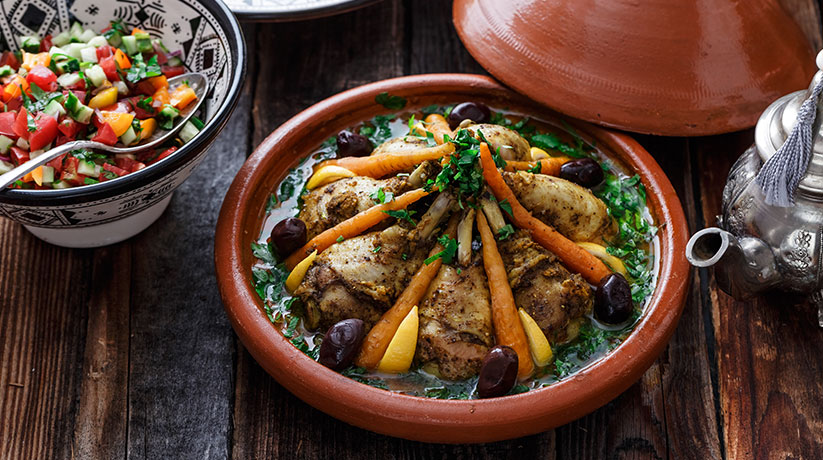
The art of pottery-making in Morocco is deeply rooted in age-old traditions that have remained largely unchanged over countless generations. Artisans source clay from local deposits, carefully refining and preparing it until it reaches a smooth, malleable consistency. The shaping process is a true display of skill, with artisans employing two primary techniques: the traditional potter’s wheel, shaped with deft hands, or the ancient hand-building method, where each piece is meticulously crafted by hand. Through these techniques, artisans create a wide array of functional and decorative items, including tagines (clay cooking vessels), bowls, plates, and intricate tiles that adorn Moroccan homes and buildings.
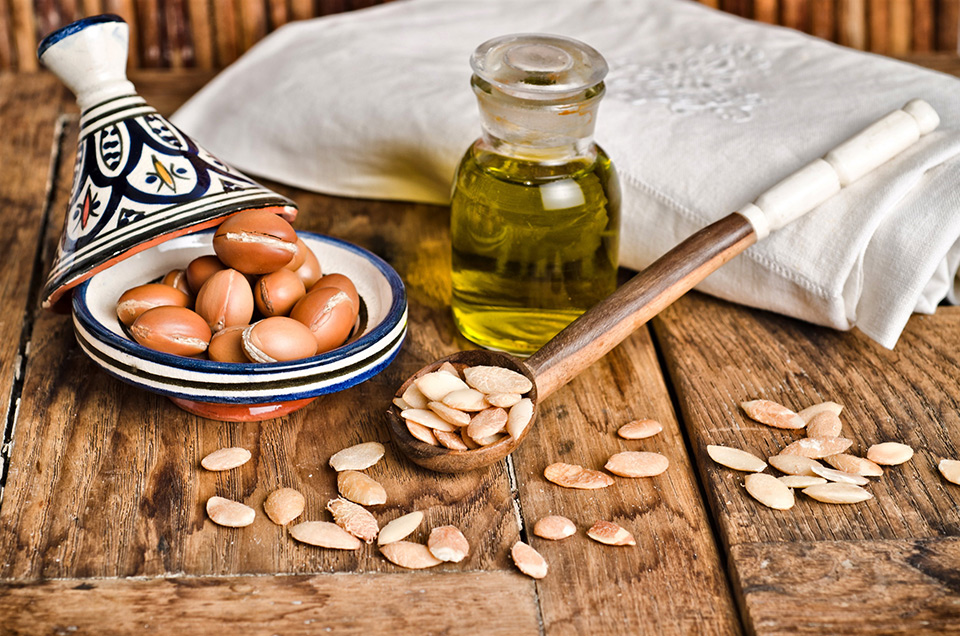
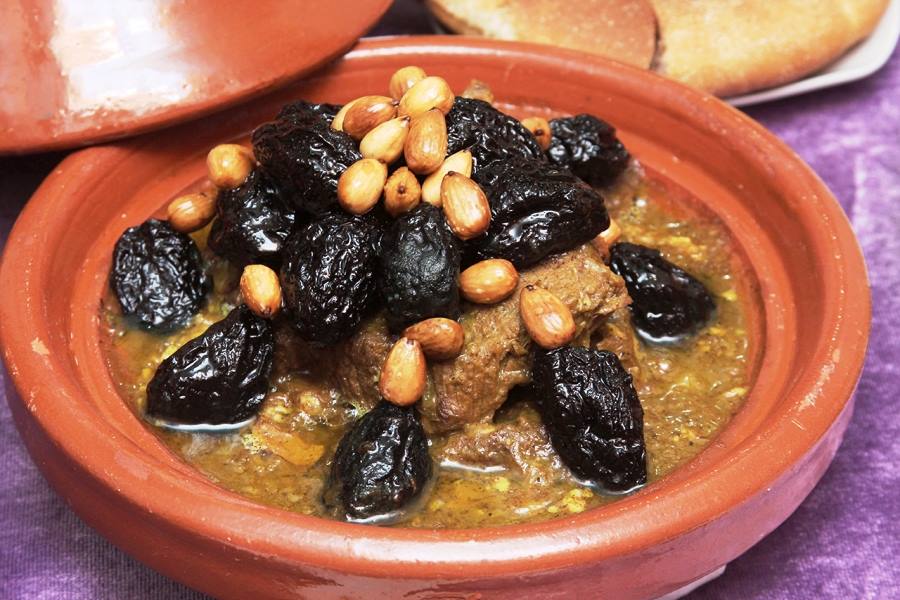
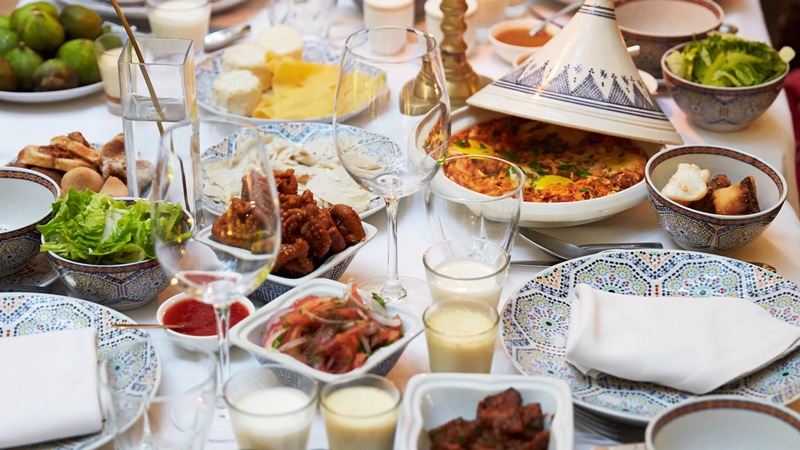
Moroccan pottery carries meaning beyond decoration. The designs feature traditional symbols like Berber patterns, Islamic motifs, and natural elements such as stars, flowers, and animals. These symbols represent spirituality, protection, and prosperity, reflecting Morocco’s rich heritage. The iconic tagine, a cone-shaped cooking pot, exemplifies how Moroccan pottery combines form and function. It represents hospitality and community gatherings, while its patterns aid condensation circulation, essential for slow cooking. Thus, each piece of Moroccan pottery is more than just art; it’s a story connecting people to Morocco’s diverse traditions and values.
Moroccan pottery has been cherished for centuries, with artisans pouring their creativity into each handmade piece. In today’s fast-paced world, where mass-produced goods dominate, these intricate works of art stand as a testament to handcrafted excellence. Despite modernization, Moroccan pottery has not only survived but thrived, thanks to artisans who blend ancient techniques with contemporary design sensibilities.
In recent years, interest in handmade crafts has surged globally. This renewed appreciation for authentic, unique items has brought Moroccan pottery into the international spotlight. Artisans, recognizing the growing demand, have embraced online platforms, showcasing their work to a global audience. These digital avenues have opened new opportunities for artisans, allowing them to connect with enthusiasts worldwide who share a deep respect for the art form.
Simultaneously, efforts are underway to safeguard Morocco’s pottery heritage. Initiatives by organizations and individuals aim to support local artisans, promote sustainable practices, and protect the traditional know-how passed down through generations. By providing artisans with resources, training, and support, these initiatives ensure that Morocco’s pottery traditions remain vibrant and relevant in the modern era.
There are no results matching your search