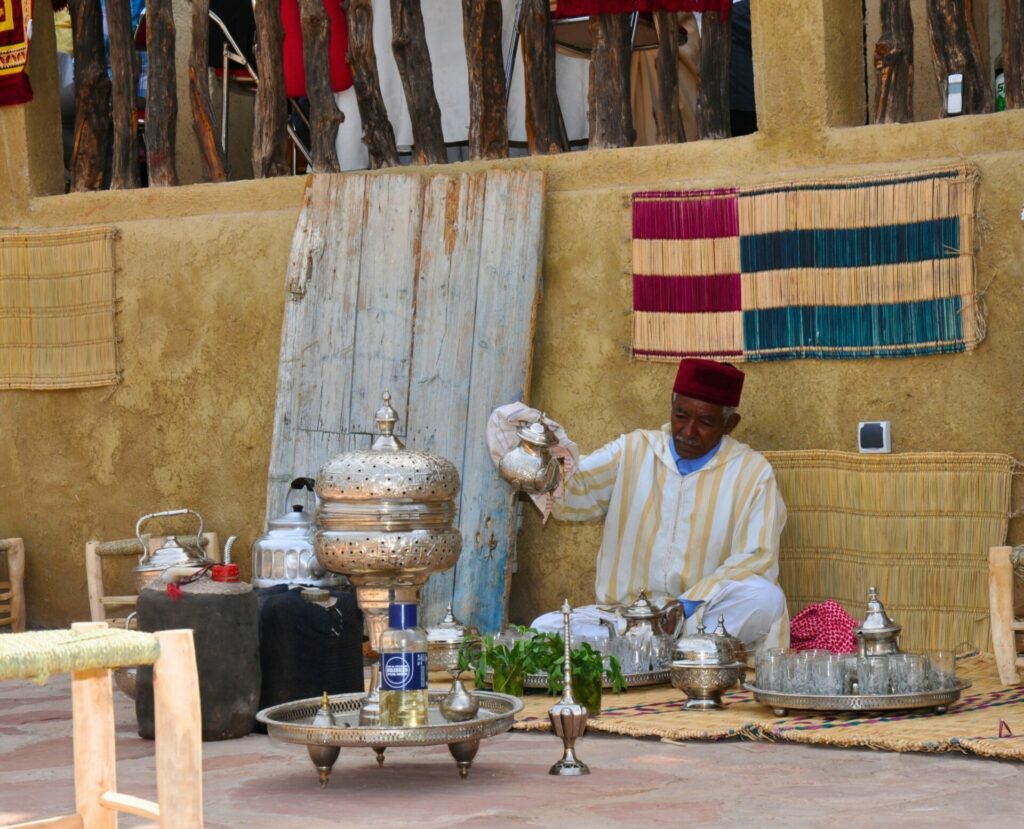

In Morocco, cooperatives are far more than small-scale enterprises — they are vital pillars of cultural preservation, community empowerment, and sustainable development. From the bustling souks of Marrakech to the rural villages of the Atlas Mountains, thousands of Moroccan cooperatives are safeguarding centuries-old traditions while creating ethical and traceable products for modern markets.
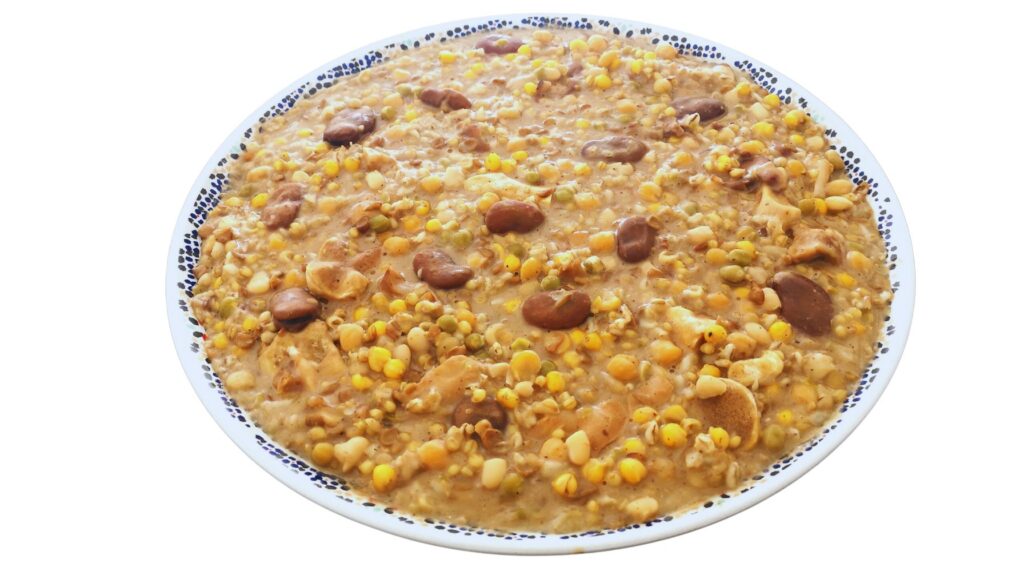
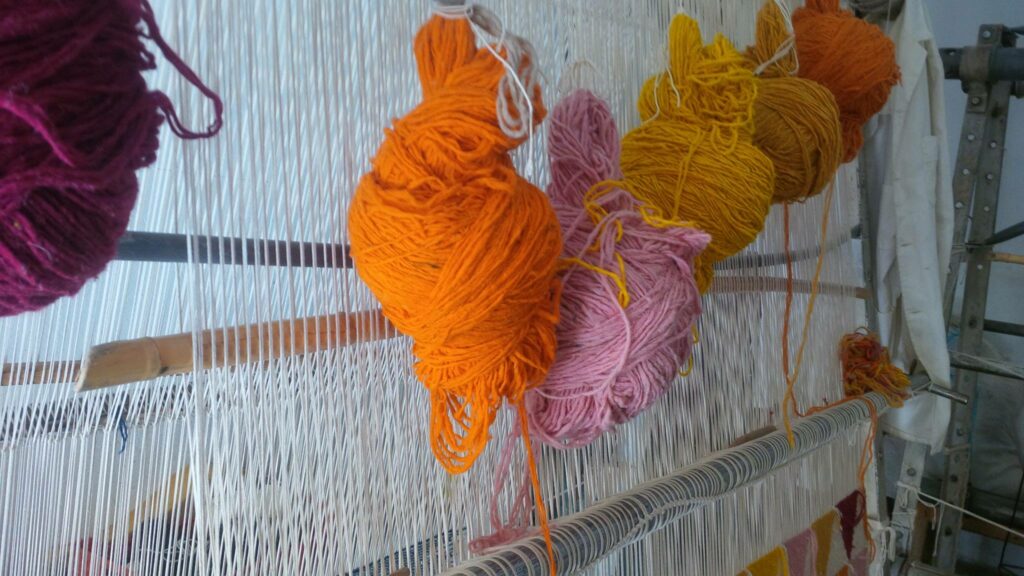
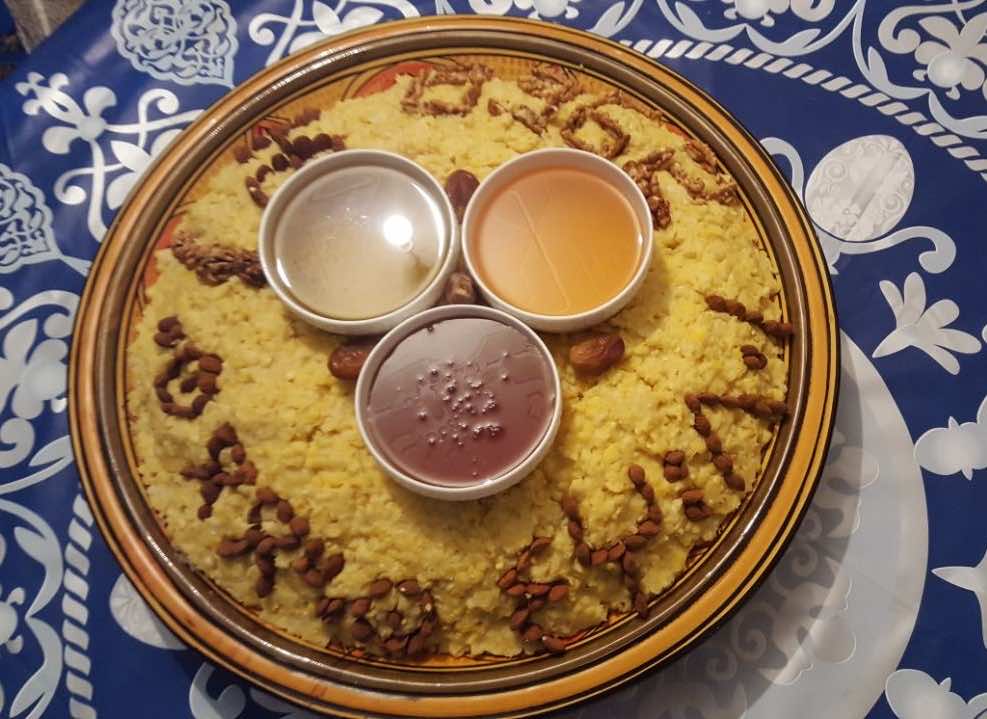
Whether producing argan oil in the Souss-Massa region, hand-weaving Berber carpets, or baking traditional Amazigh breads like Tafarnout, cooperatives play a key role in keeping Morocco’s intangible heritage alive.
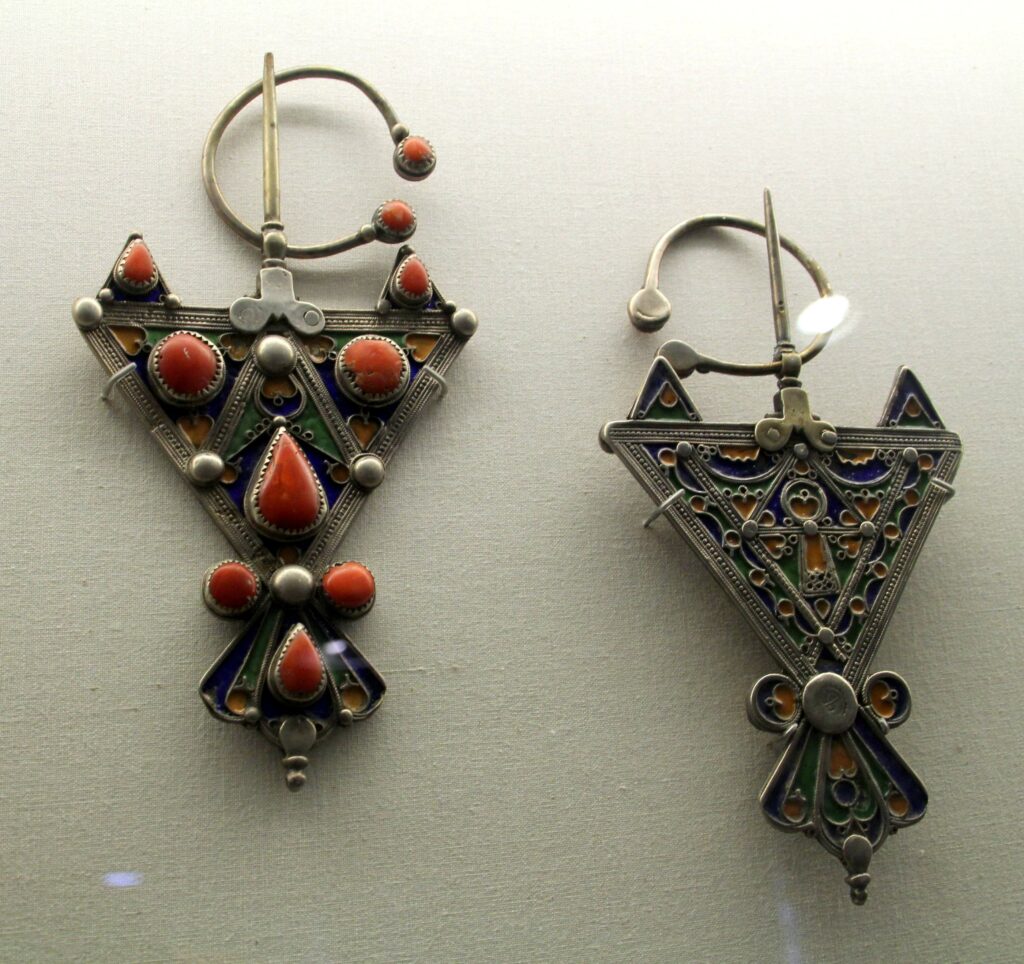
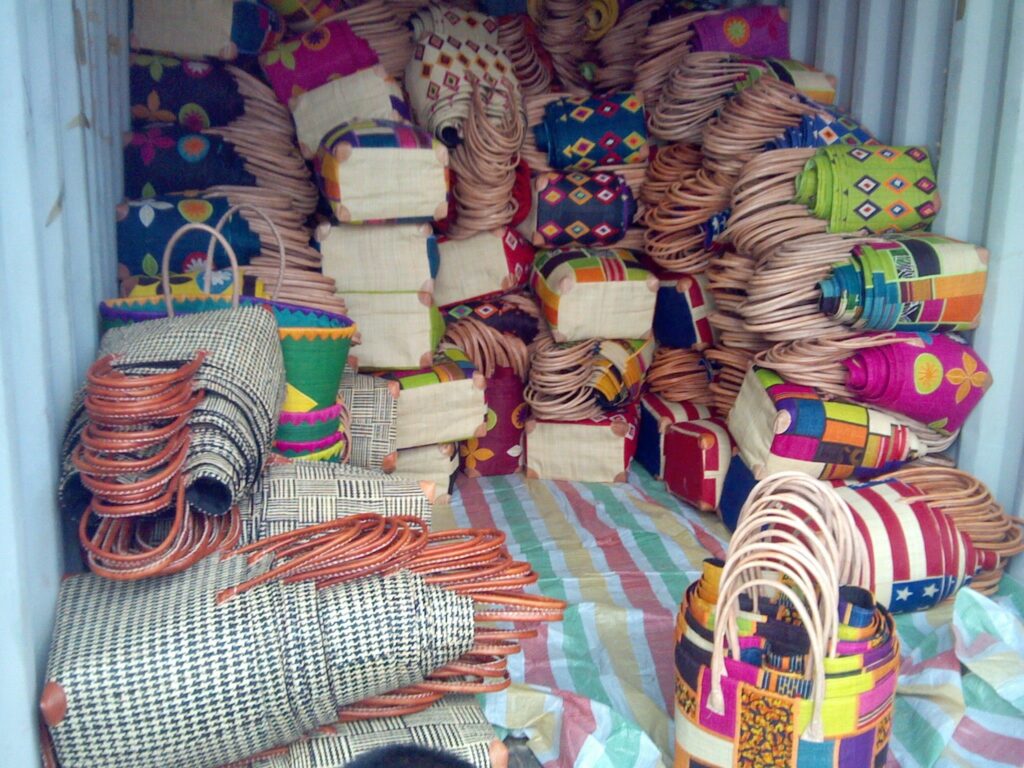
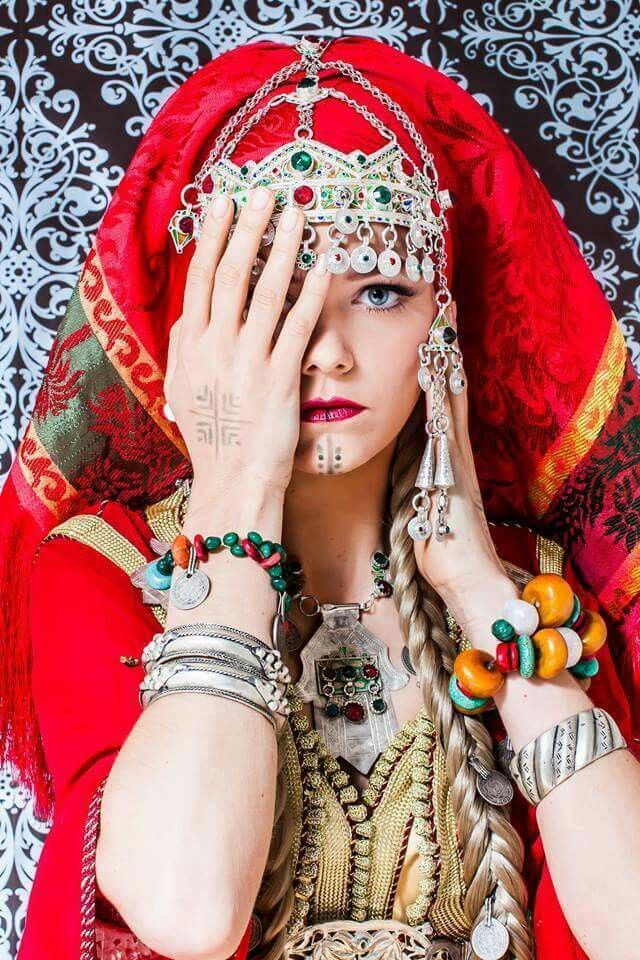
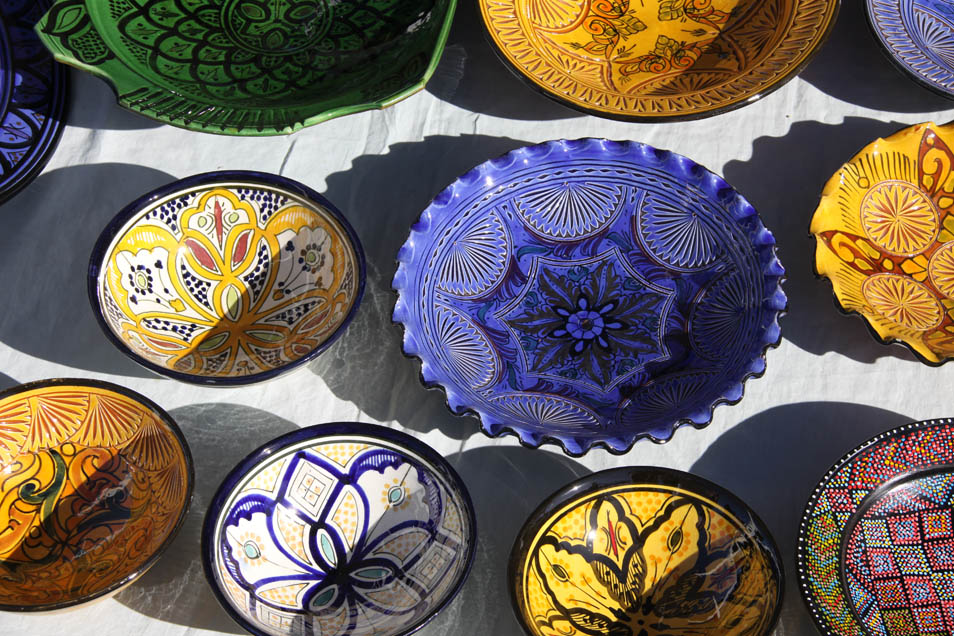
Many artisans continue to pass down knowledge orally or through apprenticeship, ensuring that the skills involved in jewelry making, pottery, basketry, and natural textile dyeing are preserved for future generations.
One of the most powerful aspects of Moroccan cooperatives is their ability to empower women and rural youth. These cooperatives offer meaningful income, autonomy, and community leadership roles — especially in regions where economic opportunities are limited.
By joining or forming cooperatives, women gain access to:
Training and business support
Fair wages and financial independence
Leadership roles within their communities
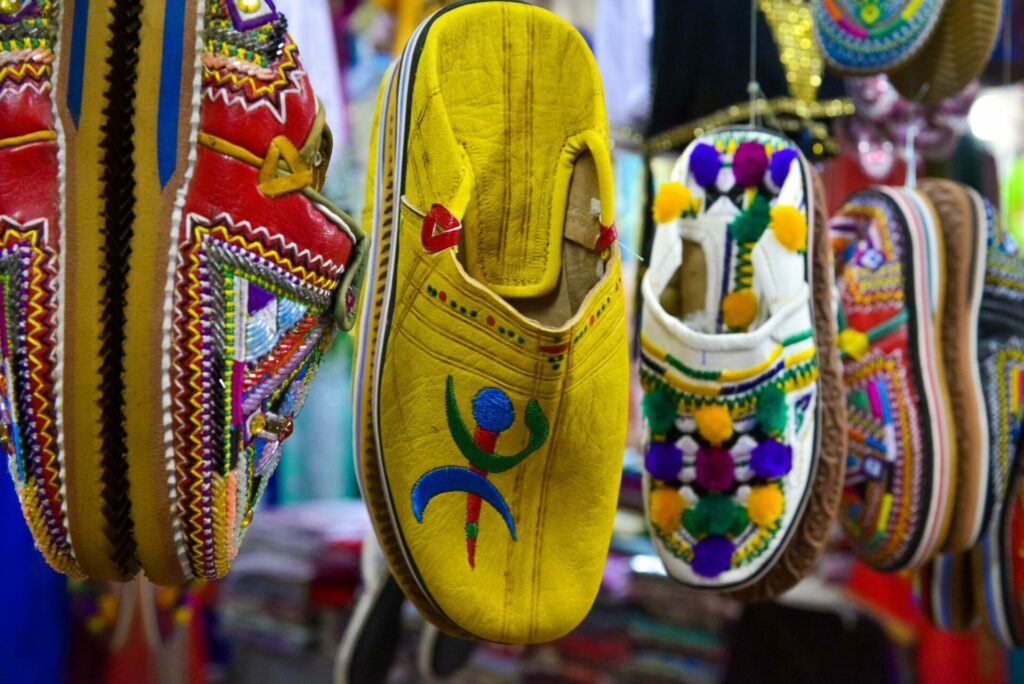
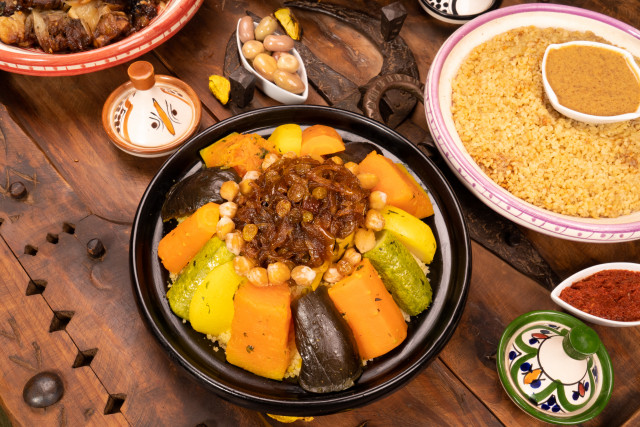
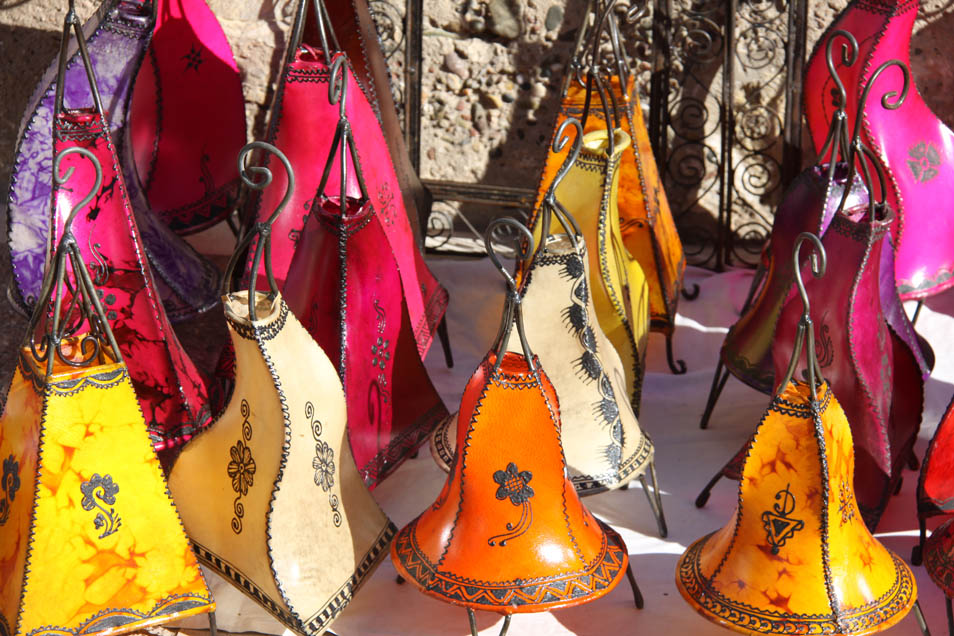
Moroccan cooperatives produce a diverse range of products that reflect the country’s cultural and ecological richness:
These goods are not only handcrafted and sustainable — they’re also deeply connected to ancestral knowledge and local ecosystems.
With support from national development programs and increasing international demand for ethical products, cooperatives now contribute to:
Tourists and locals alike are drawn to these authentic experiences, helping to revitalize interest in traditional customs while boosting the rural economy.
When you choose products from Moroccan cooperatives, you:
These choices make a tangible difference in the lives of artisans and producers across Morocco.
There are no results matching your search