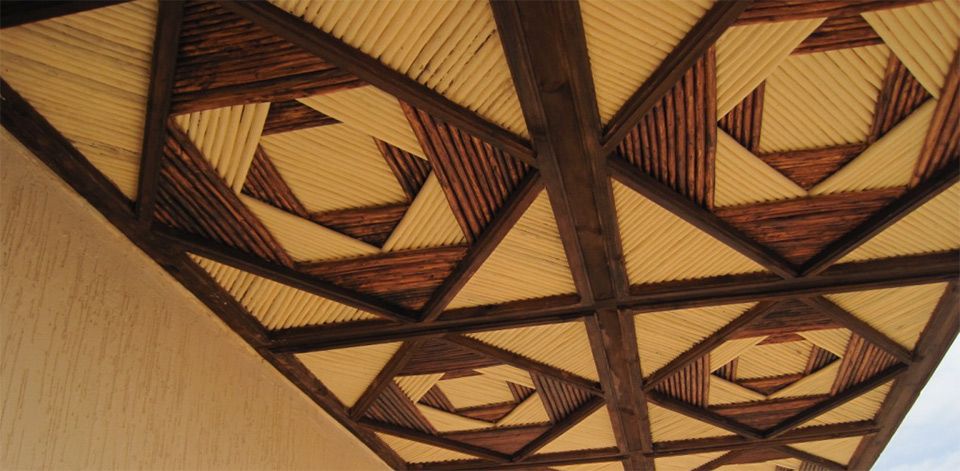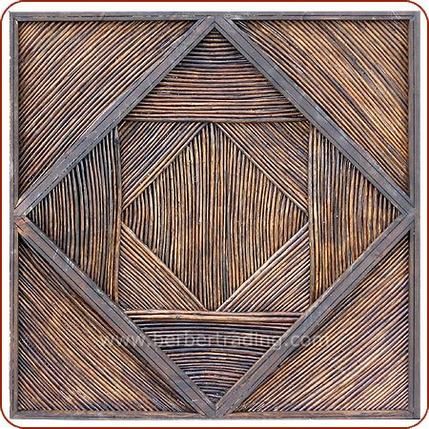
In the remote regions of Tata and Foum Zguid, nestled deep within Morocco’s arid landscapes, communities have preserved a remarkable and ancient roofing technique known as Tataoui roofs. Passed down through generations, this architectural tradition reflects not only expert craftsmanship but also a deep cultural connection to the land. Despite harsh desert conditions, these beautifully constructed roofs stand strong—testaments to the skill, creativity, and resilience of the local artisans.
The Tataoui roof has roots that stretch back centuries. It emerged from a unique fusion of indigenous Amazigh building techniques and Islamic architectural traditions introduced by Arab and Andalusian settlers. Over time, this cross-cultural exchange gave rise to a distinctive roof style defined by geometric patterns, detailed carvings, and ornamental designs. As a result, the Tataoui roof embodies a long history of artistic evolution, where aesthetics and functionality go hand in hand.
Creating a Tataoui roof requires both expertise and patience. Skilled craftsmen, known as maâllems, lead the process using natural, locally sourced materials such as wood, reeds, and clay. First, they construct a strong wooden frame. Then, they carefully weave layers of reeds or bamboo into intricate patterns across the frame. Finally, they apply a hand-mixed clay coating, molding it into decorative forms that both strengthen and beautify the roof. These techniques, preserved over time, continue to showcase the artisans’ exceptional talent.
More than just a structural element, the Tataoui roof carries deep cultural and symbolic meaning. Every design etched into the clay speaks to Morocco’s spiritual, natural, and mathematical heritage. Floral motifs may reflect the region’s connection to nature, while celestial symbols honor spiritual beliefs. Additionally, the use of precise geometric shapes symbolizes harmony, balance, and order—core principles in both Islamic and Amazigh art. These roofs don’t merely cover homes; they tell stories, uphold traditions, and celebrate identity.
However, modern challenges threaten this ancient craft. As urban expansion accelerates and newer, more industrial construction methods dominate, fewer homes feature traditional Tataoui roofs. Yet, all is not lost. Heritage organizations, conservationists, and local communities have launched initiatives to protect and revive the practice. They document traditional methods, promote awareness through cultural programs, and host workshops to train new generations of artisans. Thanks to these efforts, the legacy of Tataoui roofing continues to live on.
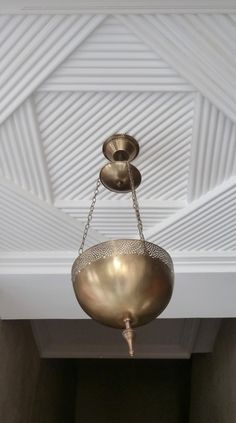
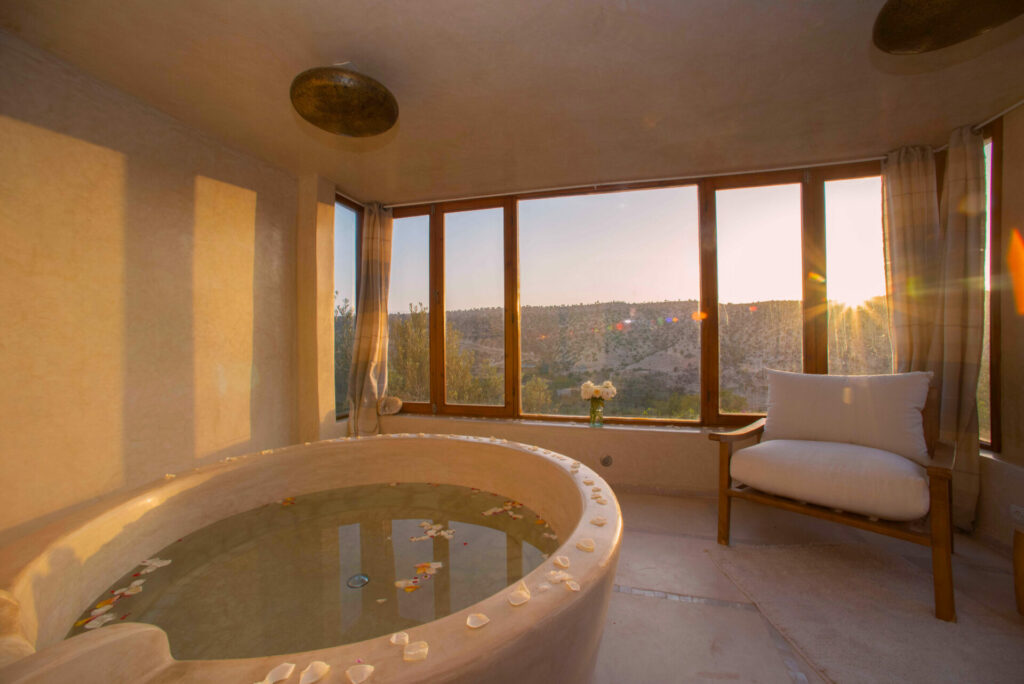
Recently, renewed appreciation for traditional Moroccan architecture has sparked a resurgence of interest in Tataoui roofs. Architects, designers, and homeowners are now blending this time-honored craft with modern aesthetics. As a result, new buildings incorporate Tataoui elements to achieve a timeless and authentic look. This revival not only honors Morocco’s past but also creates beautiful, lasting spaces that merge history with innovation. The intricate artistry of Tataoui roofs once again shines—this time, across both traditional homes and contemporary spaces.
There are no results matching your search