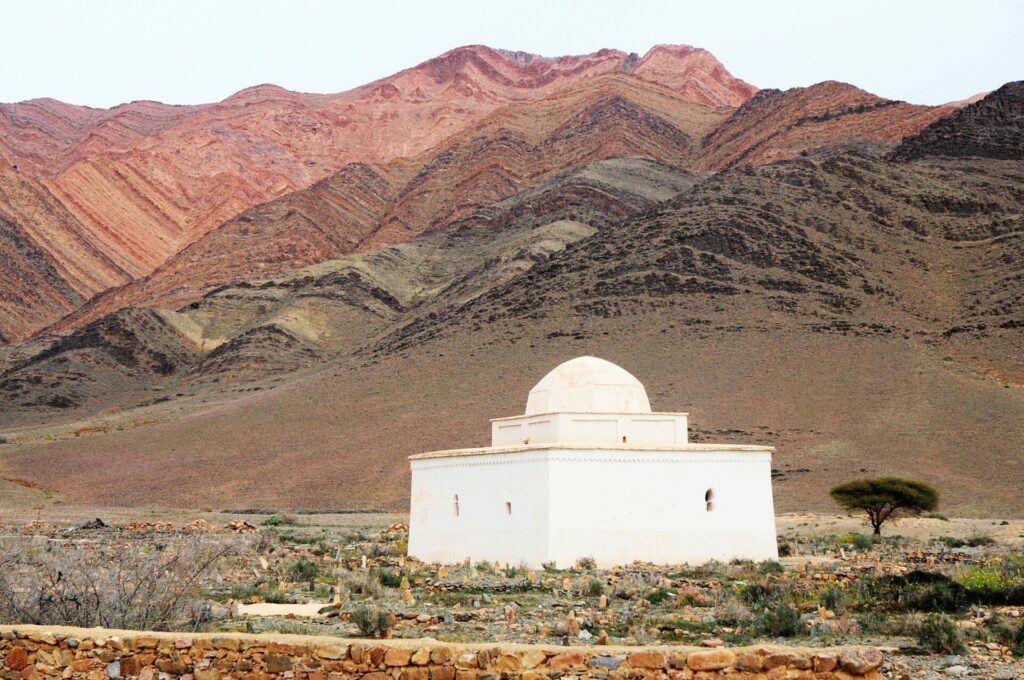
Amid Morocco’s stunning landscapes, between the towering Atlas Mountains and the sweeping sands of the Sahara, lies a treasured culinary gem – Tafarnout bread. More than just a daily staple, this rustic loaf holds deep meaning for the Berber people. It reflects their rich cultural identity and traditional way of life in Morocco’s rural villages.
Tafarnout connects generations through a cherished ritual of baking. Passed down over centuries, the process celebrates nature’s bounty and the art of simple, flavorful cooking.
Also known as Tabornoucht, Tafarnout has ancient roots in North Africa’s Amazigh communities. These indigenous people have long preserved their customs, including their distinct bread-making traditions. Relying on local ingredients and time-tested methods, they created Tafarnout as a nourishing and enduring food source. By combining available grains and seeds with skill and ingenuity, the Berbers crafted a bread that met their daily needs.
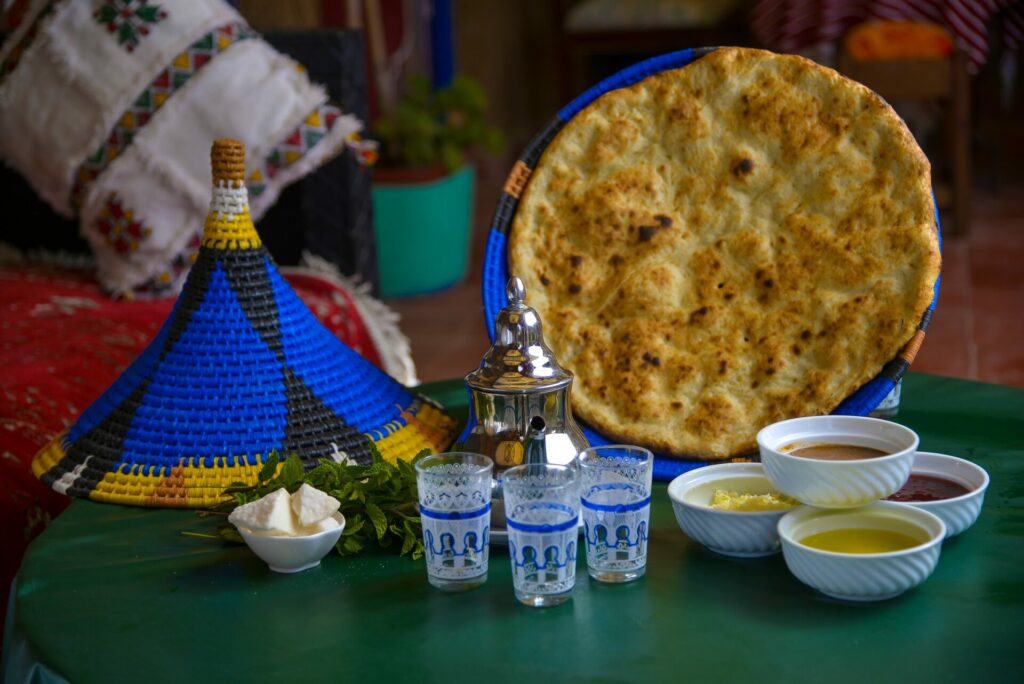
What sets Tafarnout apart is its simplicity. It typically uses just a few ingredients – semolina flour, water, salt, and sometimes a touch of yeast. But the true essence lies in the hands of those who knead it. Skilled bakers, often elders in the community, work the dough until it’s smooth and firm. This careful kneading, passed down through generations, ensures the perfect texture.
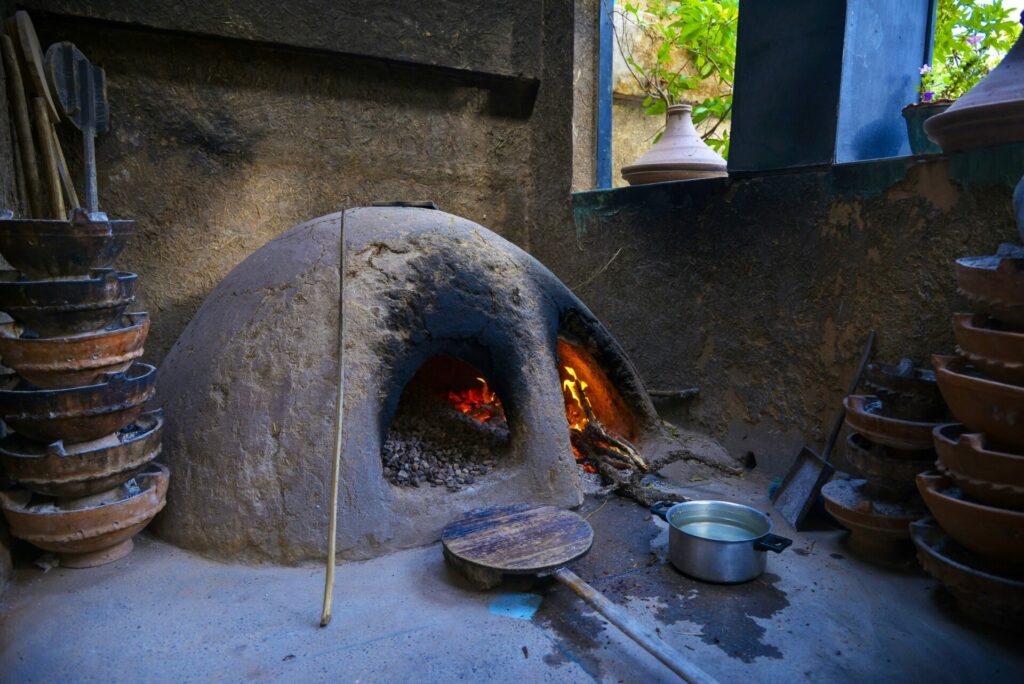
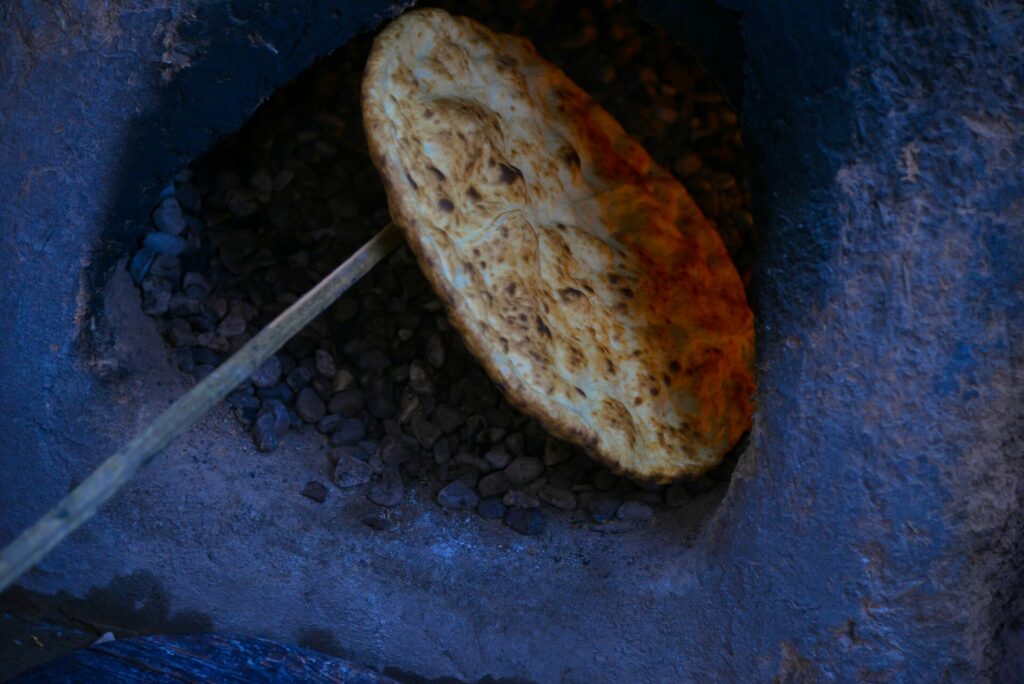
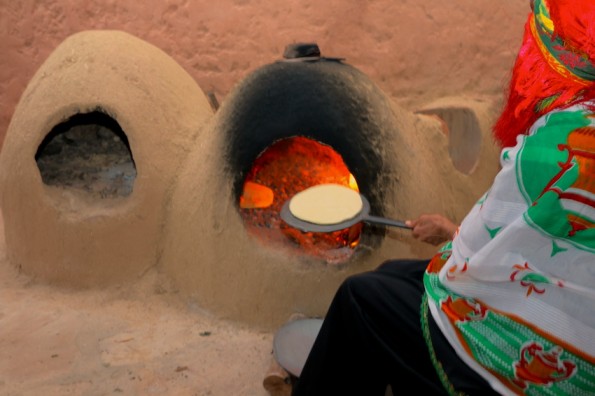
After the dough is shaped into flat, round discs, it’s ready for the oven. Traditionally, Tafarnout is baked in a clay oven called a tannur or tabouna. The dough is pressed against the hot inner walls, baking quickly over open flames. This technique gives the bread its signature look and taste – a crisp, slightly charred crust with a soft, chewy interior.
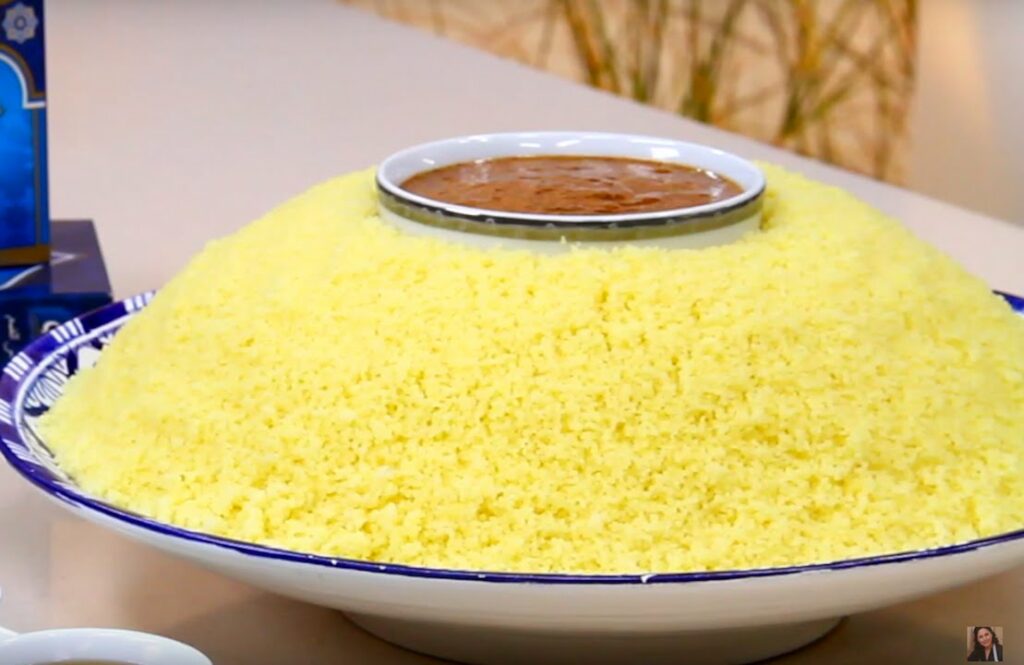
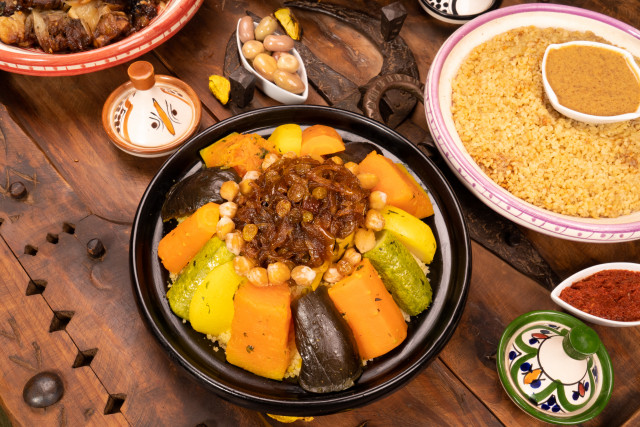
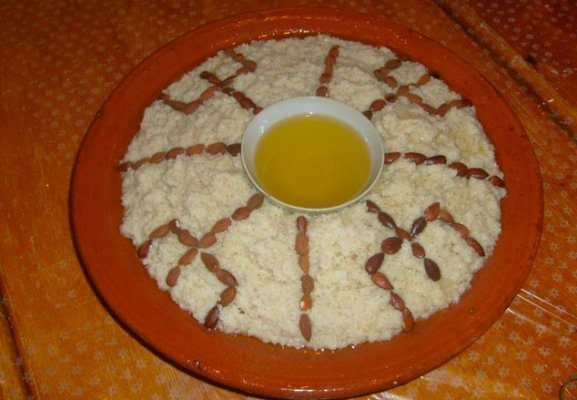
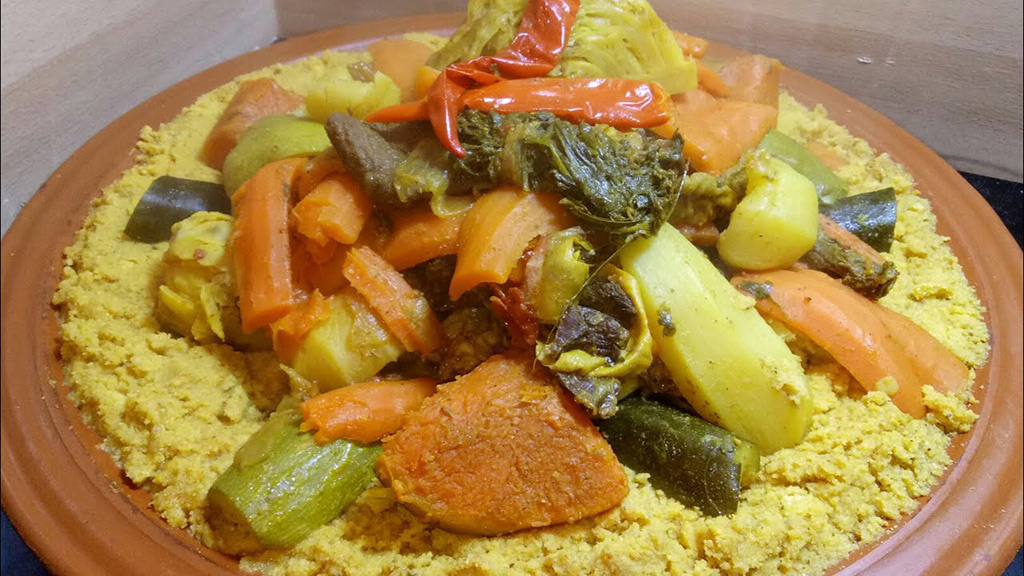
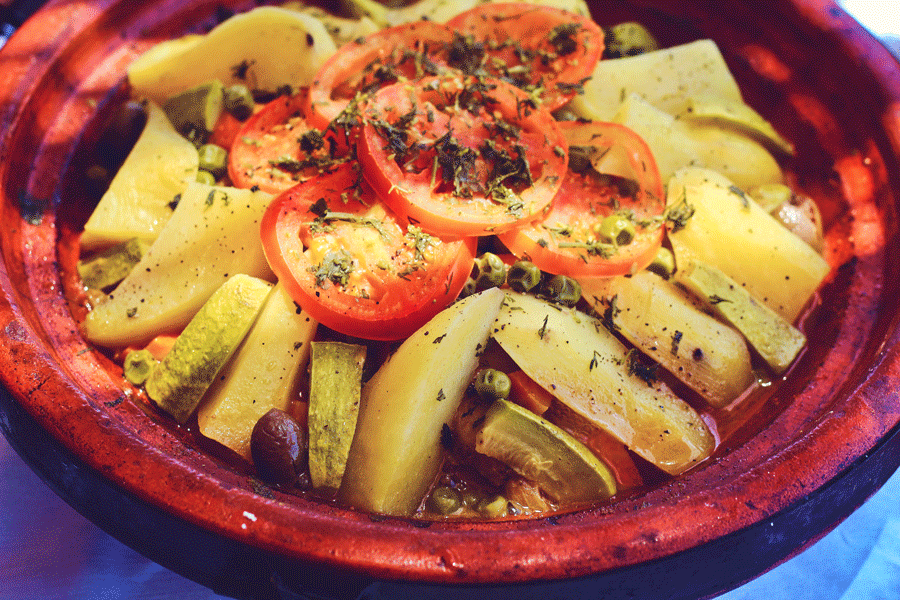
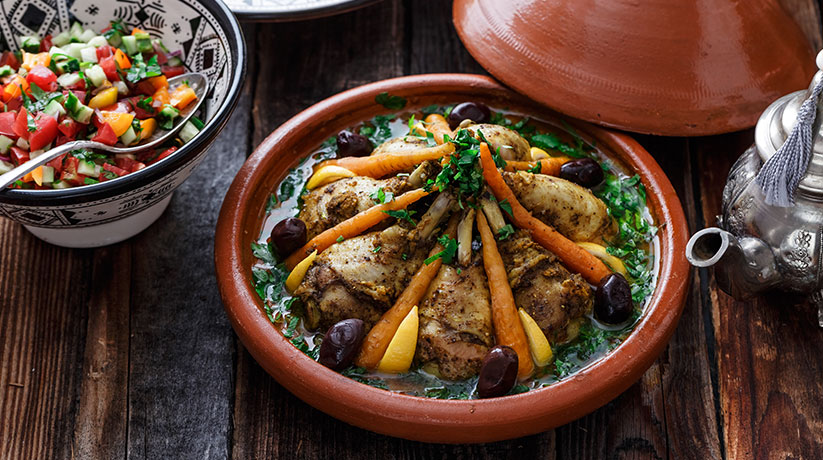
For Amazigh families, Tafarnout is far more than just food. It represents unity, generosity, and hospitality. When people gather for meals, especially during special occasions, Tafarnout is often at the center of the table. It’s torn and shared by hand, served alongside dishes like tagines, couscous, and hearty stews.
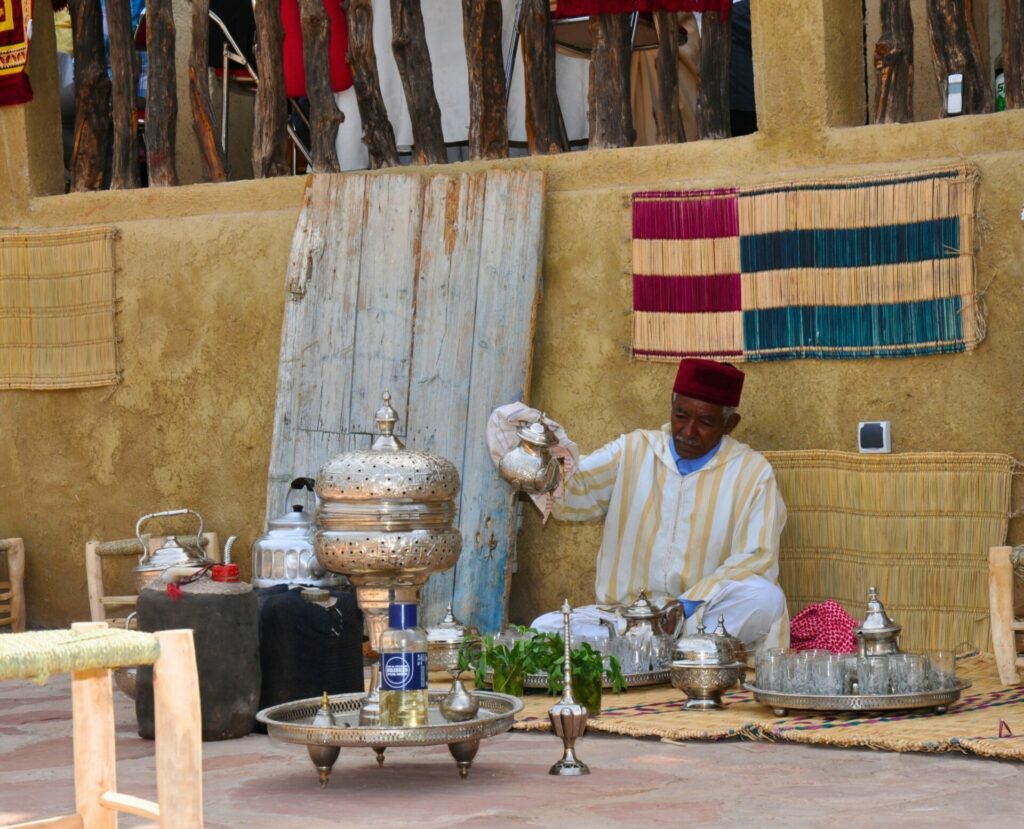
In these moments, the bread becomes a symbol of connection. Sharing it reflects the Amazigh values of kindness and togetherness. Offering fresh Tafarnout to guests shows warmth, respect, and a welcoming spirit.
Travelers who visit the Atlas Mountains or nearby villages often discover the joy of fresh Tafarnout. Local bakers prepare it daily, using age-old techniques that give the bread its homemade charm. Tasting it warm from the oven, with its smoky aroma and golden crust, is a memorable experience.
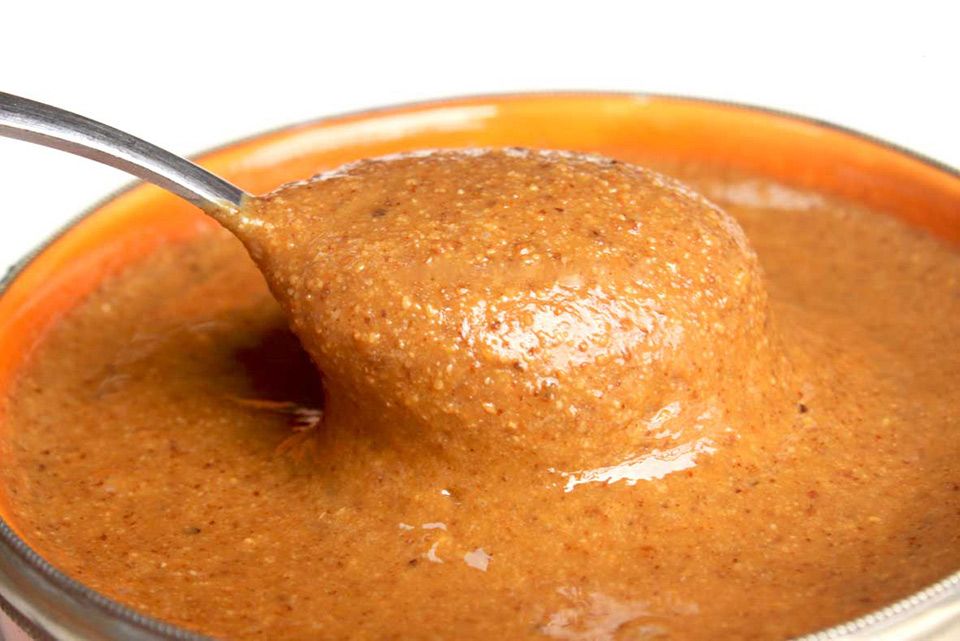
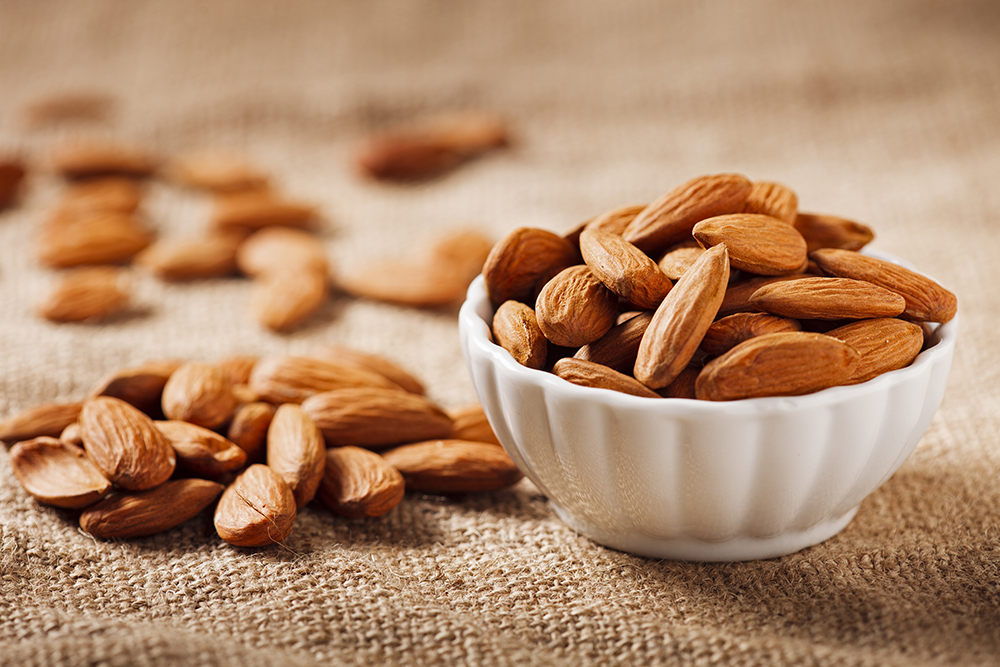
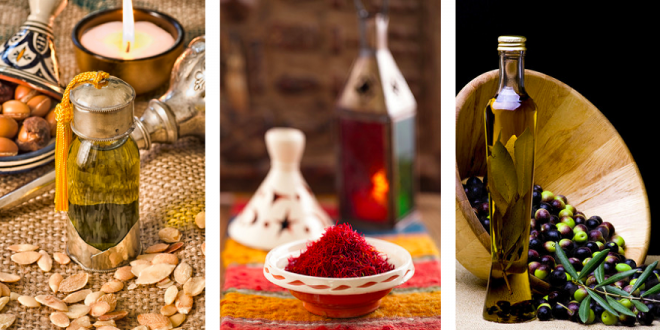
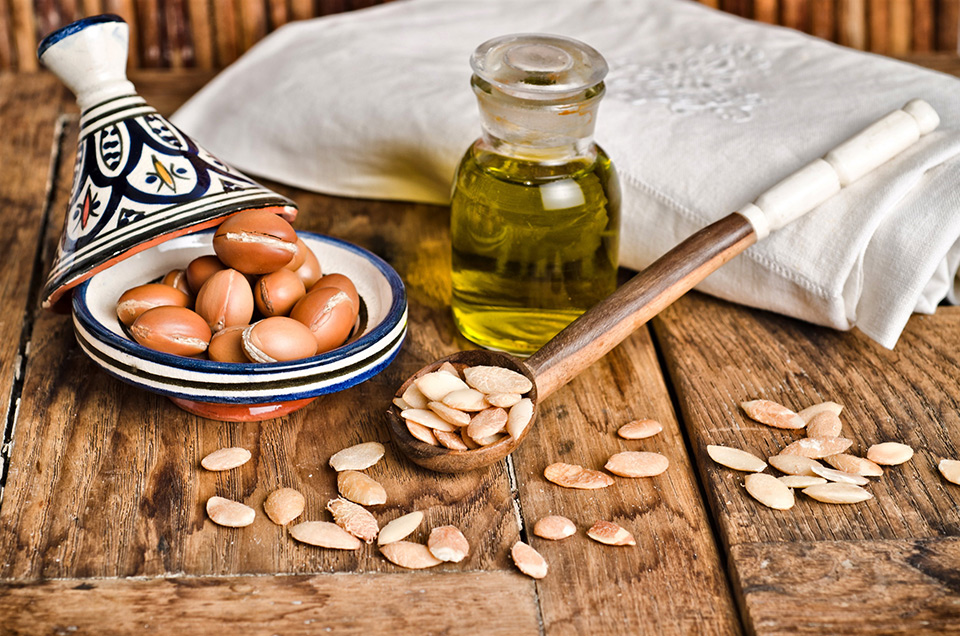
Tafarnout pairs beautifully with Moroccan staples. Dip it in olive oil, spread it with honey, or enjoy it with Amlou, a rich paste made from almonds and argan oil. It also complements spiced tagines and couscous dishes. Whether part of a meal or eaten on its own, Tafarnout is a wholesome and satisfying treat.
There are no results matching your search