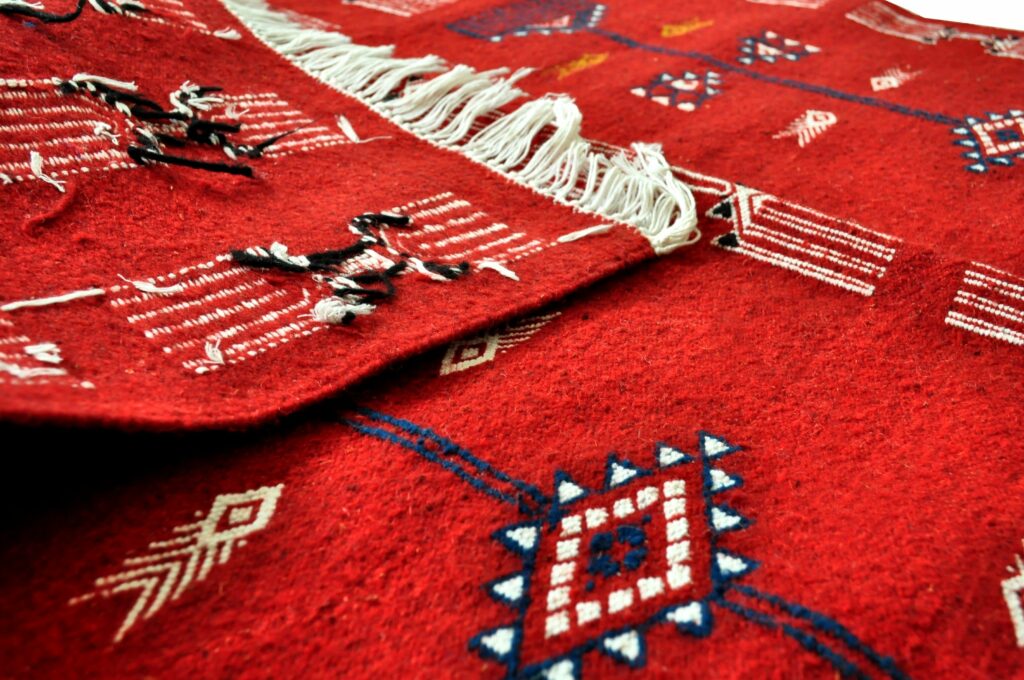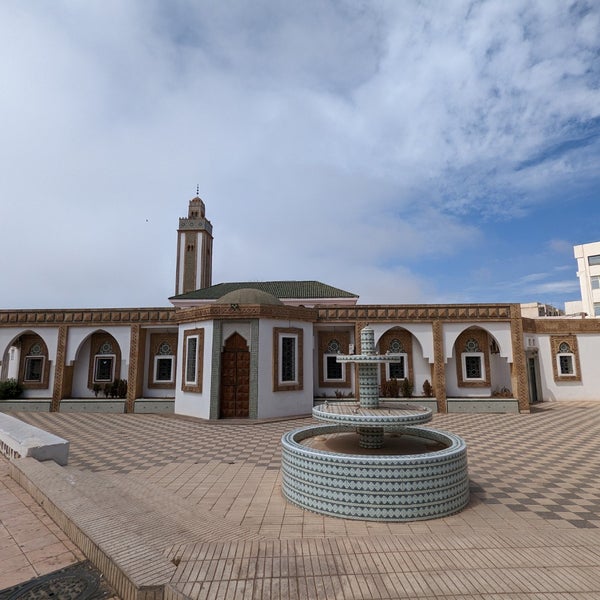
Moroccan carpet weaving thrives in the ancient city of Tiznit, where generations of artisans have preserved this rich tradition rooted in cultural heritage. Skilled local weavers craft vibrant rugs with intricate patterns and symbolic designs, reflecting Moroccan identity and local customs. Each Tiznit carpet tells a story, blending Berber, Arab, and sub-Saharan influences. More than decorative pieces, these carpets are works of art that embody the spirit and legacy of Morocco’s traditions.
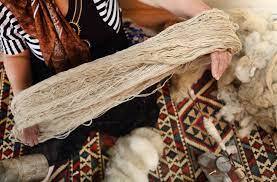
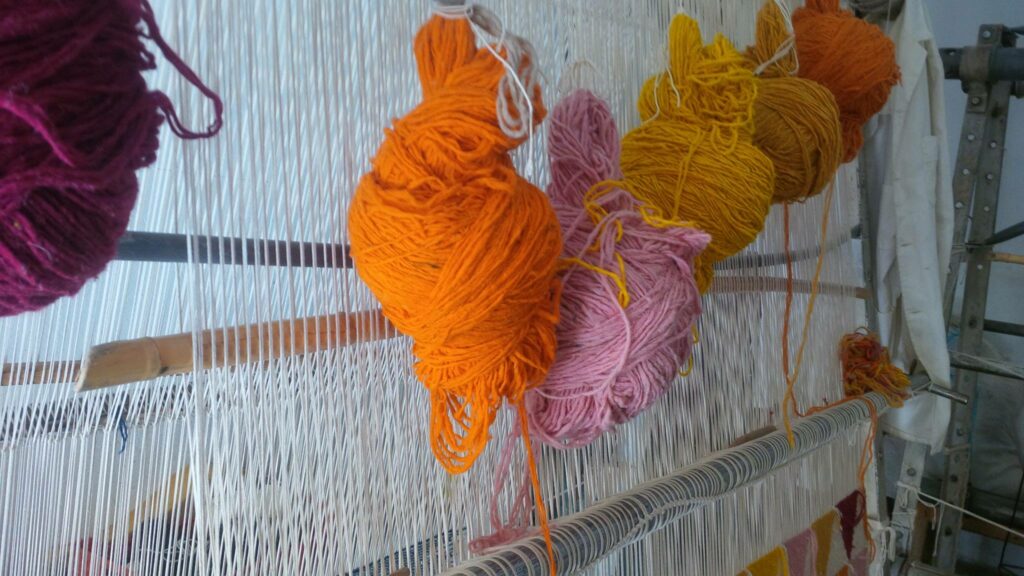
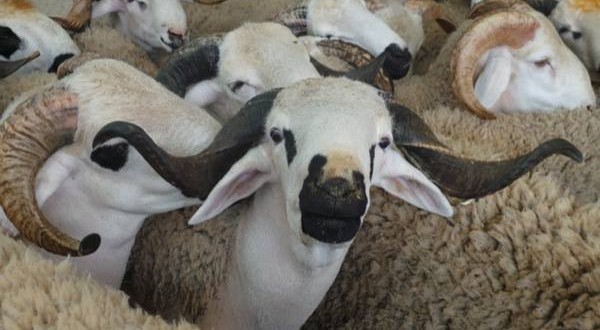
Tiznit’s carpet making industry has flourished for centuries, with artisans honing their skills over decades of practice. The intricate process begins with selecting high-quality wool, often from local sheep breeds adapted to the region’s climate. This wool is then carefully cleaned, dyed using natural plant-based pigments, and spun into yarn. The dyeing process itself is an art form, with dyers skillfully blending colors to create vibrant hues that will not fade over time.
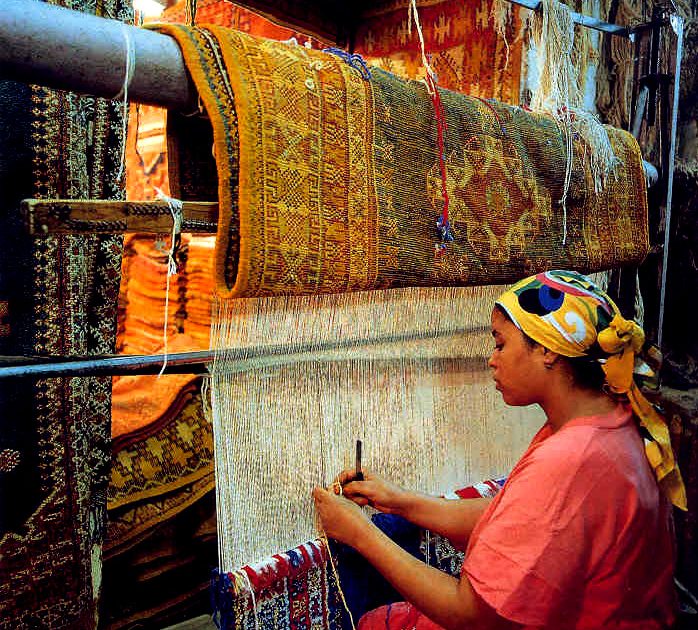
The city of Tiznit has a rich history of carpet weaving that is woven into the fabric of its culture. For generations, the skilled women of Tiznit have been creating beautiful carpets with great passion and dedication. Some of these talented weavers work from their homes, while others are part of local cooperatives. No matter where they work, their carefully crafted carpets showcase their remarkable artistry and expertise. Each carpet is a unique masterpiece, featuring intricate designs that are the result of countless hours of meticulous work.
Tiznit’s magnificent Moroccan carpets are a true marvel, showcasing incredible versatility in design. The carpets made for people living in the mountains have large, thick loops that keep you cozy and warm. But the carpets created for hotter climates have a smooth, fine texture that feels pleasant and cool. This flexibility in crafting carpets suited to different environments proves how skillful and innovative the weavers of Tiznit truly are. They thoughtfully consider the unique needs of each region they craft carpets for, ensuring every carpet provides ideal comfort and practicality.
When you go to Tiznit, you get to see how carpets are made by hand. There are many small groups of women who work together to make carpets using old ways that have been passed down for a very long time. They sit together and carefully weave each carpet with beautiful designs and patterns. It takes a lot of skill and hard work to make just one carpet.
Tiznit’s carpet weaving tradition is deeply rooted in the city’s women’s cooperatives. These cooperatives are the heart of this cherished craft, where skilled artisans come together to keep the art of carpet weaving alive. They are not just centers of creativity, but also places of empowerment for women. By working together in these cooperatives, women can earn a living and support their families while preserving Tiznit’s cultural heritage. Moreover, the cooperatives offer a supportive environment for skilled women artisans to share their expertise. These collectives serve as hubs for preserving ancient weaving traditions.
Going to Tiznit means you get to see and buy some really beautiful handmade carpets. These carpets are made by very skilled people who work hard to make each one special. Every knot and weave in a Tizniti carpet shows how carefully it was made. It takes a lot of work and talent to make carpets this nice.
When you buy one of these carpets, you aren’t just getting something pretty for your home. You are also helping out people in the local community, especially women who work together in groups to make the carpets. This helps keep Morocco’s cultural traditions alive and gives the carpet makers a way to make money and feel proud of their skills.
There are no results matching your search