

Houara Music hits you before you understand it. Specifically, the drums accelerate so fast that your heartbeat chases them. Furthermore, the voices rise in unison until the air itself vibrates. This is Souss-Massa folklore at its most primal and beautiful. Consequently, world music enthusiasts who discover it rarely stop searching for more. Moreover, Houara represents something genuinely rare — a living cultural bridge between Arab and Amazigh worlds. In this post, you will explore every dimension of this extraordinary tradition. Additionally, you will discover why Taroudant and its surrounding plains gave birth to Morocco’s most energetic folk music.
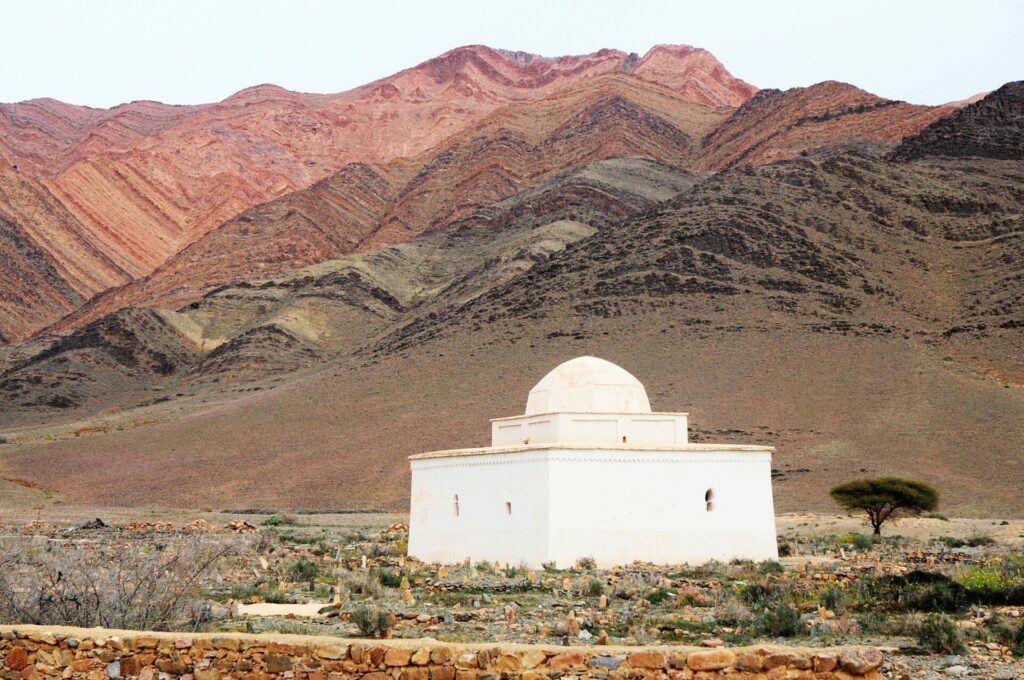
Houara Music originates from the Houara tribe, settled between Agadir and Taroudant. Specifically, the Houara are an Arabized tribe living deep inside the Amazigh Souss region. Consequently, their identity represents a fascinating cultural synthesis. Furthermore, their music reflects this duality with striking clarity. Arabic lyrics ride on top of distinctly Berber rhythmic structures. Moreover, this fusion creates a sound found nowhere else in Morocco. Additionally, the tradition connects generations of families across the Souss-Massa plains. Therefore, understanding Houara means understanding how cultures can blend without losing their roots.
The Mizân Houari is the defining rhythmic engine of Houara Music. Specifically, it starts at a slow, meditative pace. Consequently, listeners feel a building tension in their chests. Furthermore, the rhythm accelerates gradually, bar by bar. Additionally, it moves faster and faster until it reaches a breathtaking, frenetic climax. Therefore, the Mizân does not just accompany the music — it becomes the music. Moreover, performers and audiences enter a near-trance state at its peak. Specifically, this makes the Mizân one of the most physically commanding rhythms in Souss-Massa folklore.
Three instruments drive the Mizân Houari forward with force and precision.
Together, these instruments create an unstoppable sonic momentum. Moreover, skilled percussionists treat the Tara and Agwal as extensions of their bodies. Additionally, the Naqqus provides the rhythmic skeleton that holds the entire ensemble together.
Houara performances center on a powerful communal formation. Specifically, men and women form a large circle. Furthermore, they chant together, clap sharply, and sway in rhythmic unison. Consequently, the collective energy builds into something overwhelming. Additionally, soloists leap dramatically into the center of the circle. Moreover, these individuals perform the Raqza — an intense, driving footwork sequence. Specifically, the Raqza involves stamping, spinning, and acrobatic jumps. Furthermore, the movements bear a striking resemblance to Spanish Flamenco footwork. Consequently, many ethnomusicologists point to deep historical connections between these two traditions. Therefore, Houara dance offers a living clue to centuries of cross-Mediterranean cultural exchange.
Troupe Houara represents the institutional guardians of this Moroccan dance tradition. Specifically, the troupe performs at major festivals, cultural events, and national celebrations. Furthermore, membership demands extraordinary physical stamina. Consequently, performers train their bodies rigorously to sustain the Mizân’s acceleration. Additionally, Troupe Houara actively transmits knowledge to younger generations. Moreover, they document and perform the full theatrical repertoire of the tradition. Therefore, without troupes like this, Souss-Massa folklore risks losing its most dynamic expressions. Specifically, their dedication makes them cultural athletes as much as artists.
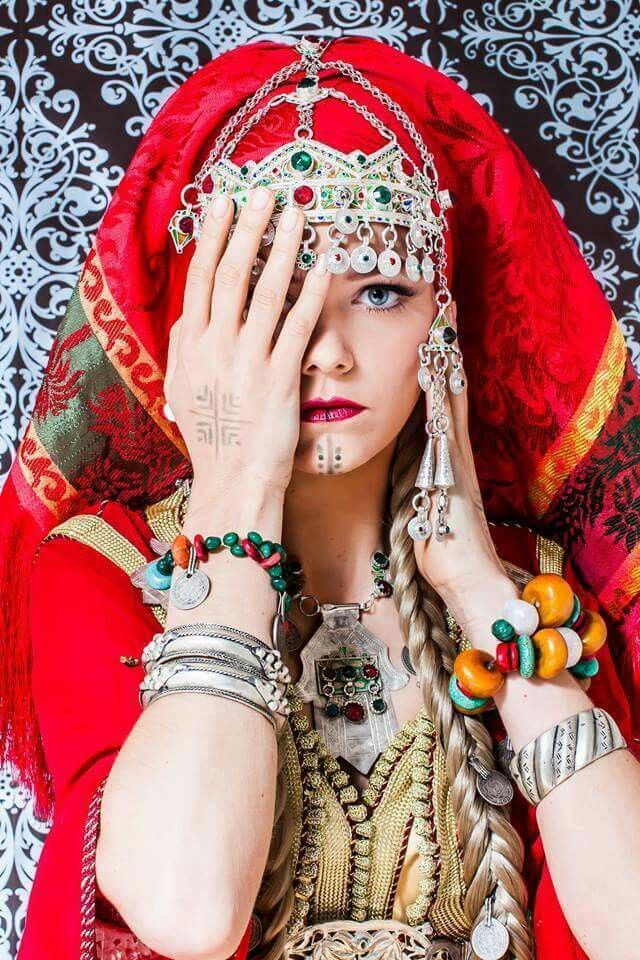
The Houariyat are all-female Houara Music ensembles. Specifically, these groups command enormous respect across the Souss region. Furthermore, their voices carry a soulful, powerful quality that silences entire wedding tents. Consequently, hosts consider the Houariyat essential for any major celebration. Moreover, they display exceptional mastery of the Tara and Agwal drums. Additionally, their harmonized chanting layers complex vocal textures over the percussive base. Therefore, the Houariyat represent far more than entertainment. Specifically, they serve as living archives of Houara musical knowledge. Furthermore, their popularity at weddings and festivals across Taroudant keeps this tradition vibrantly alive. Explore the cultural richness of their homeland at Qu’est-ce que Houara ?

Houara Music functions differently from Morocco’s other folk traditions. Specifically, it does not invite passive listening. Consequently, it demands full physical and emotional participation. Furthermore, its escalating rhythms make standing still genuinely impossible. Moreover, the communal circle format removes the divide between performer and audience. Additionally, the Raqza footwork challenges every participant to their physical limits. Therefore, scholars and enthusiasts alike describe the experience as transformative. Specifically, no other tradition in Souss-Massa folklore generates this level of collective intensity. Furthermore, Houara represents a living meditation on endurance, community, and joy.
Houara Music is not background sound — it is a full-body, full-soul encounter. Furthermore, it bridges Arabic and Amazigh worlds through rhythm, voice, and movement. Specifically, the Mizân Houari, the Houariyat singers, and the explosive Raqza dance make this tradition truly unique. Consequently, every traveler heading to the Souss-Massa region should seek it out actively. Moreover, attending a live performance in Taroudant or a rural Souss festival changes you. Therefore, plan your cultural journey now. Additionally, visit Visit Rural Morocco to discover authentic festivals, events, and experiences across the region.