During the Amazigh New Year, preparing Moroccan Tagoula takes center stage as Amazigh women lead the way in preserving cherished cultural traditions. Their role reflects a vibrant legacy passed down through generations. Among the most meaningful customs, the preparation of traditional dishes like Tagoula brings families and neighbors together, creating a joyful atmosphere of unity and celebration. This shared ritual not only strengthens communal bonds but also showcases the Amazigh people’s deep connection to their heritage and their dedication to preserving time-honored practices.
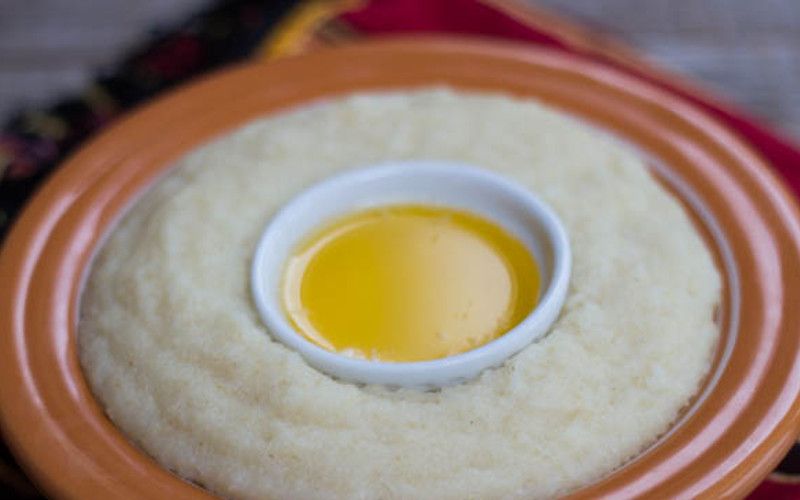
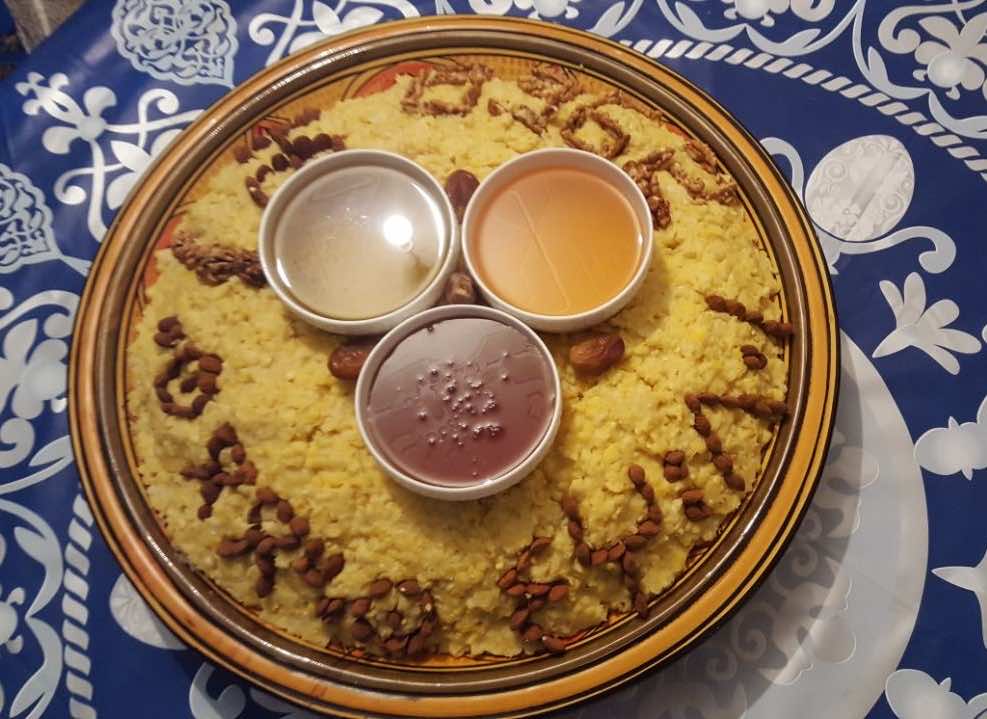
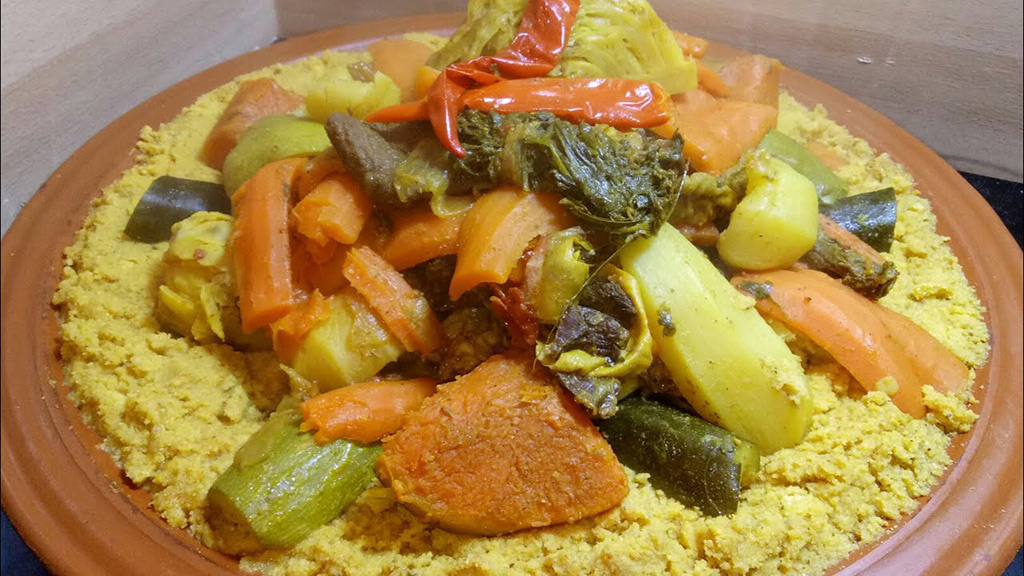
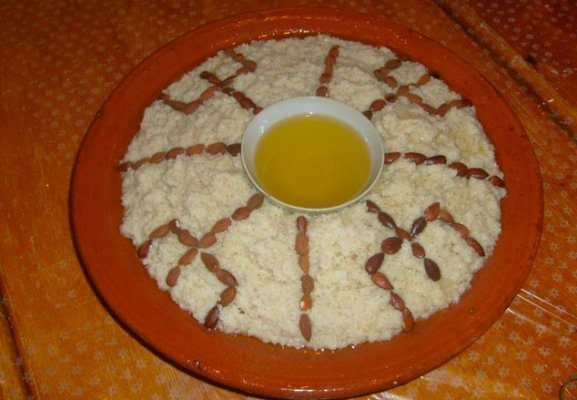
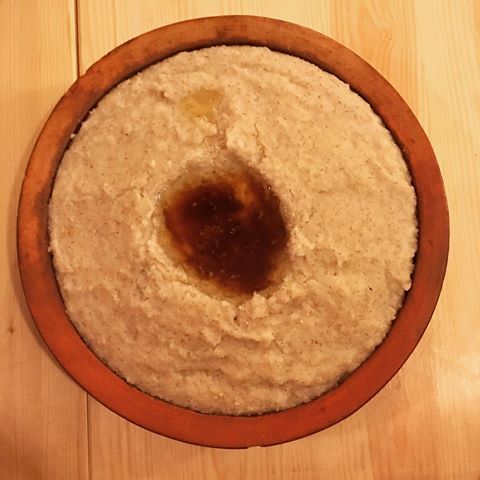
In Amazigh households, women have long taken the lead in the kitchen. With skilled hands and a deep understanding of ingredients, they create dishes that carry generations of history. One beloved dish is Tagoula, a warm, hearty meal made from corn or barley semolina. Preparing Tagoula requires both patience and care. The semolina must cook slowly over gentle heat until it reaches the perfect consistency—tender but firm, never mushy.
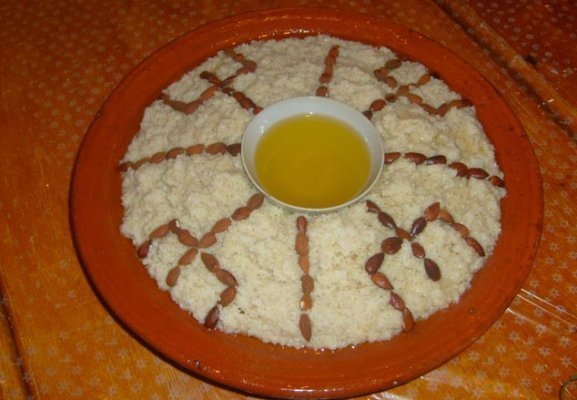
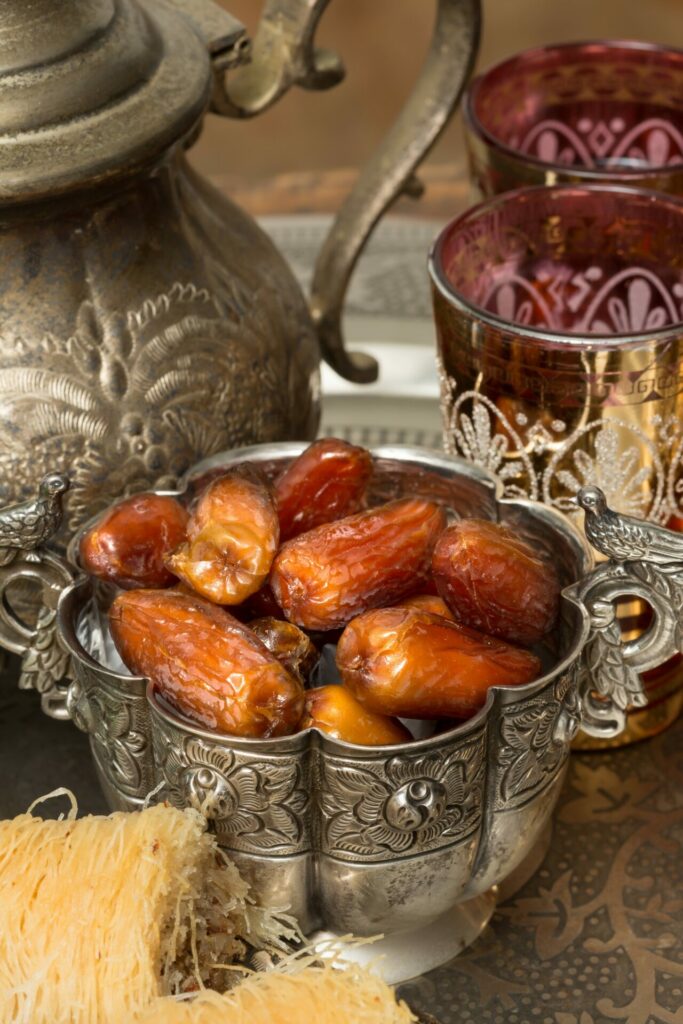
In Amazigh culture, Tagoula symbolizes health, longevity, and prosperity. During New Year celebrations, women often decorate it with dates and almonds. A single date seed, called Amnnaz, is hidden in the dish. The person who finds it is believed to receive special blessings for the coming year. This joyful custom adds excitement and spiritual meaning to the meal.
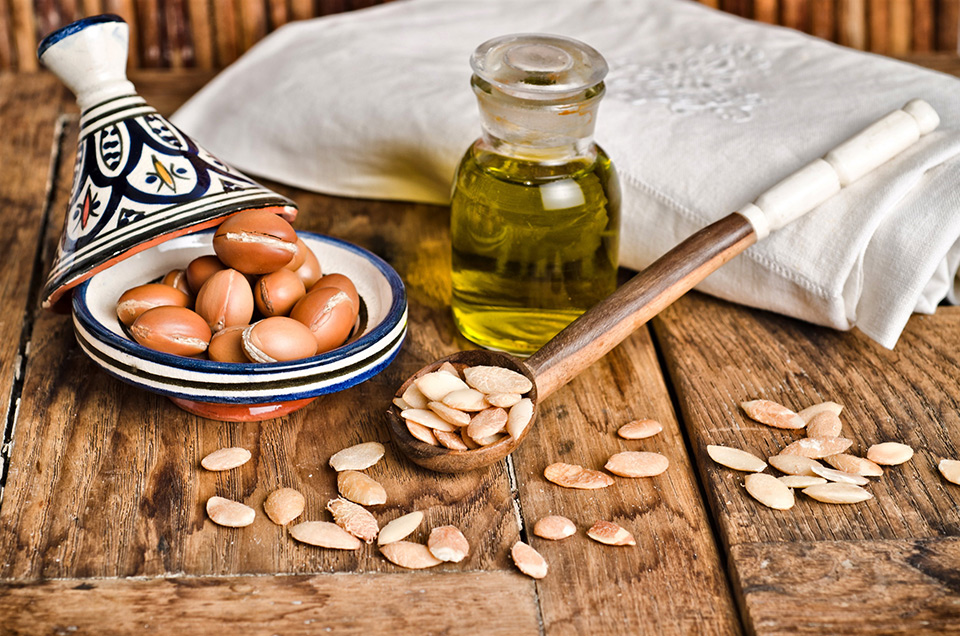
Cooking Tagoula is more than just preparing food—it’s a cultural ritual filled with care and intention. First, cooks boil the semolina carefully, stirring gently to achieve the ideal texture. Then, they add flavorful toppings that reflect personal taste and local traditions. Some drizzle rich olive oil or nutty argan oil. Others prefer a hint of sweetness with honey or melted butter. A popular choice is Amlou, a delicious mix of almonds, honey, and argan oil that adds depth and warmth. With each topping, the dish becomes more flavorful and symbolic.
In Amazigh tradition, food is deeply meaningful. It goes beyond nourishment to express identity, memory, and belonging. Every traditional dish tells a story. Each bite carries the flavor of the past—of ancestors, land, and family. These meals keep history alive, remind people of their roots, and strengthen bonds between generations. They also reinforce the values of hospitality, kinship, and respect for tradition.
When Amazigh families gather to share these dishes, they celebrate more than just food. They celebrate resilience, togetherness, and pride in their heritage. Even in a rapidly changing world, the Amazigh people remain deeply committed to preserving their culture. By honoring the traditions of their ancestors, they strengthen their identity and inspire future generations. Each meal becomes a moment of unity and quiet strength—a reminder that culture lives on through everyday acts of care, tradition, and love.
There are no results matching your search