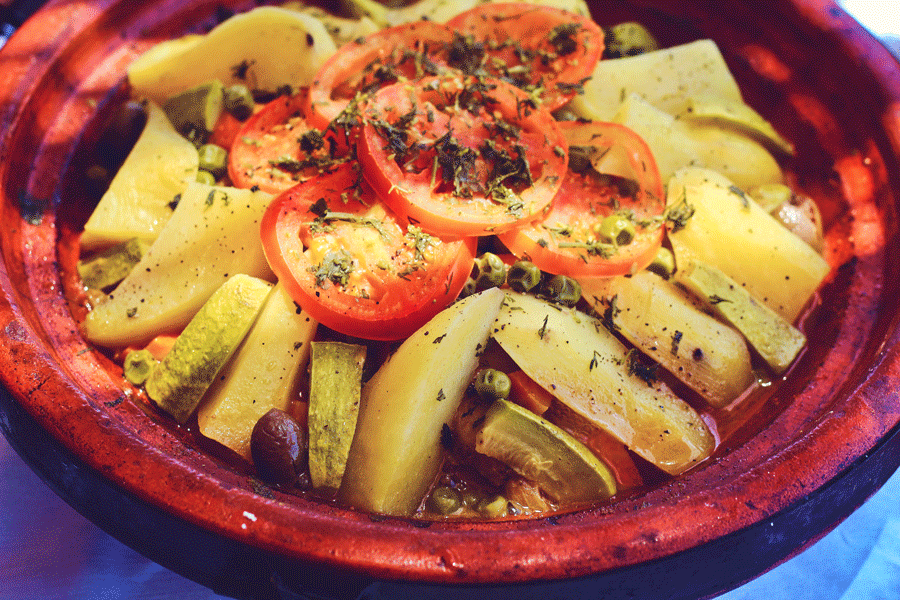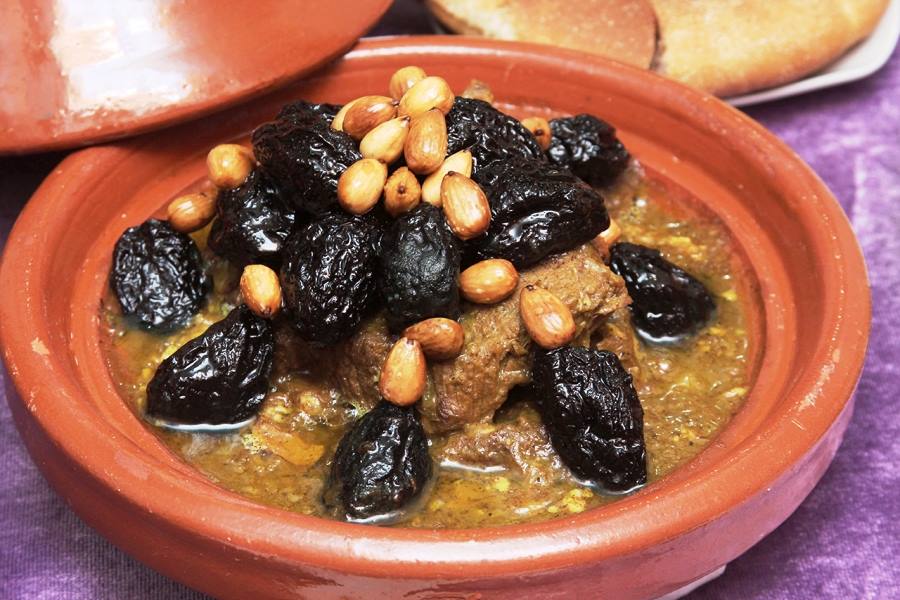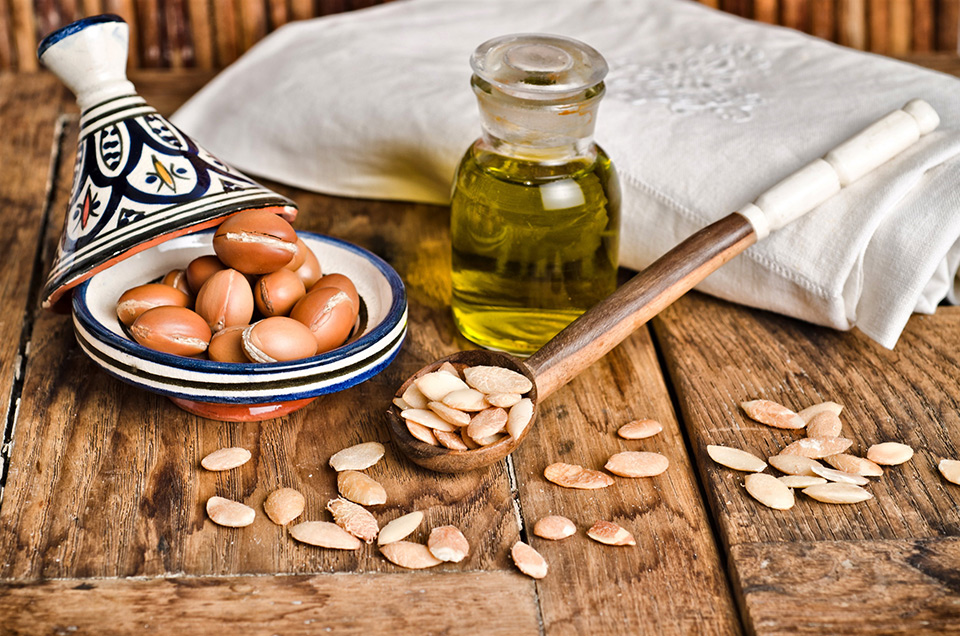
Moroccan Amazigh Tagine is a cherished dish in Moroccan cuisine, reflecting the rich heritage of the Amazigh people. This dish dates back to ancient times when Amazigh tribes used clay pots, known as tagines, to slowly cook meats, vegetables, and spices over charcoal. This slow-cooking method made meals tender and flavorful, helping the nomadic Amazigh people survive for generations. Even today, tagine represents hospitality and togetherness, often served at family gatherings and special events.
The origins of Amazigh tagine trace back to the Amazigh tribes living in the Atlas Mountains and surrounding regions. These tribes used a unique clay pot with a conical lid designed for slow cooking over low heat. This cooking method helped retain moisture and enhance flavors, making tagine an ideal choice for the nomadic lifestyle. With it, the Amazigh people could create filling, tasty meals using simple, locally-sourced ingredients such as vegetables, grains, and meats. This method not only sustained them but also became an essential part of their culture.
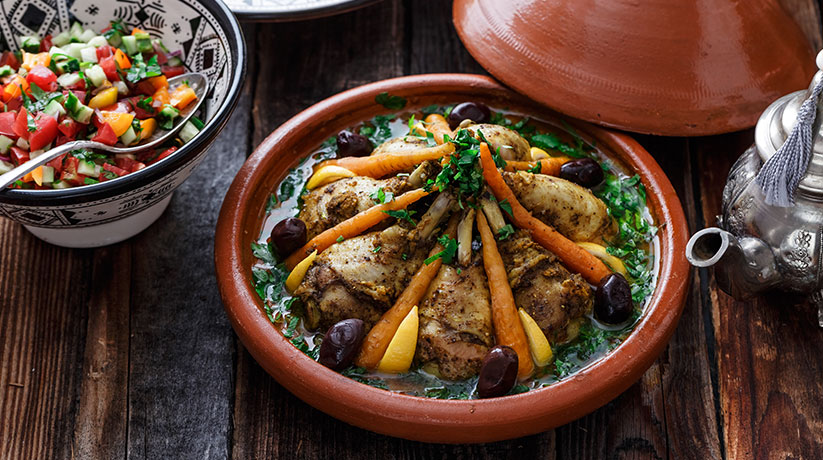
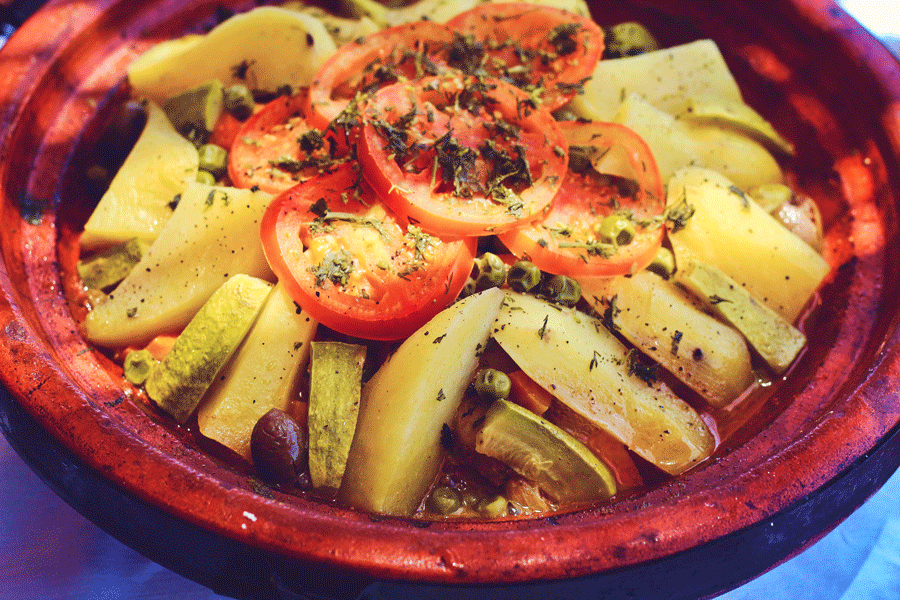
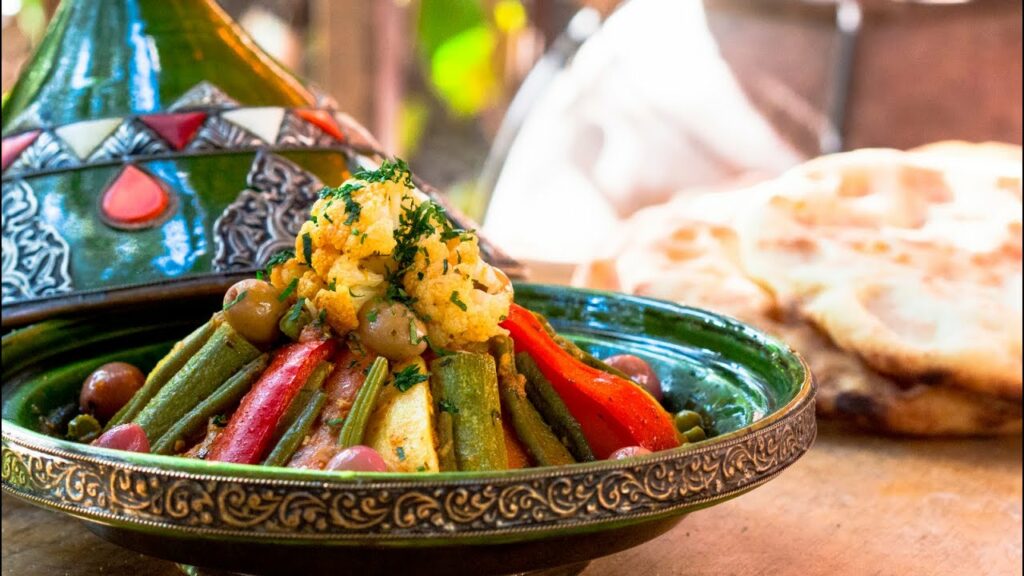
Amazigh tagine is a flavorful masterpiece, combining tender cuts of lamb, chicken, or beef with an array of vegetables, including carrots, potatoes, onions, and tomatoes. The dish is infused with a blend of spices such as cumin, paprika, ginger, turmeric, and the rich flavor of saffron.
To prepare Amazigh tagine, the ingredients are carefully layered in the iconic tagine pot. As the dish simmers over low heat, the conical lid traps moisture, allowing it to drip back into the pot and keep the flavors intense. The slow cooking process creates a harmonious blend of textures and tastes.
Amazigh tagine is more than just a meal—it’s a symbol of cultural identity and tradition. The preparation of tagine is considered a sacred ritual in Amazigh households, especially during celebrations and gatherings. It brings people together, making it a meal of fellowship. Sharing a tagine is a mark of hospitality and unity in Amazigh culture.
Additionally, tagine reflects the deep connection Amazigh people have with the land. They use locally grown fruits, vegetables, and herbs, along with spices passed down through generations. This sustainable approach shows a respect for nature and a commitment to preserving the environment. By cooking with ingredients from their land, Amazigh people honor both their heritage and the resources that sustain them.
In recent years, Amazigh tagine has gained international popularity. It has become a symbol of North African cuisine, known for its unique flavors and rustic charm. Many local restaurants around the world now serve their versions of this iconic dish, introducing people to the rich flavors of Morocco.
While traditional recipes are still cherished, modern chefs have put their own spin on the dish, experimenting with new ingredients and cooking techniques. Despite these updates, the essence of slow cooking and the balanced flavors remain intact. This enduring method of preparation continues to captivate people around the world, ensuring that Amazigh tagine will remain a beloved dish for generations to come.
There are no results matching your search