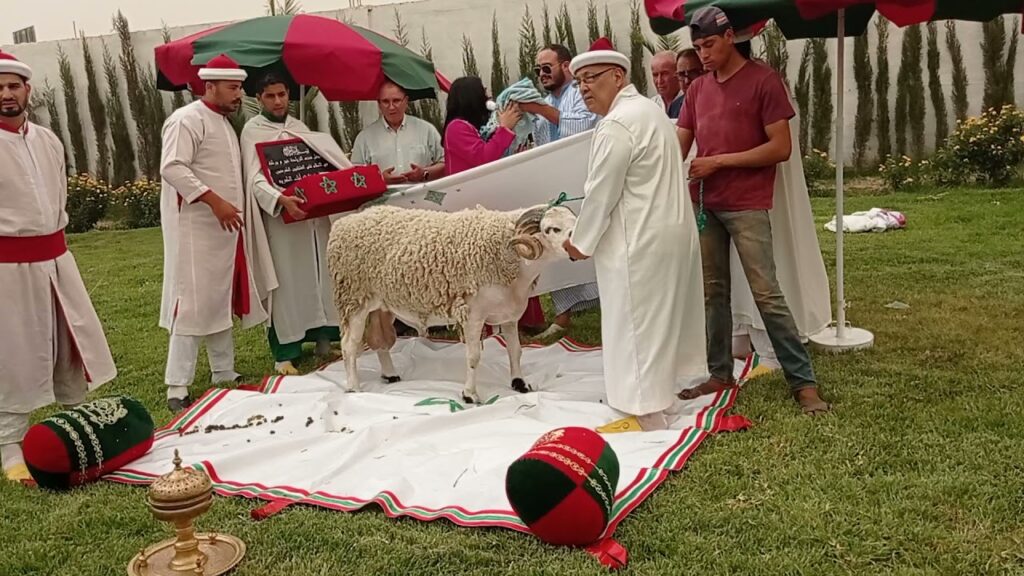


In many Muslim and Jewish Moroccan families, circumcision is a longstanding ritual with both religious and health-related significance. Today, its sanitary and hygienic benefits are widely recognized. Traditionally, a Hajjam—often a barber or hairdresser—performs the procedure. These practitioners build their reputation through the successful outcomes of past circumcisions. However, many families now prefer trained surgeons, who also use anesthesia to ease the process for young boys.
Circumcision is usually recommended during early childhood. Families often schedule it in spring, before the intense summer heat begins. The procedure typically takes place early in the morning, followed by a festive gathering. Parents invite relatives, neighbors, and friends to celebrate the occasion.
After the circumcision, the child wears traditional clothing. Parents choose from garments like the Djellaba, Fouqia, Jabador, Tarbouch, and Seroual. The Seroual, or pants, should be loose enough for comfort and easy movement. The child receives special attention, surrounded by love and tenderness. Guests often bring thoughtful gifts to mark the celebration.
There are no results matching your search