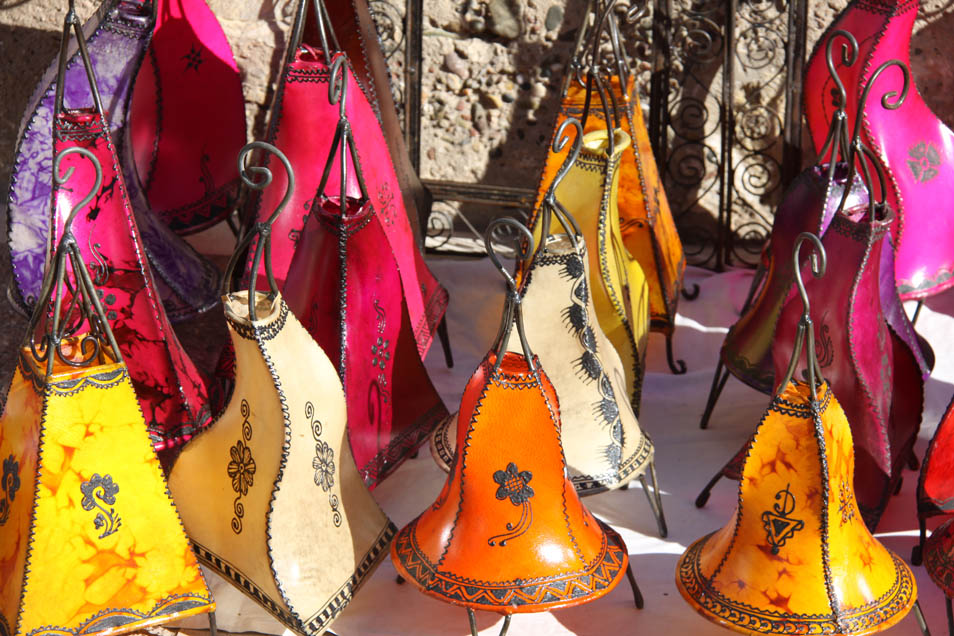
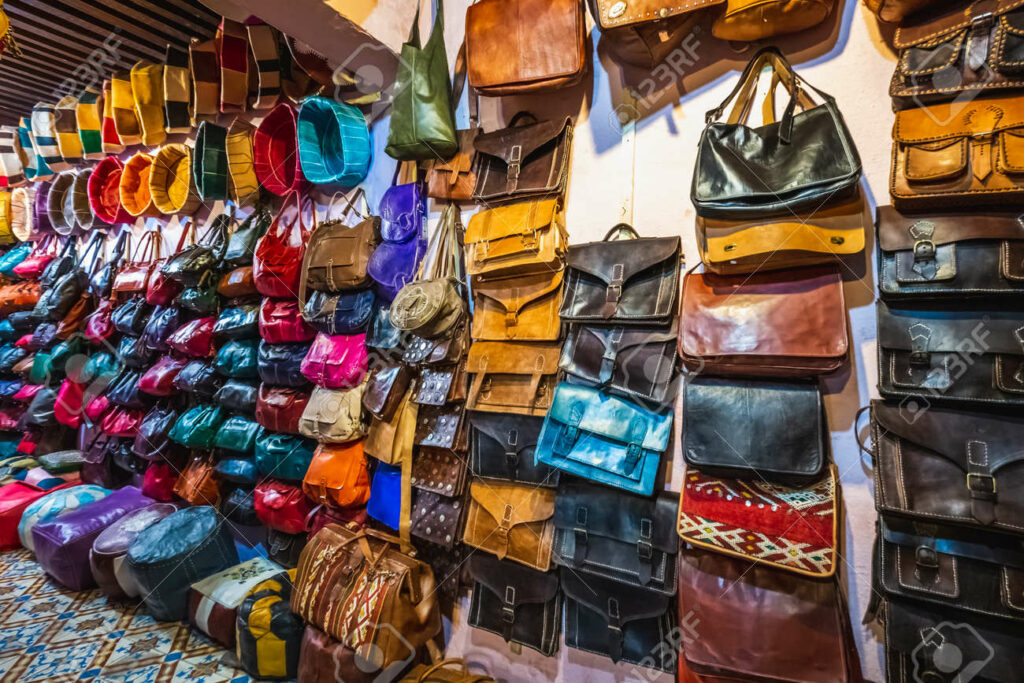
Moroccan leather goods represent a rich fusion of cultural heritage and centuries-old craftsmanship, forming an essential part of Morocco’s artistic identity. For generations, the country has been renowned for its exceptional leatherwork—showcasing the skill and creative vision of its artisans. From the lively souks of Marrakech, where the air is filled with the aroma of spices, to the winding medinas of Fez, a UNESCO World Heritage Site, the Moroccan leather industry continues to flourish, captivating both locals and visitors from around the globe.
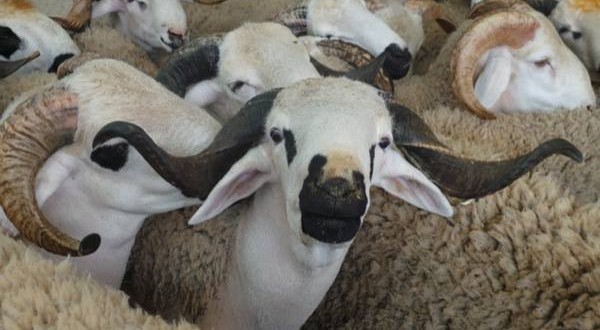
For centuries, artisans in Morocco have crafted stunning leather goods, a tradition dating back to the 1300s. Historical records highlight the high quality and beautiful designs of Moroccan leather, which became famous worldwide. The term maroquinerie refers to the intricate skill of working with goat and sheep hides, a practice that included making a wide variety of goods, such as shoes and bags.
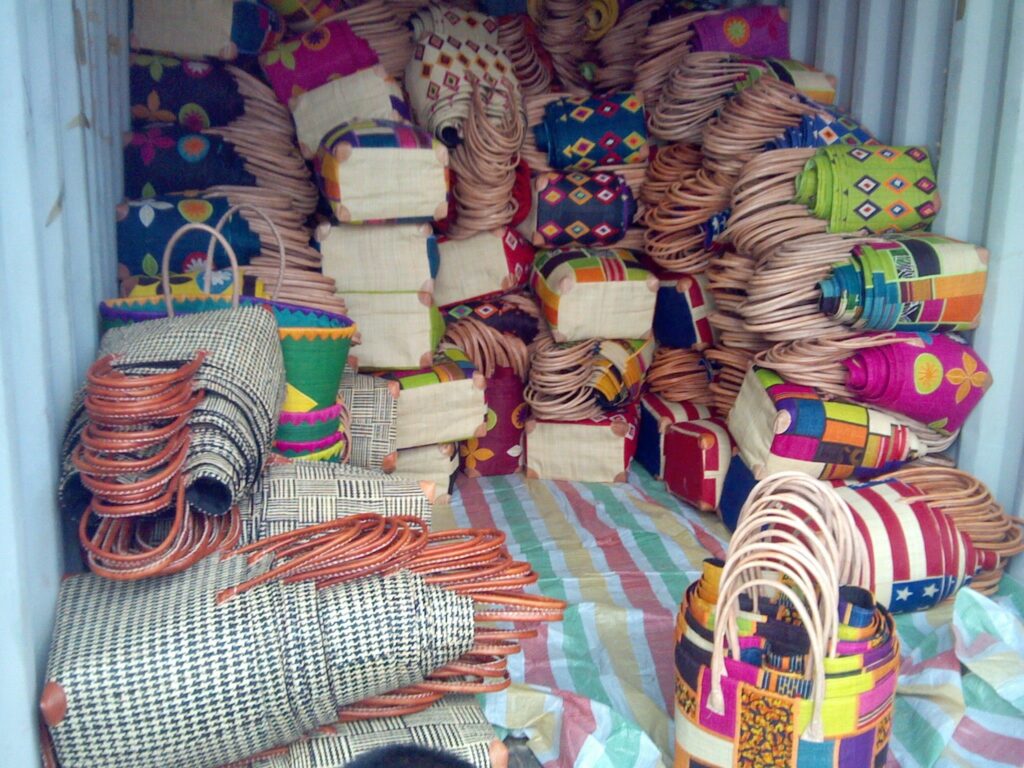
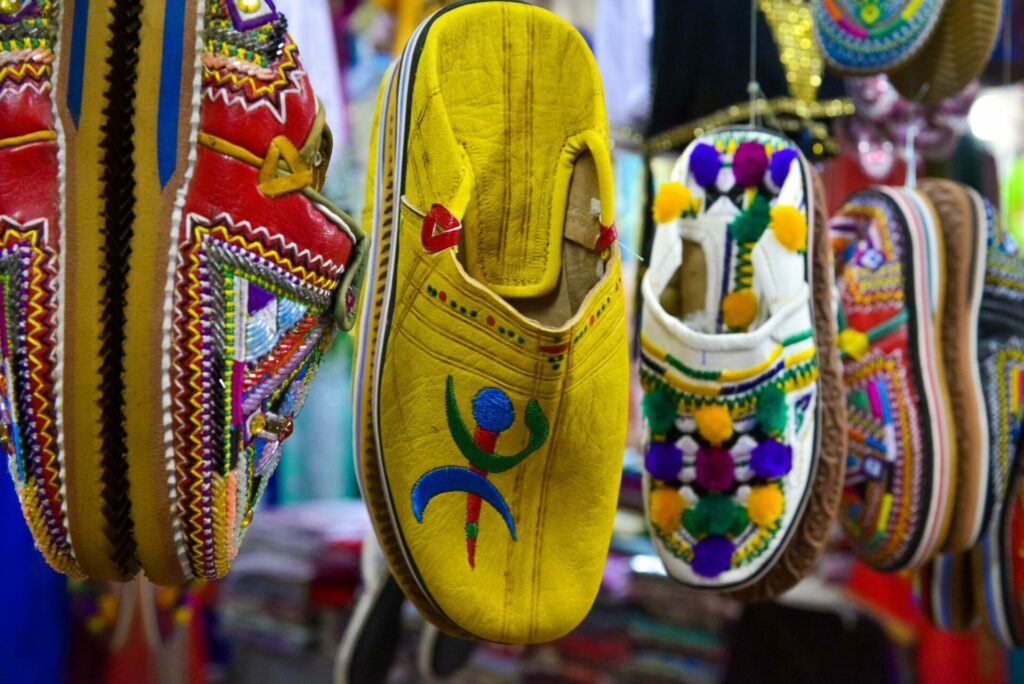
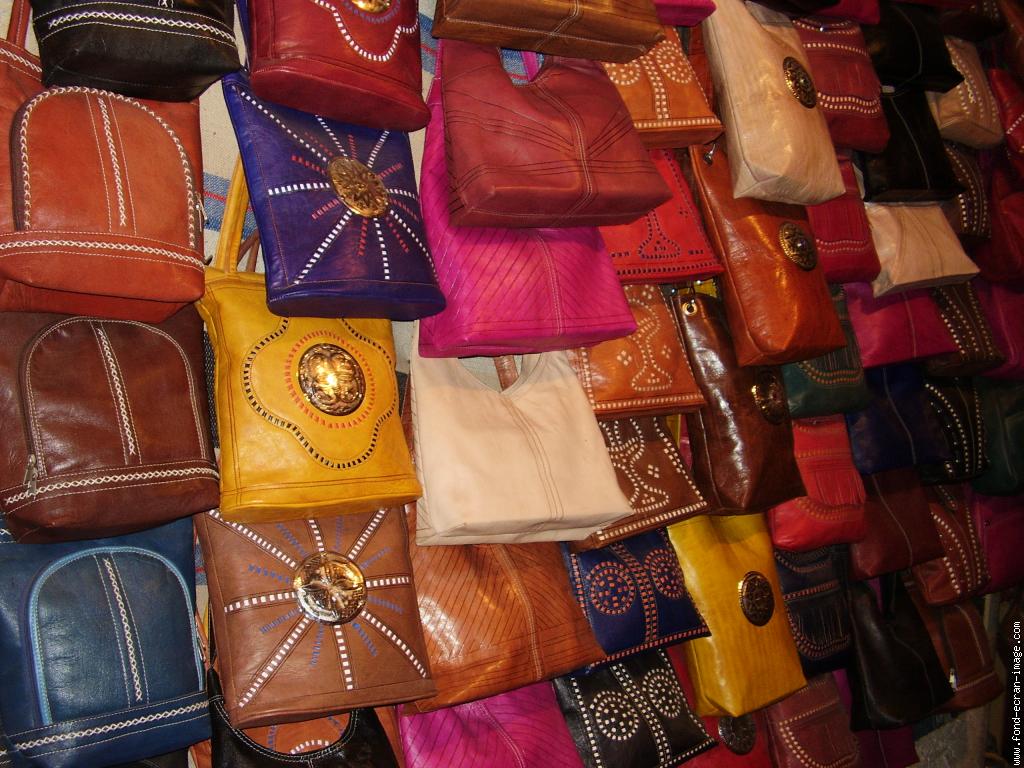
Moroccan leather artisans skillfully crafted footwear like slippers, adorned with intricate designs that reflect their traditional techniques passed down through generations. Some artisans made sturdy belts with ornate buckles, showcasing their fine artistry. Additionally, wallets and pouches were carefully stitched from durable yet elegant leather. Artisans also produced a range of leather bags, from compact crossbody purses to larger totes—each a testament to both creativity and ingenuity. Simple hats and plush poufs for lounging also transformed humble hides into functional yet beautiful objects. This enduring tradition has continued to enchant admirers worldwide.
At the heart of Morocco’s renowned leather industry lies its ancient tanning craft. Remarkably, the techniques have remained largely unchanged for over a thousand years. This careful process imbues Moroccan leather with unique qualities, including its strength, softness, and rich, lustrous finish. The journey begins with selecting high-quality goat and sheep hides. These hides undergo a series of traditional tanning methods, incorporating natural ingredients like vegetable extracts, oils, and dyes. Skilled artisans, known as maâllems, carefully work the leather by hand, using age-old methods to soften, dye, and shape it into the desired forms.
One of the most iconic symbols of Moroccan leather craftsmanship is the babouche, a comfortable slipper known for its soft leather and intricate patterns. Similarly, Moroccan leather bags exude timeless beauty and exceptional quality, earning them a global following. From the bustling souks of Marrakech to the workshops of Fez, maroquinerie preserves ancient traditions while sustaining local livelihoods. Today, the industry thrives as both a cultural treasure and an economic driver.
These leather goods, whether in the form of babouches, bags, or other creations, embody Morocco’s artistic spirit and resilience. Each piece, meticulously crafted by hand, reflects the enduring creativity that continues to define the nation’s rich heritage.
Ultimately, Moroccan leather goods stand as an embodiment of the country’s artistic mastery and cultural richness. The leather industry remains deeply rooted in tradition while adapting to modern demands, ensuring its lasting appeal worldwide. As artisans continue to pass down their craft, the legacy of Moroccan leather goods will undoubtedly endure, inspiring future generations and admirers alike.
There are no results matching your search