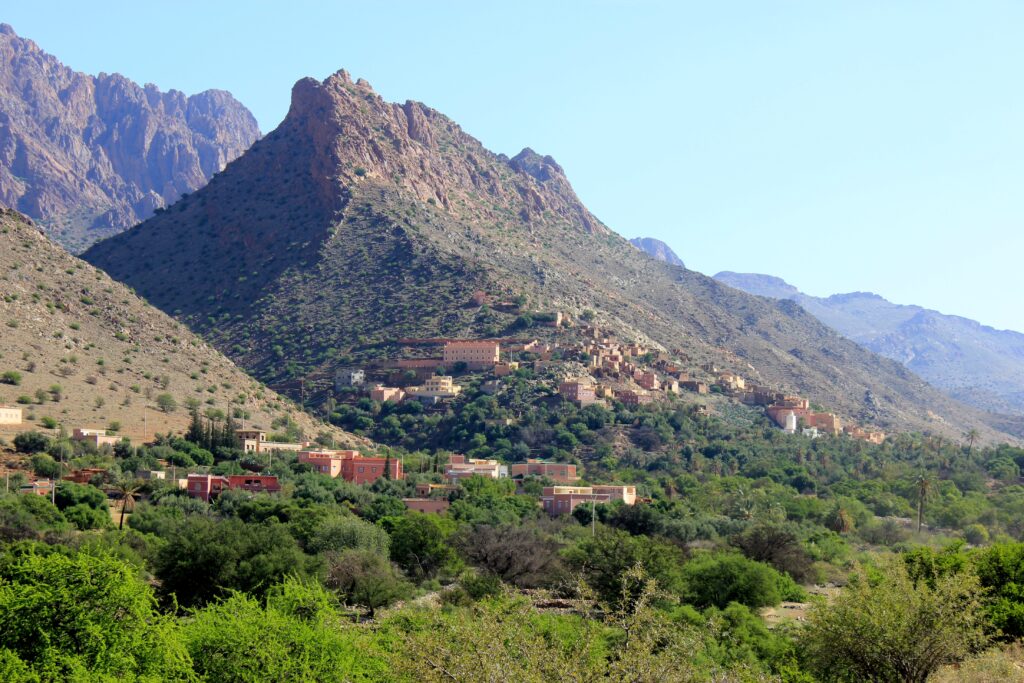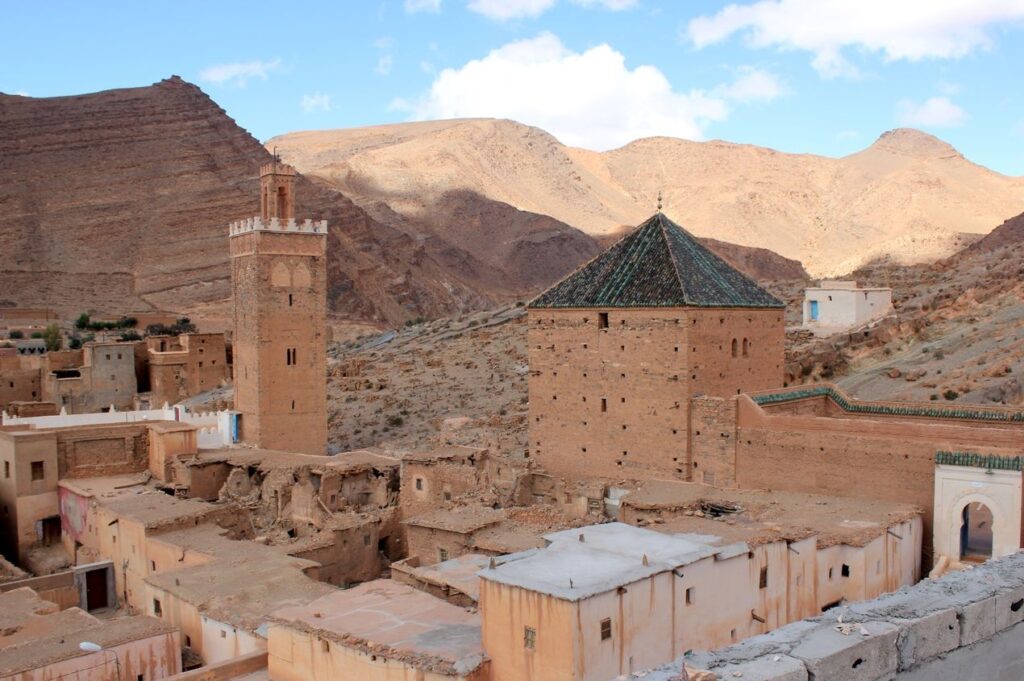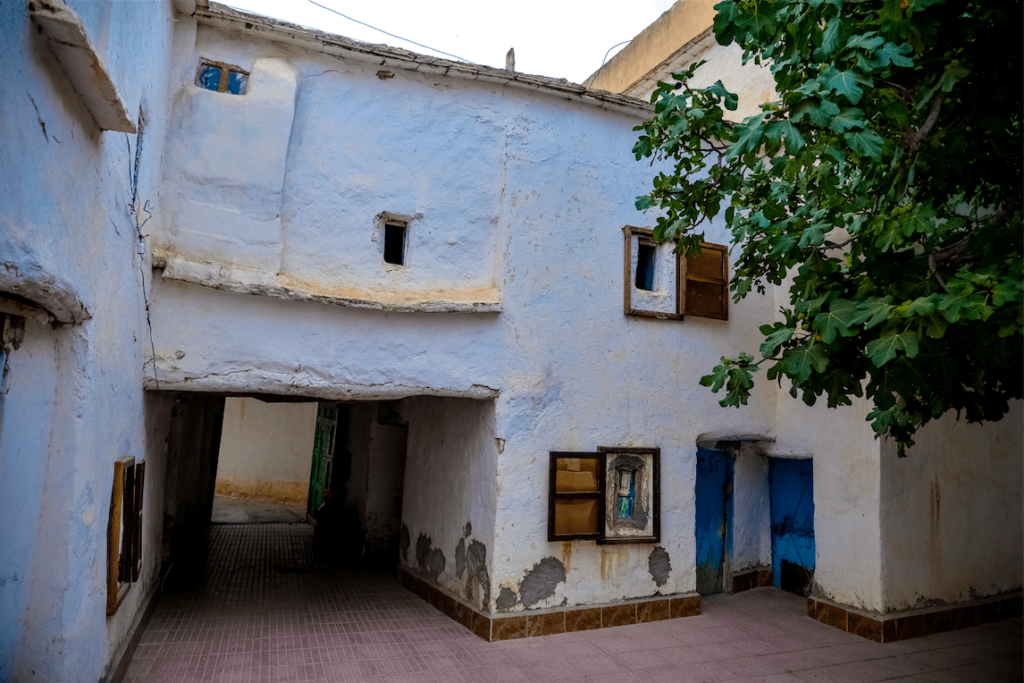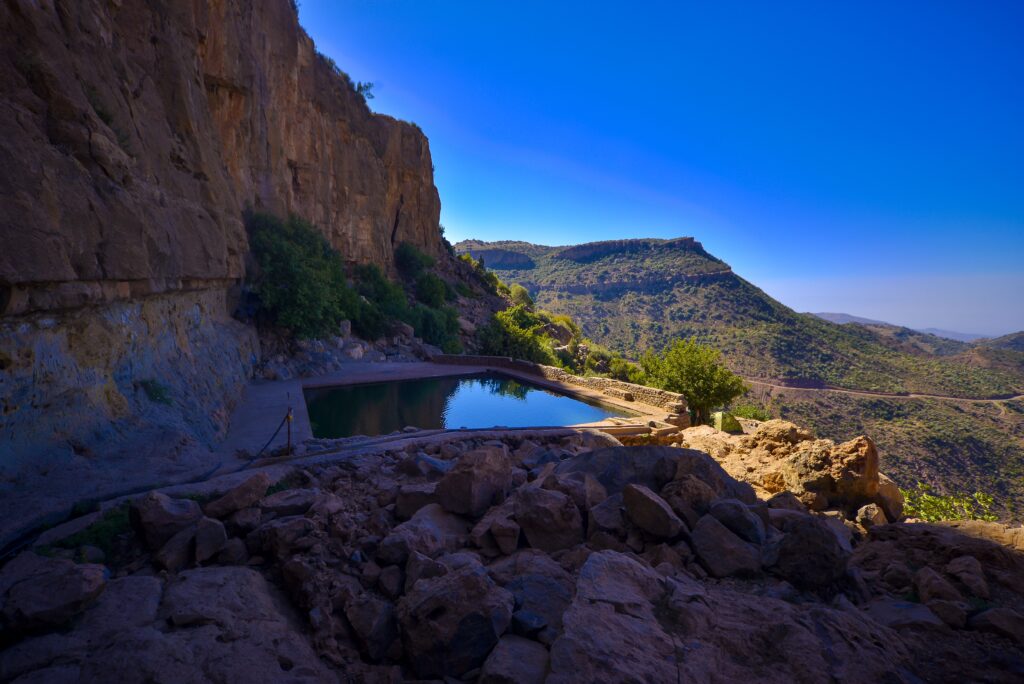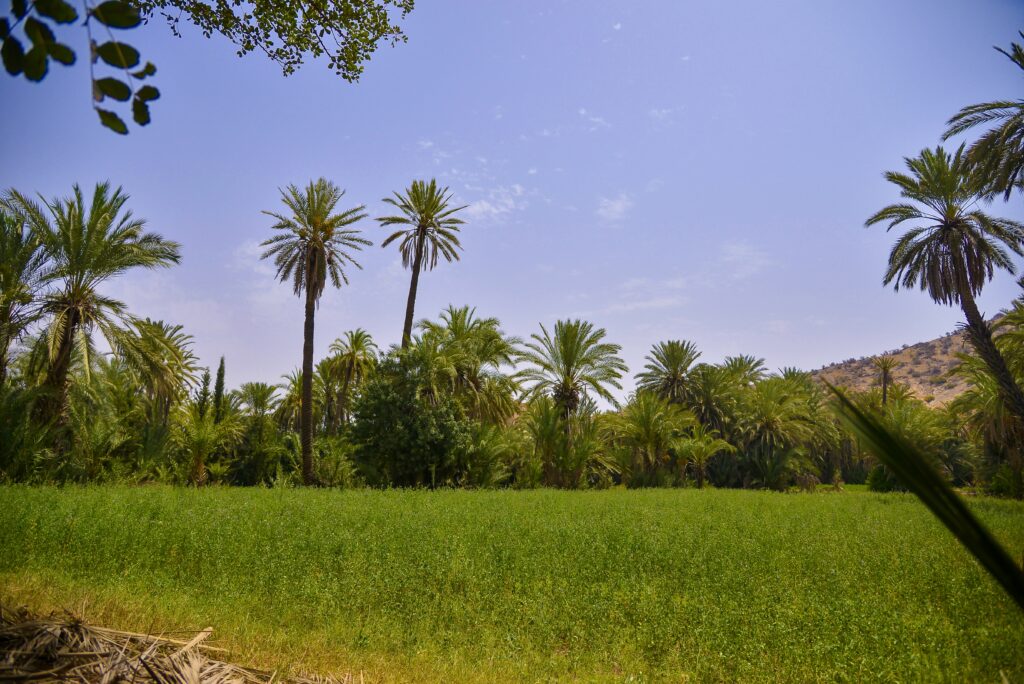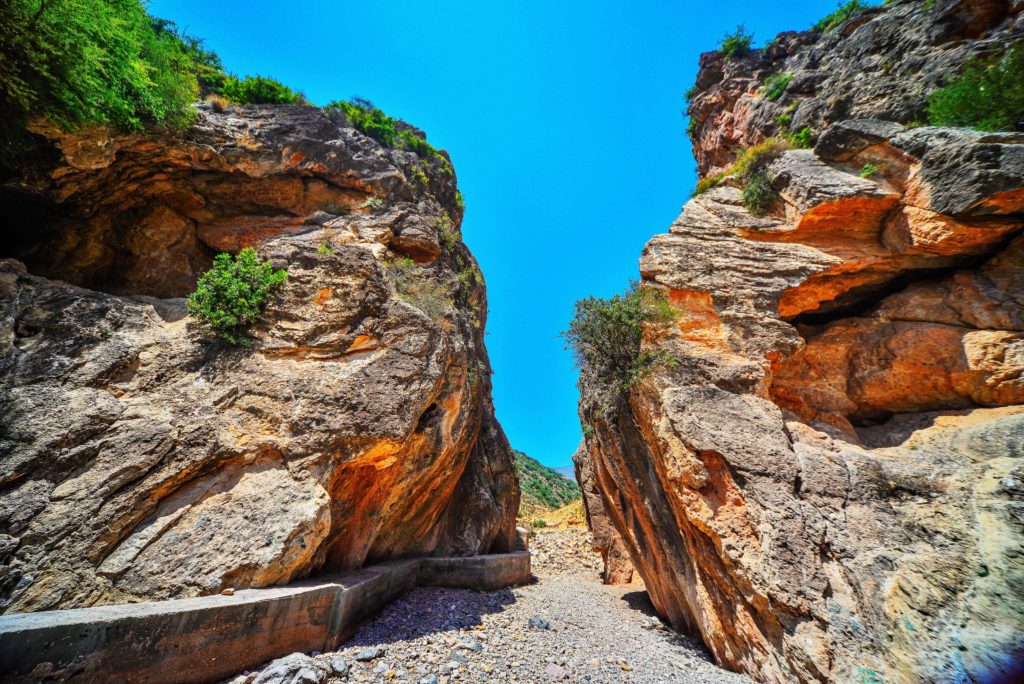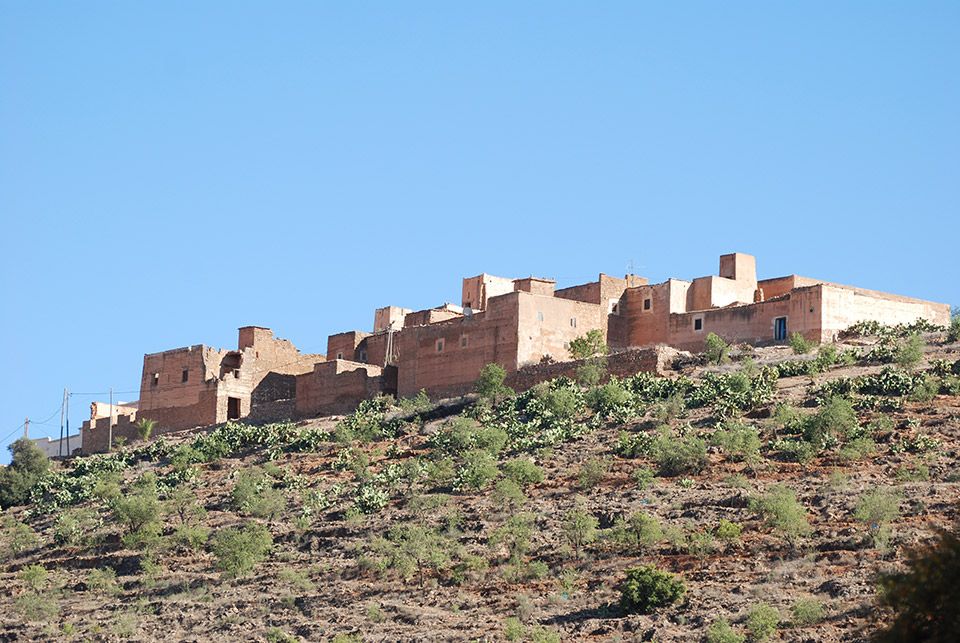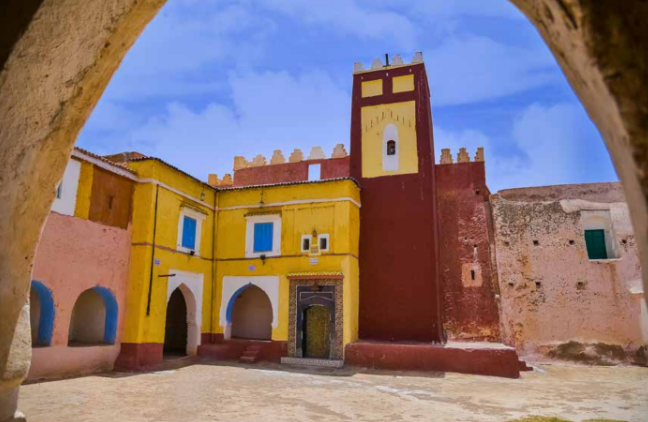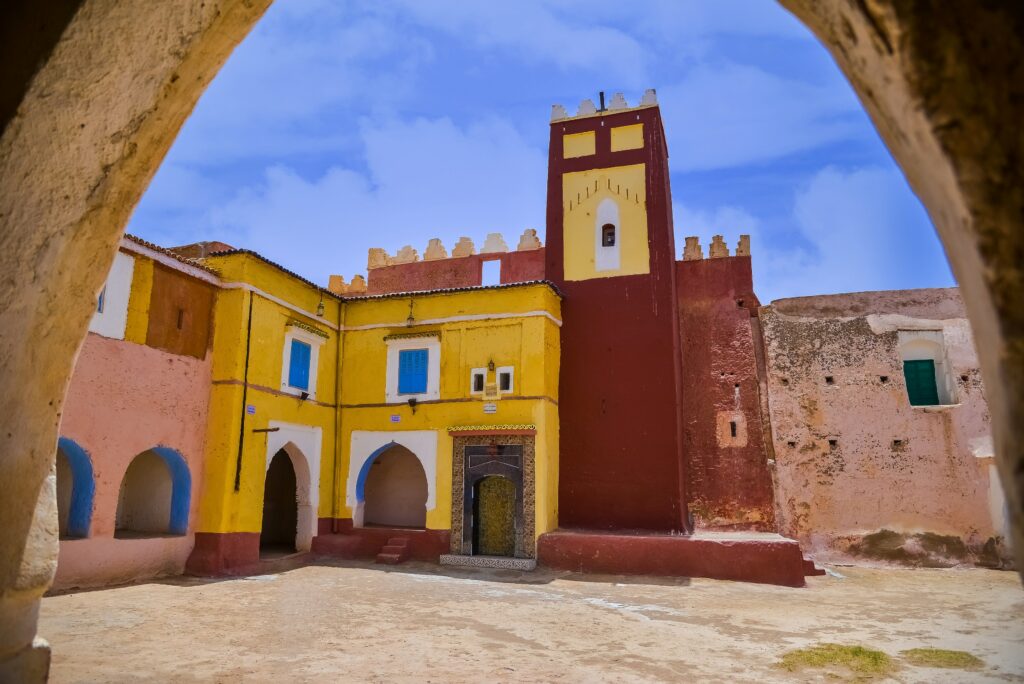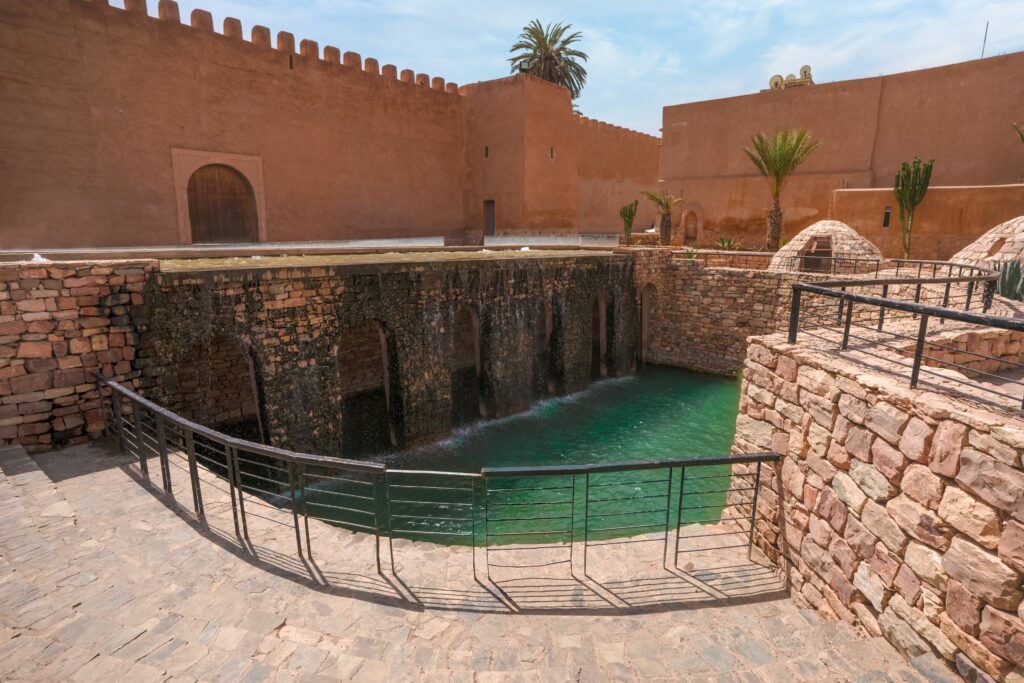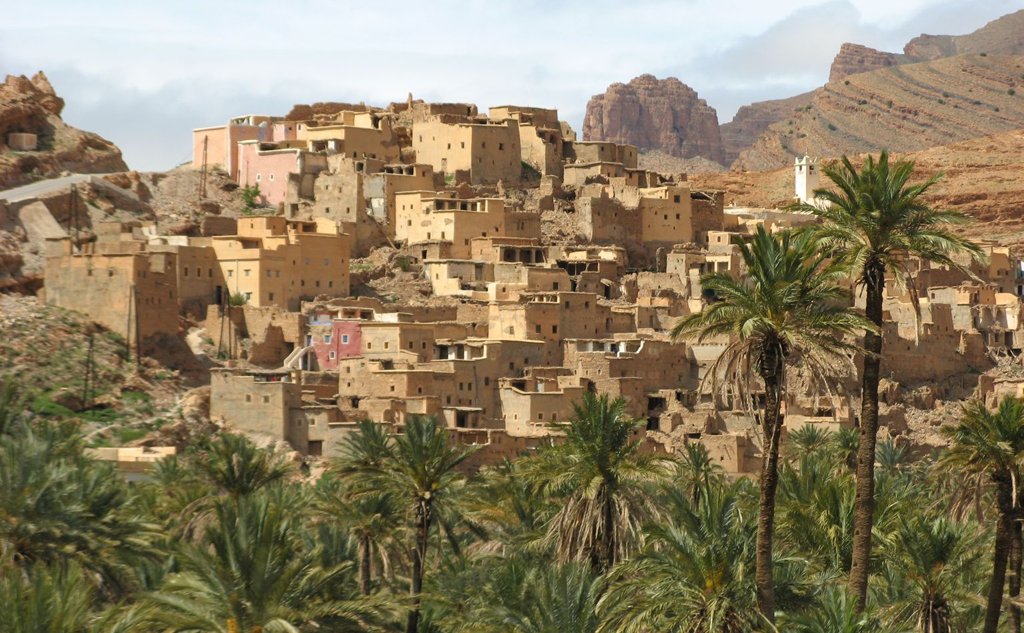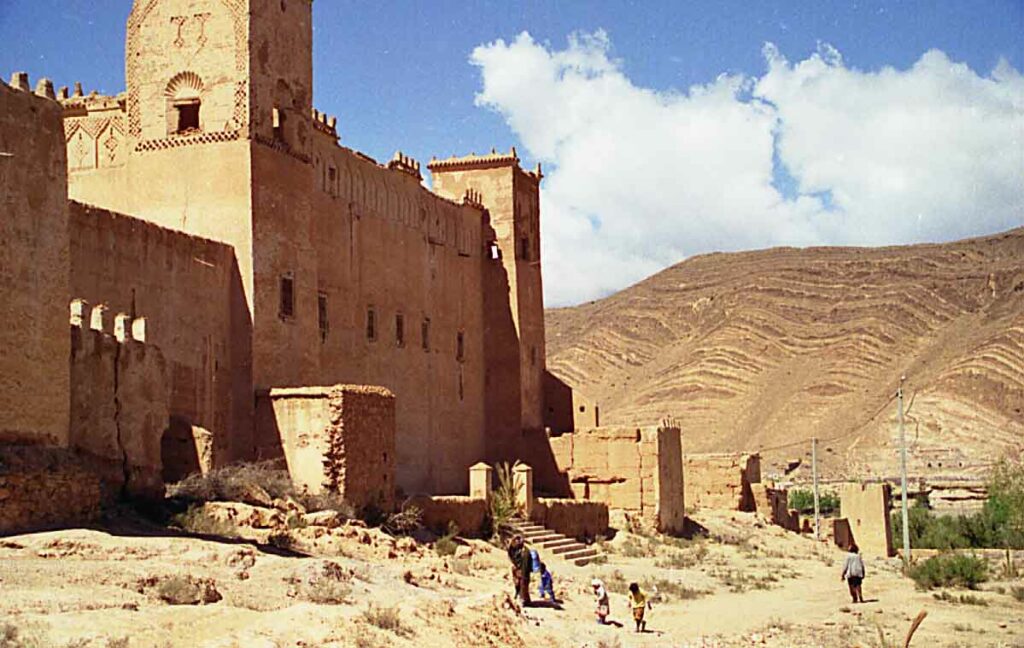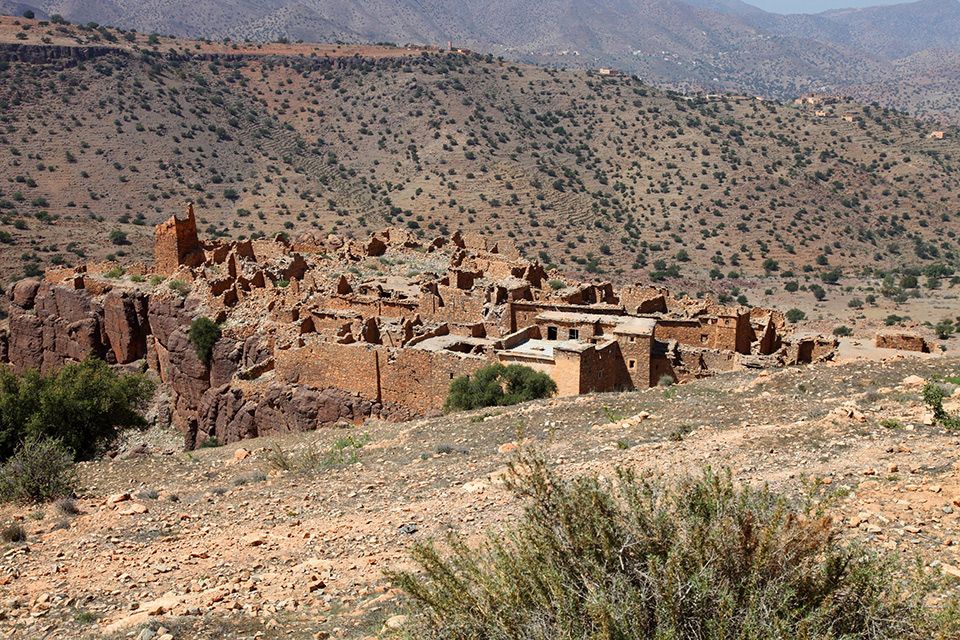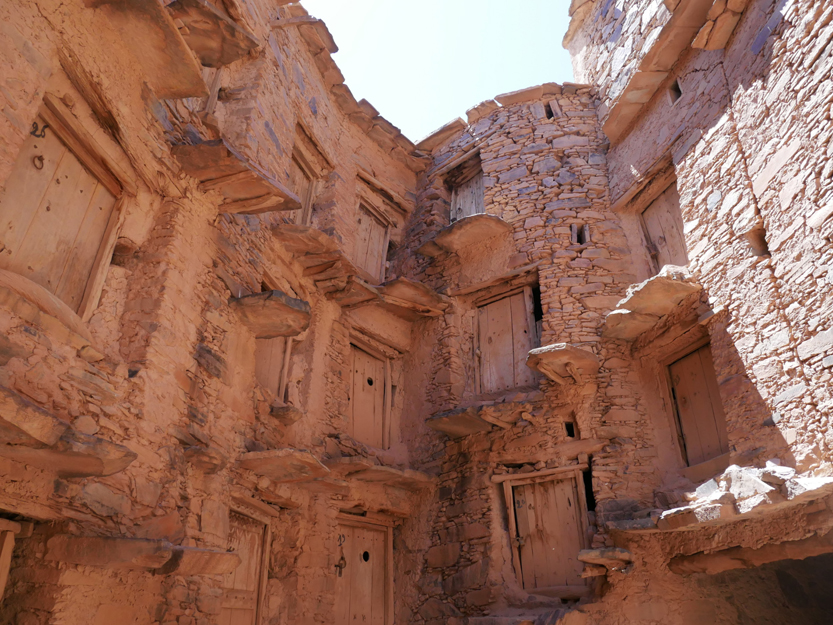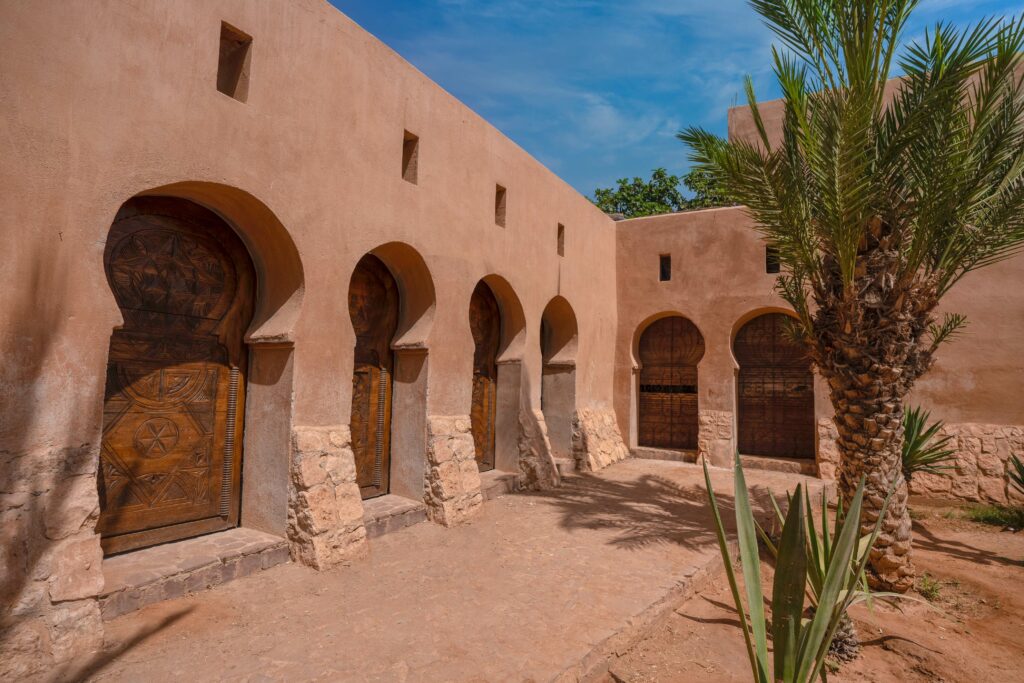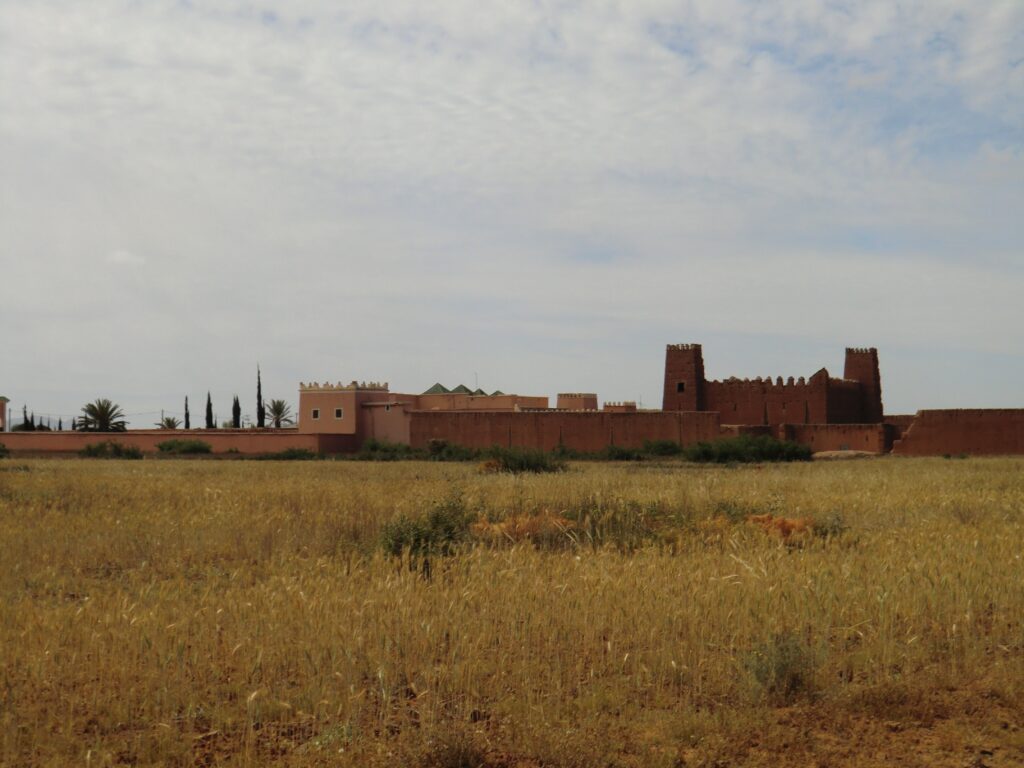
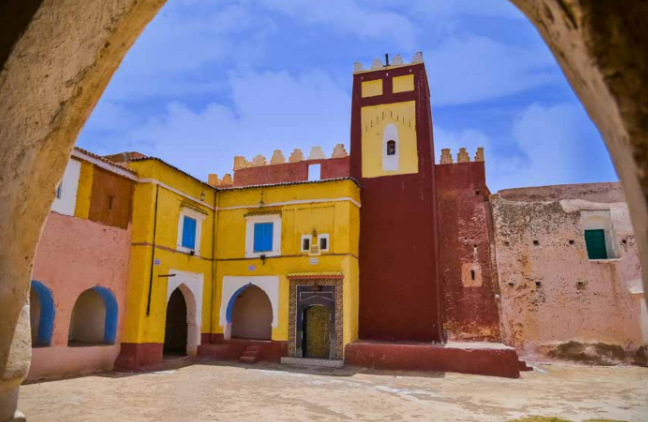
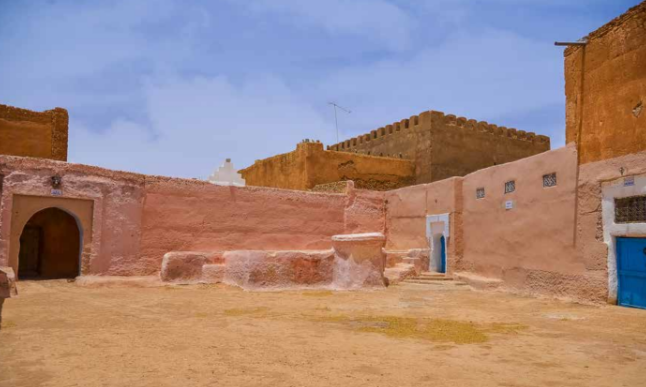
Located just 50 km from Tiznit in Morocco’s western Anti-Atlas region, Dar Iligh Museum offers a compelling glimpse into the legacy of the Tazerwalt region and the once-powerful Semlalie principality. More than a repository of artifacts, the museum actively educates visitors about the area’s historical significance through immersive displays and well-curated exhibitions.
Visitors can explore ancient manuscripts, traditional bridal jewelry, and relics that trace the lives of past civilizations. Surrounded by rugged landscapes, Dar Iligh appeals to history enthusiasts, culture seekers, and those intrigued by Morocco’s deep southern heritage.
The story of Dar Iligh began in 1626 with the rise of the Semlalie state under Al Abou Hassoune As-Semlali, also known as Boudmia. A descendant of the revered Sufi figure Sidi Ahmed Ou Moussa, Boudmia established his seat of power at Dar Iligh during a period of political fragmentation following the decline of the Saadian dynasty.
Under Boudmia’s leadership, the Semlalie principality thrived. It extended its influence across southern Morocco and even played a key role in trans-Saharan trade routes. The estate became a strategic and spiritual center in a time of shifting power.
This golden era ended when Sultan Moulay Rachid of the Alawite dynasty launched a campaign to unify Morocco in the late 17th century. After securing the Middle Atlas, he moved toward Souss and the Anti-Atlas. In 1670, he captured Dar Iligh, marking the end of the Semlalie rule.
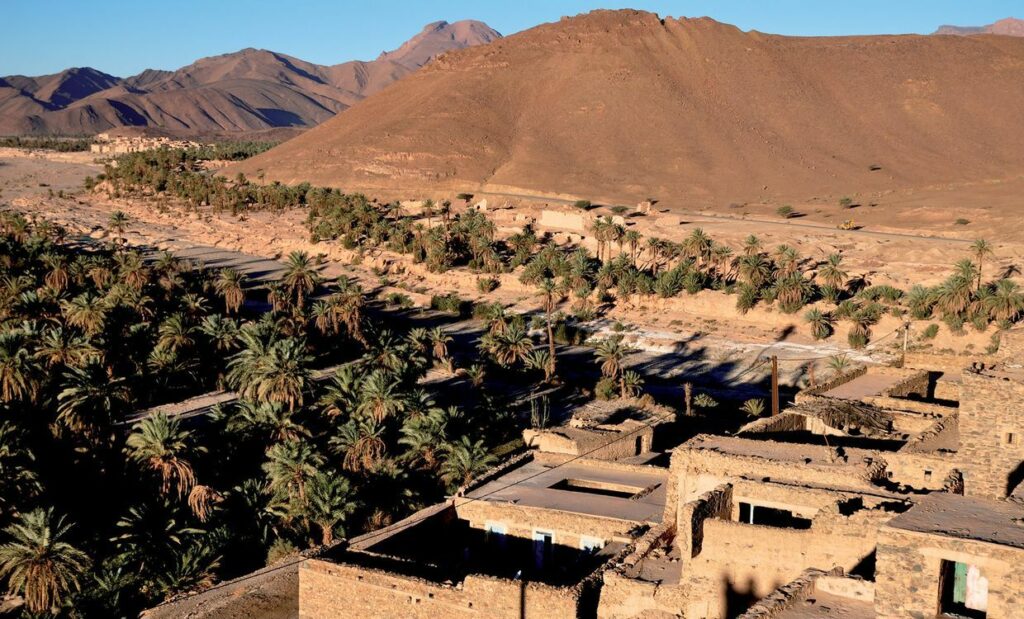
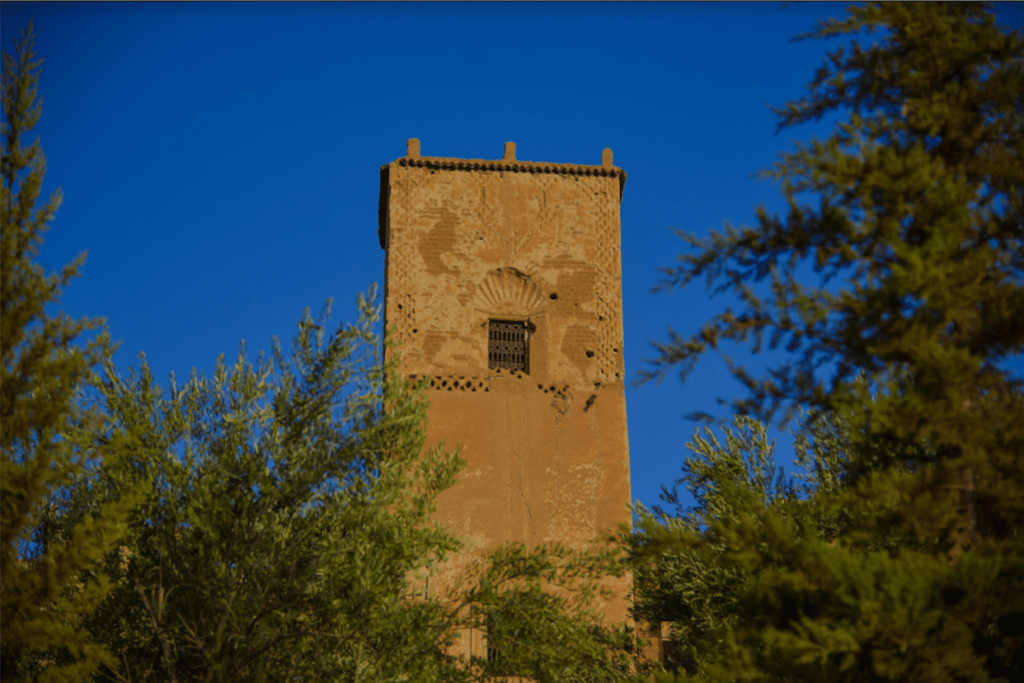
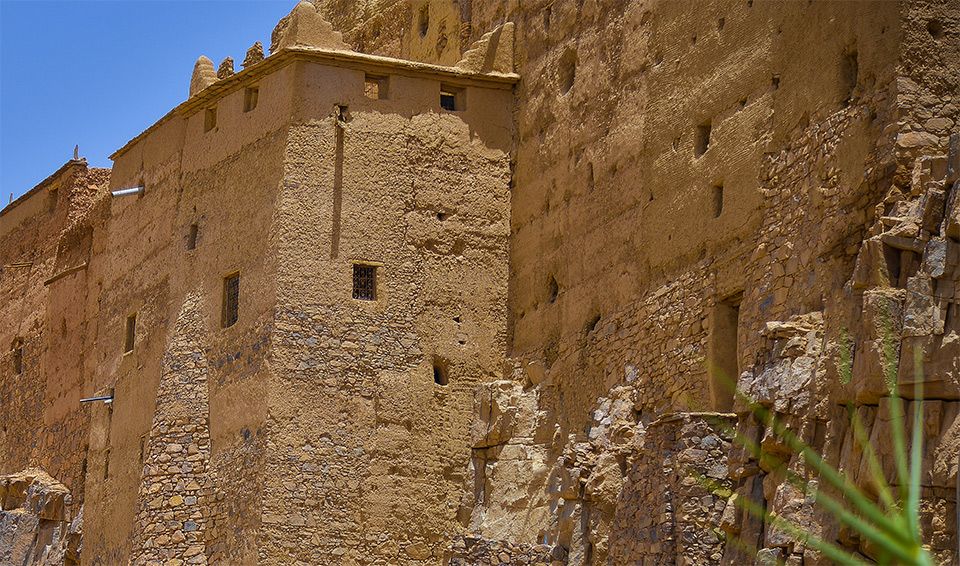
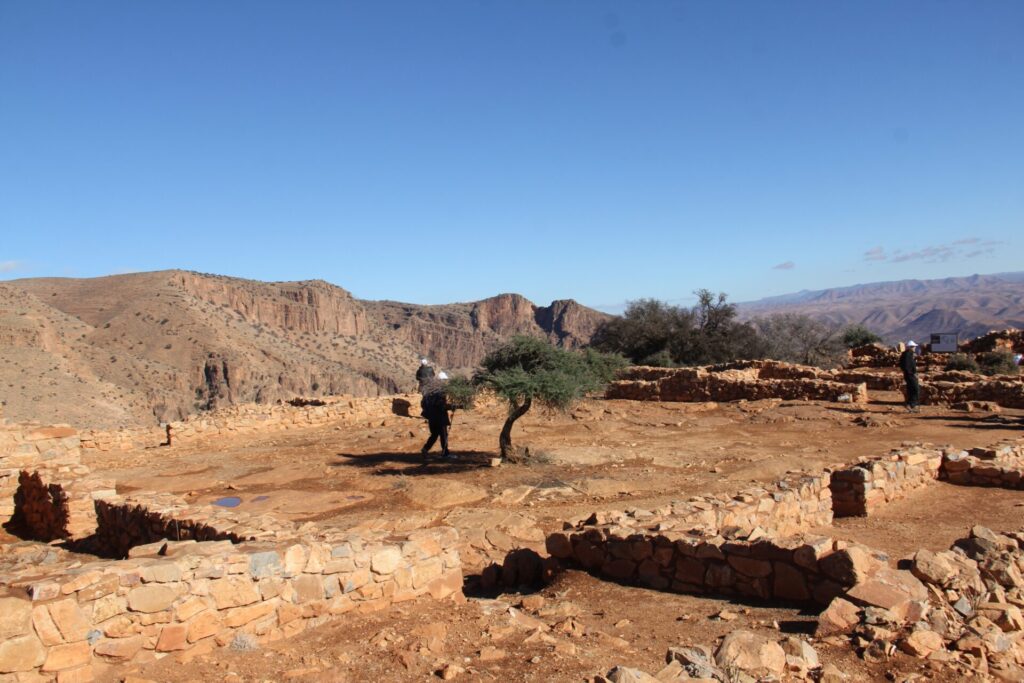
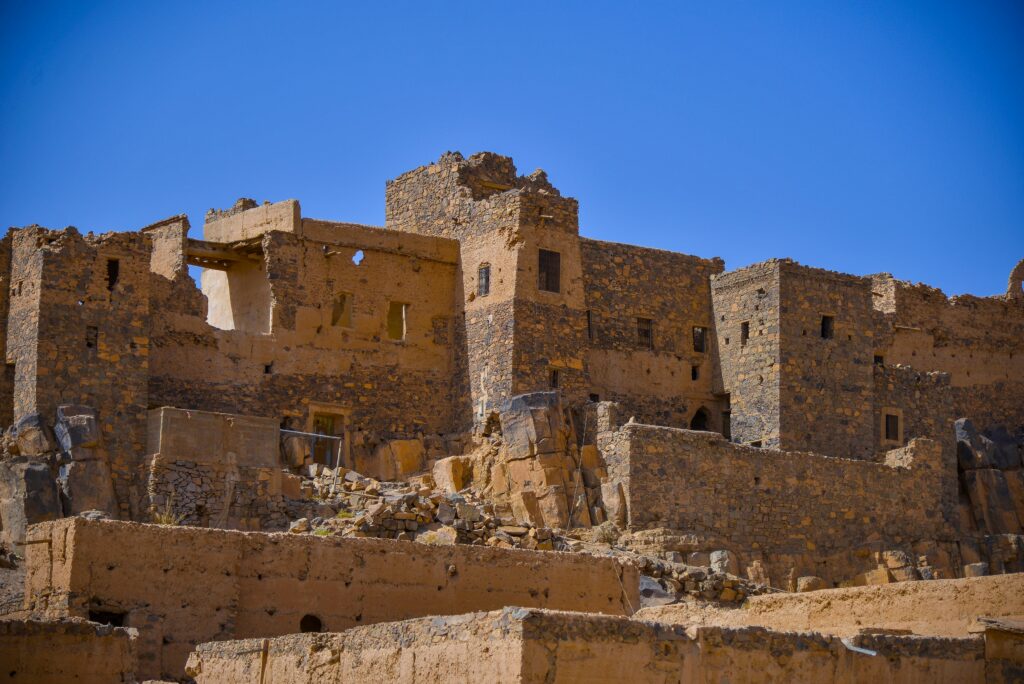
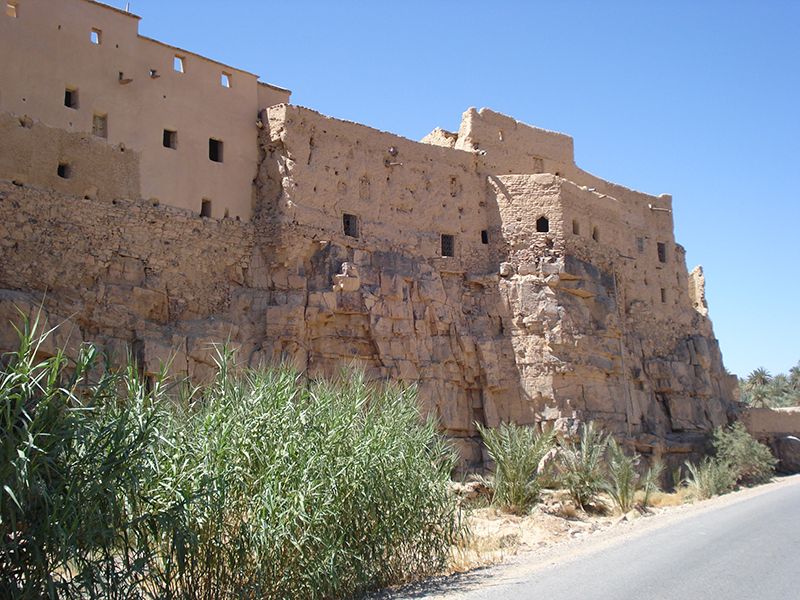
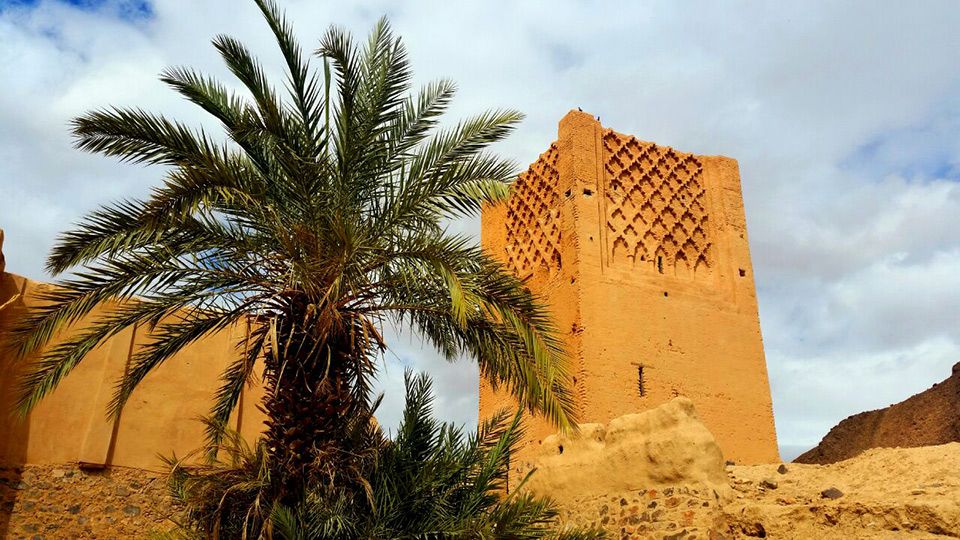
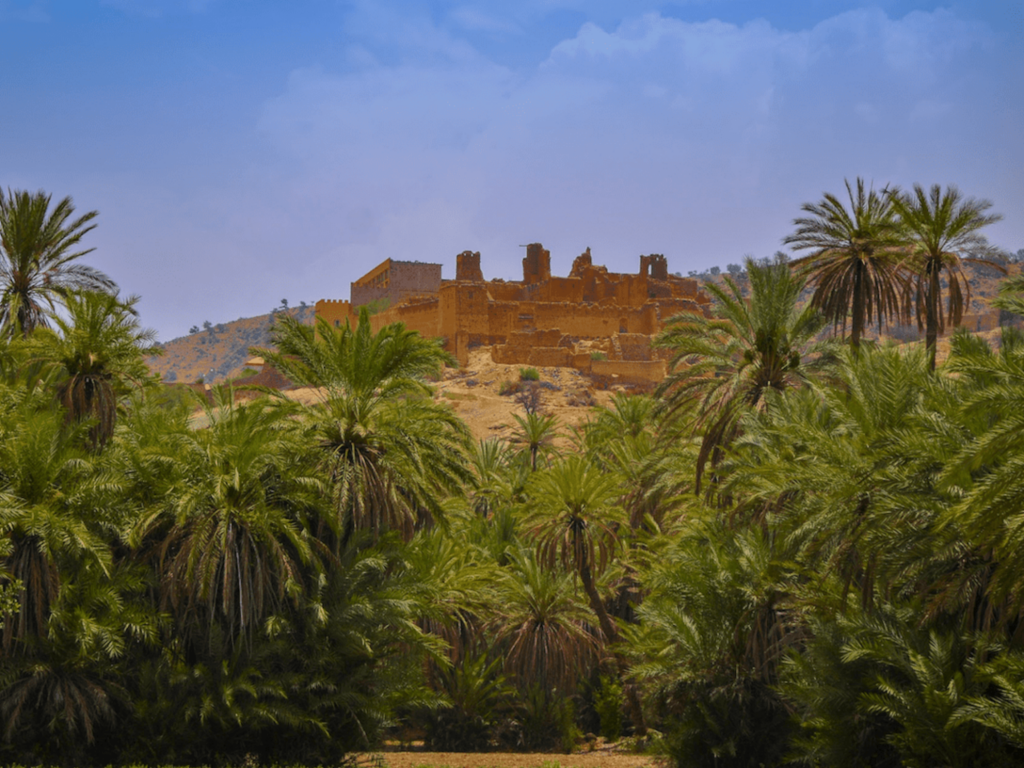
Today, only a few weathered walls remain from the palace’s original structure. Yet they continue to echo the legacy of a turbulent past and the battles that shaped Morocco’s southern regions.
The museum spans 2,500 square meters and holds over 3,500 manuscripts and 5,500 official documents. Visitors can examine sultanic decrees (dahirs), government correspondence (makhzen), and rare archives that provide insight into Morocco’s social and political dynamics over centuries.
These materials offer a rare chance to engage directly with the written history of southern Morocco—a priceless resource for researchers and history lovers alike.
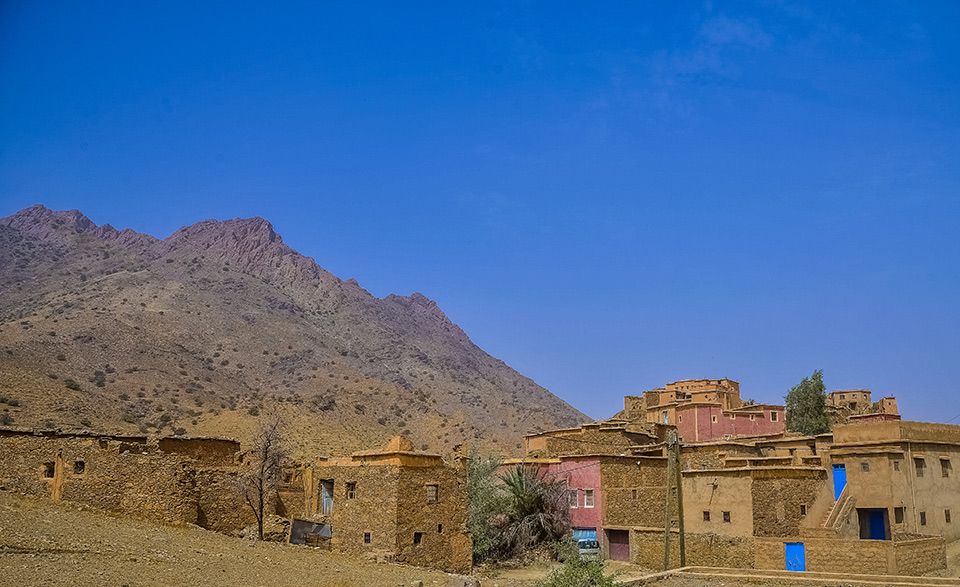
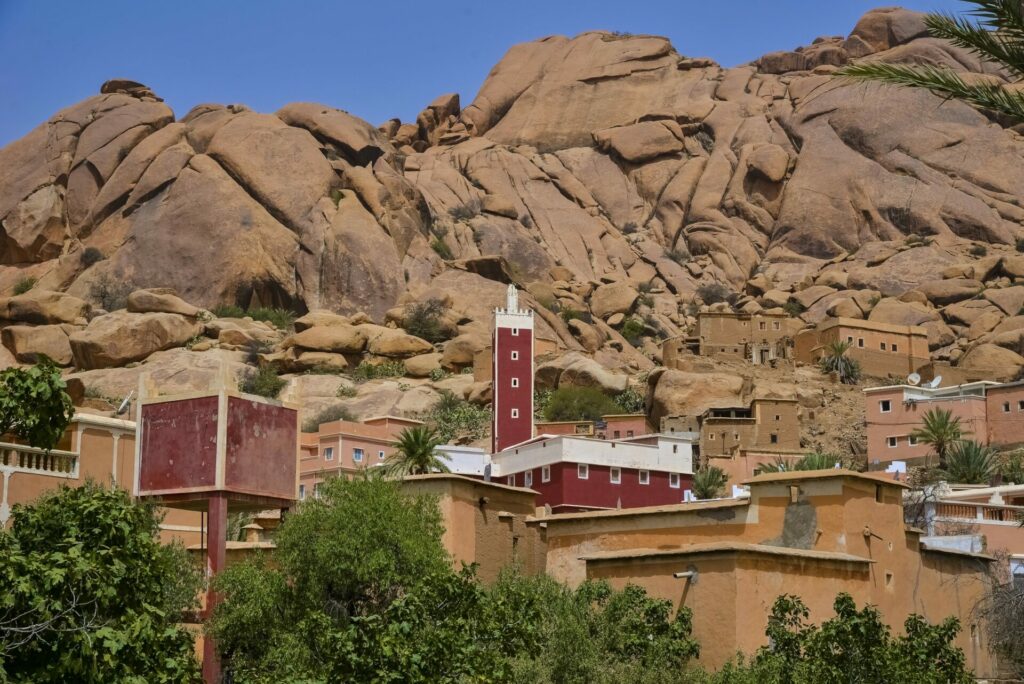
Just a short distance from the museum lies the village of Sidi Ahmed Ou Moussa, named after the spiritual ancestor of the Dar Iligh dynasty. After his death, followers built a zaouia and mausoleum in his honor. Over time, it became one of the most important spiritual and pilgrimage sites in the region.
Each year, the village hosts the largest Moussem in Souss, blending spiritual rituals, cultural ceremonies, music, and a bustling souk. The event attracts thousands, creating a unique mix of faith, heritage, and festivity.
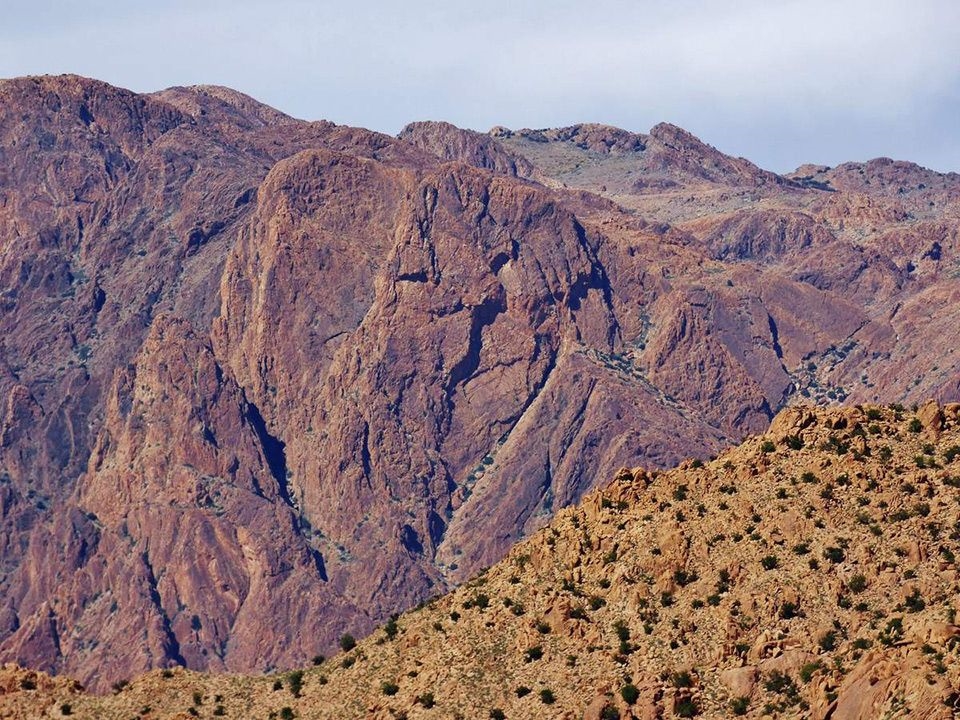
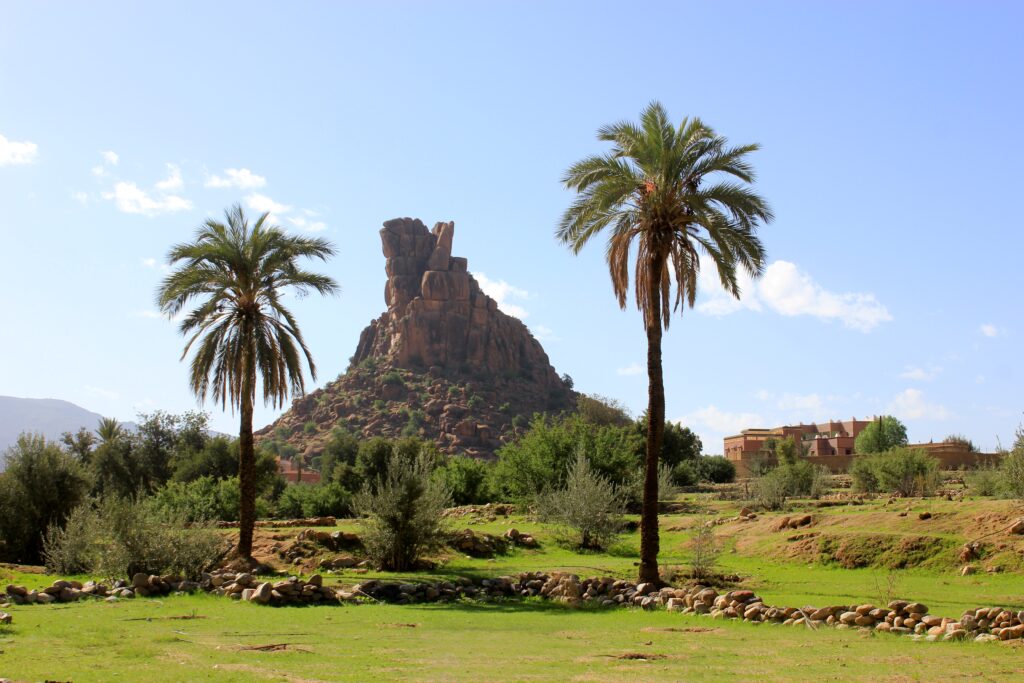
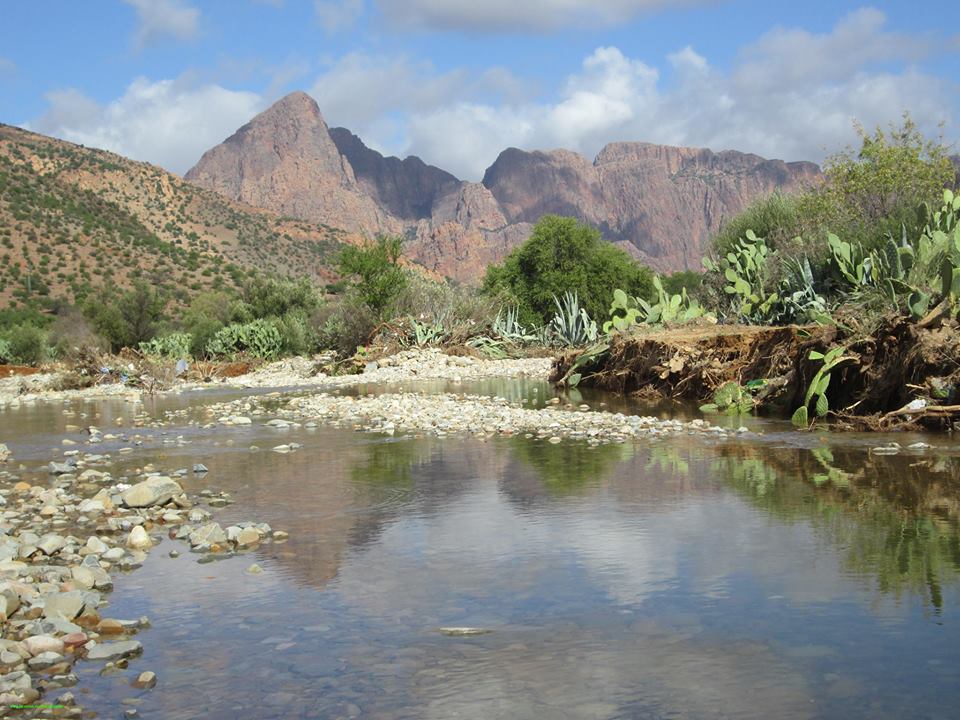
Dar Iligh is not just a museum—it’s a journey through Morocco’s layered past. Its vast collection brings to life a dynamic era of political change, cultural fusion, and spiritual resilience. The surrounding Anti-Atlas landscape adds beauty and tranquility to the historical experience.
Whether you’re a historian, researcher, or curious traveler, Dar Iligh offers a rare and meaningful window into the traditions of Souss Massa and the Semlalie principality, whose legacy continues to inspire.
There are no results matching your search