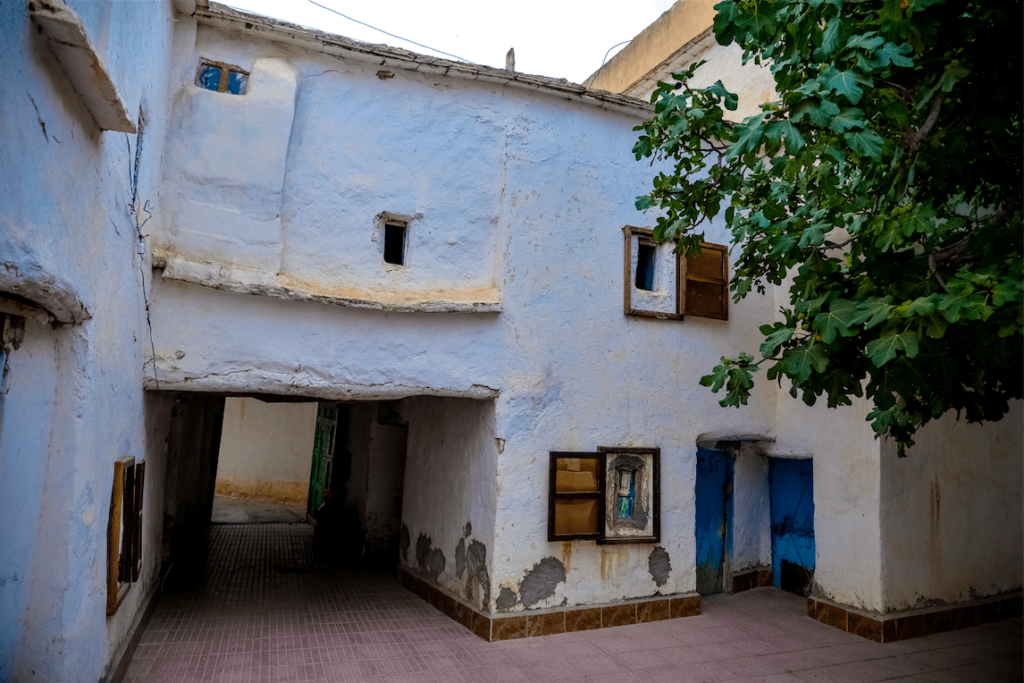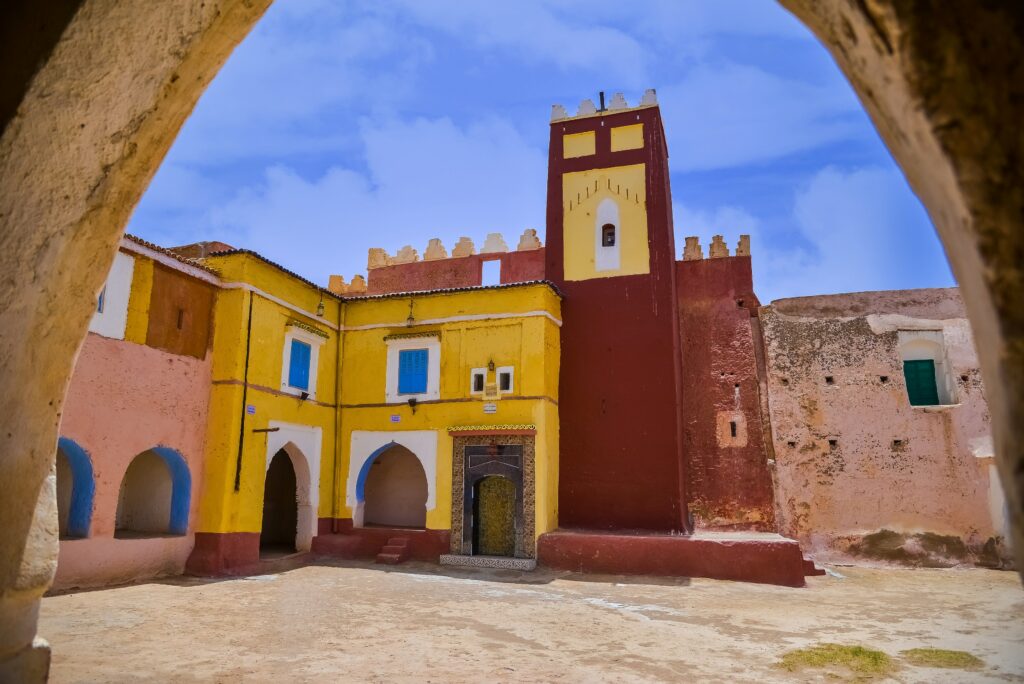


When discussing Islam in Morocco, it’s essential to recognize the Zaouias (or “Tariqas” in Arabic), which are mystical brotherhoods embodying specific practices of Islam. These religious orders also refer to the buildings where followers gather to practice their faith. In these spaces, spirituality, meditation, and remembrance of God (dhikr) are central. The “Cheikh,” a holy leader, organizes and guides these rituals. Zaouias have played a key role in the religious, social, and cultural life of Morocco, and they even had significant influence in politics before the country’s independence.
Following Morocco’s independence, the Zaouias adapted to the changing societal structure. As the State gained power, the Zaouias relinquished their social responsibilities and religious governance to the monarch, the Commander of the Faithful. Despite this shift, Zaouias continue to transmit religious culture based on Islamic principles. They remain instrumental in maintaining traditional practices, rituals, and teachings among their followers. Prominent examples of these brotherhoods include the Chadilia, Jazoulia, Ayssawia, Tijania, and Boutchichia Zaouias.
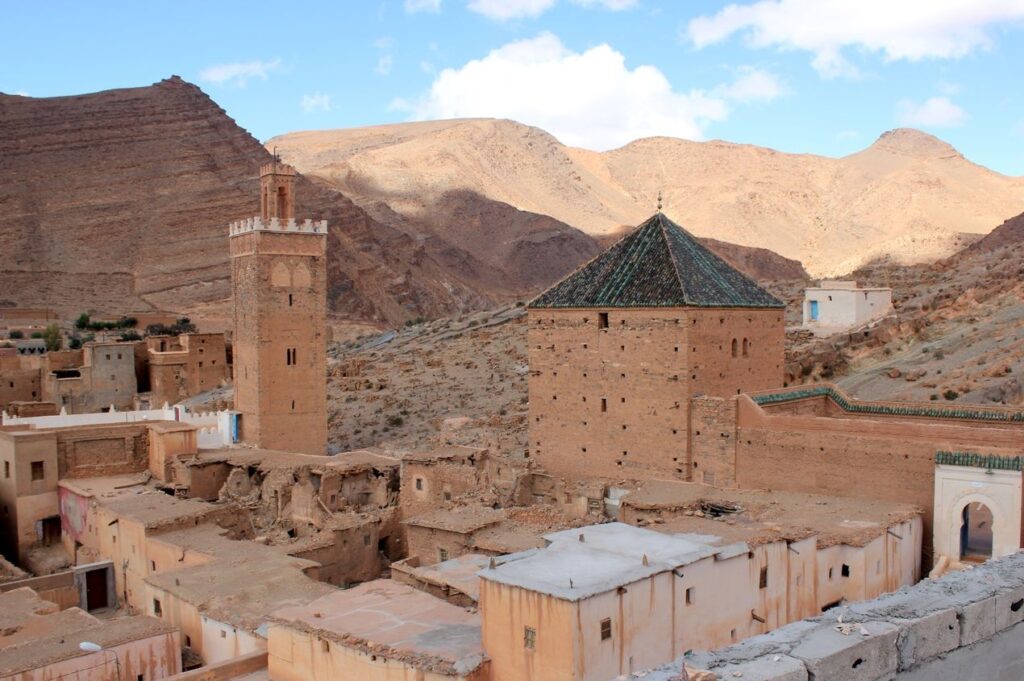
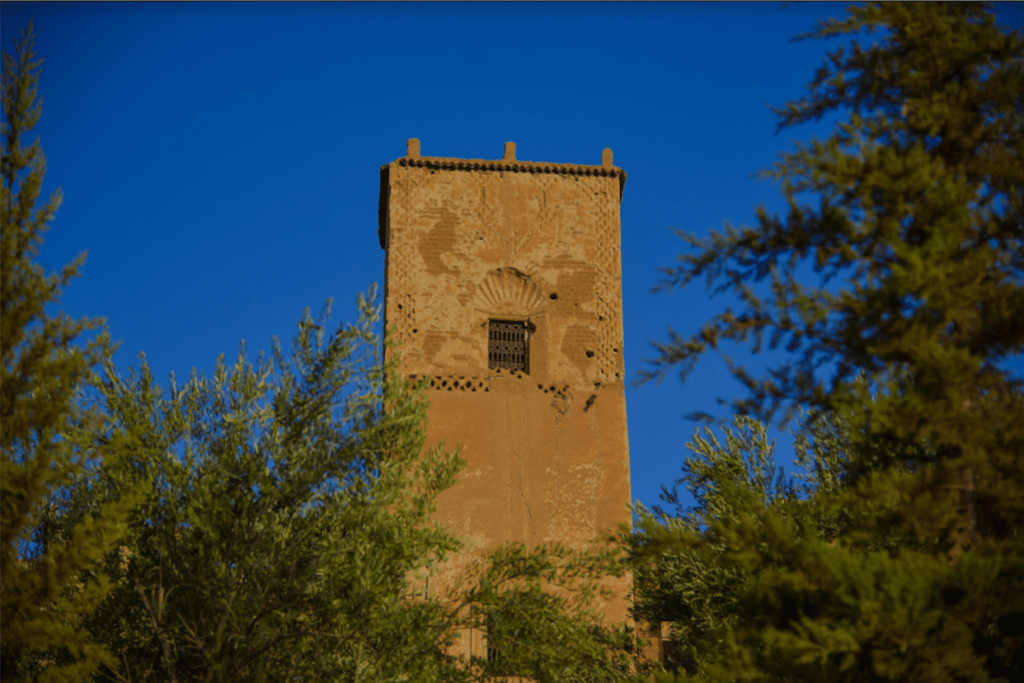
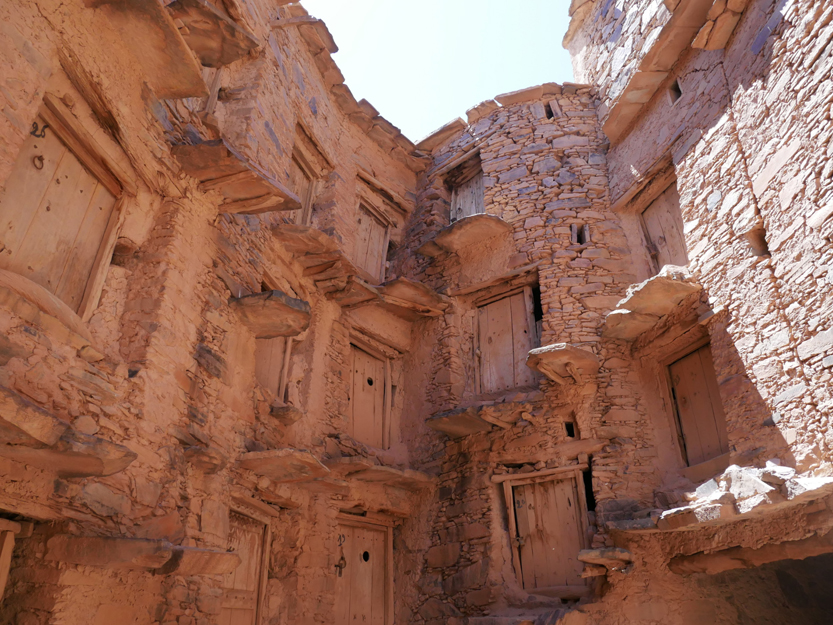
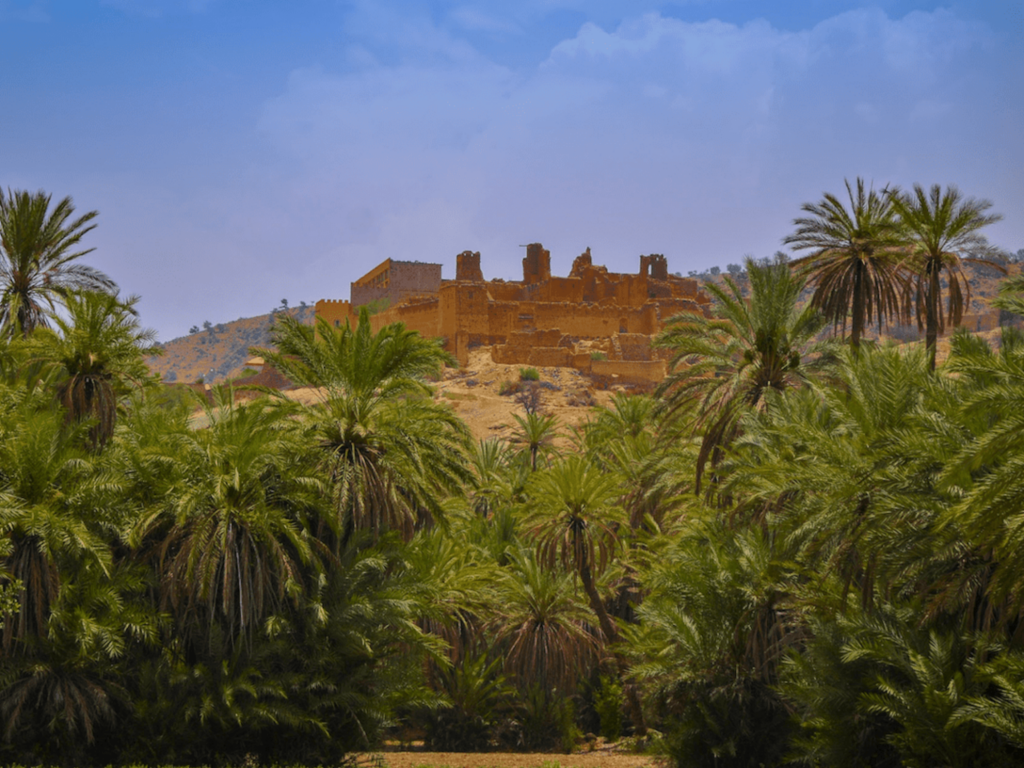
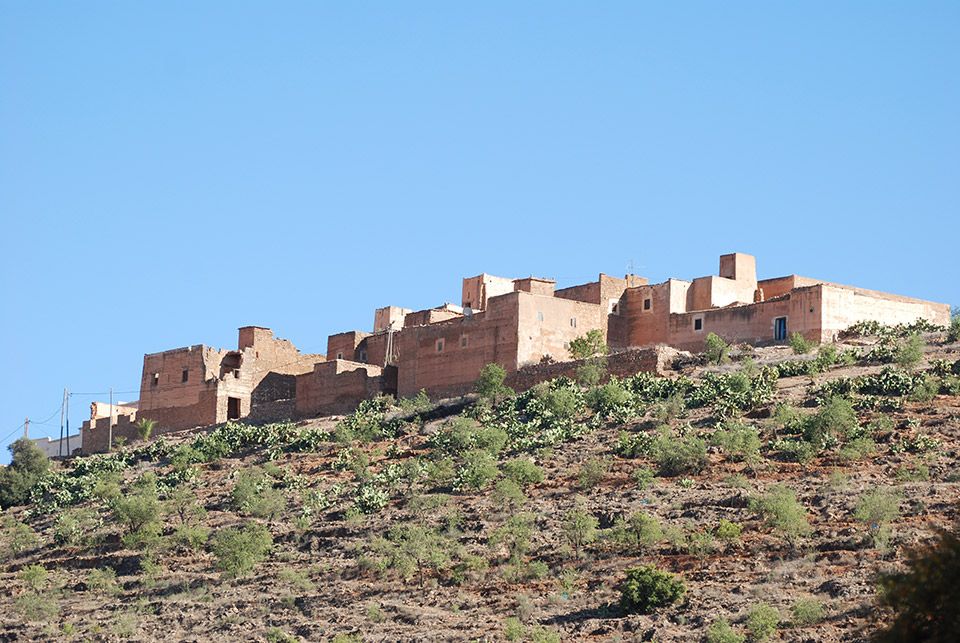
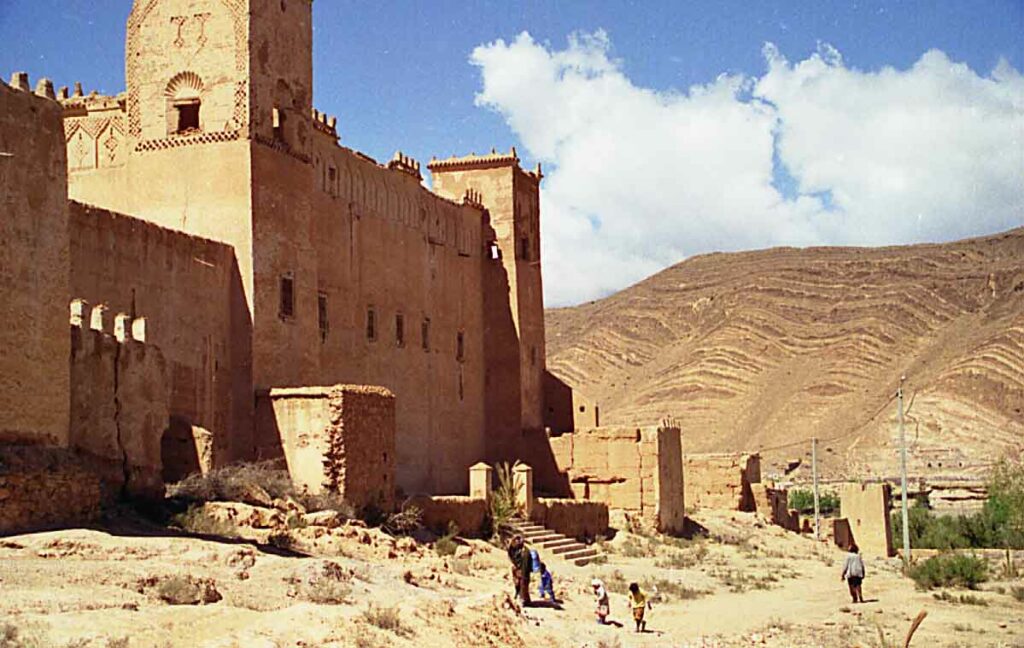
The southern region of Morocco is home to four significant Zaouias that continue to influence the area. Among them is the Nacerya Zaouia in Tamegroute, known for its strong religious presence. The Derkaouia Zaouia in Metrara governs powerful tribes like the Aït-Atta, Aït-Jafelnan, and Brabers. The Zaouia of Illigh in Tazeroualt also holds importance, as does the Zaouia of Timguidcht, founded in the 13th century, which was historically one of the most important religious centers in Southern Morocco.
Even with changes in political power, the Zaouias remain pillars of spiritual life in Morocco. They preserve centuries-old traditions and continue to influence Moroccan society, offering guidance to followers and ensuring the perpetuation of Islamic practices across generations.
There are no results matching your search