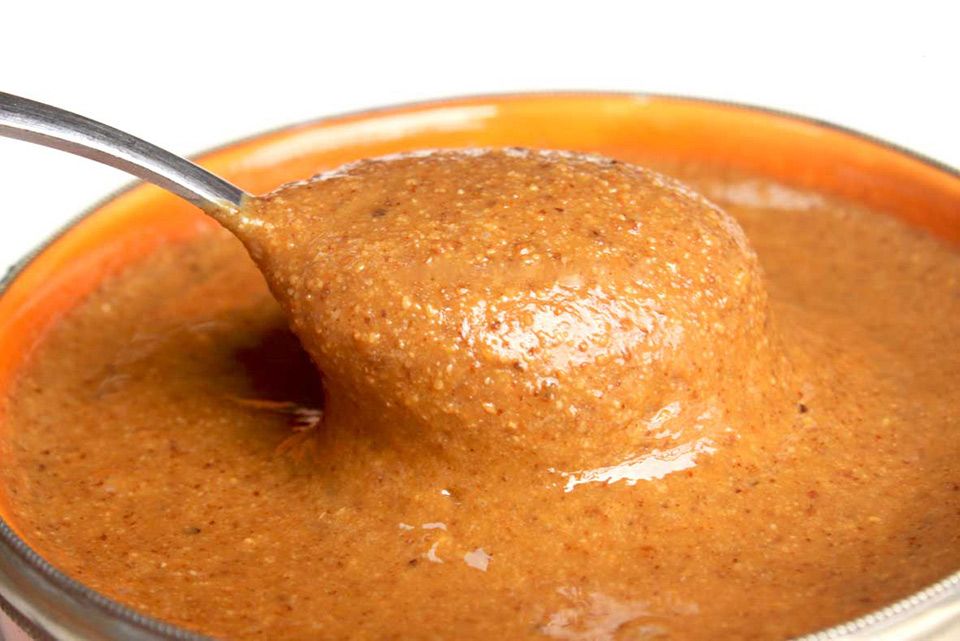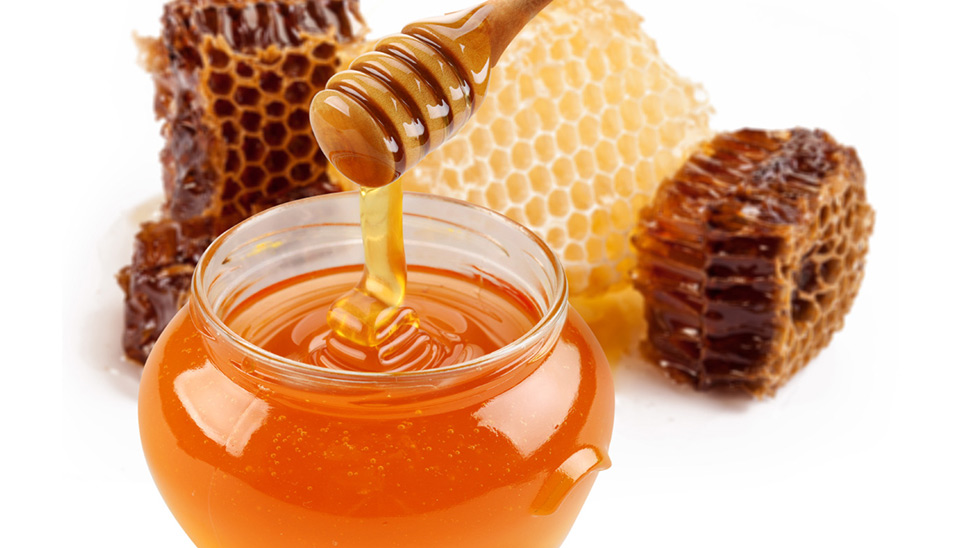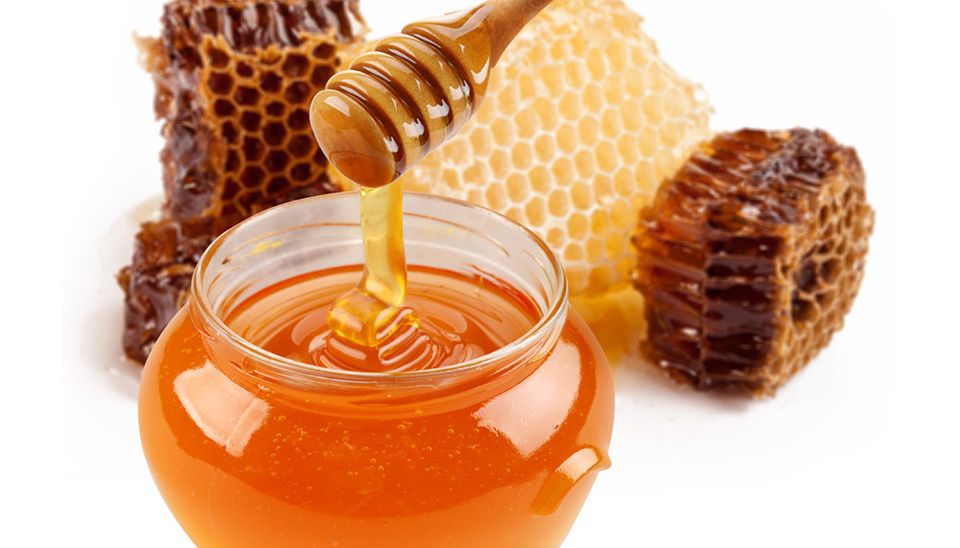
Have you ever tasted honey so rich and delightful that it feels like a journey in every spoonful? That’s exactly what Moroccan honey offers. This sweet treasure comes straight from the heart of Morocco—a land known for its vibrant markets, breathtaking landscapes, and lush greenery.
Each drop of Moroccan honey is full of flavor, carrying the essence of the country’s diverse flora. Moreover, it reflects a deep-rooted tradition of beekeeping that has been passed down for generations. Let’s explore the world of Moroccan honey, where every jar tells a story of heritage, craftsmanship, and nature’s purest offerings.
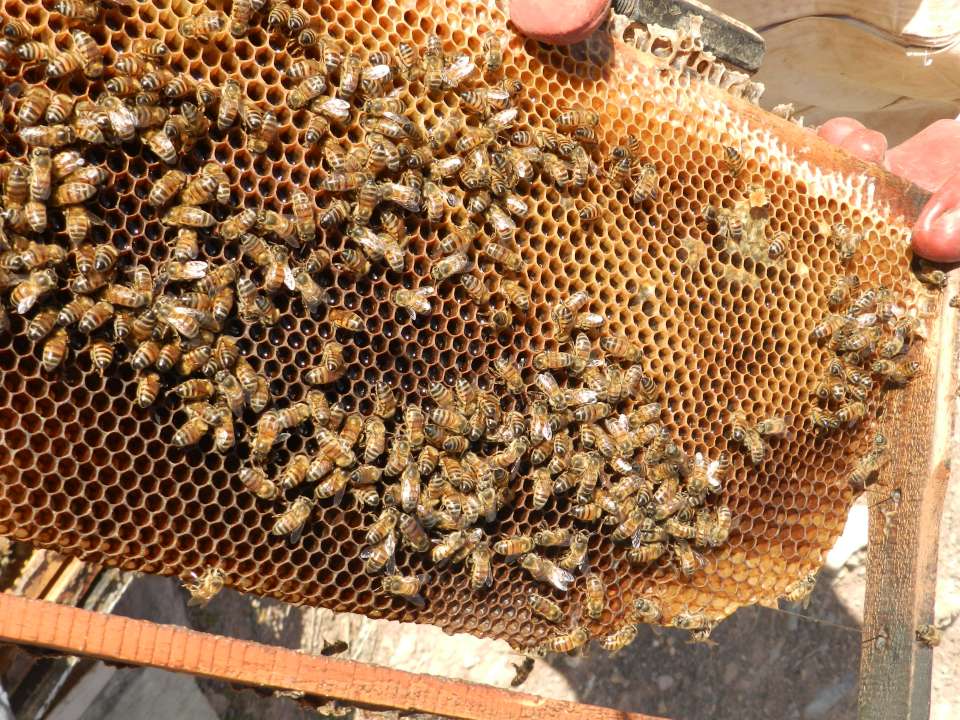
In Morocco, beekeeping is more than just a craft—it’s an ancient art form. For centuries, rural communities have practiced it with care and skill. From rolling hills to fertile valleys, Moroccan beekeepers nurture their hives using methods handed down over generations.
In particular, the Souss-Massa region stands out. Thanks to its rich flora and mild climate, this area has become a center of beekeeping excellence. Here, tradition and environment work hand in hand.
Nestled in the scenic Souss-Massa region, the village of Ida-Outanane is a haven for honey lovers. Surrounded by green meadows and gentle hills, it provides the perfect conditions for beekeeping.
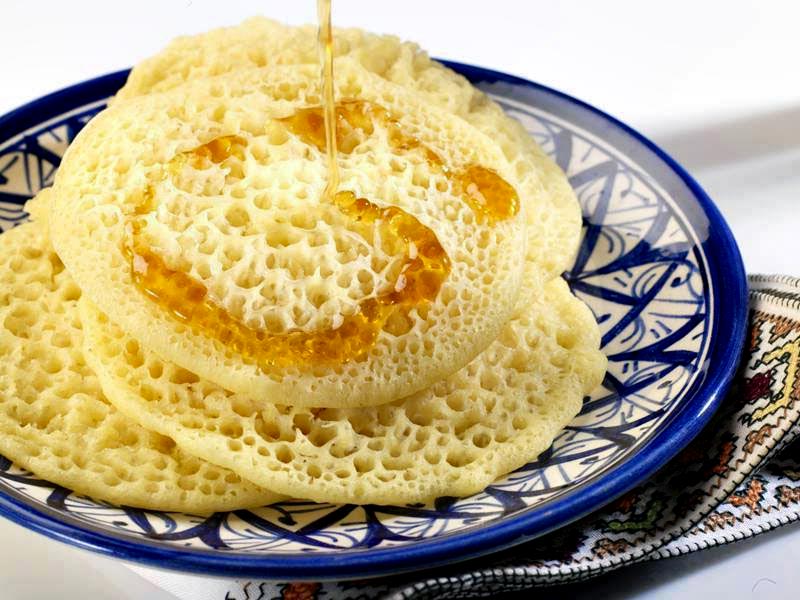
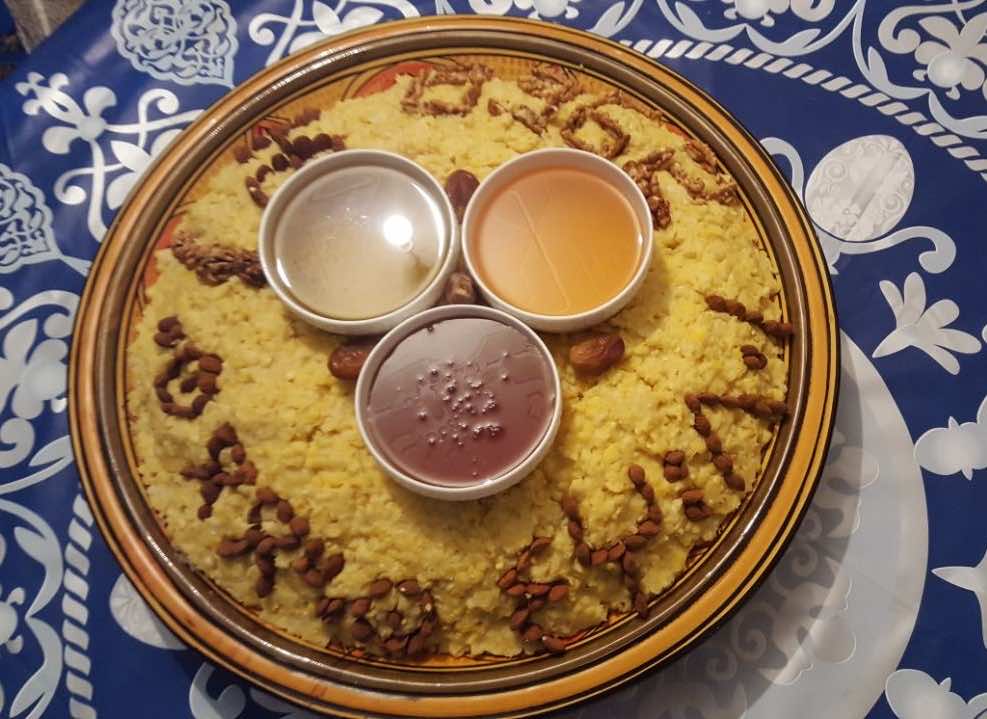
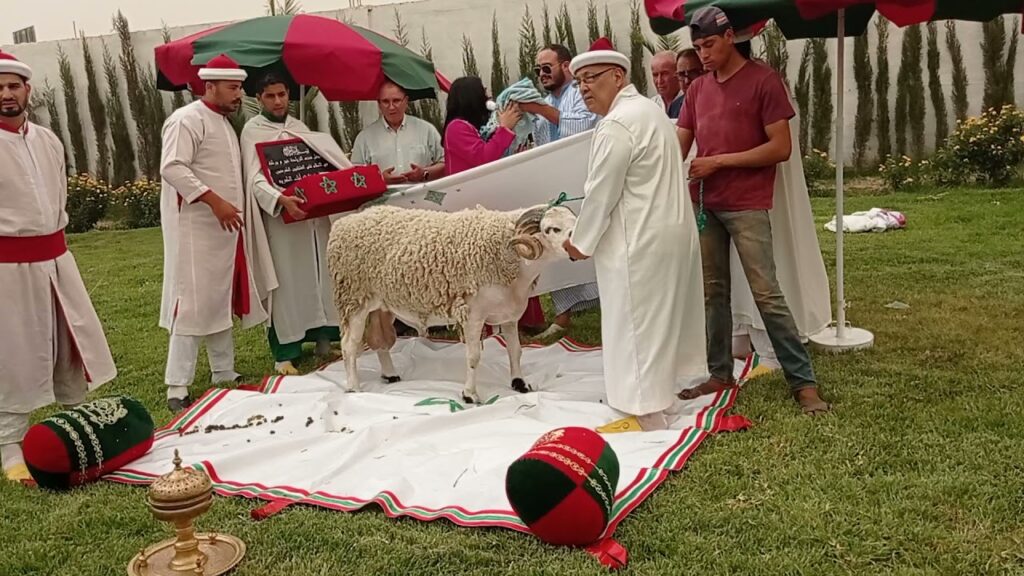
Every August, locals and visitors come together for the Honey Festival—a month-long celebration of this golden treat. During the festival, the village comes alive with music, dancing, and colorful decorations. People enjoy honey-based dishes, learn about beekeeping, and take part in various cultural events.
At the center of Ida-Outanane lies the Inzerki apiary. This historic site is one of the largest and oldest traditional beekeeping centers in the world. Surrounded by diverse plants and carefully managed terrain, it is an ideal home for bees.
Here, nature and tradition combine to create honey that is rich in flavor and aroma. The Inzerki apiary is a symbol of Morocco’s beekeeping legacy, where every drop of honey reflects centuries of knowledge and dedication.
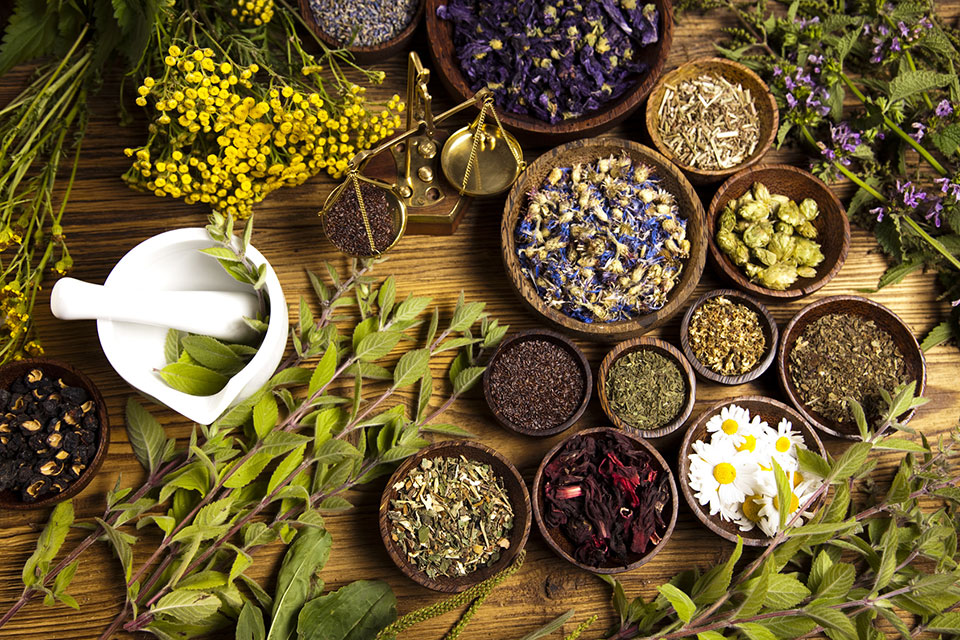
Souss-Massa offers a wide range of honey, each with its own taste and benefits. For example, thyme and euphorbia honey are especially valued for their healing properties. They are known to help with respiratory problems, asthma, and heart conditions.
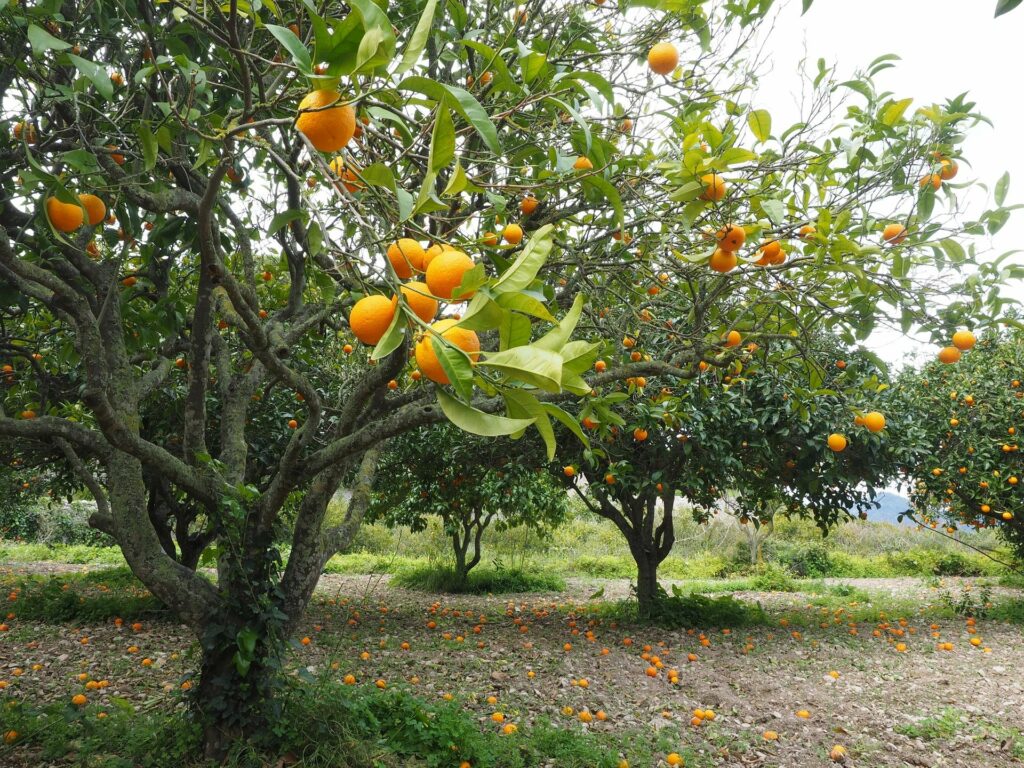
In addition, the region produces honey from orange blossoms, eucalyptus, carob, and thuja trees. Each type has a unique flavor and medicinal value, making Moroccan honey both a culinary and a therapeutic delight.
Souss-Massa is truly a paradise for honey lovers. The region blends ancient beekeeping practices with the rich bounty of nature. From the joyful celebrations of the Honey Festival to the historic Inzerki apiary, visitors experience the timeless magic of Moroccan honey.
Furthermore, the festival offers a chance to taste many honey types, see traditional methods in action, and enjoy music and performances. Meanwhile, Inzerki showcases the hard work and passion of Moroccan beekeepers.
Moroccan honey is more than a sweet treat—it’s a legacy worth savoring and sharing.
There are no results matching your search